

 Pregledaj u prostoru
 Pošalji
 Podeli
 Detalji o delu

 Преузми
 Slični predmeti
 Rendgenski snimak
 Slajdovi
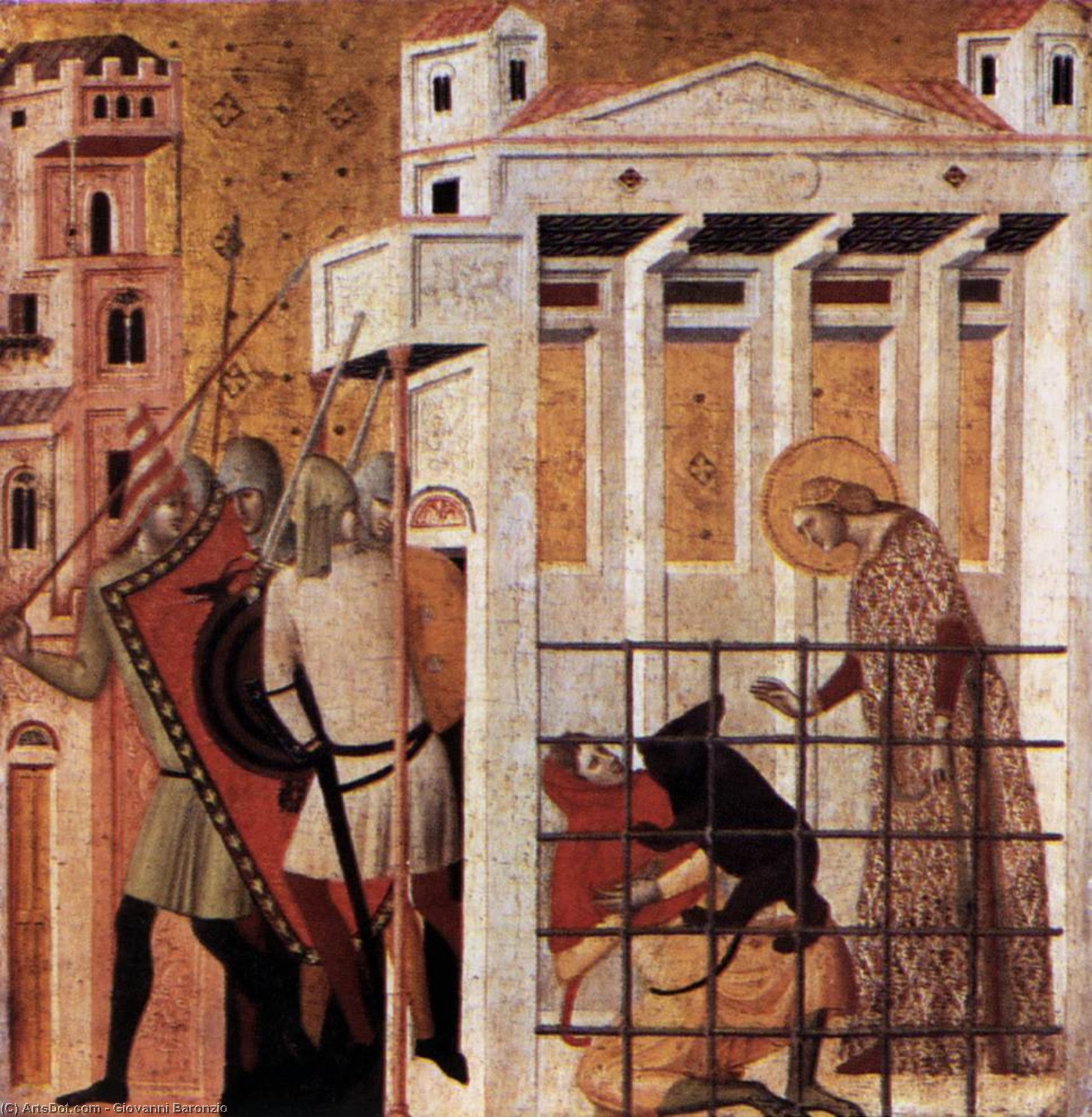
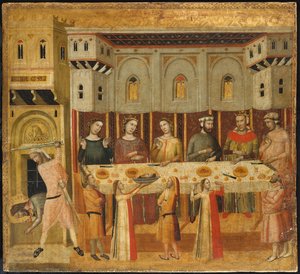
Scenes from the Life of St Colomba: St Colomba Saved by a Bear
 Tempera On Panel
- Late Medieval
 1340
1340- Late Medieval
 53.0 x 55.0 cm
 Pinacoteca di Brera
 Pročitaj više
Kupite digitalnu sliku visoke rezolucije i poboljšanog kvaliteta, koja je znatno superiornija od onoga što vidite u online prikazu.
Svaka datoteka je pedantno pripremljena od strane naših stručnjaka koristeći napredne alate i profesionalnu ručnu retušu. Osiguravamo da svaka slika ima izuzetnu oštrinu, preciznu reprodukciju boja i fine detalje.
Konačna datoteka se dostavlja putem e-pošte u roku od 72 sata, optimizovana za neposrednu upotrebu u profesionalnim, izdavačkim i štamparskim okruženjima. To je isti kvalitet kojem veruju vrhunski studiji dizajna, izdavači i galerije.
Digitalna slika
Preuzmite datoteku visoke rezolucije za ličnu upotrebu, štampanje i kreativne projekte. ( Kupi print Kupi ručno naslikanu sliku)
Uključeno uz svaku porudžbinu digitalne slike
Profesionalna digitalna isporuka, zagarantovana
Kada odaberete ArtsDot.com, ne dobijate samo sliku – vi primate profesionalno unapređeno digitalno umetničko delo, izrađeno sa najvećom preciznošću i uz garanciju zadovoljstva. Evo svega što automatski dolazi uz vašu porudžbinu:

Brza dostava putem e-pošte
Vaša digitalna slika visoke rezolucije biće vam poslata putem e-pošte u roku od 72 sata od poručivanja – spremna za trenutnu upotrebu.

Digitalna datoteka unapređena veštačkom inteligencijom
Vaše umetničko delo je profesionalno optimizovano korišćenjem naprednih AI alata i ručne obrade, čime se osiguravaju maksimalni detalji, oštrina i preciznost boja.

Besplatna ponovna isporuka doživotno
Slučajno ste obrisali ili izgubili svoju datoteku? Ne brinite – poslaćemo vam je ponovo u bilo kom trenutku, potpuno besplatno.

Bez troškova uvoza – zauvek
Uživajte u svojim umetničkim delima trenutno, bez carine, dažbina ili troškova dostave – digitalni download je uvek bez poreza.

Garancija vernosti boja
Uz pomoć profesionalnih alata i upravljanja bojama, osiguravamo da vaša digitalna slika što vernije odražava originalne boje.

Garancija zadovoljstva u roku od 60 dana
Ako niste zadovoljni svojom digitalnom slikom, revidirat ćemo je ili vratiti 100% novca u roku od 60 dana – bez ikakvih pitanja.

100% garancija povrata novca
Niste zadovoljni? Obezbedite pun povrat novca u roku od 60 dana od trenutka kada ste primili svoju digitalnu datoteku – bez suvišnih pitanja.

Popusti na velike porudžbine
Kupite 3 slike, uštedite 10% - Kupite 5 slika, uštedite 15% - Kupite 10+ slika, uštedite 20%. Odlično za kreativne projekte, galerije i agencije.
A Divine Intervention in Fourteenth-Century Color
In the heart of the mid-fourteenth century, a period defined by the profound spiritual shifts of the late Middle Ages, Giovanni Baronzio captured a moment of breathtaking tension and miraculous grace. Scenes from the Life of St Colomba: St Colonto Saved by a Bear is not merely a depiction of a legend; it is a visceral encounter with the divine. The painting transports the viewer to a world where the boundaries between the natural and the supernatural are perilously thin. At its center, the drama unfolds with startling clarity: as a lion threatens the life of the saint, a bear intervenes, acting as an unexpected instrument of God's will. This sudden pivot from predatory violence to protective salvation creates a narrative pulse that continues to captivate observers centuries after its creation in 1340.
The composition is a masterclass in late medieval storytelling, utilizing a dynamic arrangement of figures to guide the eye through the unfolding miracle. Baronzio employs an architectural framework, featuring elegant columns that lend a sense of structural permanence to the otherwise chaotic struggle. These classical elements provide a stage for the secondary characters—onlookers whose expressions of awe and alarm mirror our own. The presence of dogs, positioned strategically within the scene, adds a layer of grounded, earthly reality to the celestial event, bridging the gap between the mundane world and the miraculous. For the collector or interior designer, this piece offers a sophisticated focal point that balances intense movement with a structured, classical elegance.
Technically, the work reflects the burgeoning influence of the Giottesque tradition within the Rimini school. Baronzio moves away from the flat, symbolic abstractions of earlier centuries toward a more volumetric and emotive style. There is a palpable sense of weight in the figures and a deliberate use of light to define the drama of the encounter. The interplay of textures—the rugged fur of the bear, the metallic sheen of a shield, and the cold stone of the architecture—demonstrates a painterly sensitivity that brings the scene to life. This level of detail ensures that a high-quality reproduction remains a striking addition to any curated space, offering both historical depth and a rich, tactile visual experience.
Beyond its aesthetic merits, the painting serves as a profound meditation on protection and faith. The symbolism of the bear—often viewed in medieval iconography as a creature of immense strength—repurposed here as a guardian, offers a powerful metaphor for the unexpected ways grace can manifest in moments of crisis. To display such a work is to invite a conversation about resilience and the unseen forces that watch over us. Whether placed in a grand gallery or a refined private study, this masterpiece by Giovanni Baronzio provides an enduring sense of wonder, making it an incomparable choice for those who seek art that speaks to the soul as much as the eye.
Srodna umetnička dela
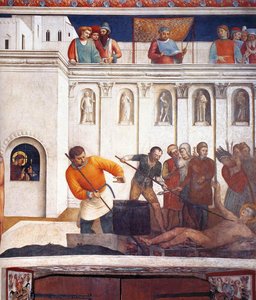
![Legend Of St Francis - [23] - St Francis Mourned By St Clare — Đijoto Di Bondone, Gothic](/media/artworks/images-thumb/17/1c/171c284c41dc3ef8bca83e51c1e1e531.jpg)
![Legend Of St Francis - [21] - Apparition To Fra Agostino And To Bishop Guido Of Arezzo — Đijoto Di Bondone, Proto-renaissance](/media/artworks/images-thumb/8a/06/8a0632ef03ba49f12919faa78718a88b.jpg)
Biografija umetnika
Giovanni Baronzio: A Rimini Master of the Fourteenth Century
The name Giovanni Baronzio, often rendered as Giovanni da Rimini, represents a pivotal figure in the artistic landscape of late medieval Italy – specifically, the burgeoning school of painting centered around the city of Rimini. While shrouded in some historical ambiguity, and initially misidentified with other artists, modern scholarship has firmly established Baronzio as a distinct and remarkably talented painter active during the second quarter of the 14th century. His legacy lies not in grand, monumental works, but rather in a series of exquisitely detailed panels and frescoes that offer a compelling glimpse into the evolving artistic traditions of Romagna and Marche – regions deeply influenced by the innovations of Giotto di Bondone.
Born around 1320 (though his precise birthdate remains elusive), Baronzio’s early life is largely undocumented. What we know with certainty is that he emerged as a painter during a period of intense artistic ferment, inheriting and adapting the stylistic principles of Giotto while simultaneously forging his own unique visual language. The documentary evidence pointing to him as an artist comes primarily from a deed dated 1343, which identifies “Iohanne Baroncio pictore” – John Baronzio, painter – as a witness. This single record provides the foundation for understanding his career and artistic identity.
The Influence of Giotto and the Rimini School
Baronzio’s work is inextricably linked to the legacy of Giotto di Bondone, who had established a workshop in Rimini around 1300. Giotto's influence on the Riminese school was profound, shaping its approach to composition, color, and figural representation. Baronzio, like his contemporaries Giuliano, Pietro, and Giovanni da Rimini, absorbed these principles, yet he didn’t simply replicate them; instead, he skillfully integrated them into a distinctly local style. This involved a careful attention to detail, a refined use of color palettes – often employing muted earth tones and delicate blues and greens – and an emphasis on creating a sense of depth and realism within the confines of panel painting.
The “polyptych representing the Madonna and Child Enthroned with Saints” (now in the Galleria Nazionale delle Marche, Palazzo Ducale, Urbino) stands as the cornerstone of our understanding of Baronzio’s oeuvre. This monumental work, dating from around 1340-45, showcases his technical skill and artistic sensibility. It also provides a crucial starting point for reconstructing his broader body of work, which includes scenes from the life of Christ, devotional panels, and likely numerous altarpieces that have unfortunately vanished or remain unattributed.
Key Works and Artistic Techniques
Among Baronzio’s most celebrated works are the “Scenes from the Life of Christ” (circa 1345), now housed in the Metropolitan Museum of Art in New York. These panels, originally part of a diptych, demonstrate his ability to capture dramatic moments and convey profound emotion through carefully rendered figures and evocative compositions. The use of light and shadow is particularly noteworthy, creating a sense of volume and realism that was characteristic of Giotto’s style.
Baronzio's artistic approach can be characterized by several key features: meticulous attention to detail, a refined chromatic sensibility, and an adherence to established Riminese iconography. He skillfully employed decorative patterns and intricate details – a hallmark of the local school’s tradition – while simultaneously demonstrating a remarkable command of perspective and spatial relationships. His work is not overly stylized or manneristic; rather, it possesses a quiet dignity and understated elegance.
Legacy and Historical Significance
Giovanni Baronzio's contribution to the artistic heritage of Romagna and Marche is significant, though often overshadowed by the more prominent figures of Giotto and his immediate disciples. He represents a crucial link in the chain of artistic transmission, preserving and developing the stylistic innovations of the early 14th century. His work provides valuable insights into the evolving artistic practices of the period and demonstrates the enduring influence of Giotto’s legacy on the region's painting traditions.
Despite the scarcity of surviving works, Baronzio’s art continues to fascinate scholars and art enthusiasts alike. His meticulous attention to detail, his refined use of color, and his skillful integration of established iconography make him a compelling figure in the history of Italian Renaissance painting – a master whose quiet brilliance deserves renewed recognition.
giovanni baronzio
1362
Kratke činjenice
- Artistic Movement Or Style: Riminese School
- Artists Or Movements Influenced By This Artist: ['Giotto']
- Artists Who Influenced This Artist: ['Giotto']
- Date Of Death: 1362
- Full Name: Giovanni Baronzio
- Nationality: Italian
- Notable Artworks:
- Madonna and Child Enthroned
- Scenes from Christ Life
- Place Of Birth: Rimini, Italy

