

 Pregledaj u prostoru
 Pošalji
 Podeli
 Detalji o delu

 Преузми
 Slični predmeti
 Rendgenski snimak
 Slajdovi
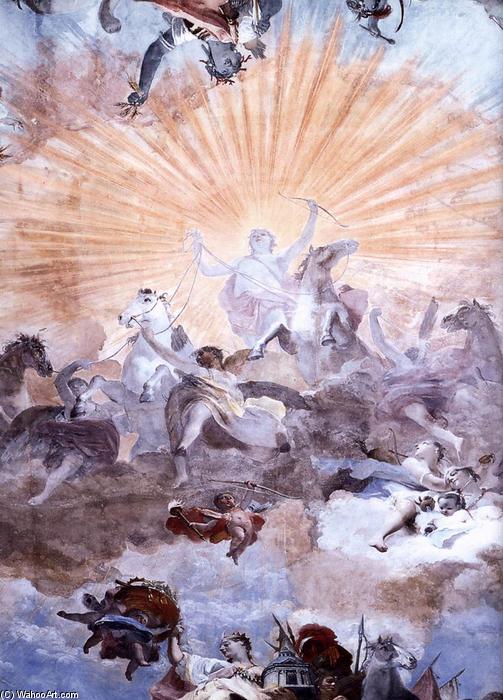
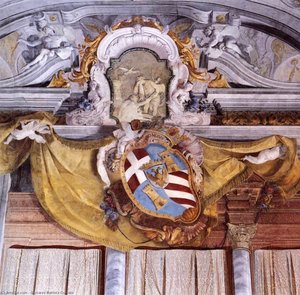
Apollo's Carriage


 Pročitaj više
Kupite digitalnu sliku visoke rezolucije i poboljšanog kvaliteta, koja je znatno superiornija od onoga što vidite u online prikazu.
Svaka datoteka je pedantno pripremljena od strane naših stručnjaka koristeći napredne alate i profesionalnu ručnu retušu. Osiguravamo da svaka slika ima izuzetnu oštrinu, preciznu reprodukciju boja i fine detalje.
Konačna datoteka se dostavlja putem e-pošte u roku od 72 sata, optimizovana za neposrednu upotrebu u profesionalnim, izdavačkim i štamparskim okruženjima. To je isti kvalitet kojem veruju vrhunski studiji dizajna, izdavači i galerije.
Digitalna slika
Preuzmite datoteku visoke rezolucije za ličnu upotrebu, štampanje i kreativne projekte. ( Kupi print Kupi ručno naslikanu sliku)
Uključeno uz svaku porudžbinu digitalne slike
Profesionalna digitalna isporuka, zagarantovana
Kada odaberete ArtsDot.com, ne dobijate samo sliku – vi primate profesionalno unapređeno digitalno umetničko delo, izrađeno sa najvećom preciznošću i uz garanciju zadovoljstva. Evo svega što automatski dolazi uz vašu porudžbinu:

Brza dostava putem e-pošte
Vaša digitalna slika visoke rezolucije biće vam poslata putem e-pošte u roku od 72 sata od poručivanja – spremna za trenutnu upotrebu.

Digitalna datoteka unapređena veštačkom inteligencijom
Vaše umetničko delo je profesionalno optimizovano korišćenjem naprednih AI alata i ručne obrade, čime se osiguravaju maksimalni detalji, oštrina i preciznost boja.

Besplatna ponovna isporuka doživotno
Slučajno ste obrisali ili izgubili svoju datoteku? Ne brinite – poslaćemo vam je ponovo u bilo kom trenutku, potpuno besplatno.

Bez troškova uvoza – zauvek
Uživajte u svojim umetničkim delima trenutno, bez carine, dažbina ili troškova dostave – digitalni download je uvek bez poreza.

Garancija vernosti boja
Uz pomoć profesionalnih alata i upravljanja bojama, osiguravamo da vaša digitalna slika što vernije odražava originalne boje.

Garancija zadovoljstva od 100 dana
Ako niste zadovoljni svojom digitalnom slikom, izvršićemo reviziju ili ćemo vam vratiti 100% novca u roku od 100 dana – bez ikakvih pitanja.

100% garancija povrata novca
Niste zadovoljni? Dobijte puni povraćaj novca u roku od 100 dana od prijema digitalne datoteke – bez suvišnih pitanja.

Popusti na velike porudžbine
Kupite 3 slike, uštedite 10% - Kupite 5 slika, uštedite 15% - Kupite 10+ slika, uštedite 20%. Odlično za kreativne projekte, galerije i agencije.
Srodna umetnička dela



Biografija umetnika
The Venetian Master of Light and Grandeur
Giovanni Battista Crosato stands as a pivotal figure in the late Baroque and Rococo artistic landscape, a painter whose brush captured the very essence of Venetian elegance amidst an era of monumental grandeur. Born in Venice in 1686, his life was deeply intertwined with the pulse of Italian art. He was raised within a family steeped in creative tradition, receiving early mentorship from his uncle, the respected painter Francesco Pittoni. This formative connection provided Crosato with a profound understanding of Baroque painting techniques, instilling in him an appreciation for both the heavy formalism of the past and the intricate ornamentation that would later define his mature style. His early training was further enriched by the influences of masters such as Ricci and Amigoni, through which he infused his work with a unique vein of animated Emilian solidity.
As his career unfolded, Crosato demonstrated a remarkable ability to navigate and transform the shifting aesthetic tides of the eighteenth century. Around 1720, he underwent a significant stylistic evolution, moving away from the rigid structures of the Baroque toward the airy lightness, pastel hues, and whimsical grace characteristic of the Rococo movement. This was not merely a pursuit of fashion but a profound reimagative of artistic expression that mirrored the broader cultural metamorphosis occurring in Venice. His talent for quadratura—the art of creating illusionistic architectural perspectives—allowed him to expand the boundaries of physical space, making ceilings appear to open into the heavens and walls dissolve into infinite vistas.
A Journey Through Palaces and Cathedrals
Crosato’s professional journey was marked by a dynamic movement between the vibrant art centers of Venice and Turin. In the early 1730s, his reputation as a gifted stage designer led him to Turin, where he worked for the Teatro Regio. This period of theatrical engagement deeply informed his painterly approach; the luminous close-ups and lively palettes seen in his later works often recall the dramatic flair of theatre costumes. His talent caught the eye of the great architect Filippo Juvarra, who recruited him to decorate the magnificent Savoy residences, including the breathtaking frescoes within the Palazzina of Stupinigi. The brilliance of his work in these royal settings, characterized by a dazzling display of light and color, solidified his status as a premier decorator of the European aristocracy.
Upon returning to Venice in 1736, Crosato became an integral part of the city's artistic fabric, joining the prestigious Fraglia dei Pittori Veneziani. His hands touched some of the most sacred and secular spaces in the region, from the churches of Santa Maria dei Servi and San Moisè to the opulent Ca' Pesaro. His later years were spent creating spectacular ceiling decorations, such as the triumph of Juno in the Palazzo da Moston and the legendary ballroom of Ca’ Rezzonico. In the latter, his depiction of the Chariot of Apollo, with its radiant orange rays, remains a testament to his ability to command light and evoke awe.
Legacy and Institutional Influence
Beyond the canvas, Crosato was a cornerstone of the institutional development of Italian art. His commitment to the Venetian artistic community was evidenced by his leadership roles within the Collegio dei Pittori and his election to the Accademia Clementina of Bologna. Perhaps his most enduring contribution to the history of art was his instrumental role in establishing the Veneto Pubblica Accademia di Pittura, Scultura e Architettura. Working alongside luminaries such as Tiepolo, he helped create a foundation for future generations of artists, eventually serving as the academy's president.
The significance of Giovanni Battista Crosato lies in his ability to bridge two eras. He took the structural strength of the Baroque and infused it with the delicate, emotive spirit of the Rococo, creating a visual language that was both powerful and profoundly graceful. His life’s work remains a luminous window into an age of splendor, reminding us of a time when art sought to transform the earthly into the divine through the sheer mastery of light, color, and perspective.
Giovanni Battista Crosato
2007 - 1770 , Italy
Kratke činjenice
- Artistic Movement Or Style: Rococo
- Artists Who Influenced This Artist:
- Antonio Balestra
- Francesco Pittoni
- Date Of Birth: 1686
- Date Of Death: July 15, 1758
- Full Name: Giovanni Battista Crosato
- Nationality: Italian
- Notable Artworks:
- The Finding of Moses
- Apollo's Carriage
- Place Of Birth: Venice, Italy