

 Pregledaj u prostoru
 Pošalji
 Podeli
 Detalji o delu

 Преузми
 Slični predmeti
 Rendgenski snimak
 Slajdovi
 Stats
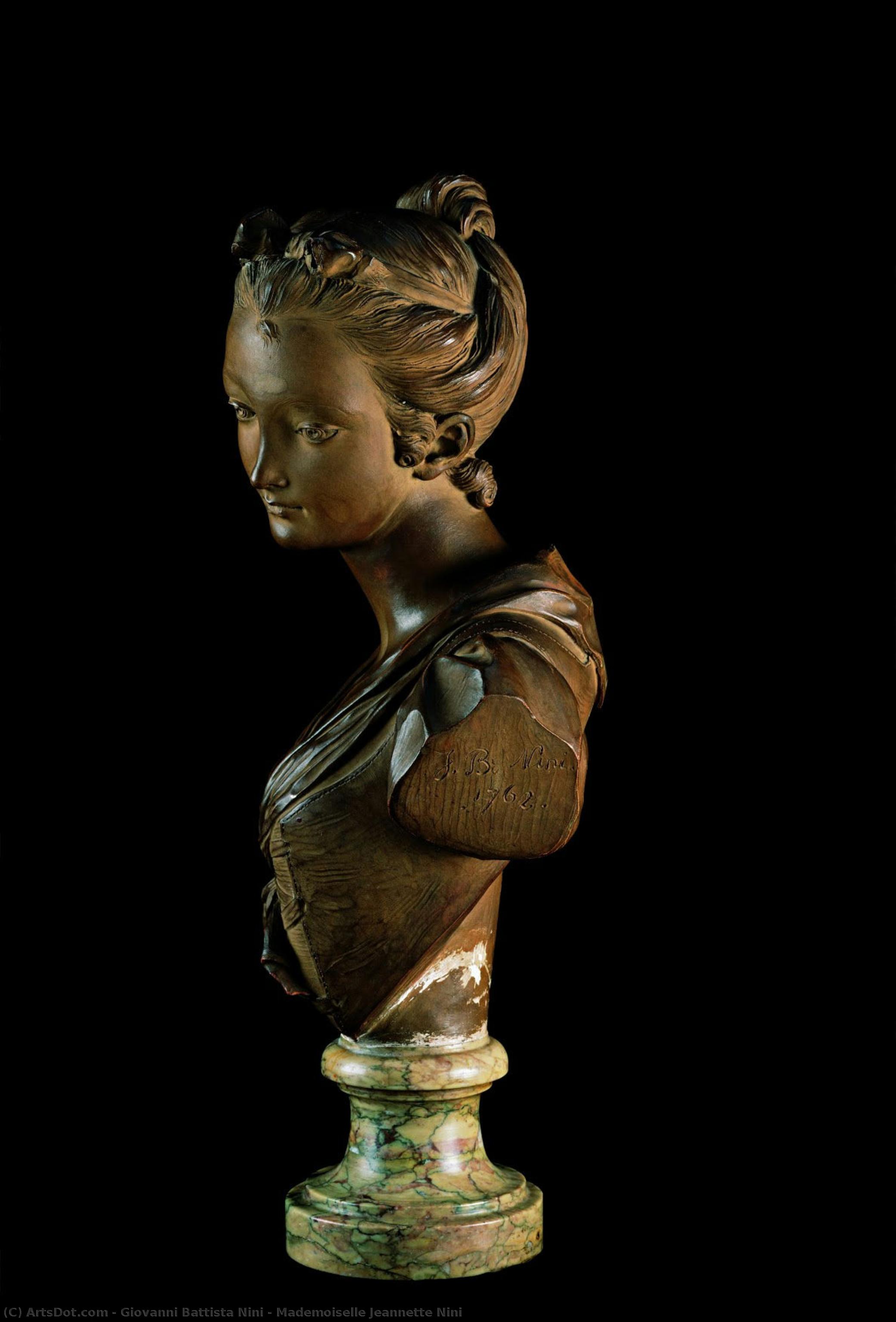
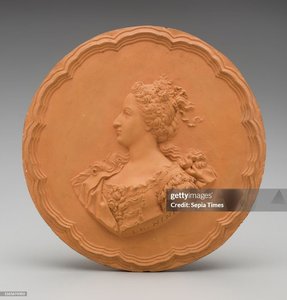
StatsMademoiselle Jeannette Nini


 Pročitaj više
Kupite digitalnu sliku visoke rezolucije i poboljšanog kvaliteta, koja je znatno superiornija od onoga što vidite u online prikazu.
Svaka datoteka je pedantno pripremljena od strane naših stručnjaka koristeći napredne alate i profesionalnu ručnu retušu. Osiguravamo da svaka slika ima izuzetnu oštrinu, preciznu reprodukciju boja i fine detalje.
Konačna datoteka se dostavlja putem e-pošte u roku od 72 sata, optimizovana za neposrednu upotrebu u profesionalnim, izdavačkim i štamparskim okruženjima. To je isti kvalitet kojem veruju vrhunski studiji dizajna, izdavači i galerije.
Digitalna slika
Preuzmite datoteku visoke rezolucije za ličnu upotrebu, štampanje i kreativne projekte. ( Switch to Print Kupi ručno naslikanu sliku)
Uključeno uz svaku porudžbinu digitalne slike
Profesionalna digitalna isporuka, zagarantovana
Kada odaberete ArtsDot.com, ne dobijate samo sliku – vi primate profesionalno unapređeno digitalno umetničko delo, izrađeno sa najvećom preciznošću i uz garanciju zadovoljstva. Evo svega što automatski dolazi uz vašu porudžbinu:

Brza dostava putem e-pošte
Vaša digitalna slika visoke rezolucije biće vam poslata putem e-pošte u roku od 72 sata od poručivanja – spremna za trenutnu upotrebu.

Digitalna datoteka unapređena veštačkom inteligencijom
Vaše umetničko delo je profesionalno optimizovano korišćenjem naprednih AI alata i ručne obrade, čime se osiguravaju maksimalni detalji, oštrina i preciznost boja.

Besplatna ponovna isporuka doživotno
Slučajno ste obrisali ili izgubili svoju datoteku? Ne brinite – poslaćemo vam je ponovo u bilo kom trenutku, potpuno besplatno.

Bez troškova uvoza – zauvek
Uživajte u svojim umetničkim delima trenutno, bez carine, dažbina ili troškova dostave – digitalni download je uvek bez poreza.

Garancija vernosti boja
Uz pomoć profesionalnih alata i upravljanja bojama, osiguravamo da vaša digitalna slika što vernije odražava originalne boje.

Garancija zadovoljstva od 100 dana
Ako niste zadovoljni svojom digitalnom slikom, izvršićemo reviziju ili ćemo vam vratiti 100% novca u roku od 100 dana – bez ikakvih pitanja.

100% garancija povrata novca
Niste zadovoljni? Dobijte puni povraćaj novca u roku od 100 dana od prijema digitalne datoteke – bez suvišnih pitanja.

Popusti na velike porudžbine
Kupite 3 slike, uštedite 10% - Kupite 5 slika, uštedite 15% - Kupite 10+ slika, uštedite 20%. Odlično za kreativne projekte, galerije i agencije.
Srodna umetnička dela







Biografija umetnika
Maria Sibylla Merian: A Pioneer of Observation and Artistic Natural History
Maria Sibylla Merian (1647-1717) wasn’t merely an artist; she was a revolutionary observer, a meticulous naturalist, and a remarkably independent woman who challenged the conventions of her time. Her legacy rests not just on the exquisite beauty of her botanical and entomological illustrations but on her groundbreaking approach to scientific study – one rooted in direct observation and intimate understanding of the natural world. Born into a family of renowned printmakers in Frankfurt, Germany, Merian’s artistic lineage provided a foundation for her extraordinary career, yet it was her own insatiable curiosity and unwavering dedication that truly set her apart.
Her early life was steeped in the traditions of the printing trade, but also marked by a burgeoning passion for the natural world. She began her artistic training at the age of eleven, under the tutelage of Jacob Marrel, a skilled still-life painter who recognized and nurtured her talent. Crucially, Marrel encouraged her to move beyond mere imitation, urging her to study insects directly – a radical departure from the prevailing practice of relying on preserved specimens and secondhand accounts. This early emphasis on direct observation would become the cornerstone of Merian’s approach to art and science. She meticulously documented her observations in journals, raising silkworms herself, and developing an acute understanding of insect life cycles—a pursuit considered unusual for a woman of that era.
A Journey to Suriname: Unveiling Tropical Wonders
In 1699, at the age of fifty-two, Merian embarked on a daring and unprecedented expedition to Dutch Guiana (modern-day Suriname), accompanied by her younger daughter Dorothea. This journey, financed entirely by her own resources – a remarkable feat for a woman of her time – was driven by a profound desire to study insects in their natural habitats. She wasn’t simply documenting; she was immersing herself in the vibrant ecosystem, meticulously observing and recording the behaviors, diets, and life cycles of countless species. This was not a mere collecting trip; it was an intensive scientific investigation, fueled by her own curiosity and artistic vision.
The two years she spent in Suriname were transformative. She faced considerable hardship – including illness from malaria – but persevered, creating a vast collection of drawings and watercolors that captured the astonishing diversity of the region’s flora and fauna. Her magnum opus, *Metamorphosis Insectorum Surinamensium* (1705), was a monumental achievement—a lavishly illustrated volume showcasing the complete life cycles of butterflies, moths, beetles, and other insects alongside detailed depictions of plants and animals. The book wasn’t just a scientific treatise; it was a work of art, imbued with Merian's meticulous observation, artistic skill, and a deep appreciation for the beauty and complexity of nature. It challenged existing theories about spontaneous generation, arguing convincingly that insects developed from eggs and larvae—a revolutionary concept at the time.
Artistic Technique and Scientific Detail
Merian’s illustrations are remarkable not only for their beauty but also for their scientific accuracy. She employed a unique technique of watercolor on vellum (prepared animal skin), which allowed her to capture subtle color variations and delicate details with exceptional precision. Unlike many contemporary naturalists who relied on engravings, Merian worked directly from life, meticulously rendering each insect and plant in its true form. Her illustrations are characterized by their vibrant colors, dynamic compositions, and a remarkable attention to detail—from the intricate patterns of butterfly wings to the textures of leaves and flowers.
Furthermore, she went beyond mere depiction, incorporating detailed observations about insect behavior, diet, and habitat into her text. She noted what plants insects fed on, where they built their nests, and how they interacted with their environment. This combination of artistic skill and scientific rigor established Merian as a pioneer in the field of natural history illustration—a model for future generations of scientists and artists.
Legacy and Influence
Despite facing significant challenges as a woman pursuing scientific endeavors in a male-dominated world, Maria Sibylla Merian left an indelible mark on the history of science and art. *Metamorphosis Insectorum Surinamensium* was not only the first book dedicated to Suriname but also one of the earliest illustrated works documenting insect metamorphosis—a pivotal contribution to entomology. Her work influenced subsequent naturalists, including Carl Linnaeus, who used her illustrations in his taxonomic classifications.
Today, Merian’s legacy is celebrated through exhibitions and publications that highlight her pioneering spirit, artistic skill, and scientific contributions. Her story serves as an inspiration to artists, scientists, and anyone who dares to challenge conventions and pursue their passions with unwavering dedication. The British Museum holds two large volumes of her brightly colored watercolours on vellum—a testament to the enduring power of her vision.
giovanni battista nini
1717 - 1786 , Italy
Kratke činjenice
- Artistic Movement Or Style: Botanical illustration
- Artists Or Movements Influenced By This Artist: ['Carl Linnaeus']
- Artists Who Influenced This Artist: ['Jacob Marrel']
- Date Of Birth: April 2, 1647
- Date Of Death: January 13, 1717
- Full Name: Maria Sibylla Merian
- Nationality: German
- Notable Artworks: ['Metamorphosis insectorum Surinamensium']
- Place Of Birth: Frankfurt, Germany