

 Pošalji
 Podeli
 Detalji o delu

 Преузми
 Slični predmeti
 Slajdovi
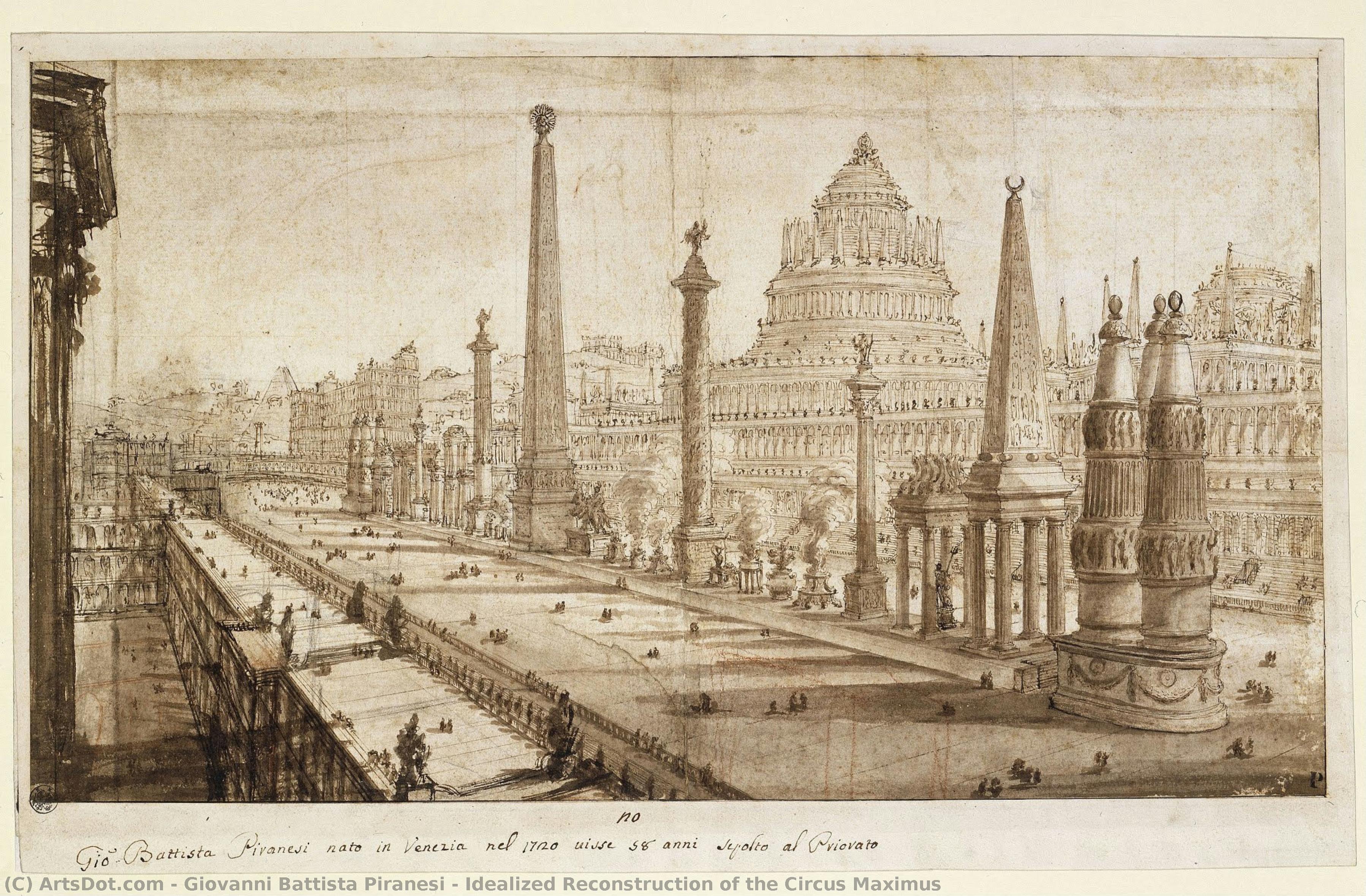
Idealized Reconstruction of the Circus Maximus
 Giclée Print
- Digital
- Rococo Romanticism
 46.0 x 26.0 cm
 Kupferstichkabinett
 Pročitaj više
Kupite digitalnu sliku visoke rezolucije i poboljšanog kvaliteta, koja je znatno superiornija od onoga što vidite u online prikazu.
Svaka datoteka je pedantno pripremljena od strane naših stručnjaka koristeći napredne alate i profesionalnu ručnu retušu. Osiguravamo da svaka slika ima izuzetnu oštrinu, preciznu reprodukciju boja i fine detalje.
Konačna datoteka se dostavlja putem e-pošte u roku od 72 sata, optimizovana za neposrednu upotrebu u profesionalnim, izdavačkim i štamparskim okruženjima. To je isti kvalitet kojem veruju vrhunski studiji dizajna, izdavači i galerije.
Digitalna slika
Preuzmite datoteku visoke rezolucije za ličnu upotrebu, štampanje i kreativne projekte. ( Kupi print Kupi ručno naslikanu sliku)
Uključeno uz svaku porudžbinu digitalne slike
Profesionalna digitalna isporuka, zagarantovana
Kada odaberete ArtsDot.com, ne dobijate samo sliku – vi primate profesionalno unapređeno digitalno umetničko delo, izrađeno sa najvećom preciznošću i uz garanciju zadovoljstva. Evo svega što automatski dolazi uz vašu porudžbinu:

Brza dostava putem e-pošte
Vaša digitalna slika visoke rezolucije biće vam poslata putem e-pošte u roku od 72 sata od poručivanja – spremna za trenutnu upotrebu.

Digitalna datoteka unapređena veštačkom inteligencijom
Vaše umetničko delo je profesionalno optimizovano korišćenjem naprednih AI alata i ručne obrade, čime se osiguravaju maksimalni detalji, oštrina i preciznost boja.

Besplatna ponovna isporuka doživotno
Slučajno ste obrisali ili izgubili svoju datoteku? Ne brinite – poslaćemo vam je ponovo u bilo kom trenutku, potpuno besplatno.

Bez troškova uvoza – zauvek
Uživajte u svojim umetničkim delima trenutno, bez carine, dažbina ili troškova dostave – digitalni download je uvek bez poreza.

Garancija vernosti boja
Uz pomoć profesionalnih alata i upravljanja bojama, osiguravamo da vaša digitalna slika što vernije odražava originalne boje.

Garancija zadovoljstva u roku od 60 dana
Ako niste zadovoljni svojom digitalnom slikom, revidirat ćemo je ili vratiti 100% novca u roku od 60 dana – bez ikakvih pitanja.

100% garancija povrata novca
Niste zadovoljni? Obezbedite pun povrat novca u roku od 60 dana od trenutka kada ste primili svoju digitalnu datoteku – bez suvišnih pitanja.

Popusti na velike porudžbine
Kupite 3 slike, uštedite 10% - Kupite 5 slika, uštedite 15% - Kupite 10+ slika, uštedite 20%. Odlično za kreativne projekte, galerije i agencije.
A Vision of Ancient Rome: Piranesi's Circus Maximus
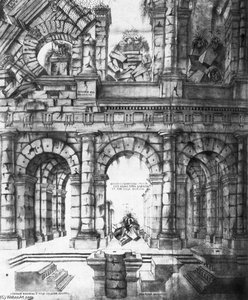
Giovanni Battista Piranesi’s “Idealized Reconstruction of the Circus Maximus” isn’t merely a drawing; it’s a portal. A meticulously rendered, almost hallucinatory glimpse into the heart of ancient Rome as imagined through the lens of a 18th-century antiquarian and artist. Born in 1720 near Venice, Piranesi possessed an unparalleled ability to breathe life back into the ruins that dotted Italy – not simply documenting them, but transforming them into evocative landscapes brimming with psychological depth and a profound sense of loss for a vanished empire. This particular piece, created around 1756, stands as a testament to his unique vision, a complex layering of historical reference, artistic license, and a deeply felt connection to the past.
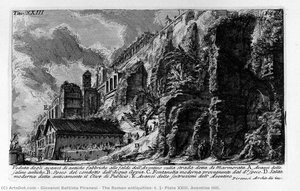
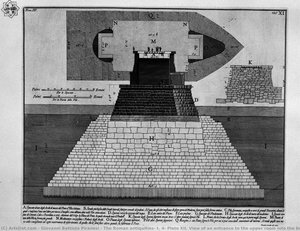
The drawing itself is dominated by the colossal scale of the Circus Maximus – an arena that once throbbed with the energy of chariot races, gladiatorial combat, and public spectacles. Piranesi doesn’t offer a straightforward depiction; instead, he constructs a layered reality. The foreground explodes with detail: meticulously rendered triumphal columns, censers overflowing with fragrant spices, obelisks standing proud against the sky, and sculptures – fragments of gods and heroes – adorning the *spina*, the central dividing line of the arena. These aren’t simply decorative elements; they are carefully chosen echoes of 16th-century antiquarians like Pirro Ligorio and Onofrio Panvinio, whose meticulous reconstructions of Roman ruins served as templates for artists and architects of the time.
The Architect's Dream: Technique and Historical Context
Piranesi’s technique is both precise and deliberately fantastical. He employs a masterful understanding of perspective – evident in the receding lines of the arena and the dramatic foreshortening of figures – yet simultaneously introduces elements that defy realistic representation. The addition of numerous monuments to the foreground, seemingly plucked from various historical periods and locations, creates a sense of temporal confusion, suggesting a world unbound by linear time. This wasn’t an attempt at strict accuracy; rather, it was a deliberate exploration of how the past could be re-imagined and presented to a contemporary audience.
The drawing's genesis lies within the burgeoning field of archaeology during the 18th century. Rome, having been ravaged by war and neglect, was undergoing a renewed period of excavation, revealing an astonishing wealth of ancient ruins. Piranesi, deeply immersed in this process, became fascinated with reconstructing these lost spaces – not as static monuments, but as living landscapes imbued with historical significance. His work reflects the intellectual currents of his time, a fascination with classical antiquity combined with a burgeoning interest in the power of imagination and the role of art in shaping our understanding of the past.
Symbolism and Emotional Resonance
Beyond its technical brilliance, “Idealized Reconstruction of the Circus Maximus” is profoundly evocative. The drawing speaks to themes of grandeur, decay, and the enduring legacy of Rome. The imposing scale of the arena evokes a sense of awe and power, while the scattered fragments of sculptures hint at the impermanence of human achievement. The inclusion of numerous figures – both Roman citizens and contemporary observers – suggests a continuous dialogue between past and present, highlighting the cyclical nature of history.
Piranesi’s choice to add these extra monuments is particularly significant. They aren't simply decorative; they represent an attempt to impose order onto chaos, to create a coherent narrative from fragmented remains. This act of reconstruction itself becomes a symbol of humanity’s enduring desire to understand and control the world around us – a desire that continues to resonate powerfully today.
A Timeless Masterpiece: Reproduction and Display
Reproductions of “Idealized Reconstruction of the Circus Maximus” offer a remarkable opportunity to bring this extraordinary artwork into your home or office. Printed on high-quality archival paper, these reproductions capture the intricate details and atmospheric depth of Piranesi’s original drawing with stunning clarity. Consider framing it in a classic wooden frame to complement its historical context, or opt for a minimalist display to allow the image to speak for itself. This piece is more than just decoration; it's an invitation to contemplate the complexities of history, the power of imagination, and the enduring beauty of ancient Rome.
Srodna umetnička dela

Biografija umetnika
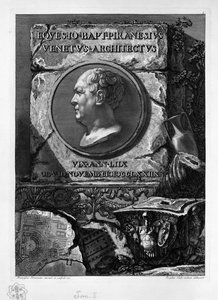
Giovanni Battista Piranesi (1720–1778): A Visionary of Ruins
Giovanni Battista Piranesi, born in Mogliano Veneto in 1720, wasn't merely an artist; he was a true innovator—a sculptor of imagination who reshaped our understanding of Rome and its ancient past. His life coincided with the golden age of archaeological discovery, when scholars and artists alike eagerly sought to revive the glories of antiquity. But Piranesi refused to passively observe this revival; instead, he actively participated in it, transforming ruins into breathtaking landscapes that pulsed with an unsettling beauty—a testament to his profound psychological insight.
Early Life and Training
The son of a stonemason, Piranesi possessed an innate fascination for the physicality of building from a young age. This formative experience instilled in him a meticulous attention to detail and a deep appreciation for architectural form—skills that would prove invaluable throughout his artistic career. He received instruction from his uncle, Matteo Lucchesi, who was a leading architect in Venice’s *Magistrato alle Acque*, the state organization responsible for engineering and restoring historical buildings. This grounding in practical design complemented Piranesi's burgeoning intellectual curiosity.
Rome and Giuseppe Vasi: The Crucible of Artistic Vision
At the age of 20, Piranesi moved to Rome, where he established professional connections with Marco Foscarini—the Venetian ambassador to the Papacy—and Giuseppe Vasi, a celebrated printmaker who would become his mentor. Vasi recognized Piranesi’s exceptional talent and encouraged him to pursue etching as a medium—a decision that would ultimately define Piranesi's artistic legacy. Under Vasi’s guidance, Piranesi honed his technique, mastering the art of chiaroscuro—the dramatic interplay between light and shadow—and experimenting with innovative printing processes.
The Carceri d'Invenzione: Imaginary Prisons as Psychological Landscapes
Piranesi’s magnum opus is undoubtedly the series of etchings known as the Carceri d'Invenzione (Imaginary Prisons), created between 1745 and 1761. These aren’t representations of actual prisons—but rather fantastical labyrinths—colossal staircases spiraling into darkness, towering arches framing endless vistas, shadowy vaults echoing with unseen presences. The scale is deliberately disorienting; human figures are dwarfed by the immense architecture, emphasizing a sense of isolation and powerlessness. Piranesi’s meticulous attention to detail—the precise rendering of stone textures, the subtle gradations of light—created an atmosphere of palpable unease. These prints weren't merely aesthetically impressive; they were explorations of psychological space—attempts to capture the anxieties and fears that lurked beneath the surface of consciousness.
Vedute: Reconstructing Roman Grandeur
Alongside his imaginative labyrinths, Piranesi produced a vast body of work documenting the real architecture of Rome—known as vedute (views). However, these weren’t straightforward topographical representations. They were carefully composed scenes that emphasized the monumentality and historical significance of ancient ruins. He meticulously researched and depicted Roman landmarks like the Forum, the Colosseum, and the Pantheon, often incorporating figures to provide a sense of scale and animation. Piranesi's approach to *vedute* reflected his belief that archaeology wasn’t simply about uncovering the past but also about interpreting and reimagining it—a conviction that cemented his place as one of the most influential architects and printmakers of his era.
Legacy and Influence
Giovanni Battista Piranesi died in Rome in 1778, leaving behind a legacy that continues to inspire artists and thinkers today. His influence can be seen in the works of Romantic painters like Turner and Doré—who embraced Piranesi’s dramatic use of perspective and chiaroscuro—and in contemporary filmmakers who utilize his imagery to evoke feelings of awe and disorientation. Piranesi's ability to transform ruins into landscapes of the imagination—to capture the sublime beauty of decay—remains a testament to his artistic genius and his profound understanding of human psychology.
Ђаво Battista Пирањези
1720 - 1778 , Италија
Kratke činjenice
- Artistic Movement Or Style: Neoclassicizam
- Artists Or Movements Influenced By This Artist:
- Romanticizam
- Surrealizam
- Artists Who Influenced This Artist:
- Giuseppe Vasi
- Matteo Lucchesi
- Date Of Birth: 1720
- Full Name: Giovanni Battista Piranesi
- Nationality: Italijan
- Notable Artworks:
- Carceri d'Invenzione
- Vedute di Roma
- Place Of Birth: Mogliano Veneto, Italija

