

 Pregledaj u prostoru
 Pošalji
 Podeli
 Detalji o delu

 Преузми
 Slični predmeti
 Rendgenski snimak
 Slajdovi
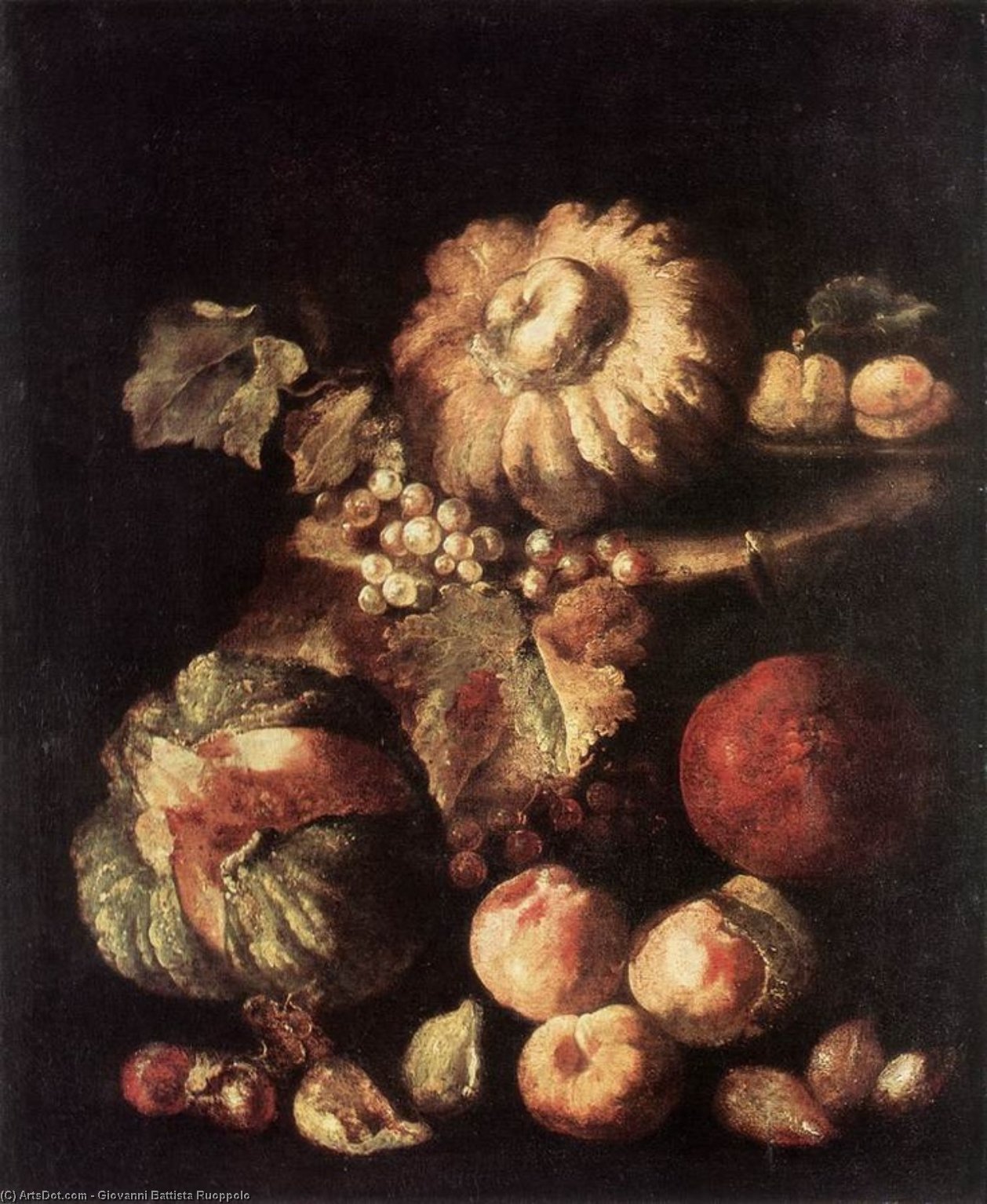
Fruit Still-Life
 Oil On Canvas
- WallArt
- Baroque
 Early Modern
 75.0 x 63.0 cm
 Gemäldegalerie Alte Meister
 Pročitaj više
Kupite digitalnu sliku visoke rezolucije i poboljšanog kvaliteta, koja je znatno superiornija od onoga što vidite u online prikazu.
Svaka datoteka je pedantno pripremljena od strane naših stručnjaka koristeći napredne alate i profesionalnu ručnu retušu. Osiguravamo da svaka slika ima izuzetnu oštrinu, preciznu reprodukciju boja i fine detalje.
Konačna datoteka se dostavlja putem e-pošte u roku od 72 sata, optimizovana za neposrednu upotrebu u profesionalnim, izdavačkim i štamparskim okruženjima. To je isti kvalitet kojem veruju vrhunski studiji dizajna, izdavači i galerije.
Digitalna slika
Preuzmite datoteku visoke rezolucije za ličnu upotrebu, štampanje i kreativne projekte. ( Kupi print Kupi ručno naslikanu sliku)
Uključeno uz svaku porudžbinu digitalne slike
Profesionalna digitalna isporuka, zagarantovana
Kada odaberete ArtsDot.com, ne dobijate samo sliku – vi primate profesionalno unapređeno digitalno umetničko delo, izrađeno sa najvećom preciznošću i uz garanciju zadovoljstva. Evo svega što automatski dolazi uz vašu porudžbinu:

Brza dostava putem e-pošte
Vaša digitalna slika visoke rezolucije biće vam poslata putem e-pošte u roku od 72 sata od poručivanja – spremna za trenutnu upotrebu.

Digitalna datoteka unapređena veštačkom inteligencijom
Vaše umetničko delo je profesionalno optimizovano korišćenjem naprednih AI alata i ručne obrade, čime se osiguravaju maksimalni detalji, oštrina i preciznost boja.

Besplatna ponovna isporuka doživotno
Slučajno ste obrisali ili izgubili svoju datoteku? Ne brinite – poslaćemo vam je ponovo u bilo kom trenutku, potpuno besplatno.

Bez troškova uvoza – zauvek
Uživajte u svojim umetničkim delima trenutno, bez carine, dažbina ili troškova dostave – digitalni download je uvek bez poreza.

Garancija vernosti boja
Uz pomoć profesionalnih alata i upravljanja bojama, osiguravamo da vaša digitalna slika što vernije odražava originalne boje.

Garancija zadovoljstva u roku od 60 dana
Ako niste zadovoljni svojom digitalnom slikom, revidirat ćemo je ili vratiti 100% novca u roku od 60 dana – bez ikakvih pitanja.

100% garancija povrata novca
Niste zadovoljni? Obezbedite pun povrat novca u roku od 60 dana od trenutka kada ste primili svoju digitalnu datoteku – bez suvišnih pitanja.

Popusti na velike porudžbine
Kupite 3 slike, uštedite 10% - Kupite 5 slika, uštedite 15% - Kupite 10+ slika, uštedite 20%. Odlično za kreativne projekte, galerije i agencije.
Opis kolekcionarskog dela
The Opulence of the Harvest: A Baroque Still Life
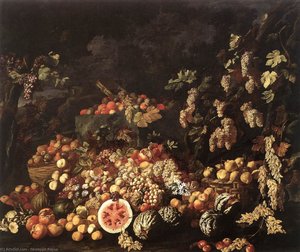
To gaze upon Giovanni Battista Ruoppolo's Fruit Still-Life is to step directly into the rich, dramatic heart of 17th-century Naples. This oil on canvas, a masterful study measuring 75 x 63 cm, does more than merely display fruit; it captures a moment of profound abundance, transforming a simple arrangement of nature’s bounty into an object of exquisite, almost palpable luxury. The composition is a dense tapestry of color and form, immediately drawing the eye to the magnificent centerpiece—a large, richly textured pumpkin—which anchors the entire scene. Surrounding this core are apples gleaming with ripeness, plump peaches blushing under unseen light, and clusters of grapes promising sweet indulgence.
Mastery in Light and Shadow: Technique and Detail
What elevates this work beyond mere representation is Ruoppolo's breathtaking technical command. The painting is a quintessential example of the Baroque obsession with drama, achieved most brilliantly through the technique of chiaroscuro. Notice how the light does not simply illuminate; it sculpts. It appears to stream from an unseen source above and to the left, carving deep pockets of shadow that lend incredible depth and three-dimensionality to every curve and fold. The artist’s handling of texture is nothing short of miraculous. One can almost feel the waxy smoothness of a peach skin or the taut, dusty surface of a hazelnut shell. This meticulous rendering, achieved through expert layering and glazing of oil paints, gives the entire still life a startling realism that speaks to the highest levels of Neapolitan craftsmanship.
A Reflection of Baroque Life and Symbolism
Historically rooted in the vibrant artistic currents of the 17th century, this piece embodies the period's fascination with material wealth and natural cycles. In the language of art, such still lifes were rarely just about pretty objects; they were coded narratives. The overflowing bounty suggests themes of fertility and prosperity—a celebration of a successful harvest. The inclusion of nuts alongside ripe fruit often served as subtle memento mori elements, reminding the viewer of life's fleeting nature while simultaneously celebrating its peak moments of glory. It is an opulent meditation on both the ephemeral beauty of life and the enduring richness of earthly pleasures.
Bringing Baroque Grandeur Home
For the collector or designer seeking to infuse a space with historical gravitas and artistic depth, this reproduction offers unparalleled character. The dramatic tension inherent in Ruoppolo's handling of light ensures that the piece will serve as an immediate focal point, lending an air of cultivated drama to any room. It is not merely decoration; it is a conversation starter, inviting contemplation on art history, natural cycles, and the enduring power of skilled human hands. Owning this work allows one to possess a tangible echo of Baroque splendor.
Srodna umetnička dela
Biografija umetnika
A Neapolitan Luminary: The Life and Art of Giovanni Battista Ruoppolo
Giovanni Battista Ruoppolo emerged from the vibrant artistic milieu of 17th-century Naples, a city brimming with dramatic energy and a burgeoning Baroque sensibility. Born in 1629, his career unfolded during a period where realism was not merely sought but celebrated—a direct response to the theatrical grandeur that swept across Europe. Ruoppolo wasn’t simply *in* this world; he helped define it, becoming a pivotal figure in establishing Naples as a significant center for still life painting. His journey began under the tutelage of Paolo Porpora, a leading master of naturalistic detail, whose studio served as a crucible for a distinctive Neapolitan style. Alongside Ruoppolo, other talented artists like Giuseppe Recco and his brother, Giuseppe Ruoppolo, honed their skills within Porpora’s workshop, forming a formidable school dedicated to the meticulous rendering of the tangible world. This early training instilled in Ruoppolo not just technical proficiency but also an appreciation for the subtle nuances of light, texture, and form—elements that would become hallmarks of his mature work.The Allure of the Everyday: Ruoppolo’s Artistic Development
Ruoppolo specialized almost exclusively in still life paintings, a genre often underestimated yet demanding immense skill. He didn't merely *depict* fruit, flowers, vegetables, or even the occasional animal; he elevated them to subjects worthy of profound artistic attention. His canvases are characterized by an astonishing level of detail—each peach fuzz, each dewdrop on a leaf rendered with painstaking accuracy. But Ruoppolo’s artistry extended beyond mere imitation. He possessed a masterful command of color, employing rich, vibrant hues that brought his compositions to life. Perhaps most importantly, he understood the power of chiaroscuro, the dramatic interplay between light and shadow—a technique deeply influenced by Caravaggio, whose impact resonated throughout Italian art during this period. This use of light wasn’t simply aesthetic; it imbued his still lifes with a sense of drama, depth, and almost tangible presence. He arranged his subjects in dynamic groupings, creating visually compelling scenes that celebrated the abundance of nature while hinting at its fleeting beauty. The luxurious textures he achieved—the smooth skin of a plum, the delicate petals of a rose—testify to his exceptional technical prowess.Echoes and Innovations: Influences and Contemporaries
While Paolo Porpora provided the foundational training, the shadow of Caravaggio looms large over Ruoppolo’s work. The dramatic lighting and intense realism are clear echoes of the master's influence. However, Ruoppolo wasn’t simply a follower; he synthesized these influences with his own unique sensibility. He worked alongside contemporaries like Salvatore Rosa, though their artistic paths diverged significantly—Rosa being renowned for his landscapes and battle scenes. Other artists who shaped or were shaped by Ruoppolo’s style include Andrea Belvedere and Giacomo Nani. A recurring challenge in attributing works from this period stems from the similarity in initials between Ruoppolo and Giuseppe Recco, leading to occasional misattributions and highlighting the complexities of cataloging their respective oeuvres. This underscores the importance of careful scholarship and a nuanced understanding of each artist’s individual style.A Legacy in Stillness: Major Works and Historical Significance
Ruoppolo's body of work is primarily comprised of still life paintings, each a testament to his skill and artistic vision. “Fruit Still-Life,” housed in Dresden, stands as a prime example of his masterful chiaroscuro and meticulous attention to detail. "Still-Life with Watermelons, Plums, Cherries, a Basket of Figs, Pears and a Monkey" showcases his ability to integrate animals into these compositions, adding another layer of complexity and visual interest. His paintings frequently explore themes of abundance—the overflowing cornucopia of nature’s gifts—but also hint at the transience of beauty, reminding viewers of the ephemeral nature of life itself. He wasn't merely painting objects; he was contemplating existence. Giovanni Battista Ruoppolo played a vital role in solidifying Naples’ reputation as a prominent center for still life painting during the Baroque period. His meticulous technique and dramatic use of light influenced subsequent generations of Italian artists, contributing to the development of a distinctly Neapolitan style within the broader context of European art. While perhaps not as widely celebrated today as some of his contemporaries, Ruoppolo's work remains highly valued for its artistic merit and historical importance, offering invaluable insights into 17th-century Italian culture and aesthetics. His paintings are not just beautiful objects; they are windows into a world—a world meticulously observed, lovingly rendered, and imbued with a profound sense of beauty and contemplation.
Giovanni Battista Ruoppolo
1629 - 1693 , Italy
Kratke činjenice
- Artistic Movement Or Style: Baroque, Still Life
- Artists Or Movements Influenced By This Artist: ['Later still life painters']
- Artists Who Influenced This Artist:
- Paolo Porpora
- Caravaggio
- Date Of Birth: 1629
- Date Of Death: 1693
- Full Name: Giovanni Battista Ruoppolo
- Nationality: Italian
- Notable Artworks:
- Fruit Still-Life
- Watermelons & Monkey
- Flowers & Vegetables
- Place Of Birth: Naples, Italy

