 Pošalji
 Podeli
 Detalji o delu

 Преузми
 Slični predmeti
 Slajdovi
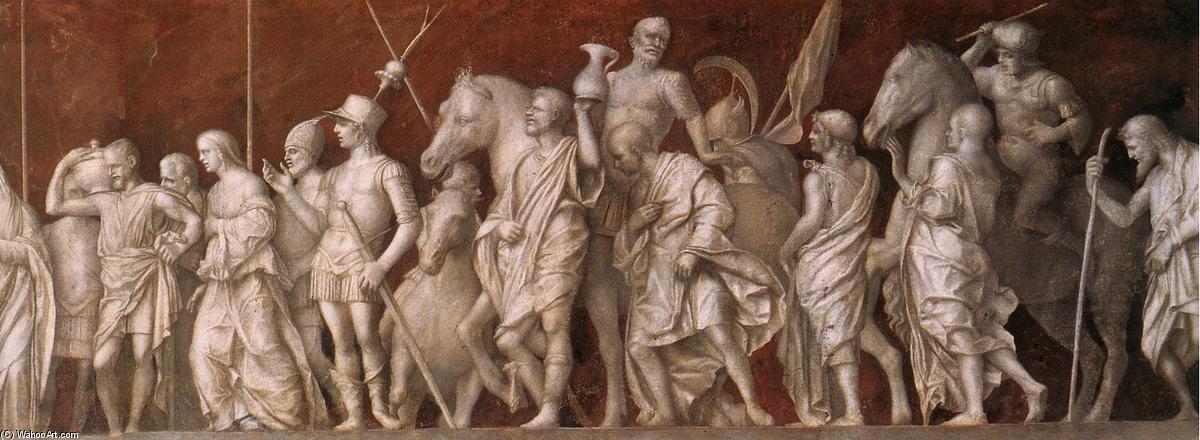
Continence of Scipio (detail)
 Fresco
- Renaissance Classicism
 1507
1507- Renaissance
 74.0 x 35.0 cm
 National Gallery of Art
 Pročitaj više
Giclee štampa / Umetnički otisak
Giclée štampa ili print na platnu muzejskog kvaliteta uz brzu proizvodnju i fleksibilne opcije završne obrade. ( Kupi ručno naslikanu sliku Kupi digitalnu sliku)




































Izaberite jednu od naših unapred definisanih veličina koje odgovaraju originalnim proporcijama umetničkog dela.

Možete uneti sopstvene dimenzije kako biste umetničko delo prilagodili specifičnom okviru ili prostoru. Ako odabrani format ne odgovara proporcijama originalne slike, mi ćemo ili iscrtati deo dela ili proširiti sliku pomoću ogledane ivice ili jednobojnog popunjavanja. Digitalni prikaz će vam biti poslat na odobrenje pre početka proizvodnje.
Imajte na umu da pregled na ekranu ne odražava stvarno iscrtavanje ili proširivanje. Samo će prikaz (mockup) precizno pokazati finalnu kompoziciju.
Iako su prilagođene dimenzije dostupne, preporučujemo da odaberete dimenziju sa unapred definisane liste kako biste očuvali originalne proporcije.
Dostava širom sveta () za 2 nedelje umesto uobičajenih 4/5 nedelja. (1 септембар)

Besplatna ekspresna dostava širom sveta

Visokokvalitetno laneno platno

Kompletno osiguranje transporta

Garancija povraćaja carine i uvoznih dažbina

Garancija vernosti boja

Politika povrata u roku od 60 dana (samo u slučaju nedostataka)

Garancija povrata novca od 100%

Popust pri grupnoj kupovini
 Opcija sa staklom dostupna je samo za dimenzije manje od 110 cm

Continence of Scipio (detail)
Giclee štampa / Umetnički otisak
Dimenzije reprodukcije
-


Konačna cena
$ 62
Giovanni Bellini’s Venetian Renaissance: A Symphony of Color and Light
A Venetian Master: The Life and Legacy of Giovanni Bellini Giovanni Bellini, born around 1430 – though some sources suggest 1433 – into a family deeply entrenched in the artistic world, stands as a pivotal figure bridging the gap between the traditions of Byzantine art and the innovative spirit that would define the 16th century. The precise nature of his familial relationships has been debated; for years Jacopo Bellini was considered his father, but modern scholarship increasingly points towards Jacopo being Giovanni’s elder half-brother, with Gentile Bellini as his nephew rather than sibling. Regardless of these intricacies, young Giovanni grew up immersed in a workshop brimming with creativity and technical expertise, absorbing the foundations of painting from an early age. His initiThe Fresco's Dramatic Narrative: ‘Continence of Scipio’
Giovanni Bellini’s “Continence of Scipio” (1507), housed in the Palazzo Ducale di Venezia, is more than just a visually arresting depiction; it’s a cornerstone of Venetian Renaissance art and a testament to Bellini's mastery of fresco technique. Commissioned for the Sala Grande, this monumental masterpiece portrays a scene from Virgil’s Aeneid – Scipio Africanus resisting temptation to abandon his duty and return to Rome after conquering Carthage. The composition is strikingly dynamic, capturing the tension between moral restraint and worldly desire. Twelve figures dominate the canvas, meticulously arranged to convey the narrative's core message: unwavering commitment to virtue triumphs over fleeting pleasures.Technique and Color Palette: Bellini’s Innovative Approach
Bellini revolutionized fresco painting with his groundbreaking use of glazing – applying thin layers of translucent pigment over a prepared ground – creating an unparalleled luminosity and depth rarely achieved by his predecessors. Unlike the matte surfaces favored by Byzantine artists, Bellini embraced vibrant hues, skillfully blending shades of ochre, crimson, ultramarine, and emerald green to evoke the grandeur of ancient Rome and imbue the scene with palpable emotion. This meticulous attention to detail extends beyond color; Bellini’s masterful brushwork captures subtle nuances of expression, conveying the psychological complexities of his characters. The artist's innovative technique ensured that the fresco retained its brilliance for centuries.Symbolism: Virgilian Virtue and Moral Reflection
The artwork is laden with symbolic significance rooted in Virgil’s epic poem. Scipio Africanus embodies Stoic virtue – self-control, duty, and unwavering adherence to moral principles—represented by his resolute gaze and posture. The surrounding figures symbolize various facets of temptation and resistance, highlighting the internal struggle inherent in upholding ethical standards amidst external pressures. Bellini's deliberate choice of imagery serves as a powerful reminder of the enduring importance of moral fortitude and intellectual contemplation – themes central to Renaissance humanism.Emotional Impact: Capturing the Essence of Human Experience
“Continence of Scipio” transcends mere historical documentation; it resonates deeply with viewers on an emotional level. Bellini’s masterful rendering of facial expressions conveys a profound sense of seriousness and introspection, inviting contemplation about the human condition. The luminous color palette enhances the scene's dramatic impact, transporting audiences back to Renaissance Venice and immersing them in the grandeur of Virgilian mythology. It remains a profoundly inspiring artwork, demonstrating the transformative power of art to illuminate moral values and elevate the human spirit.A Timeless Masterpiece: Reproductions for Inspiration
High-quality reproductions of Giovanni Bellini’s “Continence of Scipio” offer an exceptional opportunity to experience the brilliance of Venetian Renaissance artistry firsthand. Whether adorning a grand salon or enriching a private collection, these faithful reproductions capture the essence of Bellini's vision – a symphony of color and light that continues to captivate audiences across generations. Explore the Palazzo Ducale di Venezia and immerse yourself in the legacy of this artistic titan!Srodna umetnička dela
Biografija umetnika
A Venetian Master: The Life and Legacy of Giovanni Bellini
Giovanni Bellini, a name synonymous with the blossoming Renaissance in Venice, stands as a pivotal figure bridging the gap between the traditions of Byzantine art and the innovative spirit that would define the 16th century. Born around 1430 – though some sources suggest 1433 – into a family deeply entrenched in the artistic world, Bellini’s journey was one of continuous evolution, marked by a profound sensitivity to color, light, and the burgeoning humanism of his era. The precise nature of his familial relationships has been debated; for years Jacopo Bellini was considered his father, but modern scholarship increasingly points towards Jacopo being Giovanni's elder half-brother, with Gentile Bellini as his nephew rather than sibling. Regardless of these intricacies, young Giovanni grew up immersed in a workshop brimming with creativity and technical expertise, absorbing the foundations of painting from an early age. His initial training likely involved the traditional tempera techniques favored at the time, but it was his innate talent for observation and emotional expression that would set him apart.Early Influences and Artistic Development
The artistic landscape of 15th-century Venice was a unique blend of influences. The city’s position as a major trading hub exposed its artists to diverse styles and ideas, while the Byzantine heritage continued to exert a strong pull. Bellini's early works reflect this duality. Initially, his style bore the mark of his father and brother, Gentile, with compositions often characterized by meticulous detail and a somewhat restrained emotional palette. However, even in these early pieces, hints of his future brilliance began to emerge – a delicate handling of light, a growing interest in naturalistic settings, and an ability to imbue religious figures with a palpable sense of human pathos. The influence of Andrea Mantegna, his brother-in-law, is also readily apparent during this period, particularly in the clarity of line and sculptural forms. Bellini’s early commissions often involved collaborative projects, such as his contributions to the Scuola di San Marco alongside Gentile and other prominent Venetian artists. These large-scale works provided invaluable experience and allowed him to hone his skills while working alongside some of the most talented painters of the day.Revolutionizing Venetian Painting: Color, Light, and Oil
Bellini’s true revolution lay in his embrace of oil paint. While not the inventor of the technique, he was among the first Venetian artists to fully exploit its potential. Unlike tempera, which dried quickly and demanded a precise, linear approach, oil paint allowed for greater blending, richer colors, and subtle gradations of tone. This newfound freedom enabled Bellini to create paintings with an unprecedented depth and luminosity. His use of color became increasingly sophisticated, moving away from the bright, often harsh hues of earlier Venetian painting towards a more nuanced and harmonious palette. He masterfully captured the effects of light and atmosphere, imbuing his landscapes with a sense of serenity and realism that was groundbreaking for its time. This mastery of oil paint not only transformed his own work but also laid the foundation for the distinctive style that would come to define the Venetian school – a style celebrated for its sensuousness, coloristic richness, and atmospheric perspective. He achieved this remarkable feat by meticulously studying the interplay between light and shadow, creating illusions of depth and dimensionality that captivated viewers.Mature Works and Lasting Influence
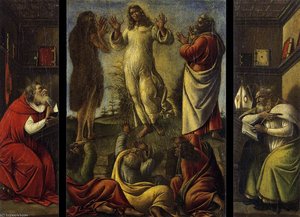
As Bellini matured, his artistic vision continued to evolve. His altarpieces, such as those created for the churches of San Zaccaria and Santa Corona, demonstrate his ability to create complex compositions filled with symbolic meaning and emotional resonance. The *Transfiguration*, now housed in the Capodimonte Museum in Naples, exemplifies his mature style – a serene spirit combined with ripened artistic powers. He also served as conservator of the paintings in Doge’s Palace, further solidifying his reputation as Venice's leading artist. His influence extended far beyond his own lifetime. He became a mentor to a generation of younger painters, including Giorgione and Titian, who would carry on his legacy and push the boundaries of Venetian art even further. These pupils absorbed Bellini’s techniques and aesthetic principles, adapting them to their own individual styles and contributing to the golden age of Venetian painting. Bellini's impact can be seen in the works of countless artists who followed, solidifying his place as a true master of the Renaissance. He died in Venice in 1516, leaving behind a body of work that continues to inspire awe and admiration centuries later.A Legacy Enduring Through Time
Giovanni Bellini’s significance extends beyond his technical innovations and artistic achievements. He captured the spirit of a changing world – a world grappling with new ideas about humanity, spirituality, and the relationship between art and nature. His paintings are not merely representations of religious scenes; they are profound meditations on faith, beauty, and the human condition. His ability to imbue his figures with dignity and grace, combined with his masterful use of color and light, created a visual language that resonated deeply with his contemporaries and continues to captivate audiences today. *Bellini’s legacy is not simply one of artistic brilliance; it is a testament to the power of art to transcend time and connect us to the enduring values of human experience.* From the serene beauty of his Madonnas to the dramatic intensity of his religious scenes, Bellini's work remains a cornerstone of Western art history.
Јован Антони Белини
1433 - 1516 , Италија
Osnovne informacije
- Artistic Movement Or Style: Venetian School
- Artists Or Movements Influenced By This Artist:
- Giorgione
- Titian
- Artists Who Influenced This Artist:
- Jacopo Bellini
- Gentile Bellini
- Date Of Birth: c. 1430
- Date Of Death: 1516
- Full Name: Giovanni Bellini
- Nationality: Italian
- Notable Artworks:
- St. Jerome in the Desert
- The Transfiguration
- Place Of Birth: Venice, Italy
Povezani članci

Giclée Prints: Archival Quality & Aesthetic Nuances for the Discerning Collector
Explore the world of giclée prints with ArtsDot. Learn about archival quality, aesthetic nuances & investment potential. Expert guidance for discerning art collectors seeking museum-quality reproductions and lasting value.

The Enduring Legacy of Fine Art Prints: Technique, History & Aesthetic Impact
Explore the rich history & techniques of fine art prints. Discover investment potential, assess authenticity, and learn how to preserve your collection with expert guidance. Trusted insights for discerning collectors.

Echoes of Time: Exploring the Enduring Appeal & Historical Context of Vintage Art Prints
Explore the captivating world of vintage art prints! Discover their history, collecting tips & enduring appeal. Expert insights on chromolithography and building a legacy collection with ArtsDot.

Jacopo Tintoretto: 25 Remek-dela Venecijanskog Majstora | Reprodukcije i Inspiracija za Dom
Uronite u svet Jacopa Tintoreta! Otkrijte 25 remek-dela venecijanskog renesansnog majstora. Istražite dramatične kompozicije, bogate boje i istoriju umetnosti na ArtsDot.com. Reprodukcije slika za luksuzni enterijer.

The Enduring Legacy of Printmaking: Techniques, Themes & Artistic Innovation Across Centuries
Explore the rich history of printmaking with ArtsDot. Discover techniques from intaglio to lithography, learn about collecting valuable prints & find museum-quality reproductions. Expert insights for art enthusiasts and collectors.