 Pregledaj u prostoru
 Pošalji
 Podeli
 Detalji o delu

 Преузми
 Slični predmeti
 Rendgenski snimak
 Slajdovi
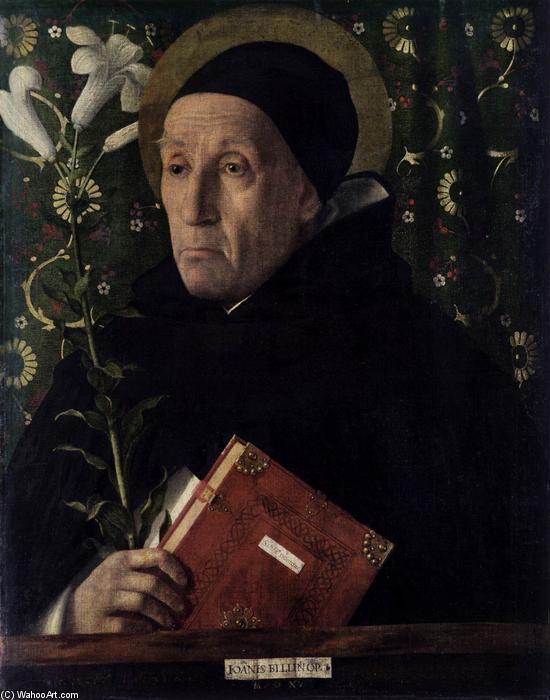
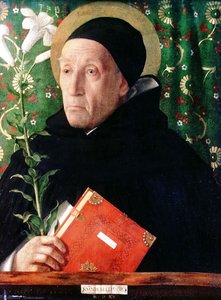
Portrait of Teodoro of Urbino
 Oil On Canvas
- WallArt
- High Renaissance
 1515
1515 63.0 x 50.0 cm
 Nacionalna galerija
 Pročitaj više
Giclee štampa / Umetnički otisak
Giclée štampa ili print na platnu muzejskog kvaliteta uz brzu proizvodnju i fleksibilne opcije završne obrade. ( Kupi ručno naslikanu sliku Kupi digitalnu sliku)




P118B $10

P118H $10

P118W $10

P438Z $10

P508JH $12

P508YH $12

P805H $10

P805Z $10

P919BZ $10

P919G $10

P919XJ $10

P959ZH $10

P968JZ $12

W106C $8

W218G $10

W218JH $8

W218Y $10

W307PJ $10

W316G $10

W316PJ $8

W316Y $10

W398PJ $8

W4111J $10

W500HY $15

W500JH $15

W692G $12

W849H $8

W940BG $15

W953PJ $8




Izaberite jednu od naših unapred definisanih veličina koje odgovaraju originalnim proporcijama umetničkog dela.

Možete uneti sopstvene dimenzije kako biste umetničko delo prilagodili specifičnom okviru ili prostoru. Ako odabrani format ne odgovara proporcijama originalne slike, mi ćemo ili iscrtati deo dela ili proširiti sliku pomoću ogledane ivice ili jednobojnog popunjavanja. Digitalni prikaz će vam biti poslat na odobrenje pre početka proizvodnje.
Imajte na umu da pregled na ekranu ne odražava stvarno iscrtavanje ili proširivanje. Samo će prikaz (mockup) precizno pokazati finalnu kompoziciju.
Iako su prilagođene dimenzije dostupne, preporučujemo da odaberete dimenziju sa unapred definisane liste kako biste očuvali originalne proporcije.
Dostava širom sveta () za 2 nedelje umesto uobičajenih 4/5 nedelja. (29 август)

Besplatna ekspresna dostava širom sveta

Visokokvalitetno laneno platno

Kompletno osiguranje transporta

Garancija povraćaja carine i uvoznih dažbina

Garancija vernosti boja

Politika povrata u roku od 60 dana (samo u slučaju nedostataka)

Garancija povrata novca od 100%

Popust pri grupnoj kupovini
 Opcija sa staklom dostupna je samo za dimenzije manje od 110 cm

Portrait of Teodoro of Urbino
Giclee štampa / Umetnički otisak
Dimenzije reprodukcije
-


Konačna cena
$ 62
A Glimpse into Venetian Renaissance Thought: The Portrait of Fra Teodoro of Urbino
Giovanni Bellini’s 1515 “Portrait of Fra Teodoro of Urbino” is more than a simple likeness; it's a carefully constructed meditation on faith, intellect, and the evolving relationship between portraiture and religious iconography within the burgeoning Renaissance. This painting, housed in the National Gallery, London, offers a captivating window into the artistic sensibilities of Venice at the dawn of the 16th century – a period marked by both profound spiritual inquiry and a growing fascination with human representation.
The subject himself, Fra Teodoro, was an elderly Dominican friar and scholar, a figure steeped in religious authority. Bellini’s decision to depict him as Saint Dominic, the founder of his order, immediately elevates the portrait beyond a mere depiction of an individual. This deliberate blurring of identities speaks volumes about the era's shifting artistic priorities – a move away from purely idealized representations towards a more nuanced exploration of human character and spiritual significance. The black robe, a symbol of monastic devotion, anchors Teodoro within a framework of religious piety, while his intense gaze directs it squarely at the viewer, creating an immediate and compelling connection.
- Compositional Harmony: The painting’s balance is striking. The figure dominates the frame, yet the subtle inclusion of the table, vase, and floral wallpaper – a deliberate choice by Bellini – prevents it from feeling overly austere. These elements introduce a touch of earthly elegance, grounding the spiritual subject in a recognizable, albeit refined, domestic setting.
- Color Palette: Bellini’s masterful use of color is central to the painting's impact. The muted tones—particularly the deep greens and whites of the wallpaper—create an atmosphere of contemplative solemnity. The subtle gradations within Teodoro’s robe and face suggest a remarkable understanding of light and shadow, adding depth and realism to the portrait.
- Symbolic Detail: The book held in Teodoro's hand is not merely a prop; it represents his intellectual pursuits and connection to scholarship – a key element of his identity as both a religious figure and a learned man. The vase, with its simple elegance, could symbolize the fruits of contemplation or perhaps even the blessings bestowed upon him by God.
Technique and Innovation: Bellini’s Pioneering Approach
Bellini's approach to portraiture in this work represents a significant departure from earlier Venetian styles. While influenced by the Byzantine tradition – evident in the figure’s somewhat stylized pose – he embraces the innovations introduced by Antonello da Messina, particularly the use of oil paints. This medium allowed Bellini to achieve unprecedented levels of detail, luminosity, and subtle color transitions. The slow-drying nature of oil paint enabled him to build up layers of pigment gradually, creating a rich, textured surface that captures both form and atmosphere with remarkable precision.
Notably, this portrait marks a pivotal moment in Bellini’s artistic development. As art historian Daniel Wallace Maze has suggested, it represents his “farewell” to the traditional portrait genre, signaling a shift towards more complex and emotionally resonant compositions. The painting's meticulous attention to detail—from the wrinkles on Teodoro’s face to the folds of his robe—demonstrates Bellini’s mastery of technique and his ability to imbue his subjects with a sense of humanity and dignity.
Historical Context: Venice at the Crossroads
To understand “Portrait of Fra Teodoro of Urbino,” it's crucial to consider the historical context in which it was created. Venice, during the early 16th century, was a vibrant hub of artistic and intellectual activity – a crossroads between East and West, tradition and innovation. The city’s wealth and trade had fostered a flourishing culture that embraced both religious piety and secular pursuits. Bellini's painting reflects this complex interplay of influences, blending elements of Byzantine iconography with the humanist ideals emerging from Florence and Rome.
The rise of the Dominican order during this period also played a significant role in shaping artistic tastes. Saint Dominic was revered as a champion of learning and piety, making him an ideal subject for a portrait that sought to embody both spiritual authority and intellectual prowess. Bellini’s decision to depict Teodoro as Saint Dominic underscores the importance of religious patronage and the desire to elevate the status of the Dominican order within Venetian society.
A Timeless Masterpiece: Reproduction and Legacy
ArtsDot is proud to offer meticulously crafted hand-painted reproductions of Giovanni Bellini’s “Portrait of Fra Teodoro of Urbino.” These reproductions capture not only the painting's visual beauty but also its profound emotional depth. Utilizing traditional oil painting techniques and archival-quality materials, our artists recreate Bellini’s masterful use of color, light, and texture with exceptional fidelity. Whether you are a seasoned art collector or simply seeking to bring a touch of Renaissance elegance into your home, a ArtsDot reproduction of this iconic portrait is a timeless investment – a testament to the enduring power of Venetian artistry.
Srodna umetnička dela
Biografija umetnika
A Venetian Master: The Life and Legacy of Giovanni Bellini
Giovanni Bellini, a name synonymous with the blossoming Renaissance in Venice, stands as a pivotal figure bridging the gap between the traditions of Byzantine art and the innovative spirit that would define the 16th century. Born around 1430 – though some sources suggest 1433 – into a family deeply entrenched in the artistic world, Bellini’s journey was one of continuous evolution, marked by a profound sensitivity to color, light, and the burgeoning humanism of his era. The precise nature of his familial relationships has been debated; for years Jacopo Bellini was considered his father, but modern scholarship increasingly points towards Jacopo being Giovanni's elder half-brother, with Gentile Bellini as his nephew rather than sibling. Regardless of these intricacies, young Giovanni grew up immersed in a workshop brimming with creativity and technical expertise, absorbing the foundations of painting from an early age. His initial training likely involved the traditional tempera techniques favored at the time, but it was his innate talent for observation and emotional expression that would set him apart.Early Influences and Artistic Development
The artistic landscape of 15th-century Venice was a unique blend of influences. The city’s position as a major trading hub exposed its artists to diverse styles and ideas, while the Byzantine heritage continued to exert a strong pull. Bellini's early works reflect this duality. Initially, his style bore the mark of his father and brother, Gentile, with compositions often characterized by meticulous detail and a somewhat restrained emotional palette. However, even in these early pieces, hints of his future brilliance began to emerge – a delicate handling of light, a growing interest in naturalistic settings, and an ability to imbue religious figures with a palpable sense of human pathos. The influence of Andrea Mantegna, his brother-in-law, is also readily apparent during this period, particularly in the clarity of line and sculptural forms. Bellini’s early commissions often involved collaborative projects, such as his contributions to the Scuola di San Marco alongside Gentile and other prominent Venetian artists. These large-scale works provided invaluable experience and allowed him to hone his skills while working alongside some of the most talented painters of the day.Revolutionizing Venetian Painting: Color, Light, and Oil
Bellini’s true revolution lay in his embrace of oil paint. While not the inventor of the technique, he was among the first Venetian artists to fully exploit its potential. Unlike tempera, which dried quickly and demanded a precise, linear approach, oil paint allowed for greater blending, richer colors, and subtle gradations of tone. This newfound freedom enabled Bellini to create paintings with an unprecedented depth and luminosity. His use of color became increasingly sophisticated, moving away from the bright, often harsh hues of earlier Venetian painting towards a more nuanced and harmonious palette. He masterfully captured the effects of light and atmosphere, imbuing his landscapes with a sense of serenity and realism that was groundbreaking for its time. This mastery of oil paint not only transformed his own work but also laid the foundation for the distinctive style that would come to define the Venetian school – a style celebrated for its sensuousness, coloristic richness, and atmospheric perspective. He achieved this remarkable feat by meticulously studying the interplay between light and shadow, creating illusions of depth and dimensionality that captivated viewers.Mature Works and Lasting Influence
As Bellini matured, his artistic vision continued to evolve. His altarpieces, such as those created for the churches of San Zaccaria and Santa Corona, demonstrate his ability to create complex compositions filled with symbolic meaning and emotional resonance. The *Transfiguration*, now housed in the Capodimonte Museum in Naples, exemplifies his mature style – a serene spirit combined with ripened artistic powers. He also served as conservator of the paintings in Doge’s Palace, further solidifying his reputation as Venice's leading artist. His influence extended far beyond his own lifetime. He became a mentor to a generation of younger painters, including Giorgione and Titian, who would carry on his legacy and push the boundaries of Venetian art even further. These pupils absorbed Bellini’s techniques and aesthetic principles, adapting them to their own individual styles and contributing to the golden age of Venetian painting. Bellini's impact can be seen in the works of countless artists who followed, solidifying his place as a true master of the Renaissance. He died in Venice in 1516, leaving behind a body of work that continues to inspire awe and admiration centuries later.A Legacy Enduring Through Time
Giovanni Bellini’s significance extends beyond his technical innovations and artistic achievements. He captured the spirit of a changing world – a world grappling with new ideas about humanity, spirituality, and the relationship between art and nature. His paintings are not merely representations of religious scenes; they are profound meditations on faith, beauty, and the human condition. His ability to imbue his figures with dignity and grace, combined with his masterful use of color and light, created a visual language that resonated deeply with his contemporaries and continues to captivate audiences today. *Bellini’s legacy is not simply one of artistic brilliance; it is a testament to the power of art to transcend time and connect us to the enduring values of human experience.* From the serene beauty of his Madonnas to the dramatic intensity of his religious scenes, Bellini's work remains a cornerstone of Western art history.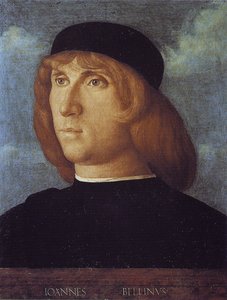
Јован Антони Белини
1433 - 1516 , Италија
Osnovne informacije
- Artistic Movement Or Style: Venetian School
- Artists Or Movements Influenced By This Artist:
- Giorgione
- Titian
- Artists Who Influenced This Artist:
- Jacopo Bellini
- Gentile Bellini
- Date Of Birth: c. 1430
- Date Of Death: 1516
- Full Name: Giovanni Bellini
- Nationality: Italian
- Notable Artworks:
- St. Jerome in the Desert
- The Transfiguration
- Place Of Birth: Venice, Italy
Povezani članci

The Enduring Legacy of Oil on Canvas: Technique, History & Aesthetic Impact
Explore the rich history & techniques of oil painting – from Renaissance masters to Impressionism. Discover pigments, layering methods, and why this timeless medium endures. Expert insights for artists & art enthusiasts.

The Enduring Power of Painting: A Historical & Contemporary Exploration of Form and Emotion
Explore the rich history & enduring techniques of oil painting with ArtsDot. Discover masterpieces, learn about art collecting, and find authentic handmade reproductions crafted by skilled artists.

Oil on Canvas: A Historical & Technical Exploration of a Timeless Artistic Medium
Explore the rich history & enduring techniques of oil painting on canvas. Discover the science behind its longevity, conservation practices, and contemporary relevance. Expert insights for art enthusiasts.

Jacopo Tintoretto: 25 Remek-dela Venecijanskog Majstora | Reprodukcije i Inspiracija za Dom
Uronite u svet Jacopa Tintoreta! Otkrijte 25 remek-dela venecijanskog renesansnog majstora. Istražite dramatične kompozicije, bogate boje i istoriju umetnosti na ArtsDot.com. Reprodukcije slika za luksuzni enterijer.
The Golden Light of Innovation: Exploring the Venetian Renaissance Art Movement (1430–1580)
Explore the Golden Age of Venetian art (1430–1580). Discover Giorgione, Titian & Tintoretto's techniques, the 'colorito' revolution, and lasting influence. Expert insights for collectors & enthusiasts.