 Pregledaj u prostoru
 Pošalji
 Podeli
 Detalji o delu

 Преузми
 Slični predmeti
 Rendgenski snimak
 Slajdovi
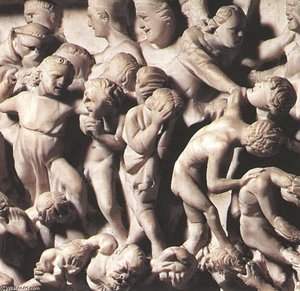
Портрет Изабеллы Д’Эсте и ее семьи


 Pročitaj više
Giclee štampa / Umetnički otisak
Giclée štampa ili print na platnu muzejskog kvaliteta uz brzu proizvodnju i fleksibilne opcije završne obrade. ( Kupi ručno naslikanu sliku Kupi digitalnu sliku)




P118B $10

P118H $10

P118W $10

P438Z $10

P508JH $12

P508YH $12

P805H $10

P805Z $10

P919BZ $10

P919G $10

P919XJ $10

P959ZH $10

P968JZ $12

W106C $8

W218G $10

W218JH $8

W218Y $10

W307PJ $10

W316G $10

W316PJ $8

W316Y $10

W398PJ $8

W4111J $10

W500HY $15

W500JH $15

W692G $12

W849H $8

W940BG $15

W953PJ $8




Izaberite jednu od naših unapred definisanih veličina koje odgovaraju originalnim proporcijama umetničkog dela.

Možete uneti sopstvene dimenzije kako biste umetničko delo prilagodili specifičnom okviru ili prostoru. Ako odabrani format ne odgovara proporcijama originalne slike, mi ćemo ili iscrtati deo dela ili proširiti sliku pomoću ogledane ivice ili jednobojnog popunjavanja. Digitalni prikaz će vam biti poslat na odobrenje pre početka proizvodnje.
Imajte na umu da pregled na ekranu ne odražava stvarno iscrtavanje ili proširivanje. Samo će prikaz (mockup) precizno pokazati finalnu kompoziciju.
Iako su prilagođene dimenzije dostupne, preporučujemo da odaberete dimenziju sa unapred definisane liste kako biste očuvali originalne proporcije.
Dostava širom sveta () za 2 nedelje umesto uobičajenih 4/5 nedelja. (26 август)

Besplatna ekspresna dostava širom sveta

Visokokvalitetno laneno platno

Kompletno osiguranje transporta

Garancija povraćaja carine i uvoznih dažbina

Garancija vernosti boja

Politika povrata u roku od 60 dana (samo u slučaju nedostataka)

Garancija povrata novca od 100%

Popust pri grupnoj kupovini
 Opcija sa staklom dostupna je samo za dimenzije manje od 110 cm

Портрет Изабеллы Д’Эсте и ее семьи
Giclee štampa / Umetnički otisak
Dimenzije reprodukcije
-


Konačna cena
$ 62
Opis predmeta
Giovanni Cristoforo Romano: Bridging Gothic and Renaissance Visions
Giovanni Cristoforo Romano (c. 1465 – Loreto, May 31, 1512) represents a crucial juncture in Italian sculpture—a moment where the grandeur of Gothic formalism began to yield to the humanist spirit of the Renaissance. Born in Rome, likely to Isaia da Pisa, Romano’s artistic trajectory coincided with an era defined by intellectual ferment and artistic innovation, yet he remained deeply rooted in the stylistic conventions that shaped his formative years. Biographical details concerning Romano's life are sparse, relying primarily on scholarly reconstructions based on familial connections and documented commissions. Nevertheless, his legacy endures as a testament to his mastery of sculptural technique and his contribution to the visual culture of his time.- Early Influences: Romano’s artistic sensibilities were undeniably molded by the Gothic style prevalent in Rome during his youth—particularly evident in monumental sculptures adorning churches like Santa Maria Maggiore and San Pietro in Vincoli. These works exemplify a remarkable command of drapery, anatomical precision, and expressive dynamism, hallmarks of Gothic art. They stand as a powerful reminder of Romano’s grounding in tradition before embracing the burgeoning humanist ideals that would characterize his later career.
- A Synthesis of Styles: Romano skillfully blended Gothic and Renaissance elements within his oeuvre. While retaining stylistic features reminiscent of earlier masters—such as meticulous drapery folds and idealized human forms—he incorporated geometric precision and classical proportions, reflecting the influence of emerging artistic trends. This harmonious fusion demonstrates Romano’s ability to synthesize disparate influences into a cohesive visual language.
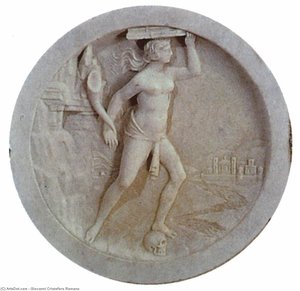
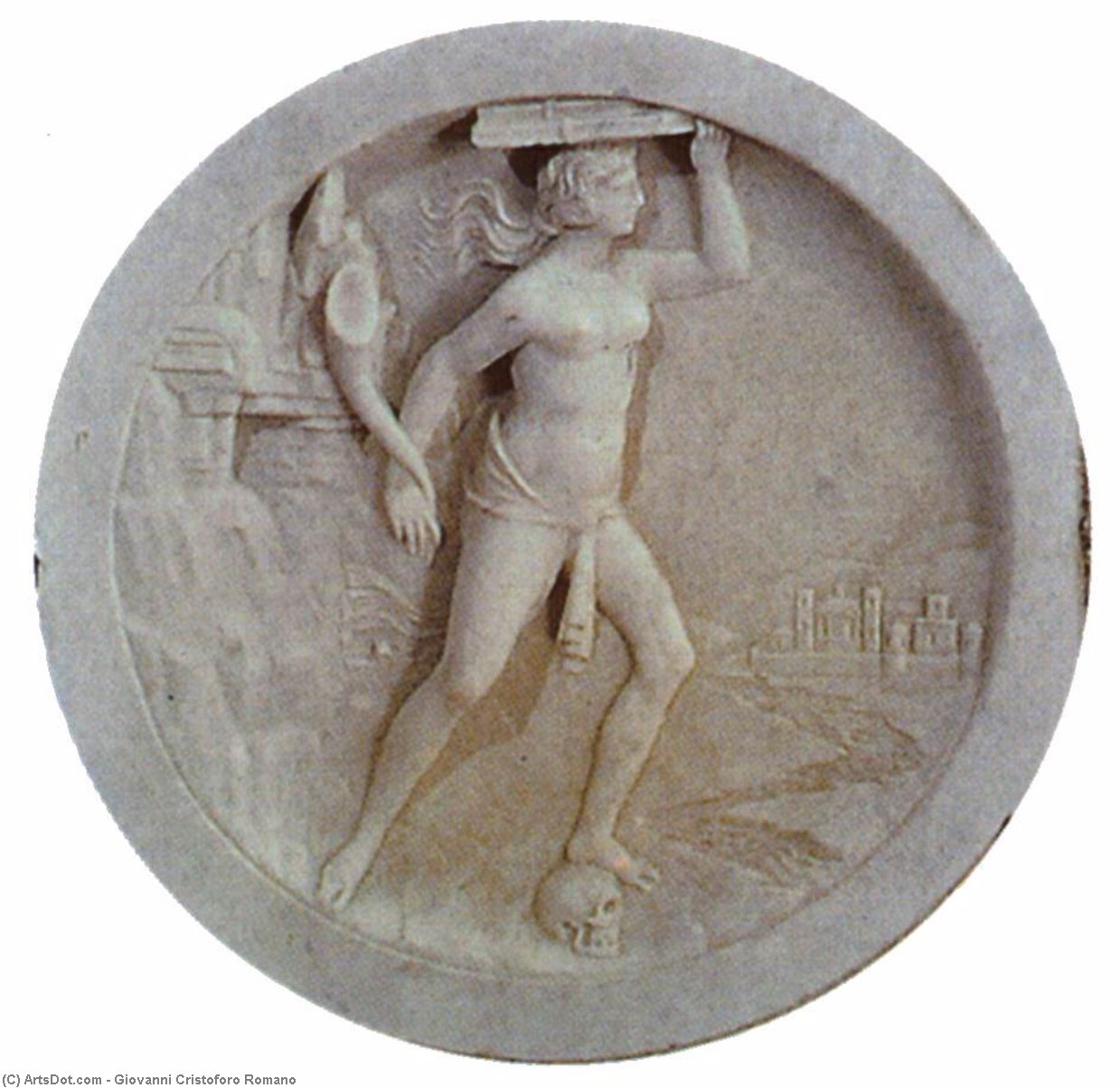
- The Studiolo Door: The “Door of the studiolo” exemplifies Romano's stylistic prowess. Commissioned for Isabella d'Este—a celebrated patroness of the arts and influential figure in Renaissance Milan—this marble relief sculpture embodies the spirit of its time. Its central depiction of a woman holding a book symbolizes knowledge, learning, and contemplation – themes central to humanist philosophy. The surrounding landscape adds depth and context, portraying a cityscape reflecting the urban dynamism of the Renaissance.
- Technique and Material: Romano’s masterful execution is evident in the sculpture's polished marble surface—a technique favored by Florentine sculptors during this period. The meticulous carving reveals an unparalleled attention to detail, showcasing Romano’s dedication to achieving anatomical accuracy and conveying emotional nuance through sculptural form.
- Symbolism and Emotional Impact: Beyond its formal qualities, the “Door of the studiolo” carries profound symbolic weight. The woman's gesture—holding the book—represents intellectual aspiration and spiritual enlightenment—values highly esteemed by Renaissance thinkers. Romano’s work invites contemplation on these themes, resonating with viewers seeking inspiration and conveying a sense of timeless beauty.
Srodna umetnička dela



Biografija umetnika
Giovanni Cristoforo Romano (1465 – 1512): A Florentine Sculptor Bridging Gothic and Renaissance
Giovanni Cristoforo Romano (c. 1465 – Loreto, May 31, 1512) stands as a pivotal figure in the transition between Gothic and Renaissance sculpture in Italy. Born in Rome—likely to Isaia da Pisa—Romano’s artistic journey unfolded amidst the burgeoning humanist ideals of his era, yet he retained an undeniable connection to the stylistic traditions of his formative years. While biographical details remain scarce, scholarly consensus points to a robust training under his father and Paolo Romano, establishing him firmly within the Roman sculptural milieu of the mid-fifteenth century.- Early Influences: Romano’s artistic sensibilities were profoundly shaped by the Gothic style prevalent in Rome at the time—particularly evident in the monumental sculptures adorning churches like Santa Maria Maggiore and San Pietro in Vincoli. These works showcased a masterful command of drapery, anatomical precision, and expressive dynamism—characteristics that would persist throughout his career.
- Umbrian Period: Evidence suggests Romano spent considerable time in Umbria during the early 1490s, where he collaborated with Ambrogio d’Antonio Barocci on ambitious projects at Urbino’s Palazzo Ducale. This experience exposed him to the humanist aesthetic championed by Federico da Montefeltro—a stylistic shift marked by a greater emphasis on idealized forms and serene compositions.
- Milanese Patronage: Romano's arrival in Milan in 1490 coincided with the reign of Ludovico Sforza, marking the beginning of his association with one of Italy’s most influential artistic centers. He undertook significant commissions for the ducal court—most notably the monumental tomb of Giangaleazzo Visconti at Pavia’s Certosa—demonstrating his ability to synthesize Gothic and Renaissance techniques into a unified visual language.
- Florence & Isabella d'Este: Romano traveled to Florence in 1503, where he served as artistic advisor to Isabella d’Este—the formidable patroness of the Gonzaga court—and undertook the creation of sculptures for her palazzo. His work during this period reflects a refined aesthetic sensibility—characterized by elegance and subtlety—influenced by Leonardo da Vinci and Michelangelo.
- Final Years & Legacy: Romano's final years were spent in Loreto, where he oversaw the construction of the Santa Casa—a pilgrimage shrine dedicated to Mary Immaculate—a project that cemented his reputation as a master sculptor and solidified his contribution to the artistic heritage of Italy. Despite producing relatively few monumental sculptures, Romano’s oeuvre encompasses a remarkable diversity of styles—ranging from Gothic grandeur to Renaissance refinement—making him an indispensable figure in understanding the complex stylistic panorama of the fifteenth and sixteenth centuries.
Notable Works
- The Tomb of Giangaleazzo Visconti: Located at Pavia’s Certosa di Pavia, Romano's monumental tomb is considered one of his crowning achievements—a testament to his mastery of sculptural technique and his ability to convey profound emotional depth.
- Isabella d’Este’s Bust: Executed in gilded bronze for Isabella d’Este—the influential ruler of Mantua—this portrait bust exemplifies Romano's refined aesthetic sensibilities and reflects the humanist ideals prevalent during his time.
- Winged Victory: Commissioned by Ludovico Sforza—Romano’s patron in Milan—this sculpture embodies the spirit of Renaissance triumph—characterized by soaring drapery, dynamic movement, and symbolic grandeur.
- Giulia Astallia’s Bust: Created for Isabella d’Este—the wife of Federico da Montefeltro—this bust showcases Romano's meticulous attention to detail—demonstrating his exceptional skill in capturing the likeness and conveying the personality of his subject.
Influences & Artistic Style
Romano’s artistic style is characterized by a synthesis of Gothic and Renaissance traditions—reflecting the broader stylistic currents shaping Italian art during his lifetime. He skillfully employed techniques honed in the Gothic workshop—such as drapery modeling and anatomical precision—while simultaneously embracing the humanist ideals championed by Leonardo da Vinci and Michelangelo—expressed through idealized forms and serene compositions. His sculptures are imbued with a palpable sense of emotion—capturing the psychological nuances of human experience—and conveying profound spiritual significance.Historical Significance
Giovanni Cristoforo Romano’s contribution to Italian sculpture is undeniable—establishing him as one of the foremost artists of his era and securing his place among the giants of Renaissance art. His work served as a catalyst for stylistic innovation—bridging the gap between Gothic grandeur and Renaissance refinement—and profoundly influencing subsequent generations of sculptors. Today, Romano's sculptures continue to inspire admiration—testament to their enduring beauty and artistic merit—solidifying his legacy as an artist who embodies the spirit of humanist inquiry and artistic excellence.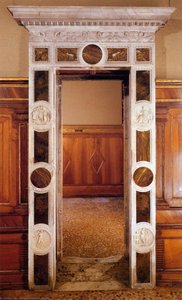
giovanni cristoforo romano
1465 - 1512 , Italy
Osnovne informacije
- Artistic Movement Or Style: Renaissance
- Artists Or Movements Influenced By This Artist: ['Vasari']
- Artists Who Influenced This Artist:
- Paolo Romano
- Andrea Bregno
- Date Of Birth: ca. 1465
- Full Name: Giovanni Cristoforo Romano
- Nationality: Italian
- Notable Artworks:
- Campo di Santi Giovanni e Paolo
- Door of the studiolo (detail)
- San Giovanni Elemosinario
- Place Of Birth: Rome, Italy
Povezani članci

Bronze Sculptures That Defined Art History | ArtsDot
Journey through art history with our Top 10 bronze sculptures! Explore masterpieces by Rodin, Michelangelo & more. Discover stories behind iconic statues and find museum-quality reproductions for your home decor at ArtsDot.com.

The Enduring Form: Exploring Themes & Techniques in Sculpture Across Historical Periods
Explore the rich history of sculpture from ancient masterpieces to contemporary innovations. Discover key techniques, influential artists & investment potential for discerning art collectors.

Bronze Age to Modern Masters: 10 Sculptures That Redefined Art | ArtsDot
Journey through art history with 10 legendary bronze sculptures – from Michelangelo's David to Rodin’s Thinker. Explore the stories, techniques & timeless beauty of these masterpieces. Find museum-quality reproductions & elevate your home decor on ArtsDot.com.

The Enduring Form: Sculpture Across History, Technique & Emotional Resonance
Explore the rich history of sculpture with ArtsDot. Discover key techniques, influential artists & investment potential for discerning collectors. Expert insights into valuing and collecting timeless masterpieces.
Giovanni Giacometti: Sculpting Existentialism – A Study of Form, Space, and the Human Condition
Explore the profound artistic journey of Giovanni Giacometti, father to Alberto. Discover his unique transition from Surrealism to Existentialist sculpture and painting – a compelling study for elite collectors and art enthusiasts.