

 Pregledaj u prostoru
 Pošalji
 Podeli
 Detalji o delu

 Преузми
 Slični predmeti
 Rendgenski snimak
 Slajdovi
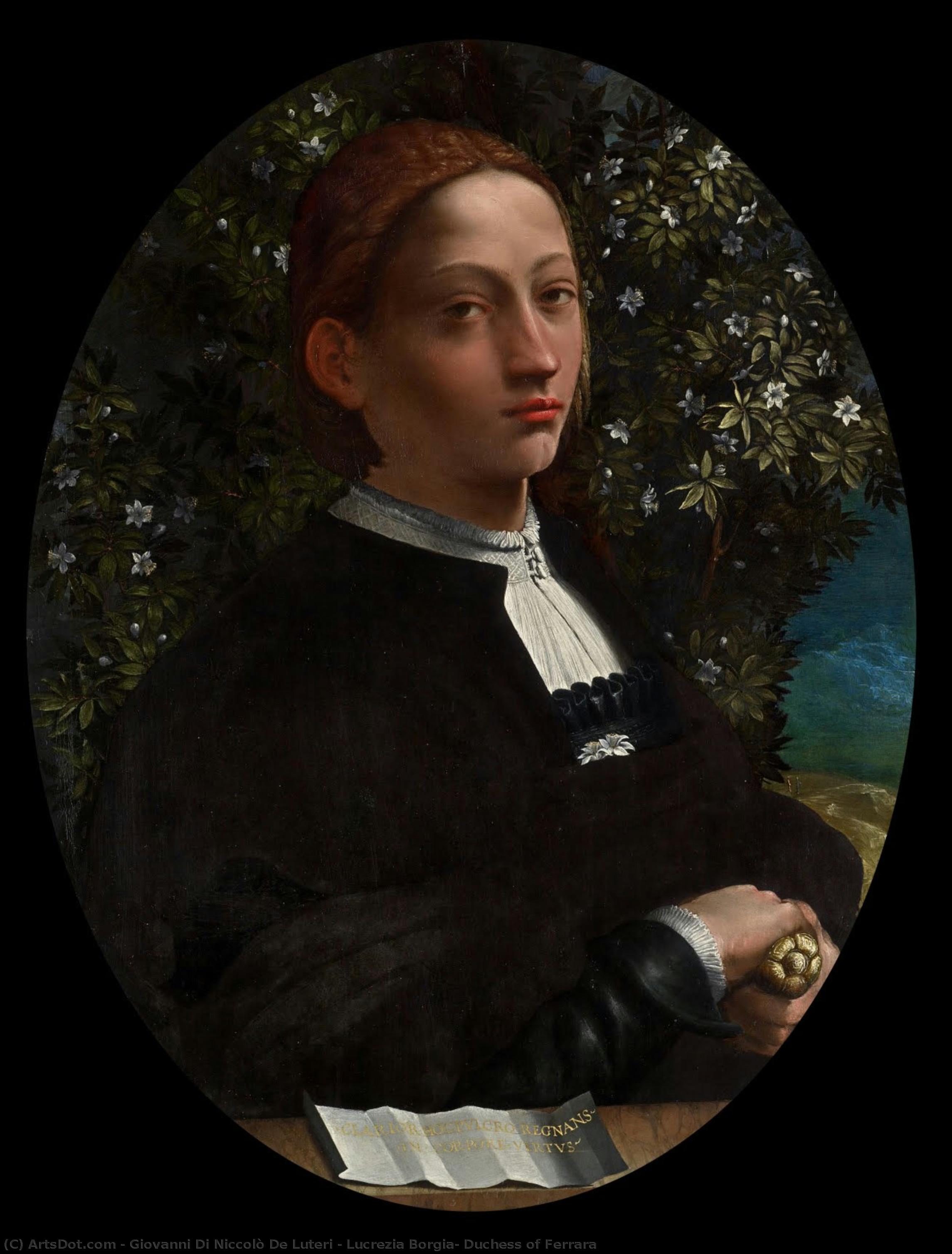
Lucrezia Borgia, Duchess of Ferrara
 1530
1530 74.0 x 57.0 cm
 Nacionalna galerija Viktorije
 Pročitaj više
Kupite digitalnu sliku visoke rezolucije i poboljšanog kvaliteta, koja je znatno superiornija od onoga što vidite u online prikazu.
Svaka datoteka je pedantno pripremljena od strane naših stručnjaka koristeći napredne alate i profesionalnu ručnu retušu. Osiguravamo da svaka slika ima izuzetnu oštrinu, preciznu reprodukciju boja i fine detalje.
Konačna datoteka se dostavlja putem e-pošte u roku od 72 sata, optimizovana za neposrednu upotrebu u profesionalnim, izdavačkim i štamparskim okruženjima. To je isti kvalitet kojem veruju vrhunski studiji dizajna, izdavači i galerije.
Digitalna slika
Preuzmite datoteku visoke rezolucije za ličnu upotrebu, štampanje i kreativne projekte. ( Kupi print Kupi ručno naslikanu sliku)
Uključeno uz svaku porudžbinu digitalne slike
Profesionalna digitalna isporuka, zagarantovana
Kada odaberete ArtsDot.com, ne dobijate samo sliku – vi primate profesionalno unapređeno digitalno umetničko delo, izrađeno sa najvećom preciznošću i uz garanciju zadovoljstva. Evo svega što automatski dolazi uz vašu porudžbinu:

Brza dostava putem e-pošte
Vaša digitalna slika visoke rezolucije biće vam poslata putem e-pošte u roku od 72 sata od poručivanja – spremna za trenutnu upotrebu.

Digitalna datoteka unapređena veštačkom inteligencijom
Vaše umetničko delo je profesionalno optimizovano korišćenjem naprednih AI alata i ručne obrade, čime se osiguravaju maksimalni detalji, oštrina i preciznost boja.

Besplatna ponovna isporuka doživotno
Slučajno ste obrisali ili izgubili svoju datoteku? Ne brinite – poslaćemo vam je ponovo u bilo kom trenutku, potpuno besplatno.

Bez troškova uvoza – zauvek
Uživajte u svojim umetničkim delima trenutno, bez carine, dažbina ili troškova dostave – digitalni download je uvek bez poreza.

Garancija vernosti boja
Uz pomoć profesionalnih alata i upravljanja bojama, osiguravamo da vaša digitalna slika što vernije odražava originalne boje.

Garancija zadovoljstva u roku od 60 dana
Ako niste zadovoljni svojom digitalnom slikom, revidirat ćemo je ili vratiti 100% novca u roku od 60 dana – bez ikakvih pitanja.

100% garancija povrata novca
Niste zadovoljni? Obezbedite pun povrat novca u roku od 60 dana od trenutka kada ste primili svoju digitalnu datoteku – bez suvišnih pitanja.

Popusti na velike porudžbine
Kupite 3 slike, uštedite 10% - Kupite 5 slika, uštedite 15% - Kupite 10+ slika, uštedite 20%. Odlično za kreativne projekte, galerije i agencije.
Srodna umetnička dela




Biografija umetnika
Giovanni di Niccolò de Luteri (Dosso Dossi): A Venetian Dreamer at Ferrara’s Court
Giovanni di Niccolò de Luteri, universally known as Dosso Dossi, stands as a singular figure within the vibrant tapestry of the Italian Renaissance. Born around 1489 in Tramacchio, Italy—a location shrouded in historical obscurity—he ascended to prominence during his lifetime as a court artist for the Este dukes of Ferrara and Modena, leaving behind an oeuvre characterized by unsettling beauty and profound psychological insight. His artistic legacy continues to fascinate scholars and collectors alike, cementing his place among the most influential painters of his era.Early Life and Training
Information regarding Dosso Dossi’s formative years remains scarce. He apprenticed under Lorenzo Costa in Ferrara, absorbing the stylistic precepts of Venetian painting—particularly those championed by Giorgione and Titian—a connection that would profoundly shape his artistic vision. Crucially, he collaborated closely with his younger brother Battista Dossi, who had also trained under Raphael, fostering a creative partnership that yielded remarkable results. This shared training instilled in both brothers a meticulous attention to detail and an understanding of humanist ideals prevalent during the Renaissance.Style and Technique: Venetian Echoes and Distorted Reality
Dosso Dossi’s distinctive style is undeniably rooted in Venetian painting, yet he transcends mere imitation. He skillfully blended Venetian luminosity with Ferrara’s artistic traditions, creating canvases imbued with a dreamlike atmosphere—a hallmark of Giorgione's work—where colors bleed into one another and spatial perspective is deliberately manipulated. His technique involved painstaking layering of oil paint, achieving astonishing textural richness and capturing subtle nuances of emotion. Perhaps most notably, Dosso Dossi employed **cryptic allegorical conceits**, embedding hidden meanings within seemingly simple compositions. Furthermore, he frequently distorted proportions—a characteristic that departed from the conventions of academic art—introducing unsettling visual surprises that challenged viewers’ perceptions of reality.Notable Works and Collaborations
Dosso Dossi's artistic output produced several masterpieces that continue to captivate audiences today. Among these are “Aeneas in the Elysian Fields,” housed at the National Gallery of Canada, Ottawa; “The Virgin Appearing to Sts John the Baptist and John the Evangelist,” residing in the Uffizi Gallery, Florence; and “Jupiter Painting Butterflies, Mercury and the Virtue,” displayed prominently at Wawel Castle, Kraków. These paintings exemplify Dosso Dossi’s ability to evoke profound psychological states through evocative imagery and masterful color palettes. His collaborations with Battista Dossi further enriched his artistic output, resulting in a cohesive stylistic vision that distinguishes him from many of his contemporaries.Legacy and Influence
Dosso Dossi's influence extended beyond his immediate circle of pupils—including Gabriele Capellini and Jacopo Panicciati—who adopted his distinctive style and techniques. He stands as a testament to the transformative power of artistic innovation, demonstrating how artists can push boundaries while simultaneously honoring established traditions. His preoccupation with unsettling distortions of proportion and luminous color palettes anticipated developments in later art movements, establishing him as a precursor to Mannerism and influencing generations of painters who followed. Dosso Dossi’s enduring fascination stems from his ability to capture the elusive realm of human emotion—a feat achieved through meticulous observation and an uncompromising commitment to artistic experimentation.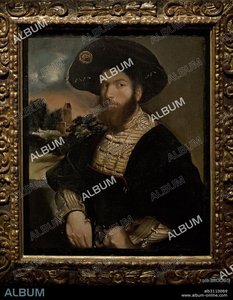
giovanni di niccolò de luteri
1542 , Italy
Kratke činjenice
- Artistic Movement Or Style: Ferrara School
- Artists Or Movements Influenced By This Artist: ['Gabriele Capellini']
- Artists Who Influenced This Artist:
- Giorgio Giorgione
- Titian
- Date Of Birth: c. 1489
- Date Of Death: 1542
- Full Name: Giovanni di Niccolò de Luteri
- Nationality: Italian
- Notable Artworks:
- Aeneas in the Elysian Fields
- Virgin appearing to sts John the Baptist and John the Evangelist
- Jupiter painting butterflies, Mercury and the Virtue
- Place Of Birth: Tramacchio, Italy

