

 Pregledaj u prostoru
 Pošalji
 Podeli
 Detalji o delu

 Преузми
 Slični predmeti
 Rendgenski snimak
 Slajdovi
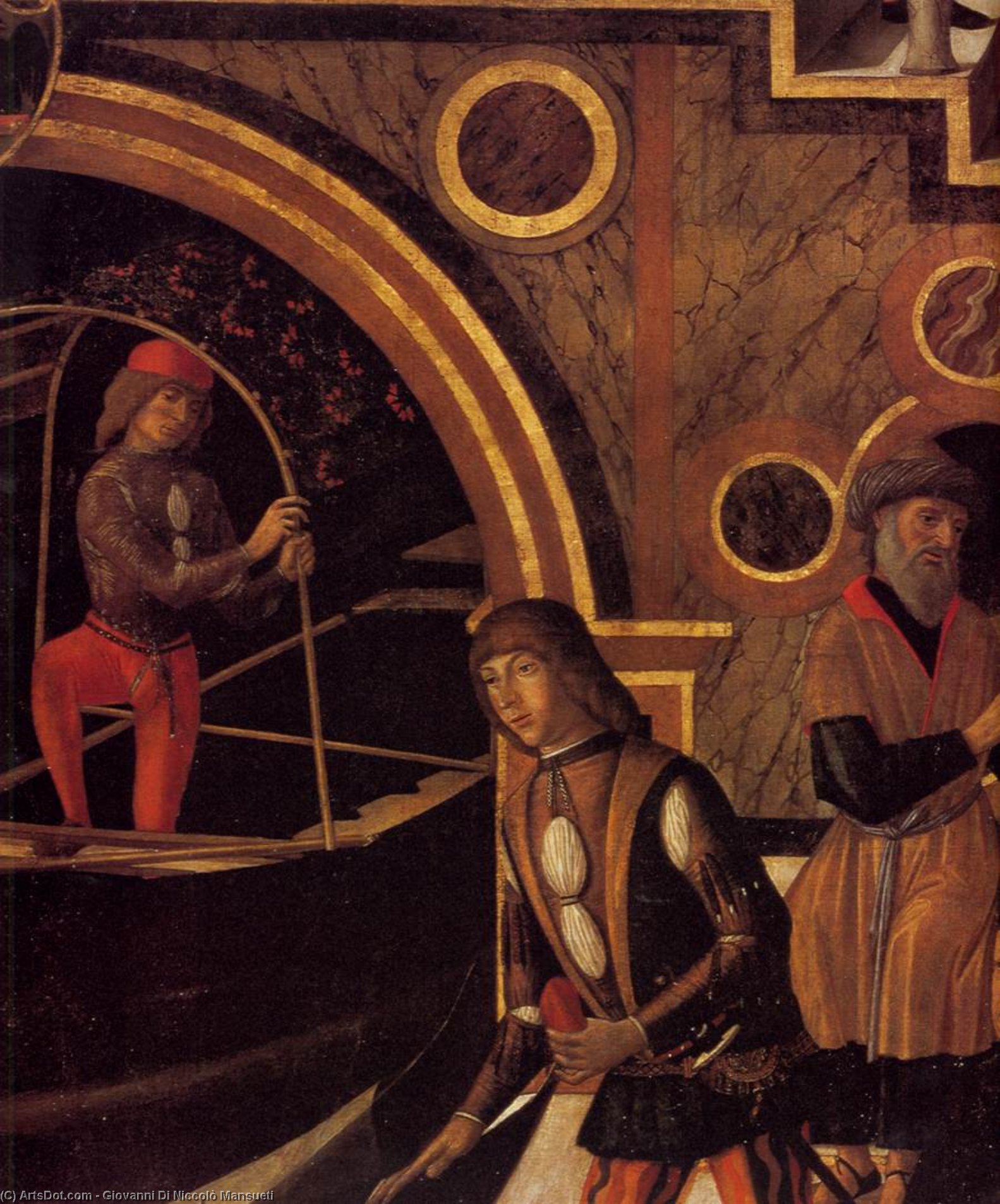
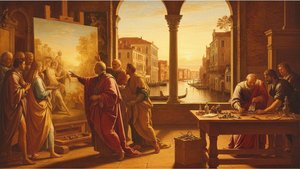
The Miraculous Healing of the Daughter of Benvegnudo of San Polo (detail)


 Pročitaj više
Ručno rađena uljana reprodukcija
Ručno oslikano uljanim bojama na platnu u dimenzijama i okviru po vašem izboru, izrađeno po porudžbini od strane naših umetnika. ( Kupi print Kupi digitalnu sliku)




P118B $10

P118H $10

P118W $10

P438Z $10

P508JH $12

P508YH $12

P805H $10

P805Z $10

P919BZ $10

P919G $10

P919XJ $10

P959ZH $10

P968JZ $12

W106C $8

W218G $10

W218JH $8

W218Y $10

W307PJ $10

W316G $10

W316PJ $8

W316Y $10

W398PJ $8

W4111J $10

W500HY $15

W500JH $15

W692G $12

W849H $8

W940BG $15

W953PJ $8




Izaberite jednu od naših unapred definisanih veličina koje odgovaraju originalnim proporcijama umetničkog dela.

Можете унети сопствене димензије како бисте прилагодили дело одређеном оквиру или простору. Ако одабрана величина не одговара пропорцијама оригинала, слика ће бити исечена или проширена додатним елементима који се ручно насликавају. Дигитални prikaz ће вам бити послат на одобрење пре почетка производње.
Имајте на уму да преглед на екрану не одражава стварно исецање или проширење. Само приказ (mockup) ће тачно приказати коначну композицију.
Иако су доступне прилагођене величине, препоручујемо да одаберете димензију из дефинисане листе како бисте сачували оригиналне пропорције.
Nakon narudžbine, tim ArtsDot.com će klijentu putem e-pošte poslati uputstva i dostaviti prikaz predloženog rešenja
Isporuka širom sveta () za 3/4 nedelje umesto uobičajenih 5 nedelja. (7 септембар). Bez kompromisa po pitanju kvaliteta.

Besplatna ekspresna dostava širom sveta

Visokokvalitetno laneno platno

Kompletno osiguranje transporta

Garancija povraćaja carine i uvoznih dažbina

Garancija vernosti boja

Politika povrata u roku od 100 dana (samo u slučaju nedostataka)

Garancija povrata novca od 100%

Popust pri grupnoj kupovini
 Opcija sa staklom dostupna je samo za dimenzije manje od 110 cm

The Miraculous Healing of the Daughter of Benvegnudo of San Polo (detail)
Tehnika reprodukcije
Dimenzije reprodukcije
-


Konačna cena
$ 263
A Glimpse into Divine Intervention: The Miracle of Benvegnudo
This captivating detail, drawn from what is titled The Miraculous Healing of the Daughter of Benvegnudo of San Polo, transports the viewer directly into a moment charged with divine grace and profound human vulnerability. The scene arrests the eye with its dramatic tension: the juxtaposition of martial strength against fragile life. At the heart of the composition stands a figure clad in armor, wielding a sword—a potent symbol of earthly power or perhaps righteous intervention. His posture, coupled with his hand resting near the hilt of his weapon, suggests he is either the agent of this miracle or a guardian witnessing its unfolding. Beside him kneels a woman, her very presence embodying the hope and desperation that often accompany miraculous recovery.
The Hand of Mansueti: Style and Technique
Painted in 1505 by Giovanni di Niccolò Mansueti, this work offers a fascinating window into the Venetian artistic spirit at the turn of the sixteenth century. While Mansueti’s biography hints at influences from earlier masters like Cimabue and Carpaccio, his execution here speaks to a meticulous adherence to idealized forms characteristic of the late Quattrocento period. Observe the handling of the drapery; it falls with a weighty realism, yet retains an almost classical elegance. The inclusion of decorative elements—the visible clock in the upper register, the vase anchoring the lower left, and the central bowl—suggests not only the painter's skill in integrating narrative action with domestic or symbolic still life details, but also perhaps its function within a larger altarpiece setting. Mansueti masterfully balances the dramatic sweep of the religious event with these quieter, almost decorative touches.
Symbolism and Emotional Resonance
The entire tableau is steeped in rich symbolism. The healing itself represents more than just physical recovery; it speaks to redemption, faith conquering despair, and the enduring power of divine favor over mortal suffering. The armored figure can be interpreted as a representation of Christ's victory or even Saint George, embodying protective virtue. For the collector or admirer, this piece offers an immediate emotional connection—a visual balm that reminds us of moments when overwhelming darkness gives way to brilliant light. It is art designed not merely for contemplation, but for spiritual upliftment.
A Piece for Inspired Interiors
For those seeking artwork that marries historical depth with breathtaking beauty, this reproduction offers unparalleled sophistication. Its narrative complexity allows it to anchor a room of any style, from the richly appointed Renaissance study to the elegantly curated modern space. The interplay between the dramatic action and the subtle decorative motifs ensures that the piece rewards prolonged viewing. Owning a representation of Mansueti’s hand is to possess a tangible link to Venice's artistic zenith—a conversation starter steeped in piety, history, and unparalleled craftsmanship.
Srodna umetnička dela




Biografija umetnika
The Enigmatic Legacy of Giovanni di Niccolò Mansueti
Within the golden age of the Venetian Renaissance, certain names flicker like candlelight in a vast cathedral—present, profound, yet partially obscured by the shadows of time. Giovanni di Niccolò Mansueti (c. 1465 – 1527) is precisely such a figure. A master whose brush captured the spiritual essence of Venice, Mansueti operated in an era of immense transition, where the rigid structures of the Middle Ages were yielding to the luminous humanism of the Renaissance. While biographical details regarding his early life remain sparse, his artistic identity is indelibly linked to the Venetian tradition, a lineage defined by color, light, and a profound devotion to sacred narrative.
The foundations of Mansueti’s artistry were laid under the watchful eye of Gentile Bellini, the titan of Venetian painting. From Bellini, Mansueti inherited more than just technical proficiency; he absorbed a specific way of seeing the world—a commitment to disegno and a mastery of glazing techniques that allowed light to permeate the layers of oil paint. This training instilled in him a reverence for classical ideals and an ability to render the divine through meticulous observation. While his contemporaries in Florence were racing toward a bold, muscular naturalism, Mansueti remained a steadfast guardian of the antique style, favoring a serene, idealized beauty that echoed the works of earlier masters like Cimabue and Carpaccio.
A Mastery of Sacred Narrative and Symbolism
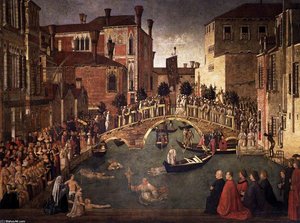
To encounter a work by Mansueti is to enter a space of quiet contemplation. His compositions are rarely mere illustrations of scripture; rather, they are carefully constructed theological meditations. He possessed a singular ability to weave complex religious symbolism into the very fabric of his landscapes and figures. In his celebrated depictions of miracles, such as the Miracle of the Relic of the Holy Cross in Campo San Lio, the artist utilizes subtle tonal gradations to elevate the mundane into the miraculous, guiding the viewer's eye through a landscape of profound spiritual significance.
His technical repertoire was characterized by several defining elements:
- Luminous Glazing: The use of thin, transparent layers of pigment to create an ethereal glow that seems to emanate from within the canvas.
- Devotional Precision: A meticulous approach to detail in religious iconography, ensuring that every saintly attribute and sacred object was rendered with clarity and reverence.
- Classical Serenity: An aesthetic preference for balanced, harmonious compositions that evoke a sense of eternal peace rather than dramatic tension.
In masterpieces such as the Adoration of the Kings, Mansueti captures moments of profound human devotion, blending the majesty of the royal visitors with a tender, intimate atmosphere. His work often serves as a bridge between the monumental scale of the High Renaissance and the delicate, ornamental beauty of the Venetian Quattrocento.
Historical Significance and Artistic Resonance
Though the passage of centuries has rendered much of his personal history lost to us, the historical significance of Giovanni di Niccolò Mansueti remains undeniable. He represents a vital link in the evolution of Venetian art, embodying the transition from the decorative traditions of the late 15th century to the more complex, atmospheric explorations of the 16th century. His refusal to abandon the antique style in favor of fleeting trends allowed him to create works that possess a timeless, almost otherworldly quality.
Today, Mansueti’s oeuvre stands as a testament to the enduring power of the Venetian school. His ability to evoke the divine through symbolic representation—as seen in his powerful interpretations of the Crucifixion—continues to captivate scholars and art lovers alike. He remains a master of the sacred, an artist who found the infinite within the details of the finite, leaving behind a legacy of light, faith, and unparalleled Venetian grace.
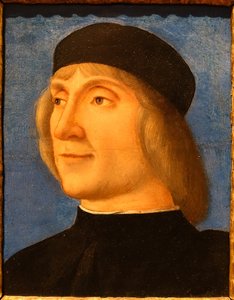
giovanni di niccolò mansueti
1465 - 1527 , Italy
Osnovne informacije
- Artistic Movement Or Style: Antique Style
- Artists Or Movements Influenced By This Artist: ['Cima da Conegliano']
- Artists Who Influenced This Artist: ['Gentile Bellini']
- Date Of Birth: c. 1465
- Date Of Death: March 26, 1527
- Full Name: Giovanni di Niccolò Mansueti
- Nationality: Italian
- Notable Artworks:
- Miracles of the Cross
- St Jerome in the Desert (detail)
- The Miraculous Healing of the Daughter of Benvegnudo
- Place Of Birth: Venice, Italy
Povezani članci
The Golden Light of Innovation: Exploring the Venetian Renaissance Art Movement (1430–1580)
Explore the Golden Age of Venetian art (1430–1580). Discover Giorgione, Titian & Tintoretto's techniques, the 'colorito' revolution, and lasting influence. Expert insights for collectors & enthusiasts.

The Enduring Legacy of Oil on Canvas: Technique, History & Aesthetic Impact
Explore the rich history & techniques of oil painting – from Renaissance masters to Impressionism. Discover pigments, layering methods, and why this timeless medium endures. Expert insights for artists & art enthusiasts.

Jacopo Tintoretto: 25 Remek-dela Venecijanskog Majstora | Reprodukcije i Inspiracija za Dom
Uronite u svet Jacopa Tintoreta! Otkrijte 25 remek-dela venecijanskog renesansnog majstora. Istražite dramatične kompozicije, bogate boje i istoriju umetnosti na ArtsDot.com. Reprodukcije slika za luksuzni enterijer.

The Enduring Power of Painting: A Historical & Contemporary Exploration of Form and Emotion
Explore the rich history & enduring techniques of oil painting with ArtsDot. Discover masterpieces, learn about art collecting, and find authentic handmade reproductions crafted by skilled artists.

Oil on Canvas: A Historical & Technical Exploration of a Timeless Artistic Medium
Explore the rich history & enduring techniques of oil painting on canvas. Discover the science behind its longevity, conservation practices, and contemporary relevance. Expert insights for art enthusiasts.