

 Pregledaj u prostoru
 Pošalji
 Podeli
 Detalji o delu

 Преузми
 Slični predmeti
 Rendgenski snimak
 Slajdovi
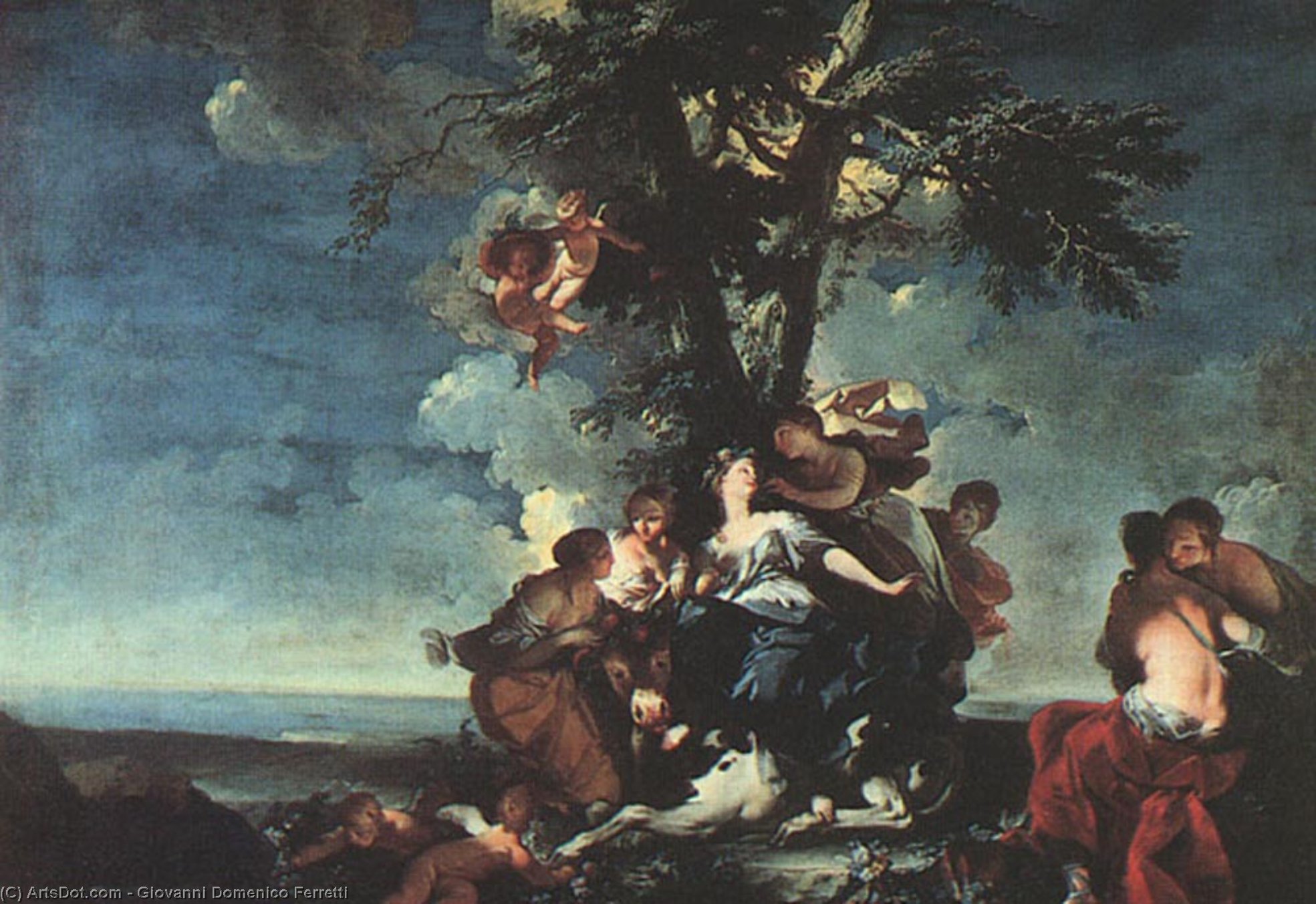
The Rape of Europa
 Oil On Canvas
- WallArt
- Rococo Style
 1720
1720 205.0 x 146.0 cm
 Галерија Уфици
 Pročitaj više
Kupite digitalnu sliku visoke rezolucije i poboljšanog kvaliteta, koja je znatno superiornija od onoga što vidite u online prikazu.
Svaka datoteka je pedantno pripremljena od strane naših stručnjaka koristeći napredne alate i profesionalnu ručnu retušu. Osiguravamo da svaka slika ima izuzetnu oštrinu, preciznu reprodukciju boja i fine detalje.
Konačna datoteka se dostavlja putem e-pošte u roku od 72 sata, optimizovana za neposrednu upotrebu u profesionalnim, izdavačkim i štamparskim okruženjima. To je isti kvalitet kojem veruju vrhunski studiji dizajna, izdavači i galerije.
Digitalna slika
Preuzmite datoteku visoke rezolucije za ličnu upotrebu, štampanje i kreativne projekte. ( Kupi print Kupi ručno naslikanu sliku)
Uključeno uz svaku porudžbinu digitalne slike
Profesionalna digitalna isporuka, zagarantovana
Kada odaberete ArtsDot.com, ne dobijate samo sliku – vi primate profesionalno unapređeno digitalno umetničko delo, izrađeno sa najvećom preciznošću i uz garanciju zadovoljstva. Evo svega što automatski dolazi uz vašu porudžbinu:

Brza dostava putem e-pošte
Vaša digitalna slika visoke rezolucije biće vam poslata putem e-pošte u roku od 72 sata od poručivanja – spremna za trenutnu upotrebu.

Digitalna datoteka unapređena veštačkom inteligencijom
Vaše umetničko delo je profesionalno optimizovano korišćenjem naprednih AI alata i ručne obrade, čime se osiguravaju maksimalni detalji, oštrina i preciznost boja.

Besplatna ponovna isporuka doživotno
Slučajno ste obrisali ili izgubili svoju datoteku? Ne brinite – poslaćemo vam je ponovo u bilo kom trenutku, potpuno besplatno.

Bez troškova uvoza – zauvek
Uživajte u svojim umetničkim delima trenutno, bez carine, dažbina ili troškova dostave – digitalni download je uvek bez poreza.

Garancija vernosti boja
Uz pomoć profesionalnih alata i upravljanja bojama, osiguravamo da vaša digitalna slika što vernije odražava originalne boje.

Garancija zadovoljstva od 100 dana
Ako niste zadovoljni svojom digitalnom slikom, izvršićemo reviziju ili ćemo vam vratiti 100% novca u roku od 100 dana – bez ikakvih pitanja.

100% garancija povrata novca
Niste zadovoljni? Dobijte puni povraćaj novca u roku od 100 dana od prijema digitalne datoteke – bez suvišnih pitanja.

Popusti na velike porudžbine
Kupite 3 slike, uštedite 10% - Kupite 5 slika, uštedite 15% - Kupite 10+ slika, uštedite 20%. Odlično za kreativne projekte, galerije i agencije.
A Mythic Drama Unfolds – The Rape of Europa by Giovanni Domenico Ferretti
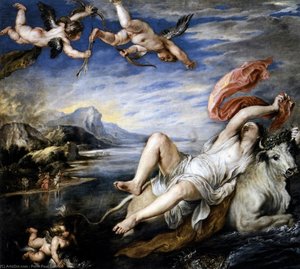
Giovanni Domenico Ferretti’s “The Rape of Europa,” painted in Florence around 1720-1740 and now residing within the hallowed halls of the Uffizi Gallery, is more than just a depiction of Greek mythology; it's a profoundly dramatic tableau brimming with psychological intensity and Baroque artistry. The scene captures a pivotal moment from Ovid’s *Metamorphoses* – Zeus, disguised as a magnificent white bull, abducting Europa, a Phoenician princess, to Crete. Ferretti masterfully translates this ancient narrative into a visually arresting experience, capturing not just the action but also the palpable fear and vulnerability of his subject.
The painting immediately commands attention with its dynamic composition. Europa, poised on the bull’s back, is caught in a moment of exquisite terror – her limbs flung out, her face contorted in surprise and distress. The bull itself is rendered with impressive musculature and a focused gaze, embodying both power and predatory intent. The surrounding figures—a group of onlookers frozen in bewildered observation—add to the sense of unease and helplessness. Ferretti’s use of light and shadow is particularly striking; a dramatic chiaroscuro technique highlights Europa's form, emphasizing her vulnerability against the imposing figure of the bull and the looming darkness of the sea.
Baroque Drama and Florentine Influence
Ferretti was deeply influenced by the Baroque style prevalent in Florence at the time, particularly the work of Sebastiano Ricci. Ricci’s vibrant colors, dynamic compositions, and emphasis on emotional expression are clearly evident in Ferretti's painting. However, Ferretti departs from Ricci’s lighter palette, employing a richer, more somber range of tones that heighten the drama and underscore the tragic nature of the event. The influence of Florentine art academies is also apparent; Ferretti was a member of the Accademia del Disegno, where he honed his skills and absorbed the artistic traditions of the city.
The painting’s historical context is crucial to understanding its power. The Baroque period (roughly 1600-1750) witnessed a renewed interest in classical mythology and a desire to evoke strong emotions through art. Artists sought to capture not just the outward appearance of subjects but also their inner lives, exploring themes of love, loss, faith, and mortality. “The Rape of Europa” perfectly embodies this spirit, offering a visceral portrayal of abduction, fear, and the disruption of innocence.
Symbolism and Emotional Resonance
Beyond its narrative content, "The Rape of Europa" is rich in symbolism. The bull itself represents Zeus’s divine power and his ability to transform himself into any form he desires. Europa's vulnerability symbolizes the loss of innocence and the disruption of order. The onlookers represent humanity’s helplessness in the face of overwhelming forces – a reminder of our own susceptibility to fate and the capricious nature of the gods. The red silk scarf that Europa holds is often interpreted as a symbol of her lost dignity and freedom.
Furthermore, the painting's emotional impact is profound. Ferretti doesn’t shy away from depicting the horror of the abduction; instead, he invites viewers to confront the unsettling reality of violence and exploitation. The scene evokes feelings of pity for Europa, outrage at Zeus’s actions, and a sense of unease about the fragility of human existence. It's a work that continues to resonate with audiences centuries after its creation, prompting reflection on themes of power, morality, and the enduring mysteries of mythology.
A Timeless Masterpiece – Reproduction Possibilities
Reproductions of “The Rape of Europa” offer an exceptional opportunity to bring this dramatic masterpiece into any setting. High-quality prints capture the painting’s rich colors, dynamic composition, and emotional intensity, allowing viewers to appreciate Ferretti's artistry from a new perspective. Whether adorning a grand salon or a smaller study, this iconic image will undoubtedly serve as a focal point of conversation and contemplation – a testament to the enduring power of Baroque art.
Srodna umetnička dela
Biografija umetnika
Giovanni Domenico Ferretti: A Florentine Rococo Master
Early Life and Training
- Giovanni Domenico Ferretti was born in Florence, Italy on June 15, 1692.
- He was the son of Antonio di Giovanni da Imola and Margherita di Domenico Gori, and nephew to the antiquarian Antonio Francesco Gori.
- Ferretti spent part of his youth in Imola before returning to Florence for artistic training.
- His initial studies were undertaken with Tommaso Redi and Sebastiano Galeotti, laying the foundation for his future style.
- He also travelled to Bologna to work under Felice Torelli, broadening his exposure to different techniques.
Career Development & Influences
- Upon returning to Florence in 1715, Ferretti secured a letter of recommendation from Cardinal Gozzadini, aiding his pursuit of patronage.
- He joined the Florentine Accademia del Disegno, where he would later become a teacher.
- Ferretti’s style was significantly influenced by Sebastiano Ricci, particularly Ricci's vibrant and pastel-hued frescoes in the Palazzo Marucelli-Fenzi.
- He also drew inspiration from Bolognese painters like Giuseppe Maria Crespi and Giovanni Gioseffo dal Sole during his early training.
Major Works & Artistic Style
- Ferretti excelled in fresco painting, undertaking numerous commissions for Florentine churches and palazzos.
- Notable projects include decorations at the Badia Fiorentina, the Chapel of San Giuseppe in the Duomo, and the Church of San Salvatore al Vescovo.
- His most ambitious work was the decoration of the ceiling of Santa Maria del Carmine, tragically lost to a fire.
- He also designed tapestries for the Medici family, showcasing his versatility as an artist.
- Ferretti’s style is characterized by its Rococo elegance, dynamic compositions, and use of light and color.
Patronage & Commissions
- Ferretti enjoyed substantial patronage throughout his career, working for prominent families and religious institutions.
- He decorated the Palazzo Amati Cellesi in Pistoia, the Palazzo Sansedoni in Siena, and Villa Flori in Pescia.
- Attribution is given to him for frescoes within the cupola of the Cathedral of San Zeno in Pistoia.
- His ability to adapt his style to different settings contributed to his widespread recognition.
Legacy & Historical Significance
- Giovanni Domenico Ferretti represents a key figure in Florentine Rococo painting.
- He successfully blended influences from various artistic traditions, creating a distinctive and appealing style.
- Although some of his most significant works have been lost, his surviving frescoes and documented commissions demonstrate his skill and importance within the 18th-century art world.
- Ferretti’s contributions to both fresco painting and tapestry design solidified his reputation as a versatile and accomplished artist.
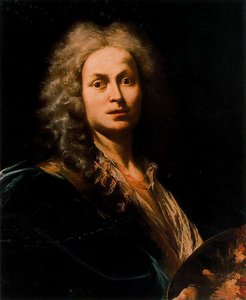
Giovanni Domenico Ferretti
1692 - 1768 , Italy
Kratke činjenice
- Birth Date: 1692-06-15
- Birth Place: Florence, Italy
- Death Date: 1768-08-18
- Influenced By: Giuseppe Maria Crespi, Giovanni Gioseffo dal Sole, Sebastiano Ricci
- Movement: Rococo
- Name: Giovanni Domenico Ferretti
- Nationality: Italian
- Notable Works: Decoration of the ceiling of Santa Maria del Carmine (lost), frescoes at Badia Fiorentina