

 Pregledaj u prostoru
 Pošalji
 Podeli
 Detalji o delu

 Преузми
 Slični predmeti
 Rendgenski snimak
 Slajdovi
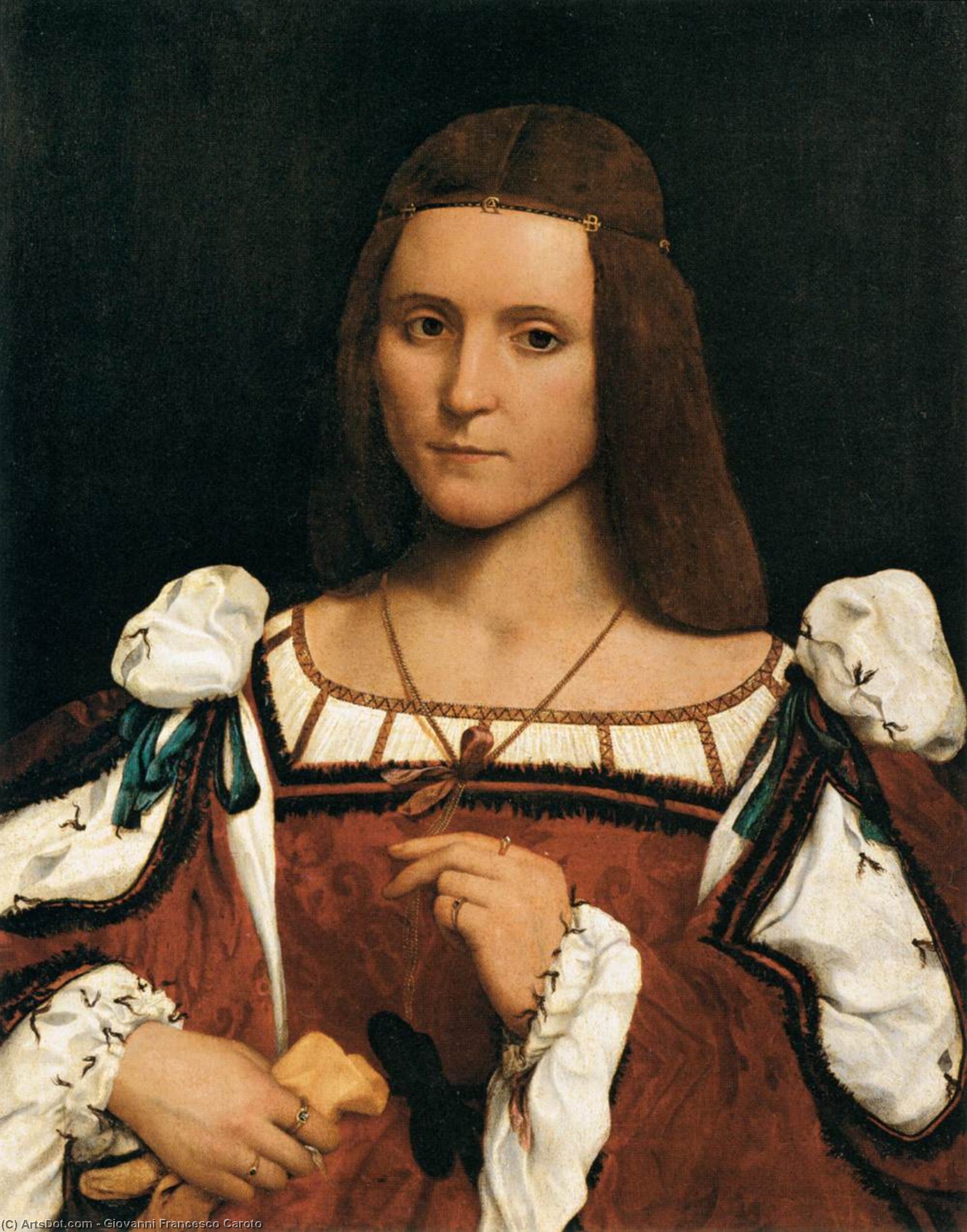
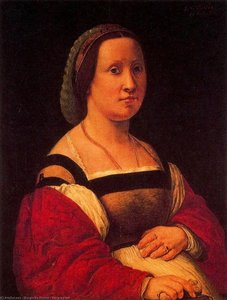
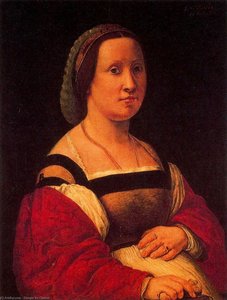
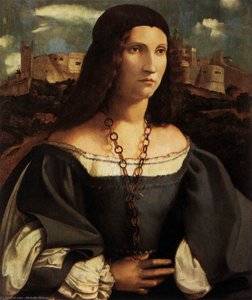
Portrait of a Woman
 Oil On Canvas
- WallArt
- Mannerist Painting
 1505
1505 69.0 x 53.0 cm
 Louvre
 Pročitaj više
Giclee štampa / Umetnički otisak
Giclée štampa ili print na platnu muzejskog kvaliteta uz brzu proizvodnju i fleksibilne opcije završne obrade. ( Kupi ručno naslikanu sliku Kupi digitalnu sliku)




P118B $10

P118H $10

P118W $10

P438Z $10

P508JH $12

P508YH $12

P805H $10

P805Z $10

P919BZ $10

P919G $10

P919XJ $10

P959ZH $10

P968JZ $12

W106C $8

W218G $10

W218JH $8

W218Y $10

W307PJ $10

W316G $10

W316PJ $8

W316Y $10

W398PJ $8

W4111J $10

W500HY $15

W500JH $15

W692G $12

W849H $8

W940BG $15

W953PJ $8




Izaberite jednu od naših unapred definisanih veličina koje odgovaraju originalnim proporcijama umetničkog dela.

Možete uneti sopstvene dimenzije kako biste umetničko delo prilagodili specifičnom okviru ili prostoru. Ako odabrani format ne odgovara proporcijama originalne slike, mi ćemo ili iscrtati deo dela ili proširiti sliku pomoću ogledane ivice ili jednobojnog popunjavanja. Digitalni prikaz će vam biti poslat na odobrenje pre početka proizvodnje.
Imajte na umu da pregled na ekranu ne odražava stvarno iscrtavanje ili proširivanje. Samo će prikaz (mockup) precizno pokazati finalnu kompoziciju.
Iako su prilagođene dimenzije dostupne, preporučujemo da odaberete dimenziju sa unapred definisane liste kako biste očuvali originalne proporcije.
Dostava širom sveta () za 2 nedelje umesto uobičajenih 4/5 nedelja. (31 август)

Besplatna ekspresna dostava širom sveta

Visokokvalitetno laneno platno

Kompletno osiguranje transporta

Garancija povraćaja carine i uvoznih dažbina

Garancija vernosti boja

Politika povrata u roku od 60 dana (samo u slučaju nedostataka)

Garancija povrata novca od 100%

Popust pri grupnoj kupovini
 Opcija sa staklom dostupna je samo za dimenzije manje od 110 cm

Portrait of a Woman
Giclee štampa / Umetnički otisak
Dimenzije reprodukcije
-


Konačna cena
$ 62
A Venetian Master’s Intimate Portrait – Giovanni Francesco Caroto's "Portrait of a Woman"
Giovanni Francesco Caroto’s “Portrait of a Woman,” painted in Verona around 1505, is more than just a depiction of an individual; it’s a window into the burgeoning world of Venetian Mannerism and a testament to the artist’s subtle yet profound understanding of human emotion. This captivating work, now meticulously reproduced for discerning collectors, offers a glimpse into a refined era where portraiture moved beyond simple likenesses towards explorations of psychological depth and artistic innovation.
The subject herself remains enigmatic, presented in a pose that is both graceful and subtly defiant. Dressed in a rich crimson gown – a color historically associated with wealth, passion, and even danger – she holds her gaze just slightly off-center, drawing the viewer into an unspoken dialogue. Her long, flowing brown hair cascades down her shoulders, framing a face marked by quiet intelligence and a hint of melancholy. The inclusion of a delicate necklace suggests both status and perhaps a touch of vulnerability, adding layers to her character.
Caroto’s mastery lies not merely in his technical skill but in his ability to imbue the portrait with atmosphere. He employs a muted palette dominated by earthy tones – ochres, browns, and subtle greens – creating a sense of intimacy and quiet contemplation. The lighting is carefully considered, highlighting the contours of her face and dress while leaving much of the background softly shadowed, contributing to the painting’s overall mood. Notice the delicate brushstrokes that define the fabric's texture and the subtle modeling of her features; these details speak volumes about Caroto’s meticulous approach.
The Rise of Mannerism in Venice
Caroto’s “Portrait of a Woman” is firmly rooted within the Venetian Renaissance, yet it anticipates the stylistic shifts that would define the subsequent era of Mannerism. Following his training under Liberale da Verona and his travels to Milan and other northern Italian centers, Caroto absorbed influences from masters like Mantegna, Raphael, and Leonardo da Vinci. However, he skillfully synthesized these diverse elements into a distinctly Venetian style characterized by elongated figures, complex compositions, and an emphasis on emotional expression rather than strict realism.
Venice during this period was a vibrant hub of artistic innovation, attracting artists from across Europe and fostering a dynamic exchange of ideas. The city’s unique cultural landscape – its maritime trade, its wealth derived from glassmaking and commerce, and its rich history – profoundly shaped the art produced within its walls. Caroto's work reflects these influences, showcasing a sophisticated understanding of perspective, color theory, and human anatomy, while simultaneously pushing the boundaries of traditional portraiture.
Symbolism and Interpretation
While the precise meaning behind the woman’s expression remains open to interpretation, several symbolic elements contribute to the painting's richness. The crimson gown, as mentioned earlier, carries connotations of power and allure, but also hints at potential danger or hidden secrets. The necklace could represent marital status, wealth, or perhaps a connection to religious symbolism – a subtle nod to the Virgin Mary, a common motif in Venetian art.
The background, though relatively simple, is carefully constructed to create a sense of depth and perspective. The presence of two figures in the distance—one on the right and another further back on the left—suggests a domestic setting, perhaps hinting at the woman’s role as a wife or mother. These secondary figures add context without distracting from the central subject, reinforcing the painting's focus on her inner life.
A Timeless Masterpiece – Reproduction and Legacy
Today, “Portrait of a Woman” by Giovanni Francesco Caroto stands as a testament to the enduring power of Venetian art. Its captivating beauty, psychological depth, and masterful technique continue to resonate with viewers centuries after its creation. WGA’s detailed research provides invaluable insight into this piece, highlighting Caroto's journey from Mantua to Venice and his embrace of Mannerist principles.
Our meticulously crafted reproductions capture every nuance of the original painting – the subtle color variations, the delicate brushstrokes, and the evocative atmosphere. Whether adorning a private residence or gracing a corporate space, this reproduction offers a timeless addition to any collection, bringing the artistry of Caroto’s Venetian world into your home.
- Size: 69 x 53 cm
- Date: 1505
- Artist: Giovanni Francesco Caroto
Srodna umetnička dela

Biografija umetnika
Đovani Frančesko Caroto: Venecijanski majstor koji je prihvatio manierizam
Đovani Frančesko Caroto (1480 – 1555) predstavlja ključnu figuru venecijanske renesanse, umetnik čije nasleđe prevazilazi puku tehničku veštinu i obuhvata duboku posvećenost umetničkoj inovaciji i humanističkim idealima. Rođen u Veroni, u Italiji, on je svoje umeće prvobitno usavršavao pod pokroviteljstvom Liberale da Verona, nasleđujući od svog mentora stilsku senzibilnost ukorenjenu u Mantegnovoj uzdržanoj veličanstvenosti – temelj koji će se pokazati presudnim za oblikovanje Carotovog autentičnog umetničkog viziona. Ipak, upravo je njegovo naknadno putovanje u Milano i susreti sa velikaniima poput Frančeska Bonsinjorija, Leonarda da Vinčija, Rafaela i Đulija Romana istinski ga pogurali ka bujanom manierističkom pokretu, označavajući odlučan raskid sa tradicionalnim konvencijama.- Rano obrazovanje i uticaji: Carotove formativne godine odlikovao je preliv u Mantegnovom pedantnom realizmu i klasičnim proporcijama. Ovo utemeljenje pružilo mu je neprocenjive alate za prikazivanje ljudskih figura sa anatomskom preciznošću i prenošenje duhovne dubine – kvaliteta koji će prožimati celokupno njegovo delo.
- <Milanski period i umetnička evolucija: Njegovo vreme provedeno u Milanu svedočilo je značronom širenju njegovih umetničkih horizonta, izlažući ga stilskom dinamizmu Leonarda da Vinčija i Rafaela. Ovi uticaji podstakli su eksperimentisanje sa perspektivom i kompozicionom složenošću, suptilno pomerajući Carotov stil ka ekspresivnim distorzijama karakterističnim za manierizam.
- <Mentorstvo i nasleđe: Možda najznačajnije, Caroto je služio kao učitelj uporedo sa Antoniom Badileom, negujući talenat Paola Veronezea – verovatno najvećeg manierističkog slikara Venecije. Ovaj kolaborativni odnos učvrstio je Carotovo mesto kao posrednika umetničkih inovacija i osigurao da njegov stilski otisak opstane kroz generacije venecijanskih umetnika.
- Značajna dela: Među Carotovim proslavljenim remek-delima nalaze se „Madonna i dete“, koja prikazuje umetnikovu pedantnu pažnju posvećenu detaljima i majstorstvo u upotrebi boje; „Sveti Jeronim (1512)“—piramidalna kompozicija koja odražava uticaj Leonarda da Vinčija—kao i „Devica sa Isusom i svetima“, koja demonstrira njegovu sposobnost da uhvati trenutak duhovnog kontempliranja.
- <Muzej i kolekcije: Njegova umetnička dela krase istaknute muzeje širom Evrope, uključujući Castello u Milanu; crkvu Carità u Mantovi; Galeriju Uffizi i Palatu Pitti u Firenci; kao i zbirke u Draždenu.
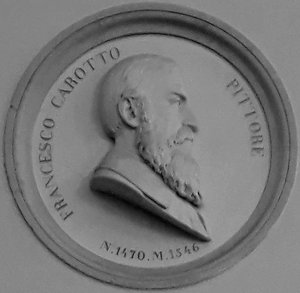
Đovani Franko Karoto
1480 - 1555 , Italija
Osnovne informacije
- Artistic Movement Or Style: Renesansa; Manirizam
- Artists Or Movements Influenced By This Artist: ['Paolo Veroneze']
- Artists Who Influenced This Artist:
- Liberale da Verona
- Andrea Mantegna
- Francesco Bonsignori
- Leonardo da Vinči
- Rafael
- Giulio Romano
- Date Of Birth: Verona, Italija (1480)
- Date Of Death: 1555
- Full Name: Giovanni Francesco Caroto
- Nationality: Italijan
- Notable Artworks:
- Madonna idete
- Sveti Jeronim
- Devica sa Isusom i svetima
- Place Of Birth: Verona
Povezani članci

Jacopo Tintoretto: 25 Remek-dela Venecijanskog Majstora | Reprodukcije i Inspiracija za Dom
Uronite u svet Jacopa Tintoreta! Otkrijte 25 remek-dela venecijanskog renesansnog majstora. Istražite dramatične kompozicije, bogate boje i istoriju umetnosti na ArtsDot.com. Reprodukcije slika za luksuzni enterijer.
Francesco Guardi: Venetian Light, Atmospheric Perspective & the Rococo to Neoclassical Transition
Explore the captivating world of Francesco Guardi, master of Venetian light and atmosphere. Discover his transition from Rococo to Neoclassicism, influence on Impressionism & investment potential with ArtsDot.
The Golden Light of Innovation: Exploring the Venetian Renaissance Art Movement (1430–1580)
Explore the Golden Age of Venetian art (1430–1580). Discover Giorgione, Titian & Tintoretto's techniques, the 'colorito' revolution, and lasting influence. Expert insights for collectors & enthusiasts.
Sebastiano del Piombo: Bridging Venetian Colorism & Roman Grand Manner Portraiture
Explore the captivating art of Sebastiano del Piombo, a Renaissance master bridging Venetian colorism & Roman grandeur. Discover his iconic portraits and lasting influence on art history. Learn more at ArtsDot.
Giovanni Antonio Canal (Canaletto): A Venetian Master of Light, Space & Societal Observation
Explore the life & art of Giovanni Antonio Canal (Canaletto), a Venetian master renowned for his breathtaking cityscapes. Discover his techniques, legacy, and captivating depictions of 18th-century Venice & London.

