

 Pregledaj u prostoru
 Pošalji
 Podeli
 Detalji o delu

 Преузми
 Slični predmeti
 Rendgenski snimak
 Slajdovi
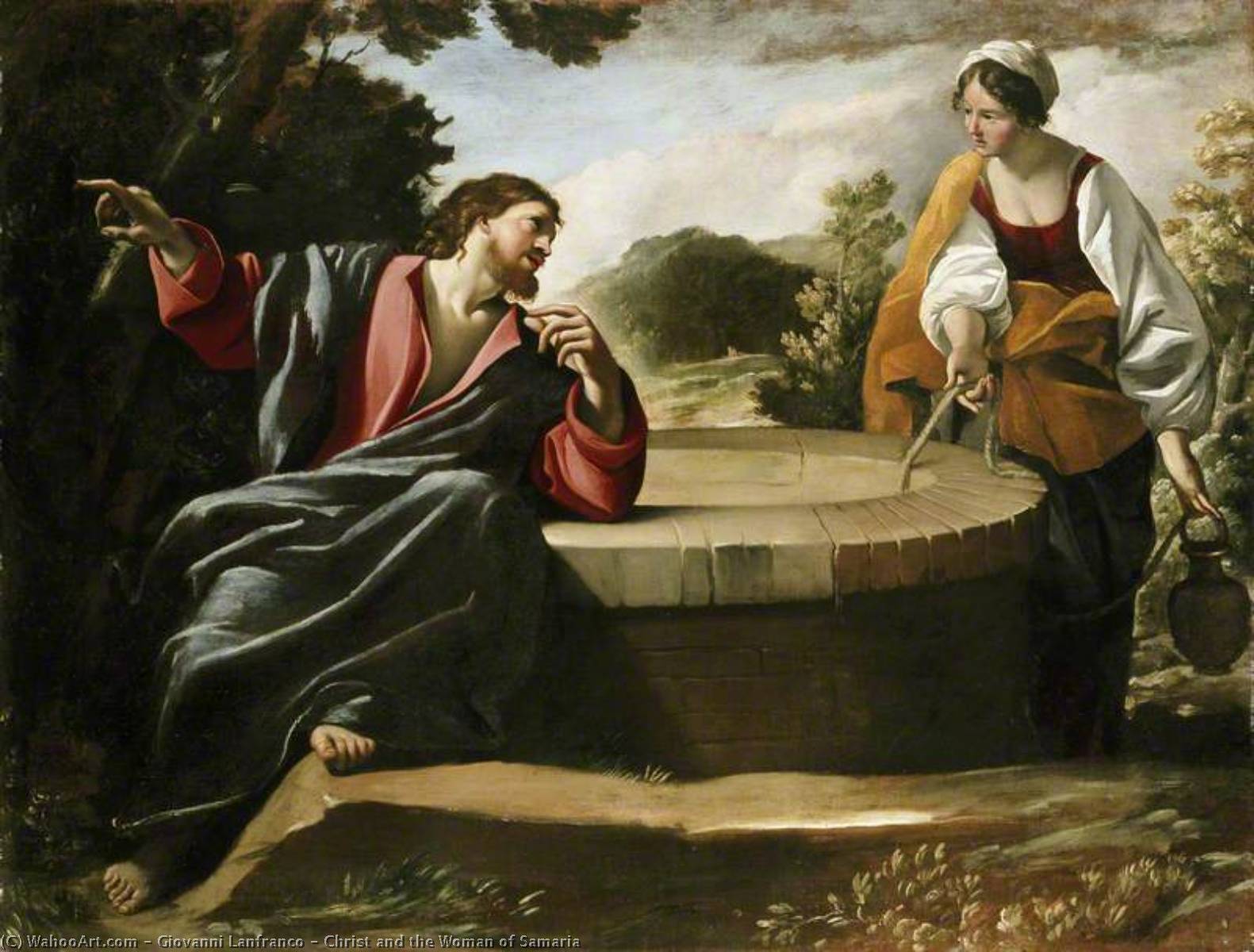
Christ and the Woman of Samaria
 Acrylic On Canvas
- WallArt
- Baroque Painting
 1620
1620 66.0 x 87.0 cm
 Muzej umetnosti i arheologije Ešmolean
 Pročitaj više
Ručno rađena uljana reprodukcija
Ručno oslikano uljanim bojama na platnu u dimenzijama i okviru po vašem izboru, izrađeno po porudžbini od strane naših umetnika. ( Kupi print Kupi digitalnu sliku)




P118B $10

P118H $10

P118W $10

P438Z $10

P508JH $12

P508YH $12

P805H $10

P805Z $10

P919BZ $10

P919G $10

P919XJ $10

P959ZH $10

P968JZ $12

W106C $8

W218G $10

W218JH $8

W218Y $10

W307PJ $10

W316G $10

W316PJ $8

W316Y $10

W398PJ $8

W4111J $10

W500HY $15

W500JH $15

W692G $12

W849H $8

W940BG $15

W953PJ $8




Izaberite jednu od naših unapred definisanih veličina koje odgovaraju originalnim proporcijama umetničkog dela.

Можете унети сопствене димензије како бисте прилагодили дело одређеном оквиру или простору. Ако одабрана величина не одговара пропорцијама оригинала, слика ће бити исечена или проширена додатним елементима који се ручно насликавају. Дигитални prikaz ће вам бити послат на одобрење пре почетка производње.
Имајте на уму да преглед на екрану не одражава стварно исецање или проширење. Само приказ (mockup) ће тачно приказати коначну композицију.
Иако су доступне прилагођене величине, препоручујемо да одаберете димензију из дефинисане листе како бисте сачували оригиналне пропорције.
Nakon narudžbine, tim ArtsDot.com će klijentu putem e-pošte poslati uputstva i dostaviti prikaz predloženog rešenja
Isporuka širom sveta () za 3/4 nedelje umesto uobičajenih 5 nedelja. (28 август). Bez kompromisa po pitanju kvaliteta.

Besplatna ekspresna dostava širom sveta

Visokokvalitetno laneno platno

Kompletno osiguranje transporta

Garancija povraćaja carine i uvoznih dažbina

Garancija vernosti boja

Politika povrata u roku od 60 dana (samo u slučaju nedostataka)

Garancija povrata novca od 100%

Popust pri grupnoj kupovini
 Opcija sa staklom dostupna je samo za dimenzije manje od 110 cm

Christ and the Woman of Samaria
Tehnika reprodukcije
Dimenzije reprodukcije
-


Konačna cena
$ 263
Giovanni Lanfranco’s “Christ and the Woman of Samaria”: A Baroque Revelation
The fresco "Christ and the Woman of Samaria," painted by Giovanni Lanfranco in 1620, stands as a pivotal work within the artist's oeuvre and a compelling example of the dynamism and dramatic intensity characteristic of the High Renaissance’s transition into the Baroque. Housed today at the Ashmolean Museum in Oxford, this scene from the Gospel of John is not merely a depiction of biblical narrative; it’s an immersive experience, a carefully constructed tableau designed to evoke both spiritual contemplation and immediate emotional response. Lanfranco, trained under the tutelage of Agostino Carracci and later working within Annibale Carracci's workshop in Rome, masterfully synthesizes influences from his predecessors while forging a distinctly personal style marked by dramatic lighting, complex spatial arrangements, and an almost theatrical use of color.
The composition itself is immediately arresting. Jesus Christ, rendered with a serene yet commanding presence, engages in a conversation with a Samaritan woman at a well – a location imbued with symbolic significance within the Gospel story. The woman’s forward lean, her eager gaze directed towards Christ, speaks volumes about her transformation and the profound impact of their encounter. Surrounding them is a bustling scene: disciples observing from behind, a partially visible walled city hinting at the Samaritan community, and a detailed landscape that stretches into the distance, creating a sense of depth and perspective rarely achieved in earlier Italian painting. Lanfranco’s use of *chiaroscuro*, the dramatic interplay of light and shadow, is particularly noteworthy; it not only illuminates key figures but also serves to heighten the emotional intensity of the scene, drawing the viewer's eye towards Christ and the woman.
The Language of Gesture and Symbolism
Beyond its technical brilliance, “Christ and the Woman of Samaria” is rich in symbolic detail. The well itself represents a source of spiritual refreshment – a metaphor for salvation offered by Christ to those who are thirsty for divine grace. The woman’s gesture, pointing towards something unseen, suggests her openness to revelation and her willingness to embrace faith. Even the placement of the figures within the landscape is deliberate; the receding city walls symbolize the limitations of earthly concerns, while the open space invites contemplation about the boundless nature of God's love. Lanfranco doesn’t simply illustrate a biblical story; he uses every element of the composition – from the color palette to the spatial arrangement – to convey a deeper theological message.
Interestingly, this particular scene was not entirely unique in its artistic representation. Artemisia Gentileschi created her own version of “Christ and the Woman of Samaria” around 1637, demonstrating that the narrative resonated strongly with female artists as well. While both paintings share a similar composition and subject matter, they differ significantly in their stylistic approaches – Gentileschi’s work is characterized by a greater sense of realism and emotional intensity, while Lanfranco's leans towards a more idealized and theatrical presentation. Studying these two versions side-by-side offers valuable insights into the evolving artistic conventions of the Baroque period.
Lanfranco’s Context: Rome and the Papal Patronage
Giovanni Lanfranco’s career flourished during a period of immense artistic activity in Rome, fueled by the patronage of Pope Paul V. He was deeply involved in the decoration of several prominent papal palaces, including the Galleria Farnese and the Quirinale Palace. This exposure to the grand scale and ambitious projects of the Vatican provided him with invaluable experience and honed his skills as a fresco painter. Lanfranco’s ability to create illusionistic effects – particularly in ceiling frescoes – was highly prized by the papacy, and he became one of the leading artists commissioned to adorn the interiors of Rome's most important buildings.
Furthermore, Lanfranco’s artistic development was shaped by his apprenticeship with Annibale Carracci, a key figure in the revival of classical art within the Renaissance. Carracci’s emphasis on naturalism and anatomical accuracy influenced Lanfranco’s approach to depicting human figures, while his innovative use of perspective informed Lanfranco's own compositional strategies. The legacy of these influences is evident throughout “Christ and the Woman of Samaria,” where Lanfranco skillfully blends classical ideals with Baroque dynamism.
A Timeless Masterpiece: Reproduction Possibilities
“Christ and the Woman of Samaria” remains a powerfully evocative work of art, offering viewers a glimpse into the spiritual and emotional landscape of the Baroque era. Today, high-quality reproductions are available through various sources, allowing art enthusiasts to bring this masterpiece into their homes or offices. When selecting a reproduction, consider the medium – oil on canvas offers exceptional detail and color fidelity, while fine art prints provide an affordable alternative. Whether you choose a traditional print or a more contemporary format, a reproduction of Lanfranco’s fresco will undoubtedly serve as a captivating focal point, sparking conversation and inspiring contemplation for years to come.
Srodna umetnička dela
Biografija umetnika
Đovani Lanfranko: Istaknuta figura baroknog slikarstva
- Rođen: Parma, Italija (1582)
- Preminuo: 1647.
Rani život i obuka
Đovani Gaspare Lanfranko rođen je u Parmi 1582. godine, kao treći sin Stefana i Kornelije Lanfranki. Njegov umetnički talenat prepoznat je veoma rano, što ga je dovelo do učenja pod okriljem Agostina Karacija, brata čuvenog bolonjeznog umetnika Anibale Karacija. Svoje prve korake gradio je radeći pored Sista Badalokija u palatima Farnese u Parmi. Lanfrankova obuka nastavila je da se odvija u ogromnom ateljeu Anibale Karacija u Rimu, gde je učestvovao u projektima poput Galerije Farnese, doprinoseći radu na panelu koji prikazuje Polifema i Galateju. Ovo period izloženosti živopisnom umetničkom okruženju postavio je neuništive temelje za njegovu buduću, veličanstvenu karijerom.
Razvoj i umetnički stil
Nakon smrti Anibale Karacija 1609. godine, Lanfranko se nakratko vratio u Parmi pre nego što se do 1612. godine ponovo učvrstio u Rimu. Tamo je razvio prepoznatljiv stil koji su odlikavale dinamične kompozicije, teatralno osvetljenje i vizionarski pristup, posebno prilagođen freskama na plafonima. Iako je bio pod uticajem kasnih dela Ludovika Karacija, a možda i samog Karavaja, pokazao je i snažnu bliskost sa dekorativnim stilom Koređija. Njegova rana dela otkrivaju eklektičan raspon, prožet elementima raznih majstora, dok je postepeno klesao sopstveni umetnički put. Ključni aspekt njegovog razvoja bila je sposobnost stvaranja iluzionističkih efekata u freskom, što je značajno doprinelo razvoju same barokne estetike.
Velika dostignuća i porudžbine
Lanfrankova karijera cvatila je pod pokroviteljstvom pape Pavla V, koji mu je poverio brojne radove. Njegova dostignuća ostala su upisana u istoriju kroz remek-dela kao što su:
- Freske u Palati Matei: Delo koje je demonstriralo njegov rastući majstorstvo u perspektivi i iluzionizmu.
- Plafon u Vili Borgaze (Bogovi Olimpa): Monumentalno delo koje prikazuje složenu naraciju i dinamične figure.
- Sala de' Corazzieri i Sala Regia u Palati Kvirinale: Radovi koji su dodatno utvrdili njegovu reputaciju vodećeg umetnika freske u Rimu.
- Uznesenje Device u crkvi Sant’Andrea della Valle: Smatra se njegovim vrhunskim remek-delom; ova ambiciozna freska na kupoli čuvena je po dramatičnom osvetljenju, prepunoj kompoziciji i inovativnoj upotrebi perspektive, savršeno otelovljujući barokni naglasak na veličanstvenosti i emocionalnom snažu.
Uticaj i istorijski značaj
Đovani Lanfranko odigrao je presudnu ulogu u oblikovanju umetničkog pejzaža Rima u 17. veku. Takmičio se sa Domenikinom za velike porudžbine, doprinoseći periodu intenzivnog rivalstva među vodećim umetnicima tog vremena. Njegov inovativni pristup slikanju fresaka, naročito majstorstvo u iluzionističkim tehnikama i dramatičnim kompozicijama, uticalo je na generacije umetnika koji su došli nakon njega. Lanfrankovo delo odražava šire trendove barokne ere — fokus na dinamiku, emociju i grandioznost — i učvrstilo je njegovo mesto kao jednog od najvažnijih slikara svog doba. Njegov neizbrisivi uticaj jasno se može videti u kasnijim radovima Franeska Solimene i drugih istaknutih italijanskih umetnika.
Đovani Lanfranko
1582 - 1647 , Italija
Osnovne informacije
- Artistic Movement Or Style: Barokno slikarstvo
- Artists Or Movements Influenced By This Artist: ['Francesco Solimena']
- Artists Who Influenced This Artist:
- Correggio
- Annibale Carracci
- Ludovico Carracci
- Date Of Birth: 26. januar 1582.
- Date Of Death: 30. novembar 1647.
- Full Name: Giovanni Lanfranco
- Nationality: Italijan
- Notable Artworks:
- Propet Ilija probuđen
- Sveti Luka
- Venus svira harfu
- Freska bogova Olimpa
- Place Of Birth (City And Country): Parma, Italija
Povezani članci

Барокна драма: Уношење величине и емоција у савремене ентеријере
Откријте барокну драму и унесите величину у ваш ентеријер! ArtsDot нуди ручно насликане репродукције, персонализоване портрете и стручне консултације за љубитеље класичне уметности. Потражите савршено дело већ данас!

The Visceral Stage: Exploring Dramatic Narratives & Emotional Intensity in Baroque Art
Explore the dramatic world of Baroque art! Discover iconic masters like Caravaggio & Rembrandt, their techniques, and the movement's lasting impact. Expert insights for collectors & enthusiasts at ArtsDot.

Barok Majstor dela: Top 10 Umjetničkih Remeka za Vaš Dom
Otkrijte 10 remek dela koja su definisala baroknu umetnost! Karavagio, Bernini i više – istražite priče iza ovih ikoničnih slika. Inspiracija za vaš dom? Pogledajte kolekciju na ArtsDot.com!
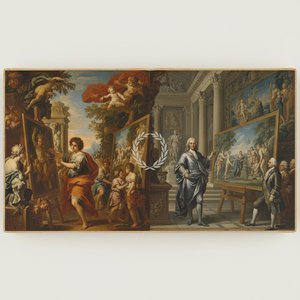
Simon Vouet: A Baroque Master's Journey from Italian Influence to French Classicism
Explore the life & art of Simon Vouet, a pivotal French Baroque painter who introduced Italian styles to France. Discover his masterpieces and lasting influence on 17th-century art.

The Dramatic Flourish: Exploring the Baroque Movement's Enduring Legacy in Art History
Explore the dramatic world of Baroque art! Discover iconic artists like Caravaggio & Rubens, defining techniques, and its lasting impact on art history. Expert insights for collectors & enthusiasts at ArtsDot.

