

 Pregledaj u prostoru
 Pošalji
 Podeli
 Detalji o delu

 Преузми
 Slični predmeti
 Rendgenski snimak
 Slajdovi
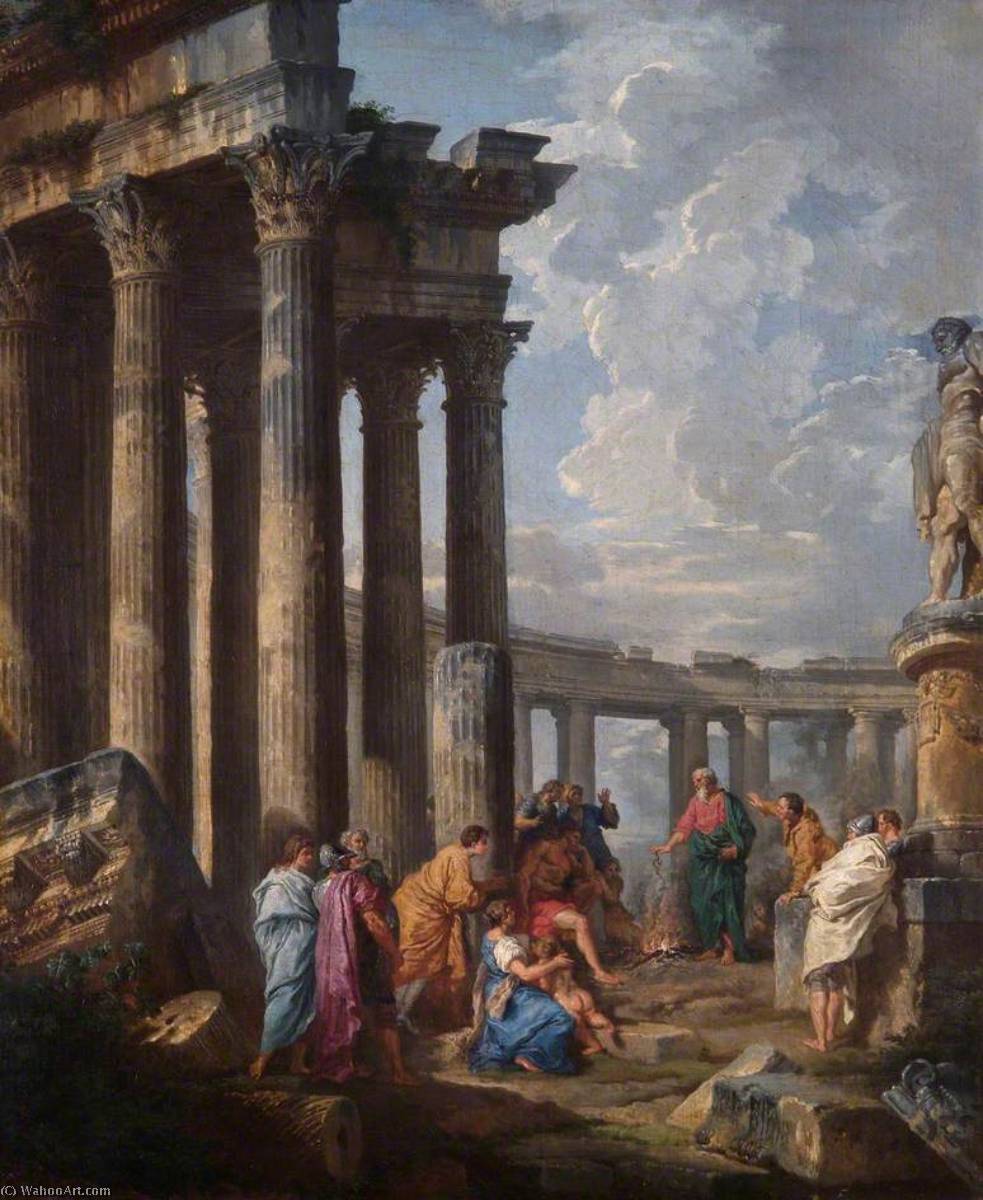
Saint Paul at Malta Grasping the Viper
 Oil On Canvas
- WallArt
- Rococo Panini
 1735
1735 76.0 x 64.0 cm
 English Heritage
 Pročitaj više
Giclee štampa / Umetnički otisak
Giclée štampa ili print na platnu muzejskog kvaliteta uz brzu proizvodnju i fleksibilne opcije završne obrade. ( Kupi ručno naslikanu sliku Kupi digitalnu sliku)




P118B $10

P118H $10

P118W $10

P438Z $10

P508JH $12

P508YH $12

P805H $10

P805Z $10

P919BZ $10

P919G $10

P919XJ $10

P959ZH $10

P968JZ $12

W106C $8

W218G $10

W218JH $8

W218Y $10

W307PJ $10

W316G $10

W316PJ $8

W316Y $10

W398PJ $8

W4111J $10

W500HY $15

W500JH $15

W692G $12

W849H $8

W940BG $15

W953PJ $8




Izaberite jednu od naših unapred definisanih veličina koje odgovaraju originalnim proporcijama umetničkog dela.

Možete uneti sopstvene dimenzije kako biste umetničko delo prilagodili specifičnom okviru ili prostoru. Ako odabrani format ne odgovara proporcijama originalne slike, mi ćemo ili iscrtati deo dela ili proširiti sliku pomoću ogledane ivice ili jednobojnog popunjavanja. Digitalni prikaz će vam biti poslat na odobrenje pre početka proizvodnje.
Imajte na umu da pregled na ekranu ne odražava stvarno iscrtavanje ili proširivanje. Samo će prikaz (mockup) precizno pokazati finalnu kompoziciju.
Iako su prilagođene dimenzije dostupne, preporučujemo da odaberete dimenziju sa unapred definisane liste kako biste očuvali originalne proporcije.
Dostava širom sveta () za 2 nedelje umesto uobičajenih 4/5 nedelja. (26 август)

Besplatna ekspresna dostava širom sveta

Visokokvalitetno laneno platno

Kompletno osiguranje transporta

Garancija povraćaja carine i uvoznih dažbina

Garancija vernosti boja

Politika povrata u roku od 60 dana (samo u slučaju nedostataka)

Garancija povrata novca od 100%

Popust pri grupnoj kupovini
 Opcija sa staklom dostupna je samo za dimenzije manje od 110 cm

Saint Paul at Malta Grasping the Viper
Giclee štampa / Umetnički otisak
Dimenzije reprodukcije
-


Konačna cena
$ 62
Opis predmeta
A Moment of Resolve: Giovanni Paolo Panini’s “Saint Paul at Malta Grasping the Viper”
Giovanni Paolo Panini's "Saint Paul at Malta Grasping the Viper," painted in 1735, is more than a depiction of a biblical scene; it’s a meticulously crafted tableau of Roman theatricality and Baroque drama. This work, housed within the Wellington Collection at Apsley House, transports us to a pivotal moment in the life of Saint Paul – his encounter with the venomous serpent on the island of Malta, an event recounted in Acts of the Apostles. Panini, a master of illusionistic space and architectural fantasy, doesn’t simply record this narrative; he orchestrates it within a carefully constructed environment that speaks volumes about 18th-century artistic sensibilities and the power of visual storytelling.
The scene unfolds before two imposing stone pillars, reminiscent of Roman ruins yet undeniably theatrical in their arrangement. These aren't mere architectural supports but active participants in the drama, framing Saint Paul – a figure radiating both authority and vulnerability – as he wrestles with the viper that bit him. The figures surrounding him are not static; they engage in gestures of concern, anticipation, and perhaps even fear, creating a dynamic interplay of human emotion within the monumental setting. Notice the detail in their clothing—the rich fabrics, the elaborate hairstyles—reflecting the opulence and social status of the era. Panini’s skill lies not just in rendering individual features but in capturing the overall atmosphere of heightened drama, mirroring the stagecraft he'd honed during his early career decorating palaces.
The Art of Illusion: Panini’s Technique
Panini was renowned for his ability to create convincing illusions within a painted space. “Saint Paul at Malta” is a prime example of this technique, known as *trompe-l'œil* – literally "fool the eye." The pillars, the surrounding figures, and even the subtle folds in the drapery are rendered with such precision that they appear almost three-dimensional, blurring the line between painting and reality. This mastery of perspective and spatial illusion was a hallmark of Panini’s style, influenced by his early work designing stage sets for opera houses. He employed a complex system of vanishing points and carefully calibrated foreshortening to achieve this effect, creating an immersive experience for the viewer.
The painting's color palette is rich and warm, dominated by earthy tones—ochres, browns, and reds—contrasting with the cool blues and greens of the background. This creates a sense of depth and atmosphere, drawing the eye into the scene. Panini’s brushwork is remarkably smooth and controlled, particularly evident in the rendering of fabrics and textures. He utilized layering techniques to build up the forms gradually, achieving a remarkable level of detail and realism despite the overall illusionistic nature of the work.
Symbolism and Spiritual Significance
Beyond its visual spectacle, “Saint Paul at Malta” is laden with symbolic meaning. The viper itself represents temptation, evil, and the challenges faced by those who follow a spiritual path. Saint Paul’s struggle to control the serpent symbolizes his own internal battles against sin and doubt. The act of grasping the viper signifies his triumph over these forces—a testament to his faith and resilience. The scene can be interpreted as an allegory for the Christian journey, fraught with peril but ultimately leading to salvation.
Furthermore, the setting – a Roman-inspired landscape – connects the biblical narrative to the grandeur of antiquity. Panini was deeply fascinated by classical Rome and its architectural legacy, and his paintings often incorporated elements of Roman ruins and mythology. This juxtaposition of the sacred and the secular reflects the broader cultural context of 18th-century Italy, where religious faith coexisted with a renewed interest in classical learning and art.
A Legacy of Vision: Panini’s Influence
Giovanni Paolo Panini's work profoundly influenced subsequent generations of artists. His meticulous attention to detail, his mastery of perspective, and his ability to create convincing illusions set a new standard for landscape painting and architectural fantasy. Artists like Canaletto and Guardi were deeply indebted to Panini’s techniques, adopting his methods for depicting urban landscapes and creating atmospheric effects. His legacy extends beyond the realm of art; he is considered one of the key figures in shaping the visual culture of 18th-century Italy, a master of capturing both the beauty and the illusion of the world around him.
Srodna umetnička dela
Biografija umetnika
Мајстор римских визија: Живот и уметност Ђовани Паоло Панинија
Ђовани Паоло Панини, име синоним за величину и романтичну привлачност Рима у 18. веку, био је више од обичног сликара; он је био визуелни архитекта сећања. Рођен у Пјаченци 1691. године, његов уметнички пут започео је под менторством Ђузепеа Натаља и Андрее Галијуција, али је изложеност позоришним дизајнима Франческа Гали-Бибиене заправо распалила његову машту. Ово рана уроњеност у сценску уметност би дубоко утицала на његов каснији рад, дајући му осећај драматичне композиције и илузионог простора. 1711. године Панини се преселио у Рим, град већ прожет уметничком историјом, где је усавршио своје вештине под вођством Бенедета Лутија, савладавајући вештину цртања и постављајући основу за његово будуће мајсторство перспективе.Фреске до видова: Еволуција уметничког стила
Панинијев почетни успех није дошао као платнар, већ као декоратер палата. Његове фреске су украшавале зидове истакнутих римских резиденција, укључујући Вилу Патрици (1719-1725), Палацо де Каролис (1720) и Семинарио Романо (1721-1722). Ове ране поруџбине су му омогућиле да развије своју техничку вештину и успостави репутацију у римским уметничким круговима. Међутим, његово прихватање *видуа*, или сликарства пејзажа, на крају би дефинисало његово наслеђе. За разлику од ранијих топографских уметника који су се фокусирали на прецизну документацију, Панини је унео осећај имагинативне реконструкције у своје приказе Рима. Он није само забележио оно што је видео; он га је поново замислио, мешајући постојеће структуре са фрагментима древних рушевина и фантастичним архитектонским елементима. Овај приступ, често називан *капричо*, омогућио му је да креира сцене које су биле препознатљиве и сновске, захватајући дух Рима слојевите историје. Његово чланство у Congregazione dei Virtuosi al Pantheon 1719. године сигнализирало је његово растуће признање у римском свету уметности, и ускоро је постао тражени уметник међу Великим туристима – богатим младим Европљанима који су путовали Италијом да би завршили своје образовање.Привлачност рушевина и Панинијева пројекција
Панинијева фасцинација рушевинама није била само естетски избор; то је одражавало ширу интелектуалну струју његовог времена – растуће интересовање за класичну антику и меланхоличну свест о њеној крхкости. Мајсторски је приказао иконичке знаменитости попут Пантеона, Колизеума и Римског форума, често их уоквирујући драматичним осветљењем и атмосферским ефектима. Али он се није зауставио на томе. Често је комбиновао елементе из различитих структура у једну композицију, стварајући фантастичне визије које су славиле римско архитектонско наслеђе, а истовремено признавале његово стање распада. Овај иновативни приступ перспективи – његова способност да створи убедљиву илузију дубине и простора – довео је до развоја онога што је постало познато као „Панинијева пројекција“, техника која је била од суштинског значаја за рендеринг панорамских призора. Пројекција је омогућила уметницима да прецизно представе широке сцене, што је било непроцењиво за архитектонске скице и сликарство пејзажа.Утицај и наслеђе: Трајан утицај на историју уметности
Утицај Ђовани Паоло Панинија се протезао далеко ван његовог живота. Био је поштовани учитељ на Accademia di San Luca и Académie de France у Риму, обликујући уметничку сензибилност генерације уметника. Међу његовим ученицима био је Хуберт Роберт, који би такође постао познат по својим приказима рушевина, иако са отвореније романтичном осећајем. Панинијев стил се одразио и на друге *ведутистичке* уметнике, укључујући Антонија Јолија и Шарла-Луија Клерисоа, инспиришући их да истраже могућности архитектурног сликарства. Његови радови се сада чувају у престижним збиркама широм света, укључујући музеј Прадо, Лувр и Museo Nazionale di Capodimonte, сведочећи његовом трајном апелу.Истраживање Панинијевог света данас
Данас можемо и даље искусити задивљујућу лепоту Панинијевих радова кроз бројне репродукције и изложбе. Његове слике нуде јединствени прозор у Рим у 18. веку – град препун историје, уметности и интелектуалне радозналости. Испитавање његове мајсторства перспективе, његових имагинативних композиција и његових евокативних приказа рушевина омогућава нам да ценимо не само његову техничку вештину, већ и његово дубоко разумевање односа човека са временом, сећањем и трајном моћи уметности.- Истражите радове: Храм Дијане, Унутрашњост Светог Петра, Рим, Унутрашњост Пантеона, Рим.
- Даље истраживање: Откријте више о Панинијевом животу и раду кроз ресурсе попут Википедије и Националне галерије уметности.
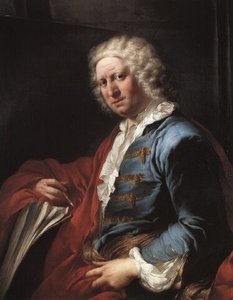
Ђовани Паоло Панини
1691 - 1765 , Италија
Osnovne informacije
- Artistic Movement Or Style: Barok, Vedutizam
- Artists Or Movements Influenced By This Artist:
- Hubert Robert
- Antonio Joli
- Charles Clérisseau
- Artists Who Influenced This Artist:
- Giuseppe Natali
- Andrea Galluzzi
- F.Galli-Bibiena
- Date Of Birth: 1691
- Date Of Death: 1765
- Full Name: Giovanni Paolo Panini
- Nationality: Italijan
- Notable Artworks (List Of Titles):
- Pantheon Unutrašnjost
- Pogledi na Rim
- Kapriči
- Place Of Birth (City And Country): Piacenza, Italija
Povezani članci
Paul Klee: 25 Remek-dela za Ljubitelje Umetnosti i Inspirisan Dekor Doma
Istražite 25 remek-dela Paula Klea! Otkrijte priče iza ikoničnih slika, apstraktnog ekspresionizma i bogate palete boja. Inspiracija za dekoraciju enterijera & reprodukcije vrhunskog kvaliteta na ArtsDot.com.

Paul Cézanne: 25 Remek-dela Revolucionarnog Umjetnika | ArtsDot
Istražite 25 remek-dela Paula Cézanna, revolucionarnog slikara impresionizma i postimpresionizma. Otkrijte priče iza ikoničnih pejzaža, portreta i mrtve prirode. Kupite luksuzne reprodukcije slika na ArtsDot.com!
Giovanni Paolo Panini: Capturing Roman Grandeur – A Vedute Master's Legacy
Explore the captivating world of Giovanni Paolo Panini, master of Roman vedute painting. Discover his technique, iconic works, influence on art history & collecting advice from experts at ArtsDot.
Giovanni Giacometti: Sculpting Existentialism – A Study of Form, Space, and the Human Condition
Explore the profound artistic journey of Giovanni Giacometti, father to Alberto. Discover his unique transition from Surrealism to Existentialist sculpture and painting – a compelling study for elite collectors and art enthusiasts.
Paolo Veronese: A Renaissance Master of Color, Composition, and Venetian Splendor
Explore the vibrant world of Paolo Veronese, a Renaissance master renowned for his opulent compositions, masterful use of color, and dramatic Venetian scenes. Discover key artworks & legacy.

