

 Pregledaj u prostoru
 Pošalji
 Podeli
 Detalji o delu

 Преузми
 Slični predmeti
 Rendgenski snimak
 Slajdovi
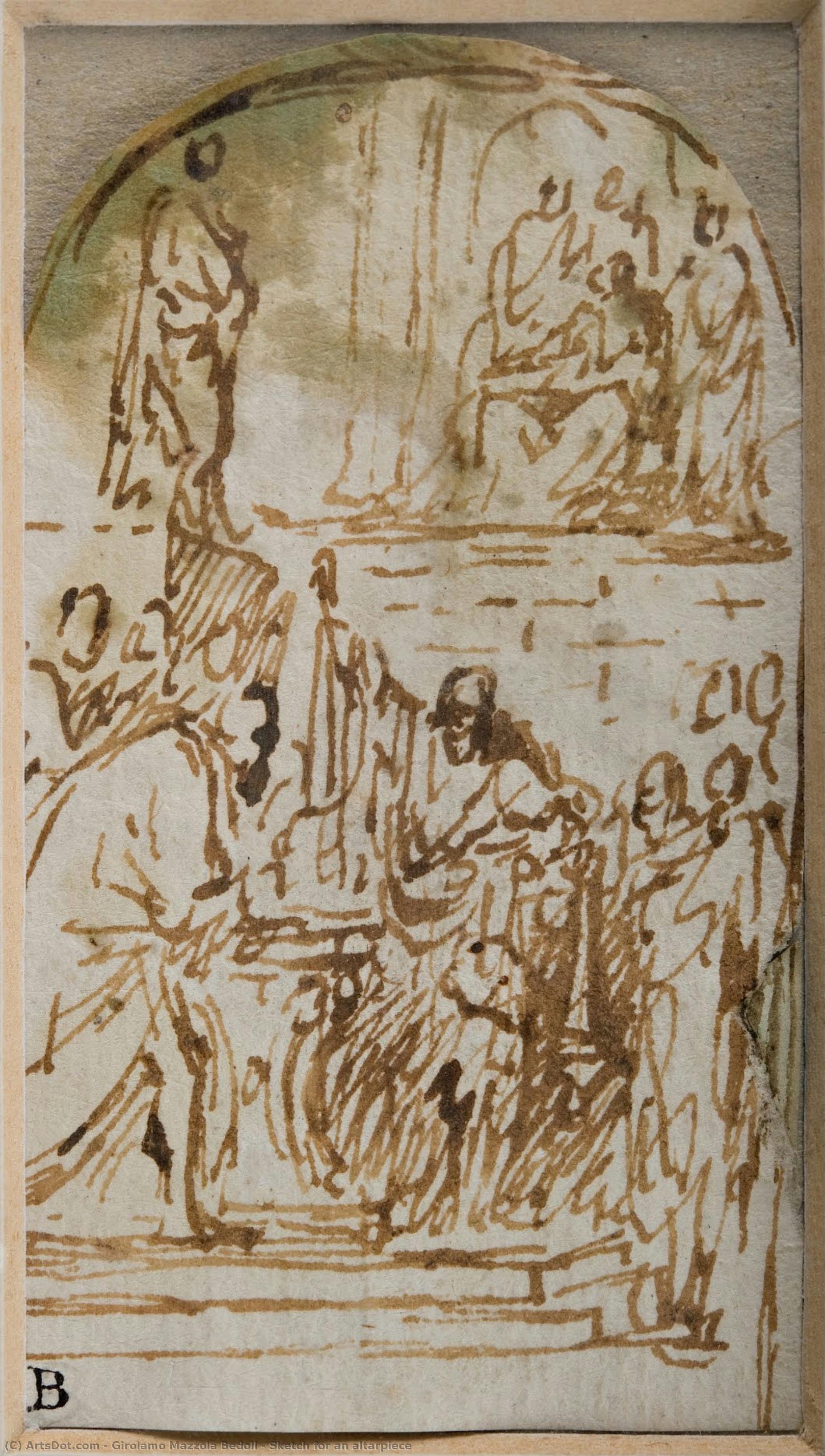
Sketch for an altarpiece


 Pročitaj više
Giclee štampa / Umetnički otisak
Giclée štampa ili print na platnu muzejskog kvaliteta uz brzu proizvodnju i fleksibilne opcije završne obrade. ( Kupi ručno naslikanu sliku Kupi digitalnu sliku)




































Izaberite jednu od naših unapred definisanih veličina koje odgovaraju originalnim proporcijama umetničkog dela.

Možete uneti sopstvene dimenzije kako biste umetničko delo prilagodili specifičnom okviru ili prostoru. Ako odabrani format ne odgovara proporcijama originalne slike, mi ćemo ili iscrtati deo dela ili proširiti sliku pomoću ogledane ivice ili jednobojnog popunjavanja. Digitalni prikaz će vam biti poslat na odobrenje pre početka proizvodnje.
Imajte na umu da pregled na ekranu ne odražava stvarno iscrtavanje ili proširivanje. Samo će prikaz (mockup) precizno pokazati finalnu kompoziciju.
Iako su prilagođene dimenzije dostupne, preporučujemo da odaberete dimenziju sa unapred definisane liste kako biste očuvali originalne proporcije.
Dostava širom sveta () za 2 nedelje umesto uobičajenih 4/5 nedelja. (28 август)

Besplatna ekspresna dostava širom sveta

Visokokvalitetno laneno platno

Kompletno osiguranje transporta

Garancija povraćaja carine i uvoznih dažbina

Garancija vernosti boja

Politika povrata u roku od 60 dana (samo u slučaju nedostataka)

Garancija povrata novca od 100%

Popust pri grupnoj kupovini
 Opcija sa staklom dostupna je samo za dimenzije manje od 110 cm

Sketch for an altarpiece
Giclee štampa / Umetnički otisak
Dimenzije reprodukcije
-


Konačna cena
$ 62
Srodna umetnička dela









Biografija umetnika
The Grace of Parma: The Life and Art of Girolamo Mazzola Bedoli
In the vibrant, swirling currents of the Italian Mannerist period, few names capture the elegance and stylistic complexity of the Parma school quite like Girolamo Mazzola Bedoli. Born in Viadana around 1500, Bedoli emerged from a landscape deeply enriched by the artistic legacies of Lombardy and the sophisticated atmosphere of Parma. While history often casts him in the long, graceful shadow of his more famous cousin, Parmigianino, Bedoli was far more than a mere follower. He was a master in his own right, a painter whose brush captured the tension, movement, and psychological nuance that defined an era of transition from the balanced ideals of the High Renaissance to the expressive distortions of Mannerism.
Bedoli’s artistic identity was forged within the prestigious studio of his father-in-law, Pier Iancu Mazzola. This connection provided him with a front-row seat to the most cutting-edge stylistic innovations of the sixteenth century. Through this lineage, Bedoli absorbed the fluid lines and ethereal beauty championed by Parmigianino, yet he infused these influences with a distinct sensibility shaped by his early exposure to Venetian traditions. His training allowed him to master a diverse array of disciplines, ranging from the monumental scale of fresco painting to the intimate precision of portraiture and the architectural elegance of tomb design. This versatility made him an indispensable figure in the cultural fabric of Parma, capable of decorating both the grandest cathedrals and the most private devotional spaces.
Mastery of Form and Mannerist Expression
The true essence of Bedoli’s work lies in his ability to manipulate form to evoke emotion. As a practitioner of Mannerism, he moved away from the static perfection of the previous century, instead embracing asymmetry, elongated limbs, and unsettling gazes that challenged the viewer's perception. His technique often utilized vibrant, sometimes jarring color palettes to heighten the drama of his compositions. In works such as The Annunciation, one can witness his mastery of light and shadow; his oil sketches reveal a profound ability to depict divine encounters through atmospheric depth and a sense of nocturnal mystery.
His religious commissions further demonstrate this command over narrative and symbolism. Whether depicting the tender intimacy of The Holy Family or the spiritual fervor found in The Holy Family with Saint Francis of Assisi, Bedoli utilized the characteristic Mannerist "serpentine" line to guide the eye through complex arrangements of figures. His ability to blend the sacred with the strikingly human allowed his altarpieces to resonate deeply with the faithful, offering a visual language that was both intellectually sophisticated and emotionally accessible.
Legacy within the Italian Renaissance
The significance of Girolamo Mazzola Bedoli extends beyond the individual canvases he left behind. He represents a vital link in the evolution of Italian art, serving as a bridge between the classical stability of the early 1500s and the more experimental, emotive styles that would follow. His contributions to the decoration of landmarks like the Santa Maria della Steccata underscore his role as a cornerstone of Parma’s artistic golden age.
Though often categorized alongside the great masters of his era, Bedoli’s legacy is defined by his unique ability to synthesize disparate influences into a cohesive, decorative, and deeply expressive style. He remains a testament to the richness of the Parma school—an artist who took the grace of his predecessors and transformed it into something uniquely his own, ensuring that the spirit of Mannerism would continue to flourish through his enduring works.
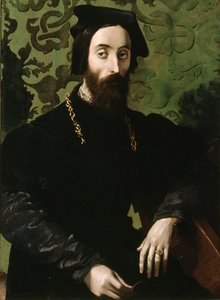
Girolamo Mazzola Bedoli
1500 - 1569 , Italy
Osnovne informacije
- Artistic Movement Or Style: Mannerist Painting
- Artists Or Movements Influenced By This Artist: ['Bronzino']
- Artists Who Influenced This Artist: ['Parmigianino']
- Date Of Birth: c. 1500
- Date Of Death: 1569
- Full Name: Girolamo Mazzola Bedoli
- Nationality: Italian
- Notable Artworks:
- The Holy Family
- Virgin and Child in a Landscape
- Alessandro Farnese
- Place Of Birth: Viadana, Italy

