

 Pregledaj u prostoru
 Pošalji
 Podeli
 Detalji o delu

 Преузми
 Slični predmeti
 Rendgenski snimak
 Slajdovi
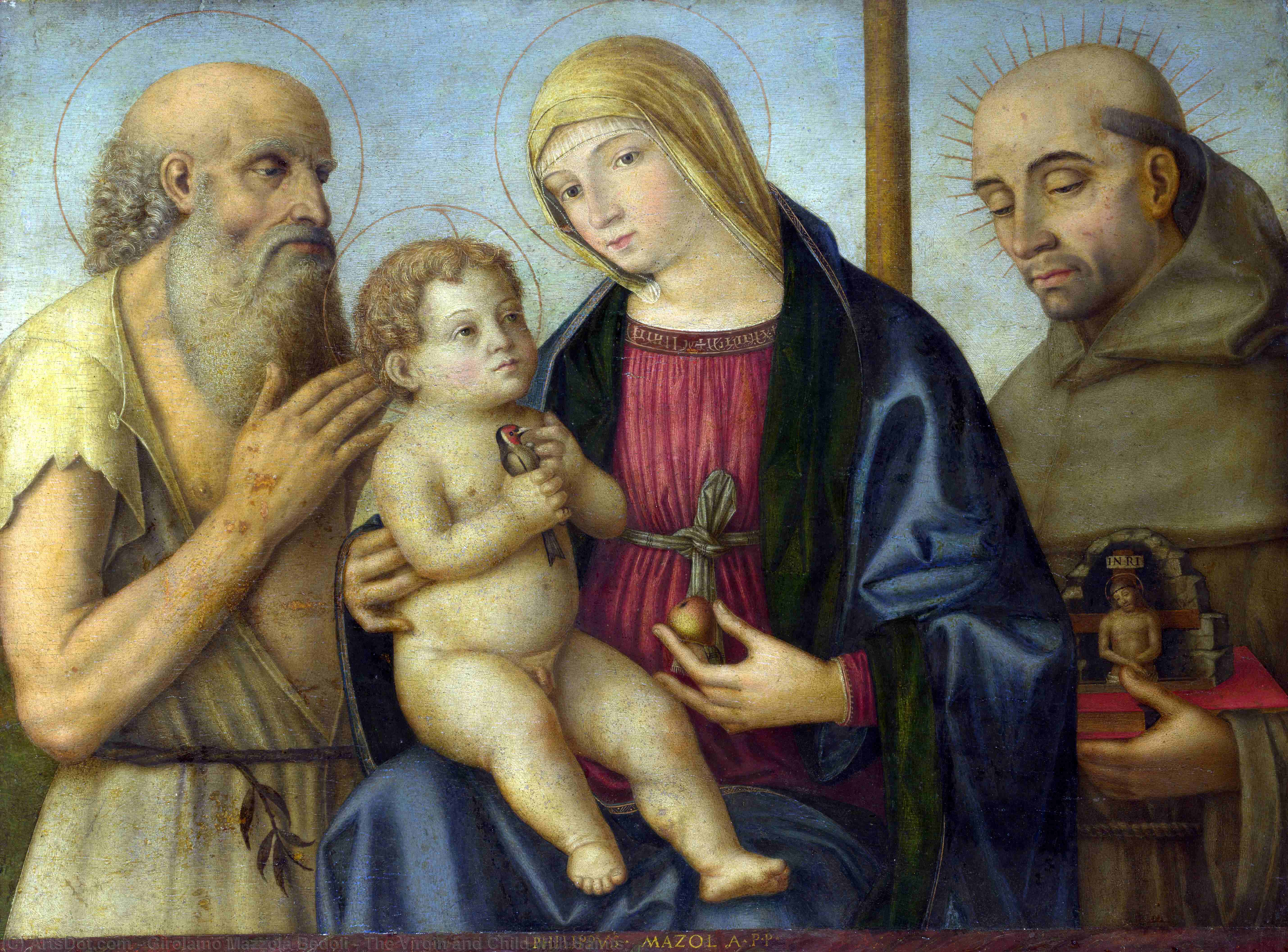
The Virgin and Child with Saints


 Pročitaj više
Ručno rađena uljana reprodukcija
Ručno oslikano uljanim bojama na platnu u dimenzijama i okviru po vašem izboru, izrađeno po porudžbini od strane naših umetnika. ( Kupi print Kupi digitalnu sliku)




P118B $10

P118H $10

P118W $10

P438Z $10

P508JH $12

P508YH $12

P805H $10

P805Z $10

P919BZ $10

P919G $10

P919XJ $10

P959ZH $10

P968JZ $12

W106C $8

W218G $10

W218JH $8

W218Y $10

W307PJ $10

W316G $10

W316PJ $8

W316Y $10

W398PJ $8

W4111J $10

W500HY $15

W500JH $15

W692G $12

W849H $8

W940BG $15

W953PJ $8




Izaberite jednu od naših unapred definisanih veličina koje odgovaraju originalnim proporcijama umetničkog dela.

Можете унети сопствене димензије како бисте прилагодили дело одређеном оквиру или простору. Ако одабрана величина не одговара пропорцијама оригинала, слика ће бити исечена или проширена додатним елементима који се ручно насликавају. Дигитални prikaz ће вам бити послат на одобрење пре почетка производње.
Имајте на уму да преглед на екрану не одражава стварно исецање или проширење. Само приказ (mockup) ће тачно приказати коначну композицију.
Иако су доступне прилагођене величине, препоручујемо да одаберете димензију из дефинисане листе како бисте сачували оригиналне пропорције.
Nakon narudžbine, tim ArtsDot.com će klijentu putem e-pošte poslati uputstva i dostaviti prikaz predloženog rešenja
Isporuka širom sveta () za 3/4 nedelje umesto uobičajenih 5 nedelja. (28 август). Bez kompromisa po pitanju kvaliteta.

Besplatna ekspresna dostava širom sveta

Visokokvalitetno laneno platno

Kompletno osiguranje transporta

Garancija povraćaja carine i uvoznih dažbina

Garancija vernosti boja

Politika povrata u roku od 60 dana (samo u slučaju nedostataka)

Garancija povrata novca od 100%

Popust pri grupnoj kupovini
 Opcija sa staklom dostupna je samo za dimenzije manje od 110 cm

The Virgin and Child with Saints
Tehnika reprodukcije
Dimenzije reprodukcije
-


Konačna cena
$ 263
A Divine Encounter in Mannerist Splendor
In the quiet, sacred atmosphere of Girolamo Mazzola Bedoli’s The Virgin and Child with Saints, the viewer is invited into a moment of profound celestial intimacy. This masterpiece serves as a breathtaking window into the High Renaissance and the burgeoning Mannerist movement in Parma. At its heart, the composition centers on the tender, maternal grace of the Virgin Mary, who cradles the infant Jesus with a devotion that feels both regal and deeply human. Flanked by saints whose presence lends an air of eternal sanctity to the scene, the painting transcends mere portraiture to become a meditative experience. The figures are arranged with a sophisticated elegance, their forms possessing that characteristic elongated grace and rhythmic fluidity that defines Bedoli’s unique contribution to the Italian school.
The artistry of Bedoli is particularly evident in the subtle interplay of light and shadow, a technique that breathes life into the flesh of the holy figures. As a master deeply influenced by the stylistic nuances of his contemporary, Parmigianino, Bedoli employs a palette that balances soft, luminous skin tones with the rich, saturated hues of the surrounding drapery. This contrast creates a sense of sculptural depth, making the figures appear to emerge from the canvas into our own space. For the discerning collector or interior designer, this painting offers more than just visual beauty; it provides a focal point of profound dignity, capable of anchoring a room with its classical weight and sophisticated aesthetic.
Symbolism and the Language of Devotion
Beyond the immediate beauty of the figures, The Virgin and Child with Saints is rich with layers of theological symbolism that reward deep contemplation. One of the most captivating details within this composition is the presence of scattered apples throughout the scene. While seemingly simple, these fruits carry a heavy weight of biblical resonance, acting as a poignant reminder of the Fall of Man through Adam and Eve. In the context of the Virgin Mary—often revered as the New Eve—the apple serves to bridge the gap between original sin and the promise of redemption brought by Christ. This delicate tension between the earthly and the divine is what gives the work its enduring emotional resonance.
The saints surrounding the central figures act as intermediaries, their gazes and gestures guiding the viewer’s eye through a choreographed dance of devotion. Their presence transforms the painting from a private moment into a communal celebration of faith. For those seeking to incorporate art into a curated space, this piece offers a narrative complexity that sparks conversation. It is an artwork that does not merely decorate a wall but enriches the environment with a sense of history, spirituality, and intellectual depth, making it an exquisite choice for high-end reproductions intended to inspire awe and reflection.
Srodna umetnička dela
Biografija umetnika
The Grace of Parma: The Life and Art of Girolamo Mazzola Bedoli
In the vibrant, swirling currents of the Italian Mannerist period, few names capture the elegance and stylistic complexity of the Parma school quite like Girolamo Mazzola Bedoli. Born in Viadana around 1500, Bedoli emerged from a landscape deeply enriched by the artistic legacies of Lombardy and the sophisticated atmosphere of Parma. While history often casts him in the long, graceful shadow of his more famous cousin, Parmigianino, Bedoli was far more than a mere follower. He was a master in his own right, a painter whose brush captured the tension, movement, and psychological nuance that defined an era of transition from the balanced ideals of the High Renaissance to the expressive distortions of Mannerism.
Bedoli’s artistic identity was forged within the prestigious studio of his father-in-law, Pier Iancu Mazzola. This connection provided him with a front-row seat to the most cutting-edge stylistic innovations of the sixteenth century. Through this lineage, Bedoli absorbed the fluid lines and ethereal beauty championed by Parmigianino, yet he infused these influences with a distinct sensibility shaped by his early exposure to Venetian traditions. His training allowed him to master a diverse array of disciplines, ranging from the monumental scale of fresco painting to the intimate precision of portraiture and the architectural elegance of tomb design. This versatility made him an indispensable figure in the cultural fabric of Parma, capable of decorating both the grandest cathedrals and the most private devotional spaces.
Mastery of Form and Mannerist Expression
The true essence of Bedoli’s work lies in his ability to manipulate form to evoke emotion. As a practitioner of Mannerism, he moved away from the static perfection of the previous century, instead embracing asymmetry, elongated limbs, and unsettling gazes that challenged the viewer's perception. His technique often utilized vibrant, sometimes jarring color palettes to heighten the drama of his compositions. In works such as The Annunciation, one can witness his mastery of light and shadow; his oil sketches reveal a profound ability to depict divine encounters through atmospheric depth and a sense of nocturnal mystery.
His religious commissions further demonstrate this command over narrative and symbolism. Whether depicting the tender intimacy of The Holy Family or the spiritual fervor found in The Holy Family with Saint Francis of Assisi, Bedoli utilized the characteristic Mannerist "serpentine" line to guide the eye through complex arrangements of figures. His ability to blend the sacred with the strikingly human allowed his altarpieces to resonate deeply with the faithful, offering a visual language that was both intellectually sophisticated and emotionally accessible.
Legacy within the Italian Renaissance
The significance of Girolamo Mazzola Bedoli extends beyond the individual canvases he left behind. He represents a vital link in the evolution of Italian art, serving as a bridge between the classical stability of the early 1500s and the more experimental, emotive styles that would follow. His contributions to the decoration of landmarks like the Santa Maria della Steccata underscore his role as a cornerstone of Parma’s artistic golden age.
Though often categorized alongside the great masters of his era, Bedoli’s legacy is defined by his unique ability to synthesize disparate influences into a cohesive, decorative, and deeply expressive style. He remains a testament to the richness of the Parma school—an artist who took the grace of his predecessors and transformed it into something uniquely his own, ensuring that the spirit of Mannerism would continue to flourish through his enduring works.
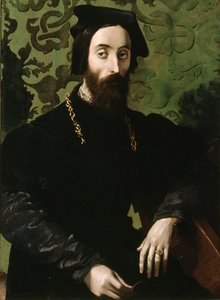
Girolamo Mazzola Bedoli
1500 - 1569 , Italy
Osnovne informacije
- Artistic Movement Or Style: Mannerist Painting
- Artists Or Movements Influenced By This Artist: ['Bronzino']
- Artists Who Influenced This Artist: ['Parmigianino']
- Date Of Birth: c. 1500
- Date Of Death: 1569
- Full Name: Girolamo Mazzola Bedoli
- Nationality: Italian
- Notable Artworks:
- The Holy Family
- Virgin and Child in a Landscape
- Alessandro Farnese
- Place Of Birth: Viadana, Italy
Povezani članci
Fra Anđeo: 25 Remek-dela Renesansnog Duha za Vaš Dom | ArtsDot
Uronite u svet Fra Anđela – 25 remek-dela renesansnog slikara. Otkrijte priče iza njegovih čuvenih fresaka i oltarskih slika, inspiracija za enterijer i duhovni mir. Kupite reprodukcije vrhunskog kvaliteta na ArtsDot.com!
Sacred Narratives Embodied: A Comprehensive Exploration of Religious Iconography in Art History
Explore the rich history of religious iconography in art! Discover symbolism, movements & masterpieces from Byzantine to Renaissance periods. Expert insights for collectors and enthusiasts at ArtsDot.
Sacred Narratives on Canvas: Exploring Religious Painting Through History
Explore the rich history of religious painting with ArtsDot.com! Discover iconic artworks, symbolism & techniques from antiquity to the Renaissance. Enhance your art appreciation today.
Mannerism: Bridging Renaissance Harmony & Baroque Drama – A Study of Style & Affectation
Explore the fascinating world of Mannerism! Discover its key characteristics, pioneering artists like Pontormo & Bronzino, and its pivotal role in bridging Renaissance harmony to Baroque drama. A comprehensive guide for art enthusiasts.

El Greco: 25 Remek-dela koji definišu Viziju i Duh (Reprodukcije za vaš Dom)
Istražite 25 remek-dela El Greka! Otkrijte priče iza njegovih ikoničnih slika, baroknog stila i duboke spiritualnosti. Reprodukcije vrhunskog kvaliteta za vaš dom na ArtsDot.com.

