

 Pregledaj u prostoru
 Pošalji
 Podeli
 Detalji o delu

 Преузми
 Slični predmeti
 Rendgenski snimak
 Slajdovi
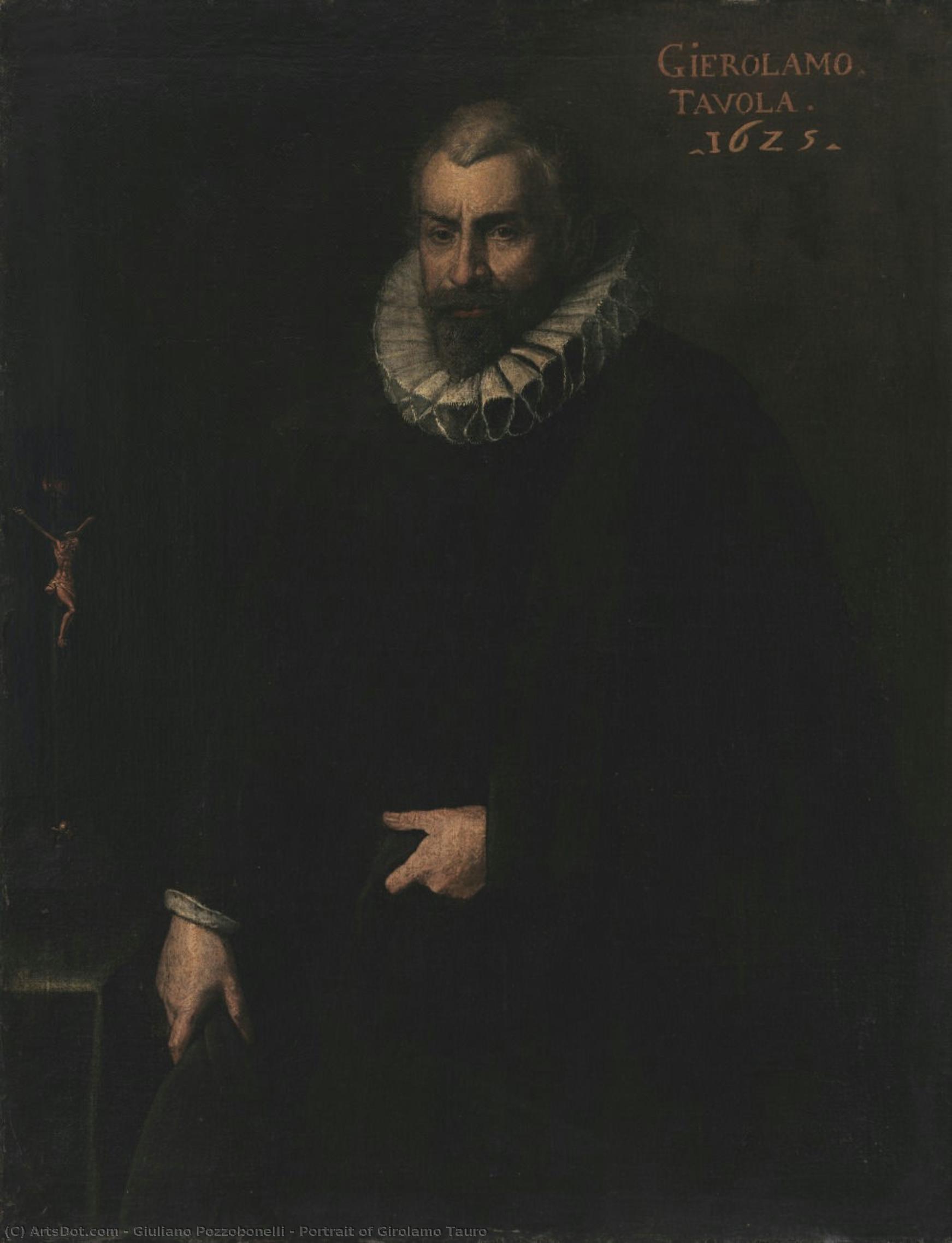
Portrait of Girolamo Tauro


 Pročitaj više
Ručno rađena uljana reprodukcija
Ručno oslikano uljanim bojama na platnu u dimenzijama i okviru po vašem izboru, izrađeno po porudžbini od strane naših umetnika. ( Kupi print Kupi digitalnu sliku)




































Izaberite jednu od naših unapred definisanih veličina koje odgovaraju originalnim proporcijama umetničkog dela.

Можете унети сопствене димензије како бисте прилагодили дело одређеном оквиру или простору. Ако одабрана величина не одговара пропорцијама оригинала, слика ће бити исечена или проширена додатним елементима који се ручно насликавају. Дигитални prikaz ће вам бити послат на одобрење пре почетка производње.
Имајте на уму да преглед на екрану не одражава стварно исецање или проширење. Само приказ (mockup) ће тачно приказати коначну композицију.
Иако су доступне прилагођене величине, препоручујемо да одаберете димензију из дефинисане листе како бисте сачували оригиналне пропорције.
Nakon narudžbine, tim ArtsDot.com će klijentu putem e-pošte poslati uputstva i dostaviti prikaz predloženog rešenja
Isporuka širom sveta () za 3/4 nedelje umesto uobičajenih 5 nedelja. (1 септембар). Bez kompromisa po pitanju kvaliteta.

Besplatna ekspresna dostava širom sveta

Visokokvalitetno laneno platno

Kompletno osiguranje transporta

Garancija povraćaja carine i uvoznih dažbina

Garancija vernosti boja

Politika povrata u roku od 60 dana (samo u slučaju nedostataka)

Garancija povrata novca od 100%

Popust pri grupnoj kupovini
 Opcija sa staklom dostupna je samo za dimenzije manje od 110 cm

Portrait of Girolamo Tauro
Tehnika reprodukcije
Dimenzije reprodukcije
-


Konačna cena
$ 263
Srodna umetnička dela
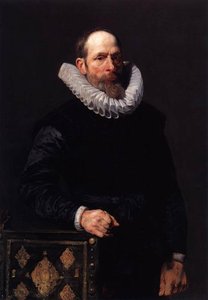
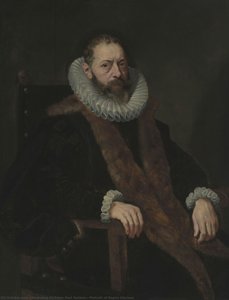
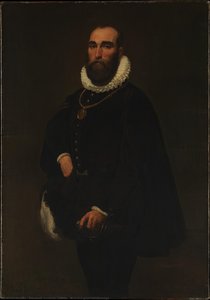
Biografija umetnika
A Milanese Portraitist: The Life and Art of Giuliano Pozzobonelli
Giuliano Pozzobonelli, a name perhaps less celebrated than some of his Renaissance contemporaries, nevertheless occupies an important niche in the history of Italian portraiture. Born in Milan in 1560, he flourished during a period of artistic transition – the waning years of Mannerism giving way to the burgeoning Baroque style. While detailed biographical information remains somewhat scarce, we know Pozzobonelli was active throughout the late 16th and early 17th centuries, establishing himself as a sought-after portraitist within the Milanese aristocracy and beyond. His skill lay not merely in replicating likenesses but in capturing the very essence of his sitters, imbuing each canvas with personality and psychological depth. He left behind a legacy of refined portraits that offer a fascinating glimpse into the lives and sensibilities of his era.Early Influences and Artistic Development
Pozzobonelli’s artistic formation was deeply rooted in the Milanese tradition. The influence of Bernardino Cerano is particularly evident in his early works. Cerano, a key figure in the Lombard school, championed a more naturalistic approach to painting, moving away from the often-stiff and stylized forms of earlier Mannerist artists. Pozzobonelli absorbed this emphasis on realism, but he also possessed a unique sensitivity to detail and an ability to render textures with remarkable precision. His portraits are characterized by meticulous attention to fabrics, jewelry, and hairstyles – elements that not only demonstrate his technical prowess but also provide valuable insights into the fashion and material culture of the time. He wasn’t simply copying what he saw; he was interpreting it through a lens of refined observation and artistic skill. While direct documentation is limited, scholars believe Pozzobonelli likely benefited from exposure to other prominent Lombard artists, absorbing diverse techniques and stylistic nuances that contributed to his evolving aesthetic.The Portraiture of Milanese Society
Pozzobonelli’s clientele primarily consisted of members of the upper echelons of Milanese society. His portraits weren't grand statements of power or religious devotion; they were intimate studies of individuals, often commissioned to commemorate marriages, births, or other significant life events. Portrait of Girolamo Tauro, for example, is a compelling representation of a man whose will reveals details about his property holdings and charitable contributions – the portrait thus becomes a visual record intertwined with social history. His ability to convey character through subtle nuances in expression and posture set him apart. He didn’t shy away from depicting wrinkles or imperfections; instead, he embraced them as integral parts of his sitters' identities. This commitment to realism, combined with his elegant brushwork, resulted in portraits that were both visually striking and psychologically engaging. His work frequently appears in the palaces and churches of Florence, suggesting a broader reach beyond his native Milan.Later Years and Legacy
Pozzobonelli’s artistic activity seems to have diminished after 1605, with fewer documented works from his later years. This could be attributed to changing tastes or personal circumstances. However, the quality of his earlier paintings ensured his continued recognition within artistic circles. Notably, his son Alfonso also followed in his father's footsteps as a painter, suggesting that Pozzobonelli maintained an active workshop and passed on his skills to the next generation. While he may not have achieved the widespread fame of some of his contemporaries, Giuliano Pozzobonelli left behind a valuable body of work that offers a compelling window into the artistic and social landscape of late Renaissance Italy.Historical Significance & Continued Appreciation
Pozzobonelli’s significance lies in his ability to bridge the gap between Mannerism and Baroque portraiture. He retained the elegance and refinement of the former while embracing the growing emphasis on realism and psychological depth that characterized the latter. His portraits are not merely representations of individuals; they are testaments to a specific time and place, offering invaluable insights into the lives, values, and aesthetics of 16th-century Milanese society. Today, his works continue to be appreciated for their technical skill, artistic sensitivity, and historical importance. The enduring appeal of Pozzobonelli’s portraits lies in their ability to connect us with the past – to glimpse the faces and personalities of those who lived centuries ago, rendered with a remarkable degree of intimacy and artistry.
giuliano pozzobonelli
1560 - 1636 , Italy
Osnovne informacije
- Artistic Movement Or Style: Renaissance Painting
- Artists Who Influenced This Artist: ['Cerano']
- Date Of Birth: 1560
- Date Of Death: 1636
- Full Name: Giuliano Pozzobonelli
- Nationality: Italian
- Notable Artworks: ['Portrait of Girolamo Tauro']
- Place Of Birth: Milan, Italy

