


 Pregledaj u prostoru
 Pošalji
 Podeli
 Detalji o delu

 Преузми
 Slični predmeti
 Rendgenski snimak
 Slajdovi
Rose Window – Basilica of Santa Croce

 Pročitaj više
Ručno rađena uljana reprodukcija
Ručno oslikano uljanim bojama na platnu u dimenzijama i okviru po vašem izboru, izrađeno po porudžbini od strane naših umetnika. ( Kupi print Kupi digitalnu sliku)




































Izaberite jednu od naših unapred definisanih veličina koje odgovaraju originalnim proporcijama umetničkog dela.

Можете унети сопствене димензије како бисте прилагодили дело одређеном оквиру или простору. Ако одабрана величина не одговара пропорцијама оригинала, слика ће бити исечена или проширена додатним елементима који се ручно насликавају. Дигитални prikaz ће вам бити послат на одобрење пре почетка производње.
Имајте на уму да преглед на екрану не одражава стварно исецање или проширење. Само приказ (mockup) ће тачно приказати коначну композицију.
Иако су доступне прилагођене величине, препоручујемо да одаберете димензију из дефинисане листе како бисте сачували оригиналне пропорције.
Nakon narudžbine, tim ArtsDot.com će klijentu putem e-pošte poslati uputstva i dostaviti prikaz predloženog rešenja
Isporuka širom sveta () za 3/4 nedelje umesto uobičajenih 5 nedelja. (28 август). Bez kompromisa po pitanju kvaliteta.

Besplatna ekspresna dostava širom sveta

Visokokvalitetno laneno platno

Kompletno osiguranje transporta

Garancija povraćaja carine i uvoznih dažbina

Garancija vernosti boja

Politika povrata u roku od 60 dana (samo u slučaju nedostataka)

Garancija povrata novca od 100%

Popust pri grupnoj kupovini
 Opcija sa staklom dostupna je samo za dimenzije manje od 110 cm

Rose Window – Basilica of Santa Croce
Tehnika reprodukcije
Dimenzije reprodukcije
-


Konačna cena
$ 263
Srodna umetnička dela





Biografija umetnika
Giulio Cesare Penna: Architect of Baroque Splendor in Lecce
Giulio Cesare Penna (1607-1653) stands as a pivotal figure in the artistic landscape of Lecce and Salento, Southern Italy. His legacy isn’t one of grand, solitary masterpieces, but rather a profound contribution to the richly ornamented Baroque architecture that defines these regions – particularly evident in his masterful work on the Basilica di Santa Croce. Penna's name is inextricably linked with the exuberant, almost overwhelming, decorative style known as “Lecce Baroque,” and he played a crucial role in shaping its distinctive character. Born in Lecce, the heart of Salento, Penna’s artistic journey was deeply rooted in the local tradition while simultaneously absorbing broader influences from the era.Early Life and Influences
While precise details of Penna's early life remain somewhat elusive, it is understood that he honed his skills within the vibrant workshops of Lecce. The city’s thriving artisan community provided a fertile ground for young sculptors to develop their craft, absorbing techniques and stylistic elements from established masters. Crucially, Penna’s career coincided with a period of intense artistic activity in Salento, fueled by the patronage of wealthy families and the Church. Interestingly, his biography is closely linked to that of Giulio Cesare Procaccini, a prominent Milanese painter and sculptor whose work significantly impacted Penna's development. Procaccini, who spent formative years in Milan before relocating to Italy, brought with him a sophisticated understanding of Mannerism and early Baroque principles – styles which Penna skillfully integrated into his own distinctive approach. The influence of Correggio and Parmigianino, both masters of the High Renaissance and Early Baroque respectively, is also evident in Penna’s later work, particularly in his use of dynamic composition and dramatic lighting.The Basilica di Santa Croce: A Monumental Achievement
Penna's most celebrated contribution lies within the Basilica di Santa Croce in Lecce. He was commissioned to undertake significant sculptural and decorative elements, transforming the façade into a breathtaking spectacle of Baroque excess. His work on the upper façade is particularly remarkable, featuring intricate carvings of saints, angels, and allegorical figures – all rendered with astonishing detail and a palpable sense of movement. The rose window, a central element of the basilica’s design, showcases Penna's skill in creating complex geometric patterns and incorporating sculptural elements within its framework. The Chapel of the Relics (viewable via the provided link) offers a particularly intimate glimpse into his meticulous craftsmanship, revealing the incredible level of detail he applied to even the smallest decorative features. The scale and ambition of this project demonstrate Penna’s mastery of Baroque principles and his ability to translate complex architectural visions into tangible reality.Style and Technique
Penna's style is characterized by an almost overwhelming abundance of ornamentation – a hallmark of Lecce Baroque. His sculptures are renowned for their rich textures, dynamic poses, and expressive faces. He employed a technique known as “stiacciato,” or low relief, to create figures that appear to emerge from the surface of the stone, adding depth and realism to his carvings. The use of color was also significant; Penna skillfully applied pigments to enhance the visual impact of his sculptures, creating a vibrant and engaging spectacle for viewers. His work is not simply decorative; it’s imbued with a sense of drama and theatricality – reflecting the Baroque emphasis on emotional engagement and sensory experience.Legacy and Historical Significance
Giulio Cesare Penna's impact extends far beyond the Basilica di Santa Croce. He played a vital role in shaping the visual identity of Lecce and Salento, contributing significantly to the region’s reputation as a center for Baroque art. His work exemplifies the exuberant creativity and unparalleled craftsmanship that define “Lecce Baroque,” a style celebrated for its intricate detail, dramatic flair, and profound connection to local traditions. While his individual fame may not rival that of some of his contemporaries, Penna's enduring legacy lies in his contribution to the architectural fabric of Lecce – a testament to his skill as a sculptor and his pivotal role in shaping one of Italy’s most distinctive artistic expressions. The detailed depictions of Saint Peter Celestine (viewable via the provided link) further illustrate his ability to capture complex narratives within sculpted form, solidifying his place as a key figure in 17th-century Italian art.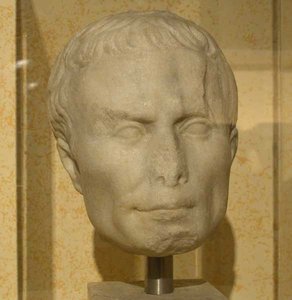
giulio cesare penna
1607 - 1653 , Italy
Osnovne informacije
- Artistic Movement Or Style: Baroque sculpture
- Artists Who Influenced This Artist: ['Giulio Cesare Procaccini']
- Date Of Birth: 1607
- Date Of Death: 1653
- Full Name: Giulio Cesare Penna
- Nationality: Italian
- Notable Artworks:
- Basilica Santa Croce
- Saint Peter Celestine
- Place Of Birth: Lecce, Italy

