

 Pregledaj u prostoru
 Pošalji
 Podeli
 Detalji o delu

 Преузми
 Slični predmeti
 Rendgenski snimak
 Slajdovi
 Stats
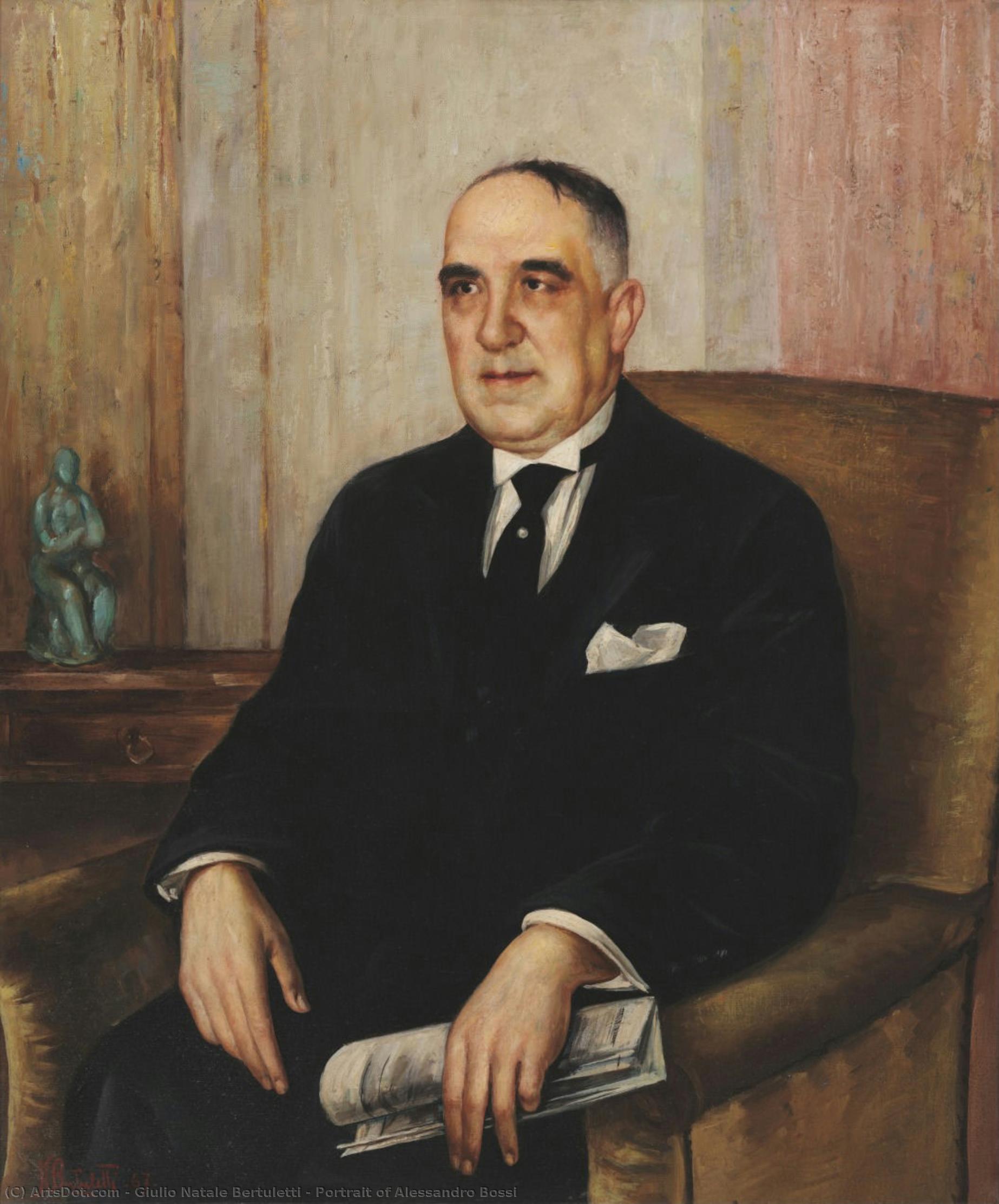
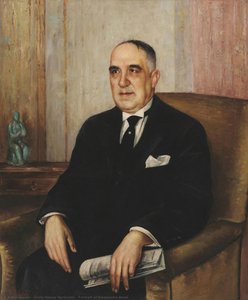
StatsPortrait of Alessandro Bossi
 Oil
Oil- WallArt
- Contemporary Realism
 1967
1967- Modern
 90.0 x 75.0 cm
 Ca’ Granda – Ospedale Maggiore Policlinico
 Pročitaj više
Ručno rađena uljana reprodukcija
Ručno oslikano uljanim bojama na platnu u dimenzijama i okviru po vašem izboru, izrađeno po porudžbini od strane naših umetnika. ( Switch to Print Switch to Digital Image)




P118B $10

P118H $10

P118W $10

P438Z $10

P508JH $12

P508YH $12

P805H $10

P805Z $10

P919BZ $10

P919G $10

P919XJ $10

P959ZH $10

P968JZ $12

W106C $8

W218G $10

W218JH $8

W218Y $10

W307PJ $10

W316G $10

W316PJ $8

W316Y $10

W398PJ $8

W4111J $10

W500HY $15

W500JH $15

W692G $12

W849H $8

W940BG $15

W953PJ $8




Izaberite jednu od naših unapred definisanih veličina koje odgovaraju originalnim proporcijama umetničkog dela.

Можете унети сопствене димензије како бисте прилагодили дело одређеном оквиру или простору. Ако одабрана величина не одговара пропорцијама оригинала, слика ће бити исечена или проширена додатним елементима који се ручно насликавају. Дигитални prikaz ће вам бити послат на одобрење пре почетка производње.
Имајте на уму да преглед на екрану не одражава стварно исецање или проширење. Само приказ (mockup) ће тачно приказати коначну композицију.
Иако су доступне прилагођене величине, препоручујемо да одаберете димензију из дефинисане листе како бисте сачували оригиналне пропорције.
Nakon narudžbine, tim ArtsDot.com će klijentu putem e-pošte poslati uputstva i dostaviti prikaz predloženog rešenja
Isporuka širom sveta () za 3/4 nedelje umesto uobičajenih 5 nedelja. (8 септембар). Bez kompromisa po pitanju kvaliteta.

Besplatna ekspresna dostava širom sveta

Visokokvalitetno laneno platno

Kompletno osiguranje transporta

Garancija povraćaja carine i uvoznih dažbina

Garancija vernosti boja

Politika povraćaja u roku od 100 dana (isključivo u slučaju nedostataka)

Garancija povrata novca od 100%

Popust pri grupnoj kupovini
 Opcija sa staklom dostupna je samo za dimenzije manje od 110 cm

Portrait of Alessandro Bossi
Tehnika reprodukcije
Dimenzije reprodukcije
-


Konačna cena
$ 263
Srodna umetnička dela
![Autorretrato [self-portrait] — Oscar Pereira Da Silva](/media/artworks/images-thumb/f8/2c/f82c36e3c45761e537cad75f812a5b33.jpg)
Biografija umetnika
Arthur Hughes (1832–1915): A Pre-Raphaelite Visionary
Born in London amidst the burgeoning artistic landscape of 1832, Arthur Hughes was a figure whose career spanned decades and encompassed diverse styles, yet remained fundamentally rooted in the romanticism and evocative storytelling of the Pre-Raphaelite Brotherhood. His life wasn’t defined by membership within the group – he never formally joined – but rather by an intimate understanding of its principles and a deep resonance with its spirit of rebellion against academic convention. Hughes's journey was one of constant evolution, marked by periods of intense experimentation and a persistent pursuit of capturing the ethereal beauty and emotional depth that characterized his art.
His early education at Archbishop Tenison’s Grammar School laid a foundation for artistic training, culminating in enrollment at the School of Design, Somerset House, where he studied under Alfred Stevens. It was here, in 1847, that he secured an invaluable opportunity – an art studentship at the Royal Academy Schools – and began his professional career, debuting with *Musidora* at the Academy’s annual exhibition two years later. This initial success hinted at a talent capable of capturing delicate beauty and nuanced emotion, qualities that would become hallmarks of his oeuvre.
Hughes's artistic trajectory took a significant turn in 1850 when he encountered the Pre-Raphaelite movement through *The Germ*, a magazine dedicated to exploring the aesthetics of the past. This encounter ignited a profound shift in his artistic sensibilities, leading him to embrace the Brotherhood’s core tenets: a reverence for nature, an interest in medieval and Renaissance art, and a commitment to depicting scenes from literature and mythology with meticulous detail and vibrant color. He quickly established himself as a key figure within this circle, collaborating closely with artists like William Holman Hunt, D.G. Rossetti, and Ford Madox Brown.
The 1850s proved to be a particularly fertile period for Hughes, producing some of his most celebrated works – *April Love* (1855-6), a tender depiction of youthful romance bathed in the soft light of spring; and *The Long Engagement*, a dramatic portrayal of a couple awaiting news from the front lines. These paintings demonstrate his mastery of composition, color, and narrative, capturing both the beauty and pathos inherent in human experience. His association with Alexander Munro during this time further honed his skills as an illustrator, a profession he pursued with considerable success throughout his career.
The Illustrator and Beyond
While celebrated for his paintings, Hughes’s contribution to the visual arts extended significantly into the realm of illustration. He established himself as a sought-after artist for numerous publications, including works by Thomas Hughes, George Macdonald, and Christina Rossetti. This period saw him producing hundreds of illustrations, showcasing his versatility and ability to adapt his artistic style to diverse literary projects. His work for these prominent authors cemented his reputation as a skilled and imaginative visual storyteller.
Beyond illustration, Hughes continued to experiment with various media, including watercolors and etchings. His exploration of Japanese prints during this time profoundly influenced his color palette and compositional techniques, introducing elements of asymmetry and flattened perspective that would become characteristic of his later work. He sought to capture the essence of fleeting moments and evoke a sense of dreamlike beauty – qualities deeply rooted in Pre-Raphaelite aesthetics.
A Shift Towards Symbolism and Personal Vision
As the 1860s progressed, Hughes’s artistic style underwent a subtle but significant transformation. While retaining his commitment to Pre-Raphaelite principles, he began to incorporate elements of symbolism and personal mythology into his work. His paintings became increasingly imbued with references to folklore, biblical stories, and his own intimate experiences – particularly his relationship with his wife, Tryphena Foord.
The move to Kew in 1858 marked a turning point in Hughes’s life and career. He continued to exhibit at the Royal Academy until 1908, producing a steady stream of paintings that reflected his evolving artistic vision. His later works often featured dreamlike landscapes, enigmatic figures, and symbolic imagery – a testament to his lifelong fascination with the mysteries of human existence.
Legacy and Recognition
Arthur Hughes’s legacy as a Pre-Raphaelite painter and illustrator endures to this day. His paintings are held in prestigious collections around the world, including the Tate Gallery (London), Birmingham Museum & Art Gallery, and the Manchester City Art Gallery. His influence can be seen in the works of numerous artists who followed in his footsteps, demonstrating the lasting impact of his artistic vision.
Following his death in 1915, a sale of his estate revealed the breadth and depth of his oeuvre, solidifying his place as one of the most important figures in British art history. Retrospective exhibitions have been organized to celebrate his work, ensuring that his paintings continue to be appreciated for their beauty, emotional resonance, and artistic innovation.
Further reading can be found in William Fredeman’s *The Penkill Letters of Arthur Hughes to William Bell Scott and Alice Boyd 1866-97*, as well as Leonard Roberts' comprehensive catalogue raisonné.
giulio natale bertuletti
1915 - 1994 , Italy
Osnovne informacije
- Artistic Movement Or Style: Cubism, Fauvism, Surrealism
- Artists Or Movements Influenced By This Artist:
- Joan Miró
- Henri Matisse
- Surrealism
- Artists Who Influenced This Artist:
- John Ruskin
- Walter Crane
- Picasso
- Matisse
- Date Of Birth: July 7, 1887
- Date Of Death: March 14, 1939
- Full Name: Marc Chagall
- Nationality: Russian/French
- Notable Artworks:
- I and the Village
- The Fiddler
- Maternity
- Circus Polka
- Place Of Birth: Vitebsk (Belarus)
Povezani članci
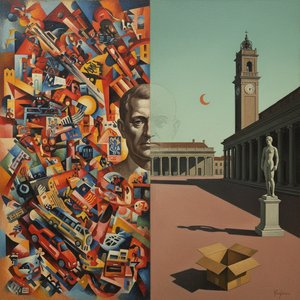
Carlo Carrà: Futurist Visions & Metaphysical Transformations in Early 20th-Century Italian Painting
Explore the artistic journey of Carlo Carrà, a pivotal figure in Italian Futurism & Metaphysical painting. Discover his dynamic compositions, collaborations with de Chirico, and lasting influence on modern art history.
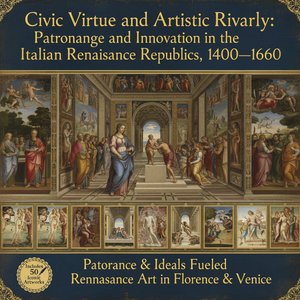
Civic Virtue and Artistic Rivalry: Patronage and Innovation in the Italian Renaissance Republics, 1400–1600
Explore the Italian Renaissance! Discover how competitive patronage & humanist ideals fueled artistic innovation in republics like Florence & Venice. Expert insights for art lovers and collectors.
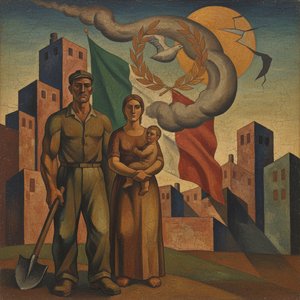
Mario Sironi: A Poetic of Modern Italian Identity Through Symbolism & Social Commentary
Explore the profound works of Mario Sironi, a key figure in Italian Modernism. Discover his evolution from Futurism to Metaphysical painting and his powerful social commentary. Learn about his legacy at ArtsDot.
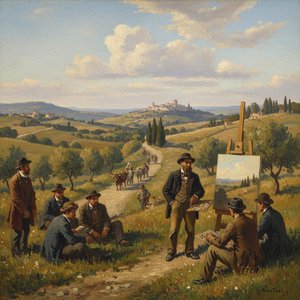
Giovanni Fattori: Realism, Identity & the Tuscan Landscape – A Macchiaioli Master
Explore the life & art of Giovanni Fattori, a leading figure of the Macchiaioli movement. Discover his revolutionary realism, captivating Tuscan landscapes, and lasting impact on Italian painting. Learn more at ArtsDot.
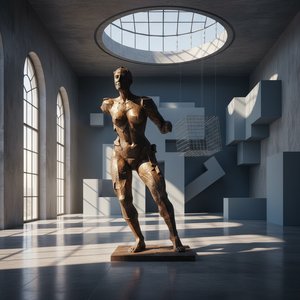
Venanzo Crocetti: A Study in Italian Modernism & Spatial Abstraction
Explore the captivating world of Venanzo Crocetti, a pivotal figure in Italian Modernism. Discover his iconic sculptures, public works, and lasting legacy – a must-read for discerning art collectors.