

 Pregledaj u prostoru
 Pošalji
 Podeli
 Detalji o delu

 Преузми
 Slični predmeti
 Rendgenski snimak
 Slajdovi
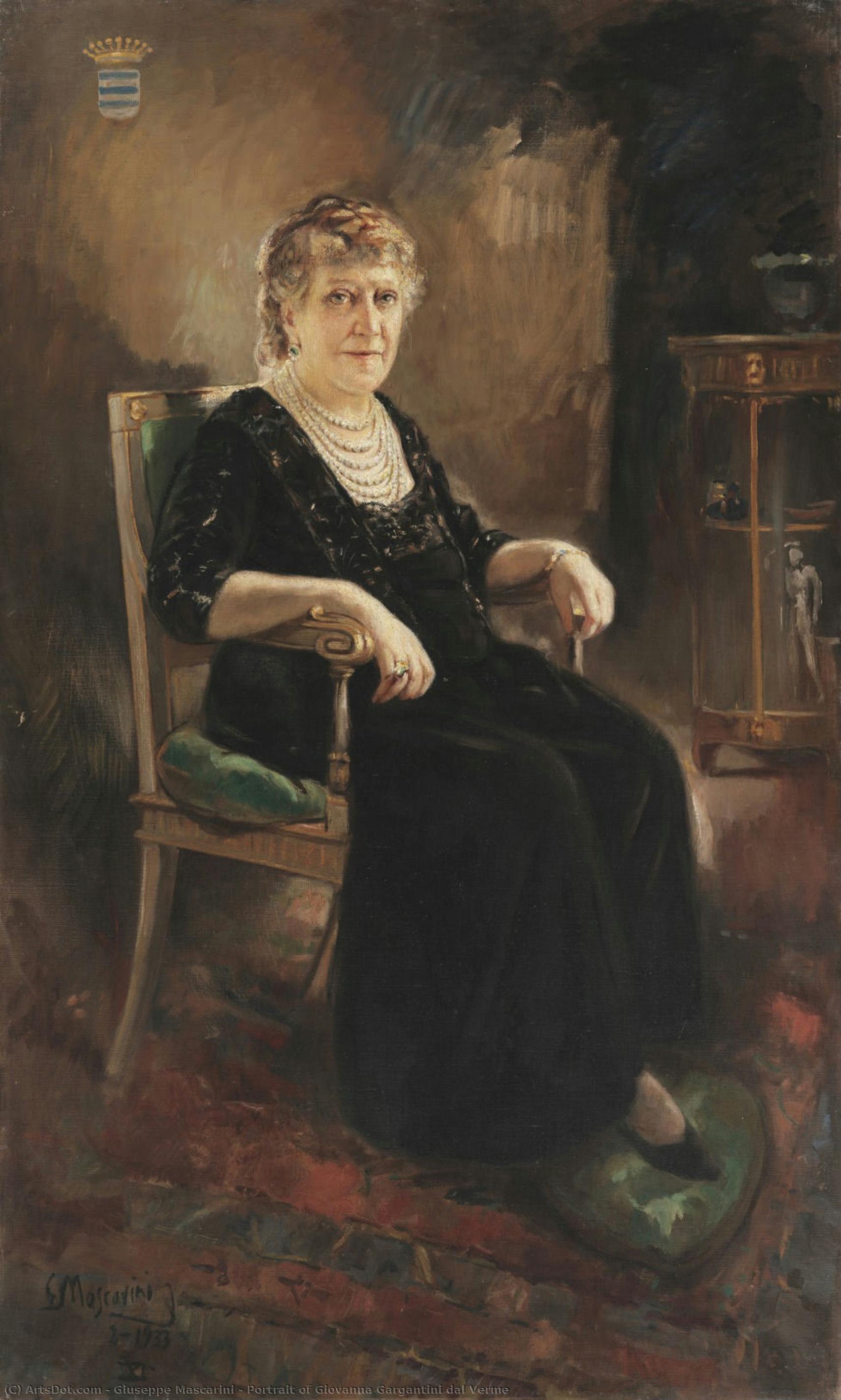
Portrait of Giovanna Gargantini dal Verme


 Pročitaj više
Giclee štampa / Umetnički otisak
Giclée štampa ili print na platnu muzejskog kvaliteta uz brzu proizvodnju i fleksibilne opcije završne obrade. ( Kupi ručno naslikanu sliku Kupi digitalnu sliku)




































Izaberite jednu od naših unapred definisanih veličina koje odgovaraju originalnim proporcijama umetničkog dela.

Možete uneti sopstvene dimenzije kako biste umetničko delo prilagodili specifičnom okviru ili prostoru. Ako odabrani format ne odgovara proporcijama originalne slike, mi ćemo ili iscrtati deo dela ili proširiti sliku pomoću ogledane ivice ili jednobojnog popunjavanja. Digitalni prikaz će vam biti poslat na odobrenje pre početka proizvodnje.
Imajte na umu da pregled na ekranu ne odražava stvarno iscrtavanje ili proširivanje. Samo će prikaz (mockup) precizno pokazati finalnu kompoziciju.
Iako su prilagođene dimenzije dostupne, preporučujemo da odaberete dimenziju sa unapred definisane liste kako biste očuvali originalne proporcije.
Dostava širom sveta () za 2 nedelje umesto uobičajenih 4/5 nedelja. (28 август)

Besplatna ekspresna dostava širom sveta

Visokokvalitetno laneno platno

Kompletno osiguranje transporta

Garancija povraćaja carine i uvoznih dažbina

Garancija vernosti boja

Politika povrata u roku od 60 dana (samo u slučaju nedostataka)

Garancija povrata novca od 100%

Popust pri grupnoj kupovini
 Opcija sa staklom dostupna je samo za dimenzije manje od 110 cm

Portrait of Giovanna Gargantini dal Verme
Giclee štampa / Umetnički otisak
Dimenzije reprodukcije
-


Konačna cena
$ 62
Srodna umetnička dela




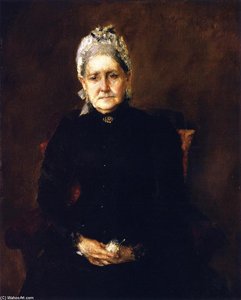
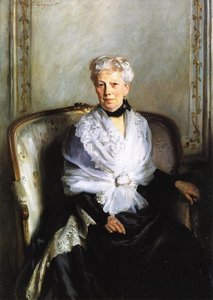
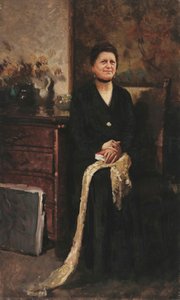
Biografija umetnika
The Luminous Legacy of Giuseppe Mascarini
Born in the historic city of Bologna in 1877, Giuseppe Mascarini emerged as a profound voice within the Italian landscape of the late nineteenth and early twentieth centuries. While his initial academic path led him to the prestigious Brera Academy, the artist possessed an untamed spirit that compelled him to defer formal institutional training in favor of a more visceral, independent pursuit of painting. This decision allowed him to cultivate a unique artistic identity, free from the rigid constraints of traditionalism, leading him toward the evocative realms of Lombard Naturalism and the shimmering, light-drenched techniques of Divisionism.
Mascarini’s life was deeply intertwined with the artistic community of his era. In 1914, he married the Swiss painter Elvezia Michel, forming a partnership that shared a profound devotion to the craft of painting. His creative journey was often a study of light and emotion, moving fluidly between the rugged beauty of Ligurian seascapes and the intimate, quiet dignity of still lifes. However, it was perhaps in his exploration of the human figure that Mascarini truly captured the soul of his subjects. He possessed a rare ability to translate the delicate, emotional complexities of the mother-child relationship onto canvas, imbuing these portraits with a sense of tenderness and timelessness that resonates deeply with the viewer.
Mastery of Light and Movement
The technical brilliance of Mascarini lies in his sophisticated command over color and atmosphere. By embracing the principles of Divisionism, he utilized broken strokes of pigment to create a sense of vibrating light, making his seascapes appear as though they were breathing with the rhythm of the tides. This mastery of texture and luminosity allowed him to capture not just the physical appearance of his subjects, but their very essence. Whether depicting the sun-dappled coastlines or the soft contours of a child's face, his work remains a testament to the power of naturalism to convey profound psychological depth.
His career was marked by significant recognition within the most esteemed artistic circles of Italy. Mascarini’s presence in the prestigious exhibition halls of his time solidified his reputation as a master of his craft:
- La Permanente in Milan: A regular participant in this vital forum for contemporary Italian art.
- Biennale di Venezia: His inclusion in the 1912 and 1950 editions placed him among the international vanguard of painters.
- Quadriennale di Roma: Showcasing his work to the heart of the Italian capital.
- National Exhibition of Fine Arts (1922): Where he exhibited alongside notable contemporaries such as Carlo Bazzi.
A Lasting Impression on Italian Art
The enduring significance of Giuseppe Mascarini is preserved within the hallowed halls of Italy's most important public and private collections. The Gallery of Modern Art in Milan holds a cherished selection of his works, including the evocative Violetta e nonna e nipotina and poignant portraits such as those of Mr. Carlo Canali and Mrs. Maria Luisa Grubicy. His ability to document the social and emotional fabric of his time is further evidenced by his contributions to the Raccolte d'arte dell'Ospedale Maggiore, where he painted portraits of his benefactors with a characteristic grace.
As we look back on his life, which concluded in Milan in 1954, we see an artist who successfully bridged the gap between the observational rigor of naturalism and the experimental spirit of modernism. Through works like Il Sogno (1909) and Danzatrice (1913), Mascarini continues to invite us into a world where light, emotion, and the human experience are inextricably linked, leaving behind a legacy that remains as luminous as the Ligurian sea he so loved to paint.
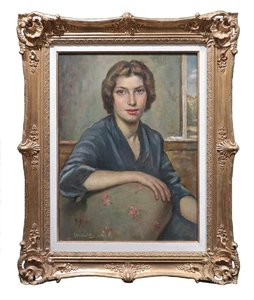
giuseppe mascarini
1877 - 1954 , Italy
Osnovne informacije
- Artistic Movement Or Style: Lombard Naturalism and Divisionism
- Date Of Birth: 1877
- Date Of Death: 1954
- Full Name: Giuseppe Mascarini
- Nationality: Italian
- Notable Artworks:
- Il sogno
- La visitatrice
- Danzatrice
- Place Of Birth: Bologna, Italy

