

 Pregledaj u prostoru
 Pošalji
 Podeli
 Detalji o delu

 Преузми
 Slični predmeti
 Rendgenski snimak
 Slajdovi
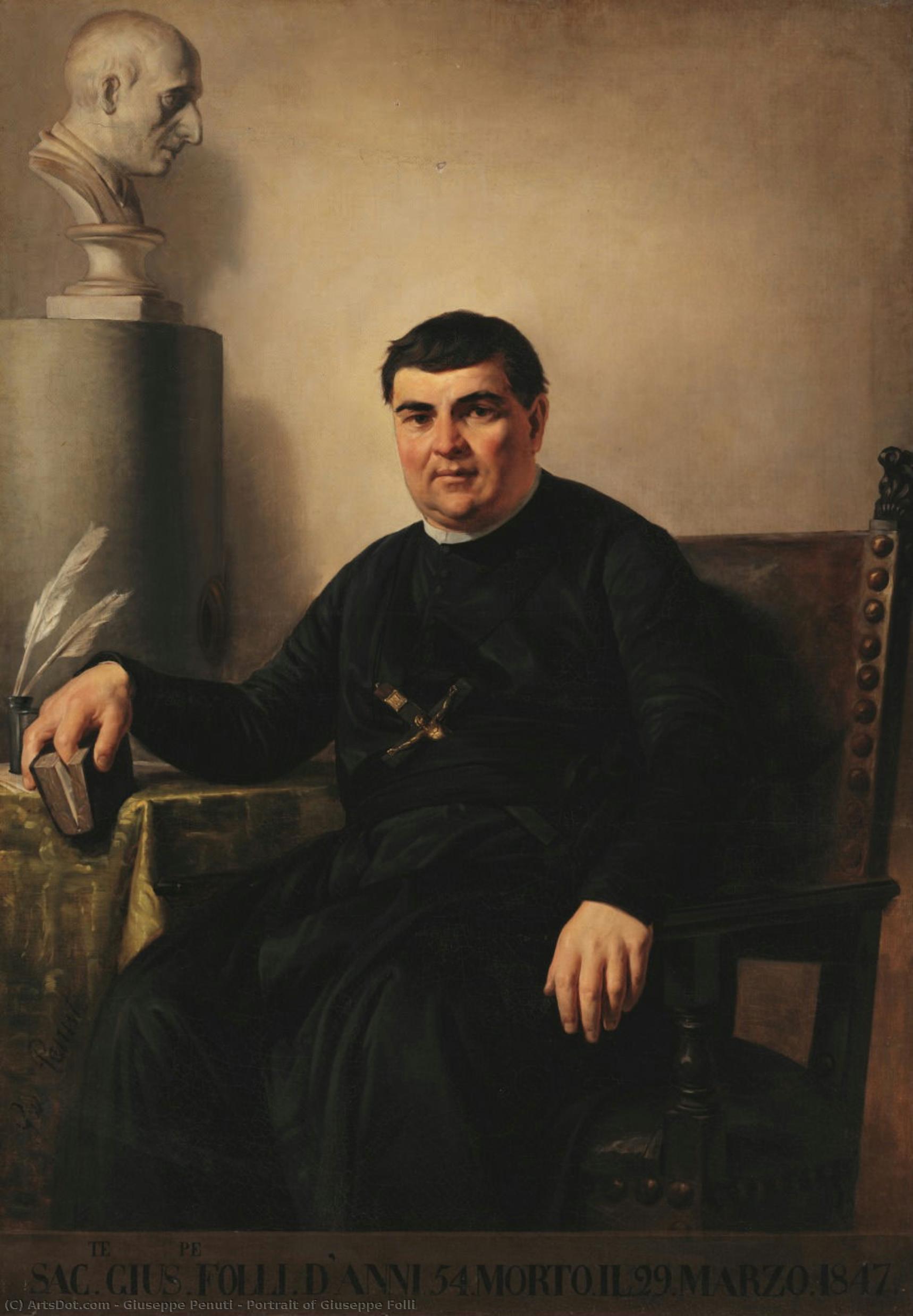
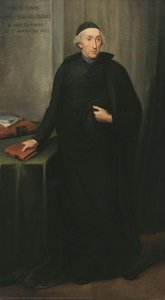
Portrait of Giuseppe Folli
 Academic Realism
 1847
1847 148.0 x 104.0 cm
 Ca’ Granda – Ospedale Maggiore Policlinico
 Pročitaj više
Ručno rađena uljana reprodukcija
Ručno oslikano uljanim bojama na platnu u dimenzijama i okviru po vašem izboru, izrađeno po porudžbini od strane naših umetnika. ( Kupi print Kupi digitalnu sliku)




































Izaberite jednu od naših unapred definisanih veličina koje odgovaraju originalnim proporcijama umetničkog dela.

Можете унети сопствене димензије како бисте прилагодили дело одређеном оквиру или простору. Ако одабрана величина не одговара пропорцијама оригинала, слика ће бити исечена или проширена додатним елементима који се ручно насликавају. Дигитални prikaz ће вам бити послат на одобрење пре почетка производње.
Имајте на уму да преглед на екрану не одражава стварно исецање или проширење. Само приказ (mockup) ће тачно приказати коначну композицију.
Иако су доступне прилагођене величине, препоручујемо да одаберете димензију из дефинисане листе како бисте сачували оригиналне пропорције.
Nakon narudžbine, tim ArtsDot.com će klijentu putem e-pošte poslati uputstva i dostaviti prikaz predloženog rešenja
Isporuka širom sveta () za 3/4 nedelje umesto uobičajenih 5 nedelja. (29 август). Bez kompromisa po pitanju kvaliteta.

Besplatna ekspresna dostava širom sveta

Visokokvalitetno laneno platno

Kompletno osiguranje transporta

Garancija povraćaja carine i uvoznih dažbina

Garancija vernosti boja

Politika povrata u roku od 60 dana (samo u slučaju nedostataka)

Garancija povrata novca od 100%

Popust pri grupnoj kupovini
 Opcija sa staklom dostupna je samo za dimenzije manje od 110 cm

Portrait of Giuseppe Folli
Tehnika reprodukcije
Dimenzije reprodukcije
-


Konačna cena
$ 263
Srodna umetnička dela
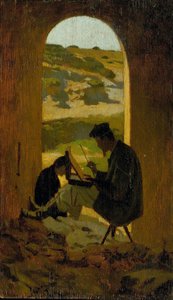
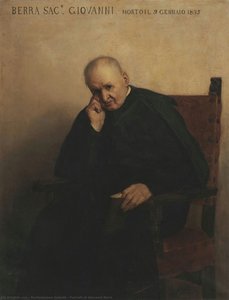
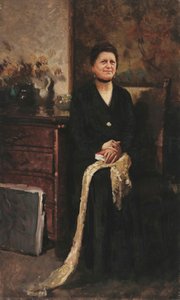
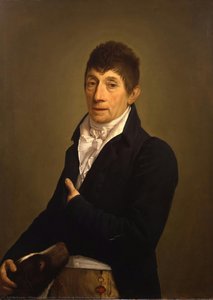
Biografija umetnika
Constant Troyon: Bridging Porcelain and Pastoral
August 28, 1810, marked the birth of Constant Troyon in Sèvres, a town inextricably linked to the exquisite world of porcelain. His early life was far removed from the delicate artistry of the Royal Manufactory, however; he began his career as a decorator, meticulously applying intricate designs to countless pieces of china. This demanding apprenticeship instilled within him an appreciation for detail and precision – qualities that would later profoundly shape his approach to painting. For decades, Troyon’s hands were immersed in the world of miniature ornamentation, a seemingly disparate path that ultimately provided a crucial foundation for his artistic development. It wasn't until he reached twenty-one that he dared to pursue his own vision as an artist, embarking on a journey across France, capturing landscapes with a nascent talent and a growing desire to break free from the constraints of his previous profession.
The turning point in Troyon’s career arrived through the mentorship of Camille Roqueplan, a respected painter and a key figure within the burgeoning Barbizon school. Roqueplan recognized Troyon's potential and introduced him to the circle of artists who were challenging the established Salon system and seeking inspiration from nature itself. This exposure proved transformative, leading Troyon away from purely decorative work and towards a more direct engagement with the world around him. He began to study the techniques of his fellow Barbizon painters – Jules Dupré, Théodore Rousseau, and others – absorbing their emphasis on plein air painting and their commitment to capturing the authentic essence of the French countryside.
The Influence of Dutch Masters
A pivotal moment in Troyon’s artistic evolution occurred during a visit to the Netherlands in 1846. Inspired by the works of Paulus Potter, Aelbert Cuyp, and Rembrandt, he recognized a new path for his art. Potter's celebrated “Young Bull” ignited within him a fascination with animal painting – a subject that would ultimately become his signature style. Cuyp’s luminous landscapes, imbued with a sense of atmospheric depth and light, offered a model for Troyon’s own depictions of the rural world. And Rembrandt’s masterful use of chiaroscuro—the dramatic interplay of light and shadow—provided him with a powerful tool to convey mood and emotion. These encounters weren't merely stylistic influences; they represented a fundamental shift in Troyon’s artistic philosophy, moving away from idealized representations towards a more grounded and observational approach.
Returning to France, Troyon began to translate these Dutch lessons into his own work. He meticulously studied the behavior of livestock – cows, horses, sheep – patiently observing their movements, postures, and expressions. This dedication to realism was coupled with an intuitive understanding of color and light, allowing him to capture not just the physical appearance of animals but also their spirit and vitality. His paintings were no longer simply depictions of creatures; they were imbued with a sense of life and immediacy that captivated viewers.
A Master of Animal Portraiture
Troyon’s fame rests primarily on his extraordinary ability to portray animals with remarkable sensitivity and accuracy. He wasn't interested in merely reproducing their outward appearance; he sought to capture their essence, their personalities, and their relationship to the landscape. His paintings are characterized by a profound understanding of animal behavior – a keen awareness of their movements, gestures, and expressions. He achieved this through countless hours spent observing animals in their natural habitats, patiently studying their habits and nuances.
His subjects ranged from majestic cattle grazing in sun-drenched meadows to humble sheep huddled together against the wind. He rendered each animal with a remarkable level of detail, paying close attention to the texture of their coats, the sheen of their eyes, and the subtle shifts in their posture. Yet, despite this meticulous realism, his paintings never feel stiff or lifeless. Instead, they radiate warmth, vitality, and an undeniable sense of connection between the animals and the surrounding environment. His work became immensely popular in Britain and America, where it was celebrated for its authenticity and emotional resonance.
Legacy and Historical Significance
Constant Troyon’s artistic journey is a testament to the power of observation, dedication, and a willingness to embrace new influences. Initially trained as a porcelain decorator, he ultimately forged a unique path as one of the most celebrated animal painters of his era. His paintings not only captured the beauty of the French countryside but also offered a profound insight into the lives of animals – revealing their intelligence, sensitivity, and inherent dignity.
While often overshadowed by the more flamboyant figures of the Barbizon school, Troyon’s contribution to French art is undeniable. He demonstrated that landscape painting could be both realistic and emotionally evocative, and his masterful depictions of livestock helped to establish a new standard for animal portraiture. His legacy endures today, inspiring artists with his unwavering commitment to observation, his profound understanding of nature, and his ability to capture the essence of life in all its forms. He died in 1865, leaving behind a body of work that continues to captivate viewers with its beauty, authenticity, and enduring charm.
giuseppe penuti
1810 - 1877 , Italy
Osnovne informacije
- Artistic Movement Or Style: Barbizon School
- Artists Or Movements Influenced By This Artist: ['Barbizon School']
- Artists Who Influenced This Artist:
- Camille Roqueplan
- Paulus Potter
- Aelbert Cuyp
- Rembrandt
- Date Of Birth: August 28, 1810
- Date Of Death: February 21, 1865
- Full Name: Constant Troyon
- Nationality: French
- Notable Artworks:
- Young Bull
- The Raft of the Medusa
- Place Of Birth: Sèvres, France
Povezani članci
Neo-Classicism's Greatest Hits: 10 Masterpieces for Your Home |
Journey through Neo-Classicism's finest! Explore 10 iconic masterpieces by David, Ingres & Canova. Discover art history, techniques & timeless beauty – perfect for inspiring your home decor. Find museum-quality reproductions at
The Enduring Legacy of Classical Portraiture: Tradition, Innovation & Identity
Explore the rich history of classical portraiture with ArtsDot. Discover symbolism, techniques & enduring influence on art collecting. Expert appraisals & custom reproductions available.
The Enduring Legacy of Classicism: Principles, Evolution & Influence in Western Art
Explore the enduring legacy of Classicism in Western art! Discover its historical context, key principles, iconic masterpieces & lasting influence. Learn about Renaissance and Neoclassical movements with ArtsDot.
The Enduring Gaze: Classical Portraiture & Societal Values
Explore the rich history of classical portraiture & its reflection of societal values. Discover artistic techniques, symbolism, and enduring influence on art collecting with ArtsDot.
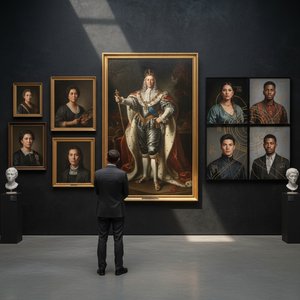
The Enduring Legacy of Formal Portraiture: Power, Identity & Artistic Exploration
Explore the rich history of formal portraiture & its enduring power to capture identity and shape perception. Discover investment-worthy artworks, expert appraisals, and custom reproduction services at ArtsDot.

