

 Pregledaj u prostoru
 Pošalji
 Podeli
 Detalji o delu

 Преузми
 Slični predmeti
 Rendgenski snimak
 Slajdovi
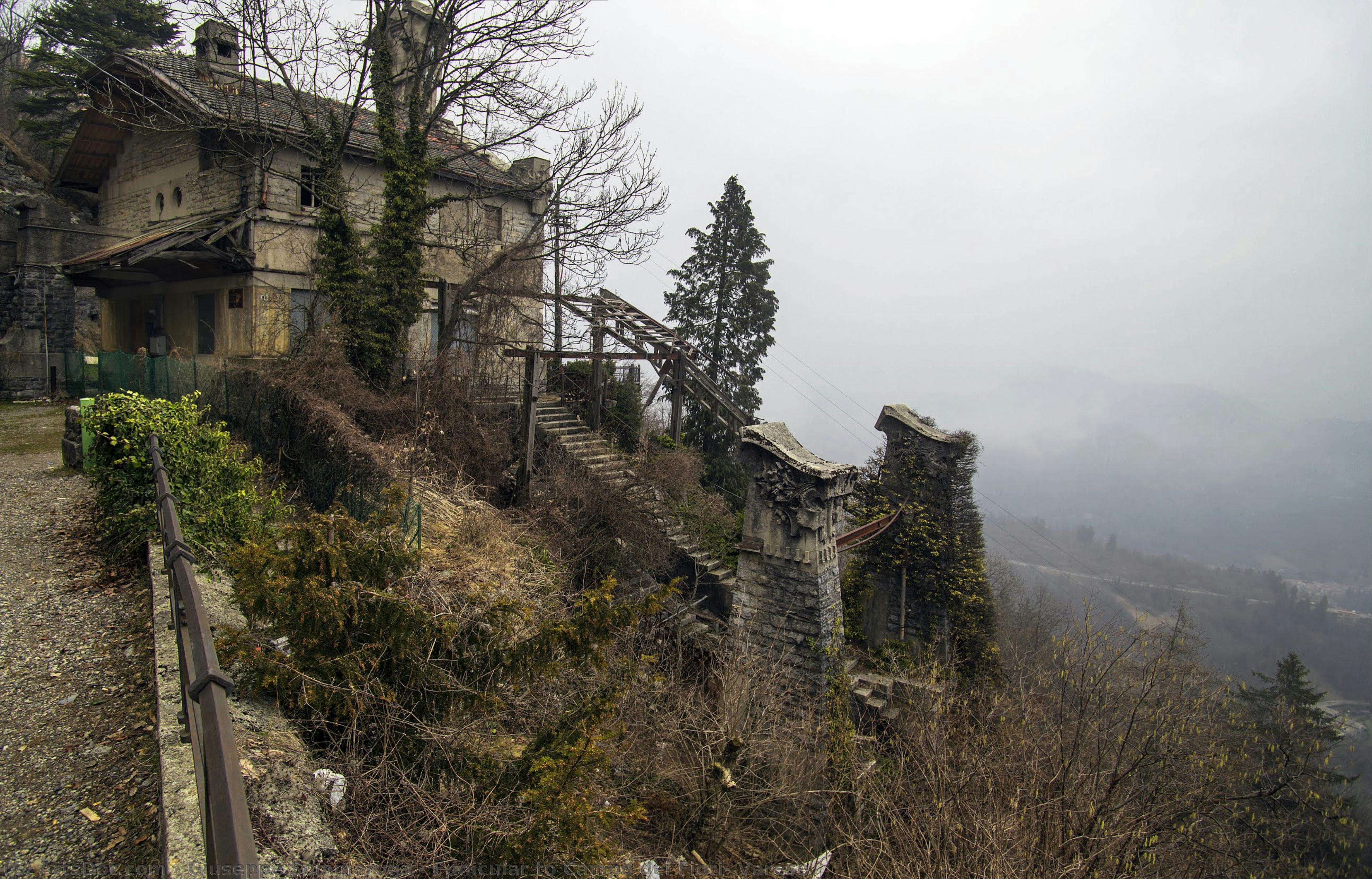
Funicular to Campo dei Fiori, Varese

 Pročitaj više
Kupite digitalnu sliku visoke rezolucije i poboljšanog kvaliteta, koja je znatno superiornija od onoga što vidite u online prikazu.
Svaka datoteka je pedantno pripremljena od strane naših stručnjaka koristeći napredne alate i profesionalnu ručnu retušu. Osiguravamo da svaka slika ima izuzetnu oštrinu, preciznu reprodukciju boja i fine detalje.
Konačna datoteka se dostavlja putem e-pošte u roku od 72 sata, optimizovana za neposrednu upotrebu u profesionalnim, izdavačkim i štamparskim okruženjima. To je isti kvalitet kojem veruju vrhunski studiji dizajna, izdavači i galerije.
Digitalna slika
Preuzmite datoteku visoke rezolucije za ličnu upotrebu, štampanje i kreativne projekte. ( Kupi print Kupi ručno naslikanu sliku)
Uključeno uz svaku porudžbinu digitalne slike
Profesionalna digitalna isporuka, zagarantovana
Kada odaberete ArtsDot.com, ne dobijate samo sliku – vi primate profesionalno unapređeno digitalno umetničko delo, izrađeno sa najvećom preciznošću i uz garanciju zadovoljstva. Evo svega što automatski dolazi uz vašu porudžbinu:

Brza dostava putem e-pošte
Vaša digitalna slika visoke rezolucije biće vam poslata putem e-pošte u roku od 72 sata od poručivanja – spremna za trenutnu upotrebu.

Digitalna datoteka unapređena veštačkom inteligencijom
Vaše umetničko delo je profesionalno optimizovano korišćenjem naprednih AI alata i ručne obrade, čime se osiguravaju maksimalni detalji, oštrina i preciznost boja.

Besplatna ponovna isporuka doživotno
Slučajno ste obrisali ili izgubili svoju datoteku? Ne brinite – poslaćemo vam je ponovo u bilo kom trenutku, potpuno besplatno.

Bez troškova uvoza – zauvek
Uživajte u svojim umetničkim delima trenutno, bez carine, dažbina ili troškova dostave – digitalni download je uvek bez poreza.

Garancija vernosti boja
Uz pomoć profesionalnih alata i upravljanja bojama, osiguravamo da vaša digitalna slika što vernije odražava originalne boje.

Garancija zadovoljstva u roku od 60 dana
Ako niste zadovoljni svojom digitalnom slikom, revidirat ćemo je ili vratiti 100% novca u roku od 60 dana – bez ikakvih pitanja.

100% garancija povrata novca
Niste zadovoljni? Obezbedite pun povrat novca u roku od 60 dana od trenutka kada ste primili svoju digitalnu datoteku – bez suvišnih pitanja.

Popusti na velike porudžbine
Kupite 3 slike, uštedite 10% - Kupite 5 slika, uštedite 15% - Kupite 10+ slika, uštedite 20%. Odlično za kreativne projekte, galerije i agencije.
Opis kolekcionarskog dela
Srodna umetnička dela









Biografija umetnika
The Architect of Elegance: The Legacy of Giuseppe Sommaruga
In the vibrant, transformative era of the early twentieth century, few figures captured the spirit of Italian modernity as profoundly as Giuseppe Sommaruga. A pioneer of the Liberty style—the Italian iteration of Art Nouveau—Sommaruga did not merely design buildings; he sculpted environments that breathed with organic vitality. Born in Milan in 1867, his life and work became a bridge between the rigid traditions of the past and the fluid, experimental energy of a new century. His architectural language was one of movement, where stone and iron seemed to mimic the sinuous curves of vines and the delicate strength of floral motifs, creating a sense of living architecture that continues to enchant observers today.
Sommaruga’s artistic journey was deeply rooted in the prestigious academic traditions of Milan. His formative years at the Brera Academy provided him with a rigorous foundation in classical principles, yet it was his exposure to mentors such as Camillo Boito and Luca Beltrami that truly ignited his creative spirit. These masters instilled in him a humanist approach to design, teaching him to respect historical continuity while encouraging the pursuit of innovation. This unique duality allowed Sommaruga to master the technical complexities of structural engineering while infusing his projects with a poetic, almost rhythmic, ornamentation that would become his signature.
A Symphony of Stone and Iron
The true brilliance of Sommaruga lies in his ability to harmonize monumental scale with intricate, delicate detail. His work often serves as a testament to the Liberty style's obsession with nature and craftsmanship. When wandering through his architectural masterpieces, one does not simply see walls and roofs, but rather an integrated ecosystem of art. He utilized materials like wrought iron and sculpted stone to create textures that felt both opulent and organic, ensuring that every facade told a story of elegance and progress.
Among his most celebrated achievements are structures that stand as icons of Italian architectural heritage:
- The Grand Hotel Campo dei Fiori: A breathtaking masterpiece located near Varese, this hotel exemplifies Sommaruga’s ability to command a large-scale project through the use of intricate ironwork and luxurious Art Nouveau details. It remains a hauntingly beautiful symbol of an era defined by grandeur.
- Villa Romeo Faccanoni: Located in Milan, this villa serves as a jewel of residential design. Here, Sommaruga’s mastery is evident in the seamless integration of sculptural elements and vegetal motifs, often featuring works that complement the architectural flow.
- Palazzo Castiglioni: A cornerstone of Milanese urban architecture, this palace showcases his ability to bring the avant-garde into the heart of the city, blending structural boldness with the sophisticated aesthetics of the burgeoning middle class.
Historical Significance and Enduring Influence
As the twentieth century progressed, Sommaruga’s influence began to ripple through the evolving landscape of Italian design. While his primary devotion remained with the flowing lines of Art Nouveau, his work possessed a structural dynamism that resonated with the early stirrings of Futurism. He understood that architecture was not a static entity but a medium capable of reflecting the rapid industrial and social shifts of his time. By blending the organic with the industrial, he prepared the architectural stage for the more radical movements that would follow.
Though his life was tragically cut short in 1917, the imprint left by Giuseppe Sommaruga remains indelible. His buildings are not merely relics of a bygone era; they are enduring monuments to a period of intense creativity and optimism. To study Sommaruga is to witness the moment when Italian architecture broke free from historical imitation to embrace a modern, soulful identity—a legacy that continues to inspire architects and art historians to find beauty in the intersection of nature and human ingenuity.
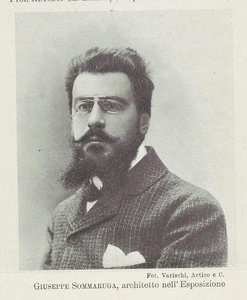
Giuseppe Sommaruga
1867 - 1917

