

 Pregledaj u prostoru
 Pošalji
 Podeli
 Detalji o delu

 Преузми
 Slični predmeti
 Rendgenski snimak
 Slajdovi
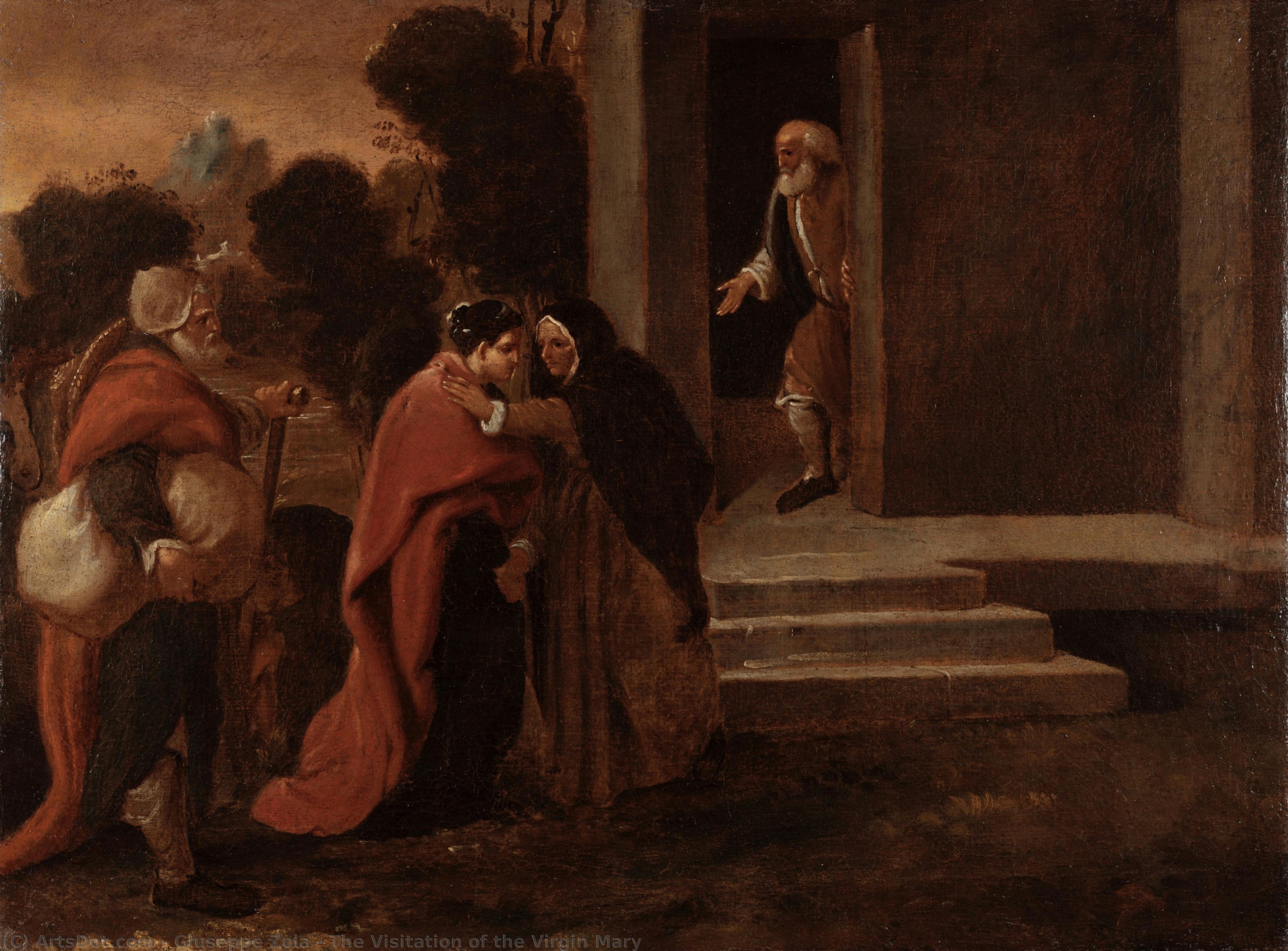
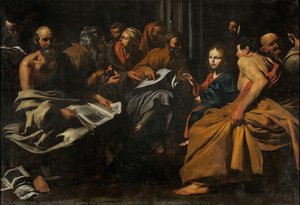
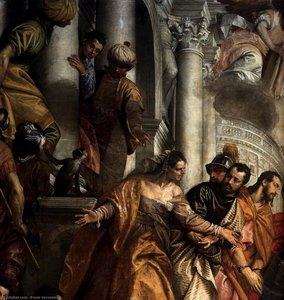
The Visitation of the Virgin Mary
 51.0 x 68.0 cm
 Musei Civici di Arte Antica e Museo Riminaldi
 Pročitaj više
Giclee štampa / Umetnički otisak
Giclée štampa ili print na platnu muzejskog kvaliteta uz brzu proizvodnju i fleksibilne opcije završne obrade. ( Kupi ručno naslikanu sliku Kupi digitalnu sliku)




































Izaberite jednu od naših unapred definisanih veličina koje odgovaraju originalnim proporcijama umetničkog dela.

Možete uneti sopstvene dimenzije kako biste umetničko delo prilagodili specifičnom okviru ili prostoru. Ako odabrani format ne odgovara proporcijama originalne slike, mi ćemo ili iscrtati deo dela ili proširiti sliku pomoću ogledane ivice ili jednobojnog popunjavanja. Digitalni prikaz će vam biti poslat na odobrenje pre početka proizvodnje.
Imajte na umu da pregled na ekranu ne odražava stvarno iscrtavanje ili proširivanje. Samo će prikaz (mockup) precizno pokazati finalnu kompoziciju.
Iako su prilagođene dimenzije dostupne, preporučujemo da odaberete dimenziju sa unapred definisane liste kako biste očuvali originalne proporcije.
Dostava širom sveta () za 2 nedelje umesto uobičajenih 4/5 nedelja. (4 септембар)

Besplatna ekspresna dostava širom sveta

Visokokvalitetno laneno platno

Kompletno osiguranje transporta

Garancija povraćaja carine i uvoznih dažbina

Garancija vernosti boja

Politika povrata u roku od 60 dana (samo u slučaju nedostataka)

Garancija povrata novca od 100%

Popust pri grupnoj kupovini
 Opcija sa staklom dostupna je samo za dimenzije manje od 110 cm

The Visitation of the Virgin Mary
Giclee štampa / Umetnički otisak
Dimenzije reprodukcije
-


Konačna cena
$ 62
Srodna umetnička dela





Biografija umetnika
Robert Barker: The Pioneer of the Panorama
Born in Kells, County Meath, Ireland, in 1739, Robert Barker’s life was a fascinating blend of artistic innovation and entrepreneurial ambition. While often overshadowed by his invention – the panorama – Barker himself remains a somewhat enigmatic figure within art history. His career spanned decades, marked by a remarkable shift from humble portraiture to the creation of immersive, large-scale paintings that captivated audiences across Europe and America. Barker’s story is one of recognizing a burgeoning public appetite for visual spectacle and cleverly exploiting it, ultimately establishing himself as a pivotal figure in the development of both panoramic art and the concept of “panorama” itself.
Early life offers little detail, but Barker's training likely involved apprenticeships within established artistic circles. He began his career as a portrait painter, diligently working to establish a reputation in London. This foundation proved crucial; it provided him with the technical skills and understanding of perspective – particularly the principles developed by artists like Charles Jervas – that would later underpin his revolutionary panoramas. Jervas’s work, known for its meticulous detail and ability to convey depth and spatial relationships, undoubtedly influenced Barker's approach to creating convincing illusions of space within his vast canvases.
- Early Portraiture: Barker honed his skills painting portraits of prominent figures in London society.
- The Coinage of “Panorama” (1792): He coined the term "panorama" from Greek roots meaning “all-seeing,” describing his paintings of Edinburgh, Scotland, which presented a complete 360-degree view of the city.
The Rise of the Barker Panorama
Barker’s breakthrough came in 1793 with the construction of a dedicated panorama building in Leicester Square, London – a truly unprecedented undertaking for its time. This purpose-built structure, designed by Robert Mitchell, housed six massive canvases depicting Edinburgh from Calton Hill. The experience was transformative; viewers stood on a central platform beneath a skylight, enveloped in a breathtakingly expansive view that simulated the sensation of standing atop the hill itself. This wasn’t merely a painting; it was an immersive spectacle, a new form of entertainment that quickly gained immense popularity.
The success of the Edinburgh panorama led to further iterations and expansions. Barker soon moved his panoramas to a larger building in London, showcasing scenes from other cities like Paris and Rome. His technique involved sophisticated manipulations of perspective – far exceeding the conventions of earlier “prospect” paintings – creating an illusion of depth and scale that was remarkably convincing. He employed techniques developed by artists such as Francis Towne, who had spent time studying landscape painting in Italy, to achieve this effect.
- The Leicester Square Building (1793): The first purpose-built panorama building, a marvel of engineering and design.
- Edinburgh from Calton Hill: Barker’s most famous work, showcasing the panoramic view of Edinburgh.
- Expansion to London: Barker replicated his success with panoramas of Paris and Rome.
Technique and Innovation
Barker's mastery lay not just in the scale of his paintings but also in the technical innovations he employed. He moved beyond the traditional single-point perspective, utilizing a complex system of vanishing points to create an illusion of depth that extended across the entire canvas. His panoramas were meticulously constructed, often incorporating detailed models and topographical surveys to ensure accuracy. The use of carefully calibrated lighting further enhanced the immersive quality of the experience, creating a dramatic and captivating spectacle for viewers.
Crucially, Barker’s work anticipated developments in visual perception that wouldn't fully emerge until decades later. His panoramas demonstrated an understanding of how the human eye perceives space and distance – principles that would later be explored by artists like Charles Jervas and further developed by Impressionists and Post-Impressionists. His approach to creating a comprehensive, all-encompassing view was truly groundbreaking.
Legacy and Influence
Robert Barker’s legacy is complex and multifaceted. While he never achieved widespread recognition during his lifetime – largely due to the ephemeral nature of his panoramas – he undeniably pioneered a new art form and coined a term that continues to be used today. His invention of “panorama” fundamentally altered the way people experienced visual art, shifting from static paintings to dynamic, immersive spectacles.
The Barker Panorama’s influence extended beyond Britain, inspiring similar projects across Europe and eventually in America. The concept of the cyclorama – a moving panorama viewed on a rotating screen – emerged in the 19th century, demonstrating the enduring appeal of Barker's innovative approach. Today, his work is studied as a crucial milestone in the history of art, representing a pivotal moment in the evolution of visual representation and entertainment.
Robert Barker died in 1806, leaving behind a remarkable legacy – not just as an artist but as an inventor and a visionary who transformed the way people experienced the world through art.
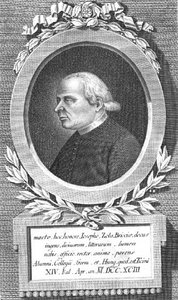
giuseppe zola
1739 - 1806 , Italy
Osnovne informacije
- Artistic Movement Or Style: Panoramic painting
- Artists Or Movements Influenced By This Artist: ['Francis Towne']
- Artists Who Influenced This Artist: ['Charles Jervas']
- Date Of Birth: 1739
- Date Of Death: 1806
- Full Name: Robert Barker
- Nationality: Irish
- Notable Artworks: ['The Panorama of Edinburgh']
- Place Of Birth: Kells, County Meath, Ireland

