

 Pregledaj u prostoru
 Pošalji
 Podeli
 Detalji o delu

 Преузми
 Slični predmeti
 Rendgenski snimak
 Slajdovi
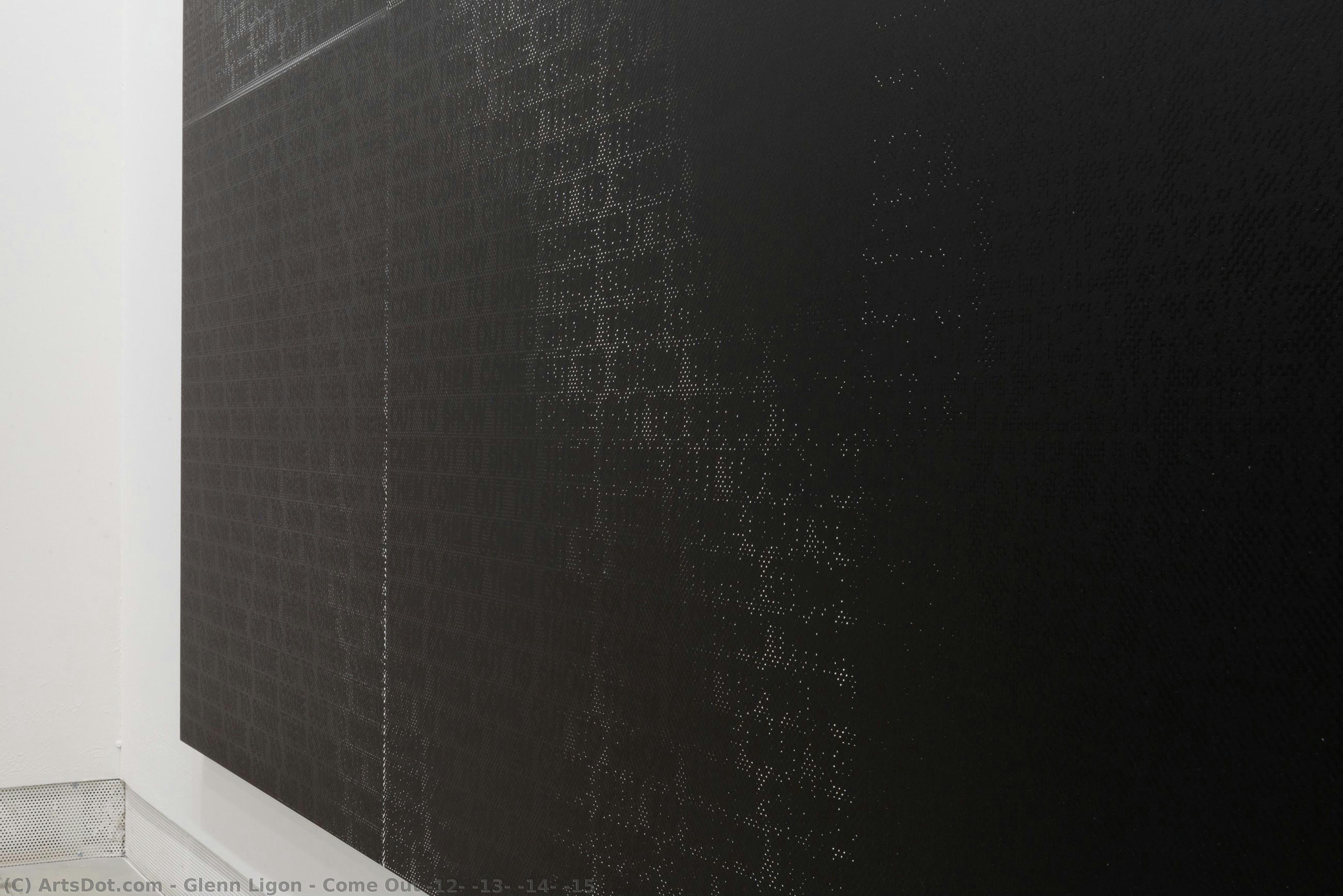
Come Out #12; #13; #14; #15


 Pročitaj više
Ručno rađena uljana reprodukcija
Ručno oslikano uljanim bojama na platnu u dimenzijama i okviru po vašem izboru, izrađeno po porudžbini od strane naših umetnika. ( Kupi print Kupi digitalnu sliku)




































Izaberite jednu od naših unapred definisanih veličina koje odgovaraju originalnim proporcijama umetničkog dela.

Можете унети сопствене димензије како бисте прилагодили дело одређеном оквиру или простору. Ако одабрана величина не одговара пропорцијама оригинала, слика ће бити исечена или проширена додатним елементима који се ручно насликавају. Дигитални prikaz ће вам бити послат на одобрење пре почетка производње.
Имајте на уму да преглед на екрану не одражава стварно исецање или проширење. Само приказ (mockup) ће тачно приказати коначну композицију.
Иако су доступне прилагођене величине, препоручујемо да одаберете димензију из дефинисане листе како бисте сачували оригиналне пропорције.
Nakon narudžbine, tim ArtsDot.com će klijentu putem e-pošte poslati uputstva i dostaviti prikaz predloženog rešenja
Isporuka širom sveta () za 3/4 nedelje umesto uobičajenih 5 nedelja. (6 септембар). Bez kompromisa po pitanju kvaliteta.

Besplatna ekspresna dostava širom sveta

Visokokvalitetno laneno platno

Kompletno osiguranje transporta

Garancija povraćaja carine i uvoznih dažbina

Garancija vernosti boja

Politika povrata u roku od 100 dana (samo u slučaju nedostataka)

Garancija povrata novca od 100%

Popust pri grupnoj kupovini
 Opcija sa staklom dostupna je samo za dimenzije manje od 110 cm

Come Out #12; #13; #14; #15
Tehnika reprodukcije
Dimenzije reprodukcije
-


Konačna cena
$ 263
Srodna umetnička dela







Biografija umetnika
The Architecture of Identity: The Art of Glenn Ligon
Born in 1960 amidst the Forest Houses Projects of the Bronx, New York, Glenn Ligon carries within his creative DNA a profound tension between disparate worlds. His early life was defined by a striking duality: the lived reality of the Bronx contrasted with the privileged education he received at the Walden School. This juxtaposition of social strata became the foundational lens through which he would later view the complexities of American life. As an artist, Ligon does not merely observe these boundaries; he deconstructs them, using the very tools of language and abstraction to interrogate the shifting landscapes of race, sexuality, and the elusive nature of the self.
Ligon’s artistic journey began with a deep immersion in the visceral language of Abstract Expressionism. While honing his technical skills as a proofreader for a law firm, he found himself drawn to the legacies of titans like Willem de Kooning and Jackson Pollock. This early engagement with the raw, gestural power of paint provided him with a vital vocabulary of form and movement. However, it was during the mid-1980s that Ligon underwent a transformative metamorphosis, moving away from pure abstraction toward a conceptual practice that integrated text as a primary medium. By weaving words into his visual compositions, he began to bridge the gap between the seen and the read, turning the canvas into a site of linguistic struggle.
The Power of Repetition and the Weight of Words
At the heart of Ligon’s most iconic works is the hypnotic, almost haunting use of repetition. He often employs blocks of text that are printed, stenciled, or layered over and over again until the original meaning begins to dissolve. In this process, words become nearly illegible clouds of black ink, creating a visual metaphor for how history can both assert itself and fade into obscurity. This technique serves a dual purpose: it draws the viewer into a meditative state while simultaneously reflecting the cyclical nature of racial politics and the persistence of historical memory. Through this blurring of clarity, LLigon captures the complexity of black subjectivity in America—a state that is often obscured by layers of societal perception and systemic erasure.
His choice of source material is equally deliberate, drawing from a rich tapestry of 20th-century African American literature and cultural discourse. He culls quotations from monumental figures such as:
- James Baldwin, whose explorations of race and intimacy provide a searing emotional backbone to his work;
- Zora Neale Hurston, whose linguistic vibrancy informs his textural approach;
- Ralph Ellison, whose themes of invisibility resonate through Ligon's obscured texts;
- Richard Pryor, bringing a layer of pop-culture consciousness and raw truth to the medium.
By utilizing these voices, Ligon does more than quote history; he recontextualizes it. He treats language not just as a carrier of meaning, but as a physical, sculptural element. Whether working with the starkness of stencil on canvas or the ethereal glow of neon sculpture, he manipulates text to act as both a window into cultural identity and a barrier that challenges the viewer's ability to truly "see" or "read" the American experience.
Legacy and the Post-Black Aesthetic
Ligon’s emergence in the early 1990s placed him at the forefront of a pivotal movement in contemporary art. Alongside peers such as Janine Antoni, Lorna Simpson, and Renée Green, he helped spearhead a critical interrogation of gender, heritage, and cultural memory. He is widely recognized as one of the originators of the term Post-Blackness, a concept that navigates the space between racial identity and the broader complexities of globalized, contemporary existence. His work does not seek to provide easy answers; rather, it invites a confrontation with the fragments of history that remain.
Through his mastery of diverse media—ranging from painting and film to neon and printmaking—Glenn Ligon has secured a place as one of the most significant conceptual artists of his generation. His ability to transform the ephemeral nature of speech into the enduring weight of visual art ensures that his explorations of desire, language, and identity continue to resonate deeply within the global art historical canon. He remains an artist who reminds us that while history may repeat itself in obscured layers, the act of looking—and reading—is a vital form of resistance.

Osnovne informacije
- Artistic Movement Or Style: Conceptual Art
- Artists Or Movements Influenced By This Artist: ['Post-Blackness']
- Artists Who Influenced This Artist:
- Willem de Kooning
- Jackson Pollock
- Date Of Birth: 1960
- Full Name: Glenn Ligon
- Nationality: American
- Notable Artworks: ['Come Out #12; #13; #14; #15']
- Place Of Birth: Bronx, NY