 Pregledaj u prostoru
 Pošalji
 Podeli
 Detalji o delu

 Преузми
 Slični predmeti
 Rendgenski snimak
 Slajdovi
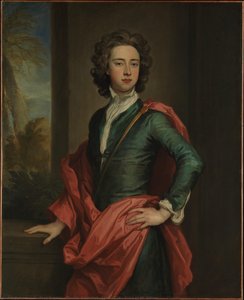
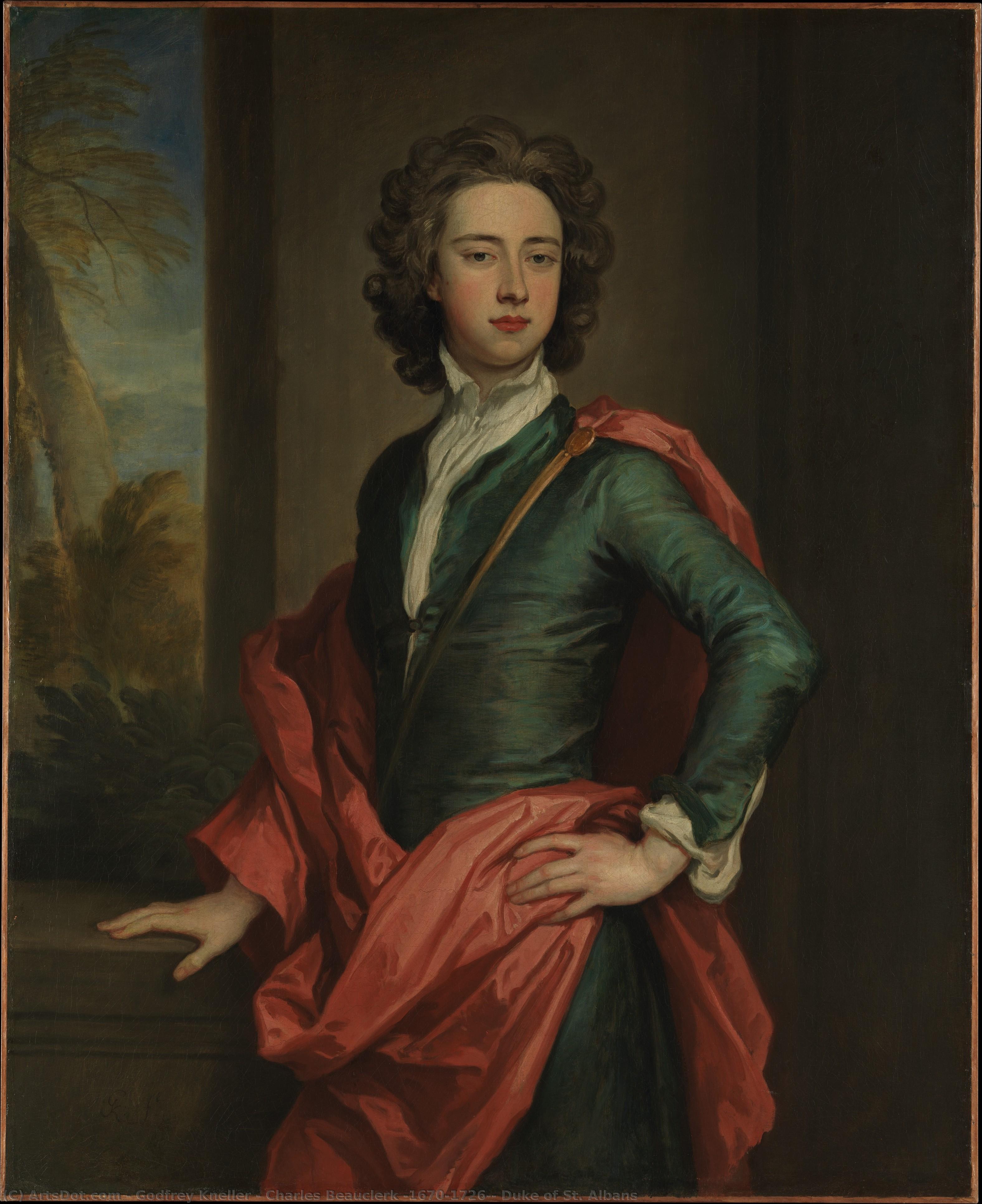
Charles Beauclerk (1670–1726), Duk je St Albans
 Akril na platnu
- Umetnost za zidove
- Baroque Style
 1690
1690 127.0 x 103.0 cm
 Metropolitan Museum of Art
 Pročitaj više
Giclee štampa / Umetnički otisak
Giclée štampa ili print na platnu muzejskog kvaliteta uz brzu proizvodnju i fleksibilne opcije završne obrade. ( Kupi ručno naslikanu sliku Kupi digitalnu sliku)




P118B $10

P118H $10

P118W $10

P438Z $10

P508JH $12

P508YH $12

P805H $10

P805Z $10

P919BZ $10

P919G $10

P919XJ $10

P959ZH $10

P968JZ $12

W106C $8

W218G $10

W218JH $8

W218Y $10

W307PJ $10

W316G $10

W316PJ $8

W316Y $10

W398PJ $8

W4111J $10

W500HY $15

W500JH $15

W692G $12

W849H $8

W940BG $15

W953PJ $8




Izaberite jednu od naših unapred definisanih veličina koje odgovaraju originalnim proporcijama umetničkog dela.

Možete uneti sopstvene dimenzije kako biste umetničko delo prilagodili specifičnom okviru ili prostoru. Ako odabrani format ne odgovara proporcijama originalne slike, mi ćemo ili iscrtati deo dela ili proširiti sliku pomoću ogledane ivice ili jednobojnog popunjavanja. Digitalni prikaz će vam biti poslat na odobrenje pre početka proizvodnje.
Imajte na umu da pregled na ekranu ne odražava stvarno iscrtavanje ili proširivanje. Samo će prikaz (mockup) precizno pokazati finalnu kompoziciju.
Iako su prilagođene dimenzije dostupne, preporučujemo da odaberete dimenziju sa unapred definisane liste kako biste očuvali originalne proporcije.
Dostava širom sveta () za 2 nedelje umesto uobičajenih 4/5 nedelja. (25 август)

Besplatna ekspresna dostava širom sveta

Visokokvalitetno laneno platno

Kompletno osiguranje transporta

Garancija povraćaja carine i uvoznih dažbina

Garancija vernosti boja

Politika povrata u roku od 60 dana (samo u slučaju nedostataka)

Garancija povrata novca od 100%

Popust pri grupnoj kupovini
 Opcija sa staklom dostupna je samo za dimenzije manje od 110 cm

Charles Beauclerk (1670–1726), Duk je St Albans
Giclee štampa / Umetnički otisak
Dimenzije reprodukcije
-


Konačna cena
$ 62
Opis predmeta
Charles Beauclerk (1670–1726), Duke of St. Albans – A Portrait Steeped in Privilege and Vulnerability
Sir Godfrey Kneller’s depiction of Charles Beauclerk, Duke of St. Albans, transcends mere likeness; it embodies the aspirations of a man attempting to solidify his position within the opulent tapestry of Restoration England. Painted around 1690-1695, this artwork isn't simply a visual record of an aristocratic figure—it’s a carefully constructed statement about status and identity itself.- Subject Matter: The portrait portrays Charles Beauclerk, the illegitimate son of King Charles II and Nell Gwyn – a union fraught with social complexities that Kneller skillfully captures. Gwyn's influence on Beauclerk’s upbringing ensured he received considerable royal patronage, shaping his life trajectory and contributing to the image presented here.
- Style: Kneller’s signature style is unmistakably Baroque, characterized by broad brushwork and dramatic chiaroscuro—the interplay of light and shadow—techniques that imbue the painting with a palpable sense of grandeur. This stylistic choice reflects the broader artistic trends of the era, prioritizing theatricality and conveying emotion through visual means.
- Technique: Kneller employed oil paint on canvas, utilizing meticulous layering to achieve remarkable detail in capturing Beauclerk’s facial features and clothing textures. The artist's mastery is evident in the subtle gradations of color and the masterful rendering of fabric folds—elements that contribute significantly to the painting’s overall impact.
Historical Context – Legitimacy Amidst Scandal
The portrait emerges from a period marked by considerable social upheaval following the Glorious Revolution of 1688, where William III and Mary II ousted James II—a Catholic monarch who threatened to undermine Protestant dominance. Beauclerk’s illegitimacy presented an inherent challenge to his claim to nobility; Kneller deftly addresses this issue through visual cues – notably Beauclerk's posture and gaze – conveying a deliberate effort to project confidence and authority. The inclusion of the Roman ruin backdrop reinforces this symbolic gesture, referencing classical ideals of virtue and legitimacy.Symbolism – Beyond Appearance
Beyond its surface beauty lies a deeper layer of symbolism. Observe Beauclerk’s slightly elevated chin—a posture indicative of aristocratic bearing—and the silk draped over his shoulder—a luxurious fabric symbolizing wealth and status. However, beneath this veneer of grandeur resides a subtle vulnerability conveyed through the artist's gaze; Kneller subtly hints at inner turmoil, suggesting that Beauclerk’s outward composure masks underlying anxieties about social acceptance. The two potted plants flanking the portrait serve as visual anchors, grounding the scene in nature while simultaneously symbolizing fertility and prosperity—themes pertinent to the aspirations of a noble lineage seeking to secure its future.Emotional Impact – A Portrait That Speaks Volumes
Ultimately, Kneller’s masterpiece transcends mere representation; it evokes an emotional response in the viewer. The painting compels us to contemplate not only Beauclerk's physical appearance but also his psychological state—a duality that underscores the complexities of identity formation within a hierarchical society. It’s a portrait that lingers in the mind long after viewing, prompting reflection on notions of privilege, vulnerability, and the enduring power of art to communicate profound truths about human experience. The artist skillfully captures this tension between outward confidence and inner apprehension, creating an image that resonates with timeless artistic considerations.Srodna umetnička dela

Biografija umetnika
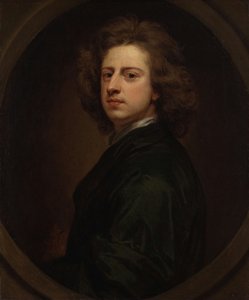
The Cosmopolitan Brush: Godfrey Kneller and the Shaping of English Portraiture
Godfrey Kneller, born in Lübeck, Germany, in 1646, wasn’t merely a painter who found success on English shores; he was an architect of its artistic identity. His arrival in London around 1676, following periods of study and work in Italy and France, coincided with a burgeoning desire for a distinctly English style – one that moved beyond the imitation of continental masters. Kneller didn’t simply fulfill this need, he *defined* it. He wasn't born into privilege; his father was a modest Mennonite painter, and young Godfrey received his initial training within the family workshop. This grounding in craft, coupled with an insatiable appetite for learning, propelled him towards Italy, where he absorbed the influence of Baroque masters like Guido Reni and Annibale Carracci. However, it was Paris, under the tutelage of Simon Vouet’s nephew, that truly began to shape his grand, theatrical style – a style perfectly suited to the tastes of the Restoration court.From Royal Patronage to National Iconography
Kneller's ascent in England was remarkably swift. He secured commissions from prominent figures almost immediately, but it was his appointment as Principal Painter to King Charles II in 1679 that cemented his position at the heart of English artistic life. This role wasn’t just about painting portraits; it was about creating an image of power and legitimacy for the monarchy. Kneller understood this implicitly. His royal portraits – bold, imposing, and richly detailed – weren't simply likenesses; they were statements of authority. He moved away from the stiff formality of earlier English portraiture, introducing a dynamism and psychological depth that had been largely absent. He wasn’t afraid to depict his sitters with flaws, but always within a framework that emphasized their status and character. This ability to balance realism with idealization proved incredibly popular. Beyond the royal family, Kneller became *the* portraitist of the English elite – dukes, earls, bishops, admirals, and literary figures all clamored for his services.The Kit-Cat Club and a Portrait Style Defined
Kneller’s influence extended far beyond his brushstrokes. He was a central figure in London's vibrant intellectual and social circles, most notably as a founding member of the Kit-Cat Club – a gathering of Whig politicians, writers, and artists. This association not only provided him with a steady stream of commissions but also shaped his artistic vision. The Kit-Cats valued wit, intelligence, and public service, and these qualities are subtly reflected in Kneller’s portraits of its members. He developed a distinctive style characterized by a loose, painterly technique, a warm color palette, and an emphasis on the sitter's personality. His famous “Kit-Cat Portraits” – a series of standardized half-length portraits featuring his clubmates – became iconic representations of English intellectual life. These works weren’t just about capturing physical resemblance; they were about celebrating a shared ethos. He also pioneered the use of cartoons, preparatory drawings used to standardize portrait production, making high-quality portraits more accessible and contributing to the widespread dissemination of his style.A Legacy Beyond Likeness: Kneller's Enduring Impact
Kneller’s impact on English art is undeniable. He established a new standard for portraiture – one that emphasized psychological realism, painterly technique, and a distinctly English sensibility. He trained a generation of artists, including some of the most important portraitists of the 18th century, such as Jonathan Richardson and Stephen Slaughter. His influence can be seen in the work of virtually every major English portrait painter who followed him. He wasn’t simply copying continental styles; he was synthesizing them with his own unique vision and adapting them to the specific needs and tastes of English society. He founded the Academy of Painting or Great Britain in 1711, a precursor to the Royal Academy, demonstrating his commitment to fostering artistic education and professionalizing the field. While later critics sometimes dismissed his work as overly formulaic or lacking in technical brilliance, Kneller’s portraits remain compelling for their ability to capture not just *what* people looked like, but *who* they were – or who they aspired to be. He died in London in 1723, leaving behind a vast body of work that continues to shape our understanding of the English elite and the artistic landscape of the late 17th and early 18th centuries.Key Achievements & Historical Significance
- Established himself as Principal Painter to King Charles II, solidifying his position at court.
- Developed a distinctive portrait style characterized by painterly technique and psychological depth.
- Pioneered the use of cartoons for standardized portrait production.
- Founded the Academy of Painting or Great Britain, promoting artistic education.
- Created iconic portraits of members of the Kit-Cat Club, representing English intellectual life.
- Transformed English portraiture from a largely imitative practice into a uniquely English art form.
Povezani članci
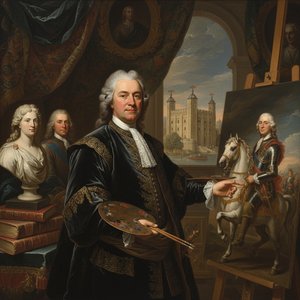
Sir Godfrey Kneller: Portraiture, Power & Artistic Identity in Restoration England
Explore the life & work of Sir Godfrey Kneller, leading portraitist of Restoration England. Discover his Baroque style, influence on aristocratic society, and lasting legacy in English art history. Learn about Kit-Cat portraits & more!

Барокна драма: Уношење величине и емоција у савремене ентеријере
Откријте барокну драму и унесите величину у ваш ентеријер! ArtsDot нуди ручно насликане репродукције, персонализоване портрете и стручне консултације за љубитеље класичне уметности. Потражите савршено дело већ данас!

The Dramatic Flourish: Exploring the Baroque Movement's Enduring Legacy in Art History
Explore the dramatic world of Baroque art! Discover iconic artists like Caravaggio & Rubens, defining techniques, and its lasting impact on art history. Expert insights for collectors & enthusiasts at ArtsDot.

Barok Majstor dela: Top 10 Umjetničkih Remeka za Vaš Dom
Otkrijte 10 remek dela koja su definisala baroknu umetnost! Karavagio, Bernini i više – istražite priče iza ovih ikoničnih slika. Inspiracija za vaš dom? Pogledajte kolekciju na ArtsDot.com!

The Visceral Stage: Exploring Dramatic Narratives & Emotional Intensity in Baroque Art
Explore the dramatic world of Baroque art! Discover iconic masters like Caravaggio & Rembrandt, their techniques, and the movement's lasting impact. Expert insights for collectors & enthusiasts at ArtsDot.