

 Pregledaj u prostoru
 Pošalji
 Podeli
 Detalji o delu

 Преузми
 Slični predmeti
 Rendgenski snimak
 Slajdovi
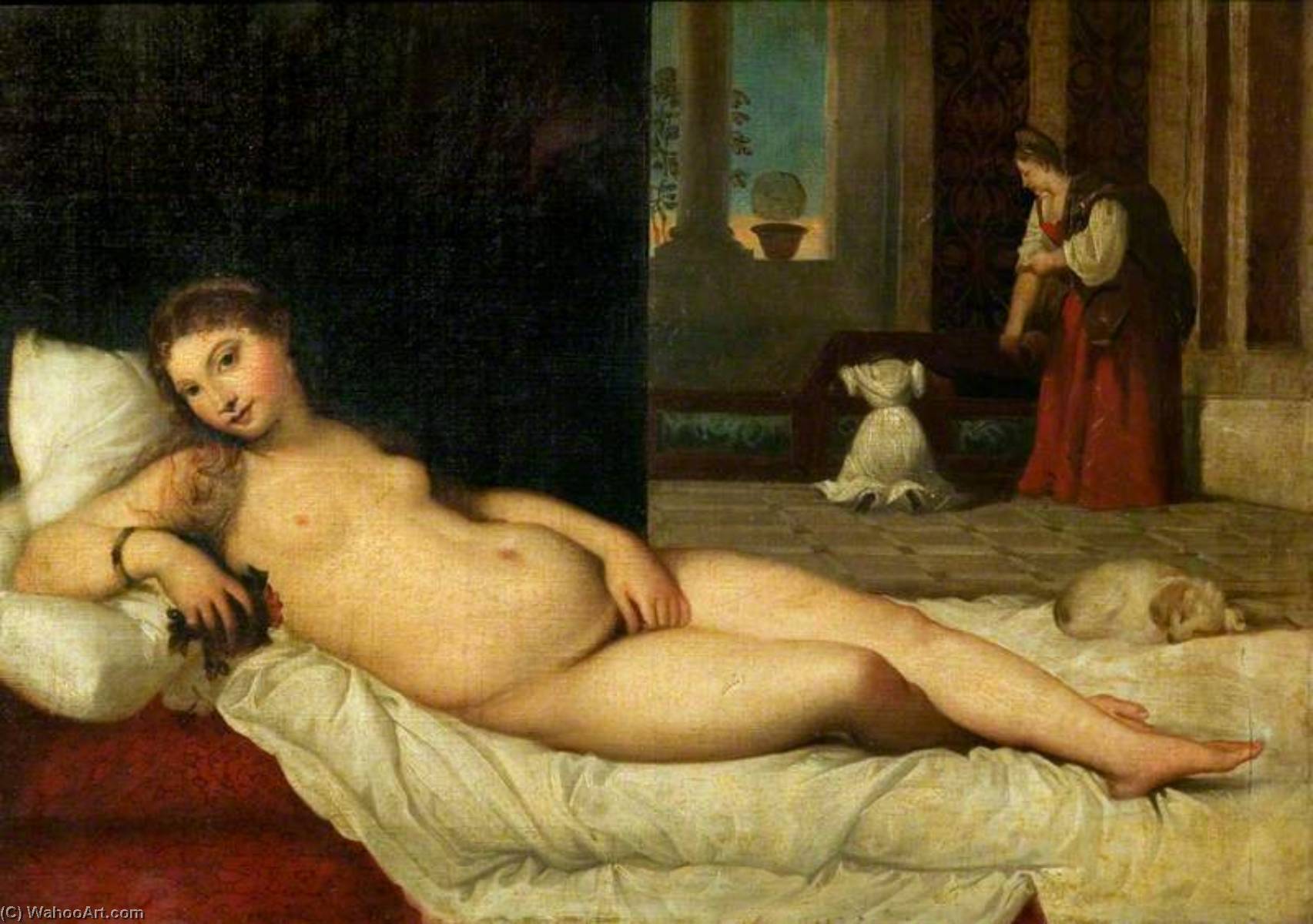
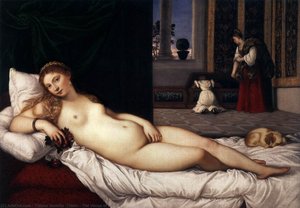
Venus of Urbino (after Titian)
 44.0 x 64.0 cm
 Pročitaj više
Ručno rađena uljana reprodukcija
Ručno oslikano uljanim bojama na platnu u dimenzijama i okviru po vašem izboru, izrađeno po porudžbini od strane naših umetnika. ( Kupi print Kupi digitalnu sliku)




































Izaberite jednu od naših unapred definisanih veličina koje odgovaraju originalnim proporcijama umetničkog dela.

Можете унети сопствене димензије како бисте прилагодили дело одређеном оквиру или простору. Ако одабрана величина не одговара пропорцијама оригинала, слика ће бити исечена или проширена додатним елементима који се ручно насликавају. Дигитални prikaz ће вам бити послат на одобрење пре почетка производње.
Имајте на уму да преглед на екрану не одражава стварно исецање или проширење. Само приказ (mockup) ће тачно приказати коначну композицију.
Иако су доступне прилагођене величине, препоручујемо да одаберете димензију из дефинисане листе како бисте сачували оригиналне пропорције.
Nakon narudžbine, tim ArtsDot.com će klijentu putem e-pošte poslati uputstva i dostaviti prikaz predloženog rešenja
Isporuka širom sveta () za 3/4 nedelje umesto uobičajenih 5 nedelja. (6 септембар). Bez kompromisa po pitanju kvaliteta.

Besplatna ekspresna dostava širom sveta

Visokokvalitetno laneno platno

Kompletno osiguranje transporta

Garancija povraćaja carine i uvoznih dažbina

Garancija vernosti boja

Politika povrata u roku od 100 dana (samo u slučaju nedostataka)

Garancija povrata novca od 100%

Popust pri grupnoj kupovini
 Opcija sa staklom dostupna je samo za dimenzije manje od 110 cm

Venus of Urbino (after Titian)
Tehnika reprodukcije
Dimenzije reprodukcije
-


Konačna cena
$ 263
Inspiration from Titian's Original
The original Venus of Urbino by Titian, housed in the Galleria degli Uffizi in Florence, is a masterpiece of Renaissance art. Created in 1534, it depicts a nude young woman, traditionally identified with the goddess Venus, reclining on a couch or bed in a sumptuous palace setting. Godfrey Sykes' version, while not an exact replica, captures the essence of Titian's work, with its own unique charm.Key Features and Symbolism
The painting features a nude woman lying on her side on a bed, with one hand resting on her head and the other holding a small dog. The background includes two figures: a maidservant standing by the bed and another woman near a window. The use of light and shadow creates a sense of depth and dimensionality, while the classical architectural elements add to the overall sense of opulence. Some of the key features and symbolism in the painting include:- The dog, often a symbol of fidelity
- The maidservant and woman in the background, representing domesticity and daily life
- The nude figure, embodying sensuality and beauty
Conclusion
The Venus of Urbino by Godfrey Sykes is a beautiful example of Renaissance art, inspired by the original work by Titian. This stunning oil painting, available on ArtsDot.com, is a must-see for art lovers and historians alike. For more information on the original Venus of Urbino by Titian, visit Wikipedia.To explore more artworks like this, visit the Victoria and Albert Museum or browse the collection on ArtsDot.com.
Srodna umetnička dela






Biografija umetnika
The Industrial Soul and Classical Grace
Godfrey Sykes emerged from the heart of Yorkshire as a figure who could bridge the gap between the soot-stained reality of industrial England and the ethereal elegance of the Renaissance. Born in Malton in 1824, his early life was steeped in the rigorous discipline of craftsmanship. Through his apprenticeship under the renowned engraver James Bell, Sykes developed a meticulous eye for detail that would become the hallmark of his diverse career as a designer, metalworker, sculptor, and painter. In those formative years within Sheffield, his brush first captured the raw, unvarnished truth of the industrial landscape—the rhythmic clang of blacksmith shops and the heavy, atmospheric presence of rolling mills. This early period of documentation provided him with a foundational understanding of texture and light that would later inform his more ambitious, decorative pursuits.A Renaissance Awakening
The trajectory of Sykes’s artistry underwent a profound transformation through an intellectual partnership that would redefine much of Victorian decorative art. The arrival of Alfred Stevens in Sheffield in 1850 acted as a catalyst, sparking a shared fascination with the pursuit of harmonious proportions and idealized beauty. Together, they embraced the Renaissance Revival movement, a stylistic shift that moved Sykes away from pure industrial realism toward a more sophisticated, classical aesthetic. As the chief designer for the ironfounders at Hoole & Co., he achieved a remarkable synthesis of heavy material and delicate ornament, executing monumental commissions that showcased his mastery of form:- The striking frieze created for the Mechanics Institute in 1853, which demonstrated his ability to translate classical motifs into tangible, structural art.
- The breathtaking ceiling fresco for the Telegraphic Building in 1856, an achievement that highlighted his skill in large-scale decorative painting.
- The creation of intricate terracotta sculptures and metalwork that brought a sense of historical grandeur to the burgeoning industrial architecture of the era.
The Enduring Legacy of a Victorian Visionary
Though his life was tragically short, ending in London in 1866 at the age of only forty-one, the breadth of Sykes’s contribution remains etched into the very fabric of Victorian design. His ability to navigate between the Romanticism of his portraits and the Realism of his industrial scenes allowed him to capture the dual spirit of his age—the tension between progress and tradition. Whether through the melancholic introspection found in works like 'The Pet in a Pet' or the evocative, impasto-rich depiction of daily labor in 'Grinder’s Hull', Sykes left behind a body of work that celebrates both the strength of human toil and the timeless allure of classical perfection. His legacy continues to resonate through the halls of institutions like the V&A Museum, where his decorative innovations remain a testament to an artist who saw the divine potential within the industrial machine.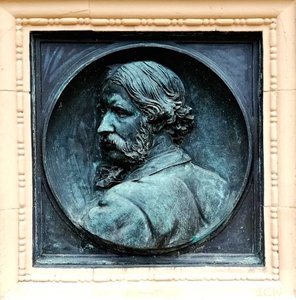
Godfrey Sykes
1824 - 1866
Osnovne informacije
- Artistic Movement Or Style: Renaissance Revival
- Artists Or Movements Influenced By This Artist: ['Raphael']
- Artists Who Influenced This Artist: ['Alfred Stevens']
- Date Of Birth: 1824
- Date Of Death: 1866
- Full Name: Godfrey Sykes
- Nationality: English
- Notable Artworks:
- Lunch Time
- The Three Fates
- Venus of Urbino (after Titian)
- Place Of Birth: Malton, North Yorkshire