

 Pregledaj u prostoru
 Pošalji
 Podeli
 Detalji o delu

 Преузми
 Slični predmeti
 Rendgenski snimak
 Slajdovi
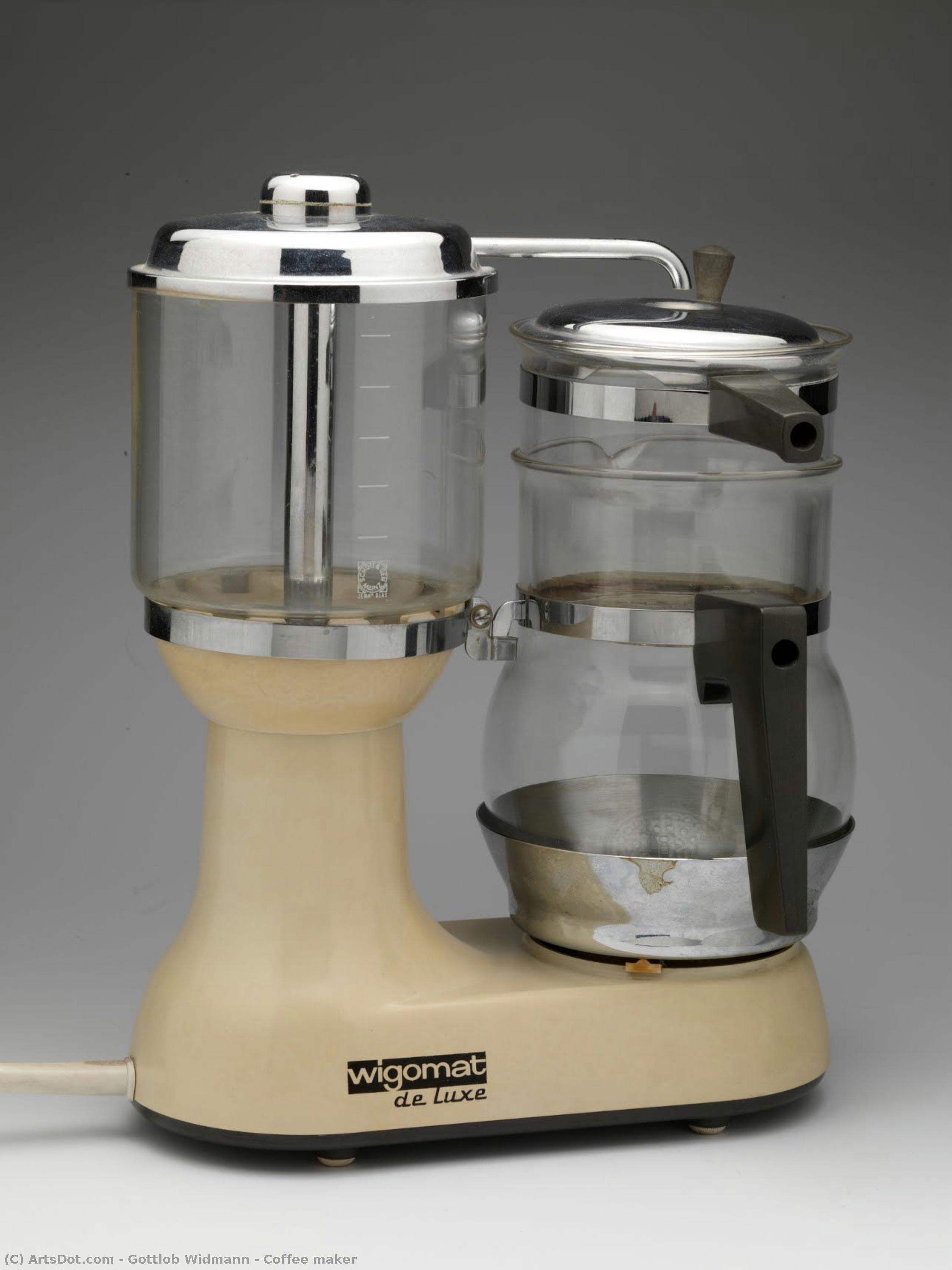
Coffee maker
 1963
1963 32.0 x 25.0 cm
 NEMO Science Museum
 Pročitaj više
Giclee štampa / Umetnički otisak
Giclée štampa ili print na platnu muzejskog kvaliteta uz brzu proizvodnju i fleksibilne opcije završne obrade. ( Kupi ručno naslikanu sliku Kupi digitalnu sliku)




































Izaberite jednu od naših unapred definisanih veličina koje odgovaraju originalnim proporcijama umetničkog dela.

Možete uneti sopstvene dimenzije kako biste umetničko delo prilagodili specifičnom okviru ili prostoru. Ako odabrani format ne odgovara proporcijama originalne slike, mi ćemo ili iscrtati deo dela ili proširiti sliku pomoću ogledane ivice ili jednobojnog popunjavanja. Digitalni prikaz će vam biti poslat na odobrenje pre početka proizvodnje.
Imajte na umu da pregled na ekranu ne odražava stvarno iscrtavanje ili proširivanje. Samo će prikaz (mockup) precizno pokazati finalnu kompoziciju.
Iako su prilagođene dimenzije dostupne, preporučujemo da odaberete dimenziju sa unapred definisane liste kako biste očuvali originalne proporcije.
Dostava širom sveta () za 2 nedelje umesto uobičajenih 4/5 nedelja. (21 август)

Besplatna ekspresna dostava širom sveta

Visokokvalitetno laneno platno

Kompletno osiguranje transporta

Garancija povraćaja carine i uvoznih dažbina

Garancija vernosti boja

Politika povrata u roku od 60 dana (samo u slučaju nedostataka)

Garancija povrata novca od 100%

Popust pri grupnoj kupovini
 Opcija sa staklom dostupna je samo za dimenzije manje od 110 cm

Coffee maker
Giclee štampa / Umetnički otisak
Dimenzije reprodukcije
-


Konačna cena
$ 62
Srodna umetnička dela








Biografija umetnika
The Architect of the Morning Ritual
In the grand tapestry of human innovation, some legacies are etched in pigment and oil, while others are forged in the precision of engineering and the pursuit of perfection. Gottlob Widmann, born in Berlin in 1954, belongs to that rare class of visionaries whose impact is felt not through a gallery of canvases, but through the rhythmic, daily rituals of millions. He was not an artist of the brush, but an architect of experience, a man who looked at the chaotic, manual processes of coffee preparation and saw an opportunity for scientific elegance. His life’s work represents a quiet revolution, one that transformed a temperamental craft into a standardized, reliable masterpiece of modern convenience.
To understand Widmann’s contribution, one must envision the landscape of brewing prior to his intervention. The mid-20th century was an era of transition, where traditional methods—often reliant on the unpredictable heat of an open flame and the manual pouring of water—left much to the whims of chance. These older techniques, such as the ubiquitous percolator, were prone to uneven extraction and inconsistent temperatures, often resulting in a cup that lacked the nuanced character coffee lovers craved. Widmann, driven by an engineer's thirst for precision, recognized that the secret to superior flavor lay in the meticulous control of thermal dynamics.
The Genesis of the Wigomat
Widmann’s journey toward his most famous achievement was fueled by a deep fascination with the intersection of technology and sensory pleasure. He understood that coffee is a delicate medium, highly sensitive to the temperature of the water passing through it. His developmental process was characterized by rigorous calculations and an unwavering commitment to stability. He sought to eliminate the human error inherent in manual brewing, replacing it with a machine capable of maintaining a remarkably stable temperature throughout the entire extraction process.
This pursuit culminated in the creation of the Wigomat, a device that would become the progenitor of the modern electric drip coffee maker. Initially branded as the ‘FK-1,’ this invention was far more than a mere kitchen appliance; it was a technological milestone. By automating the brewing process and ensuring consistent heat, Widmann provided a solution to the limitations of previous methods. The Wigomat introduced a new era of efficiency and standardization, mirroring the broader technological advancements of the post-war period and fundamentally altering the domestic landscape.
A Legacy of Precision and Permanence
The historical significance of Gottlob Widmann lies in his ability to elevate a mundane necessity into a predictable science. While he may not have left behind a collection of paintings, his "work" is found in every kitchen where the steady drip of a machine promises a perfect cup. His influence can be traced through the evolution of all modern automatic brewing technologies, as he established the fundamental principles of temperature control and automated flow that remain the gold standard today.
Reflecting on his contributions, several key elements define his impact:
- Scientific Precision: The transition from manual, unpredictable brewing to a controlled, engineered process.
- Thermal Mastery: The recognition that stable water temperature is the essential ingredient for optimal flavor development.
- Technological Standardization: The creation of a ubiquitous household item that brought consistency to global coffee culture.
- Engineering Vision: The ability to identify a universal need and solve it through meticulous design and patentable innovation.
Ultimately, the story of Gottlob Widmann is a testament to the power of observant engineering. He looked at the steam and the grounds and saw a way to bring order to the morning. Through the Wigomat, he gifted the world a reliable ritual, ensuring that the art of the brew could be mastered by anyone, anywhere, with the simple press of a button.
gottlob widmann
1954 - , Germany
Osnovne informacije
- Artists Or Movements Influenced By This Artist: ['Drip coffee']
- Artists Who Influenced This Artist: ['']
- Date Of Birth: 1954
- Full Name: Gottlob Widmann
- Nationality: German
- Notable Artworks: ['Wigomat']
- Place Of Birth: Berlin, Germany

