

 Pregledaj u prostoru
 Pošalji
 Podeli
 Detalji o delu

 Преузми
 Slični predmeti
 Rendgenski snimak
 Slajdovi
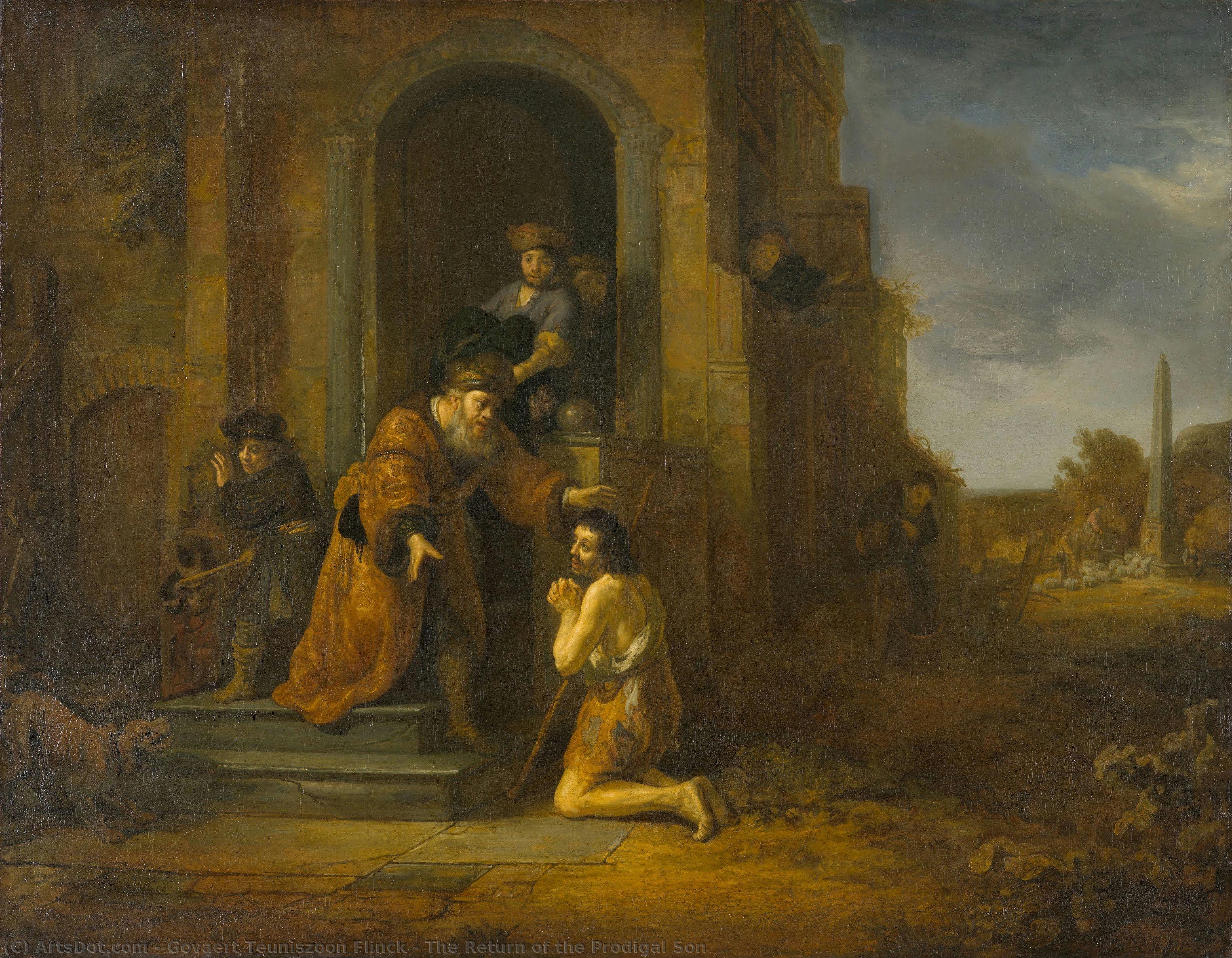
The Return of the Prodigal Son
 171.0 x 133.0 cm
 Pročitaj više
Ručno rađena uljana reprodukcija
Ručno oslikano uljanim bojama na platnu u dimenzijama i okviru po vašem izboru, izrađeno po porudžbini od strane naših umetnika. ( Kupi print Kupi digitalnu sliku)




































Izaberite jednu od naših unapred definisanih veličina koje odgovaraju originalnim proporcijama umetničkog dela.

Можете унети сопствене димензије како бисте прилагодили дело одређеном оквиру или простору. Ако одабрана величина не одговара пропорцијама оригинала, слика ће бити исечена или проширена додатним елементима који се ручно насликавају. Дигитални prikaz ће вам бити послат на одобрење пре почетка производње.
Имајте на уму да преглед на екрану не одражава стварно исецање или проширење. Само приказ (mockup) ће тачно приказати коначну композицију.
Иако су доступне прилагођене величине, препоручујемо да одаберете димензију из дефинисане листе како бисте сачували оригиналне пропорције.
Nakon narudžbine, tim ArtsDot.com će klijentu putem e-pošte poslati uputstva i dostaviti prikaz predloženog rešenja
Isporuka širom sveta () za 3/4 nedelje umesto uobičajenih 5 nedelja. (29 август). Bez kompromisa po pitanju kvaliteta.

Besplatna ekspresna dostava širom sveta

Visokokvalitetno laneno platno

Kompletno osiguranje transporta

Garancija povraćaja carine i uvoznih dažbina

Garancija vernosti boja

Politika povrata u roku od 60 dana (samo u slučaju nedostataka)

Garancija povrata novca od 100%

Popust pri grupnoj kupovini
 Opcija sa staklom dostupna je samo za dimenzije manje od 110 cm

The Return of the Prodigal Son
Tehnika reprodukcije
Dimenzije reprodukcije
-


Konačna cena
$ 263
Srodna umetnička dela









Biografija umetnika
The Radiant Legacy of Govaert Teuniszoon Flinck
In the golden, amber-hued atmosphere of the seventeenth-century Dutch Republic, few names shimmered with as much promise and technical brilliance as Govaert Teuniszoon Flinck. Born in 1615 in the German city of Kleve, Flinck’s journey from a draper's son to one of Amsterdam’s most sought-after masters is a testament to a passion that could not be suppressed by parental expectation. Though his father initially intended for him to follow the respectable path of a cloth merchant, the young artist’s secret devotion to drawing and etching eventually led him toward the light of the canvas. Through the guidance of the Mennonite preacher and painter Lambert Jacobsz, FlinCT found his true calling, moving from the quiet corners of Leeuwarden to the bustling, cosmopolitan heart of Amsterdam, where he would forever alter the trajectory of Dutch Baroque painting.
The early years of Flinck’s career were defined by a profound and intimate connection to the legendary Rembrandt van Rijn. Arriving in Amsterdam around 1633, Flinck entered Rembrandt's studio, absorbing the master's revolutionary use of chiaroscuro—that dramatic interplay of shadow and light that breathes life into the inanimate. This period was so transformative that Flinck’s early works possessed a stylistic kinship with Rembrandt that often bewildered even the most discerning collectors; his ability to mimic the heavy impasto and emotional depth of his mentor was nothing short man, a feat of technical virtuosity. Yet, as his talent matured, Flinck began to emerge from the shadow of his teacher, developing a voice that was uniquely his own, characterized by a growing elegance and a lighter, more luminous palette.
A Transition Toward Elegance and Grandeur
As the mid-seventeenth century progressed, the artistic tides in Amsterdam began to shift away from the somber, introspective moods of the early Baroque toward a more polished and celebratory aesthetic. Flinck was at the forefront of this evolution. Influenced by the sophisticated grace of Flemish masters like Anthony van Dyck, he transitioned from the gritty realism of his youth toward a style marked by refinement, brightness, and a certain aristocratic poise. This stylistic metamorphosis allowed him to capture the burgeoning prestige of the Dutch merchant class, as he became the preferred portraitist for those seeking to project both wealth and character. His portraits were not merely likenesses but psychological studies, imbued with a subtle dignity that resonated with the era's social aspirations.
Beyond the intimate scale of portraiture, Flinck achieved monumental success through his large-scale historical and allegorical compositions. He possessed a rare ability to weave complex narratives into grand, theatrical scenes that commanded the attention of public spaces. His commissions were as prestigious as they were ambitious:
- Civic Grandeur: His work for the new Amsterdam Town Hall showcased his ability to handle massive scale and intricate detail, contributing to the visual identity of a rising global power.
- Royal Patronage: The creation of allegorical paintings for Frederick William, Elector of Brandenburg, demonstrated his capacity to infuse art with the pomp and pathos required by European royalty.
- Architectural Integration: His involvement in decorating significant residences, such as Huis ten Bosch, solidified his reputation as a painter capable of transforming physical spaces into realms of mythic beauty.
The Enduring Impression of a Master
Tragically, the flame of Flinck’s life was extinguished far too soon. Dying in 1660 at the age of only forty-five, he left behind a body of work that stands as a bridge between the intense emotionalism of Rembrandt and the refined elegance of the later Dutch Golden Age. While history occasionally struggles to untangle his early hand from that of his master, the true value of Flinck lies in his distinct ability to marry tenebrism with a newfound clarity and light. He was an artist who could navigate the darkness of human emotion while simultaneously celebrating the brilliance of human achievement.
Today, Govaert Teuniszoon Flinck is remembered not merely as a brilliant pupil, but as a transformative force in his own right. His legacy resides in the way he captured the shifting soul of a nation—moving from the introspective struggles of a young republic to the confident, luminous splendor of a global empire. Through his brush, the textures of silk, the glint of light on armor, and the subtle nuances of a human gaze remain eternally preserved, inviting every viewer to witness the vibrant heartbeat of the Dutch Golden Age.
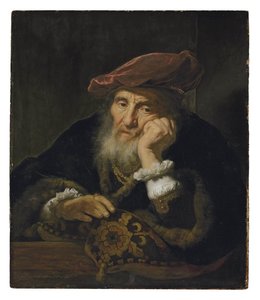
govaert teuniszoon flinck
1615 - 1660 , Germany
Osnovne informacije
- Artistic Movement Or Style: Dutch Golden Age
- Artists Or Movements Influenced By This Artist: ['Caravaggio']
- Artists Who Influenced This Artist: ['Rembrandt van Rijn']
- Date Of Birth: January 25, 1615
- Date Of Death: February 2, 1660
- Full Name: Govert Teuniszoon Flinck
- Nationality: Dutch
- Notable Artworks:
- Portrait of a Lady
- The Return of the Prodigal Son
- Place Of Birth: Cologne, Germany

