

 Pregledaj u prostoru
 Pošalji
 Podeli
 Detalji o delu

 Преузми
 Slični predmeti
 Rendgenski snimak
 Slajdovi
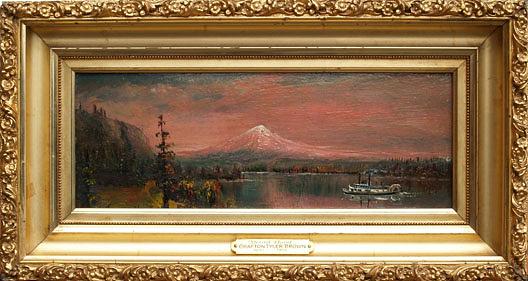
Mount Hood, (painting)
 Pročitaj više
Giclee štampa / Umetnički otisak
Giclée štampa ili print na platnu muzejskog kvaliteta uz brzu proizvodnju i fleksibilne opcije završne obrade. ( Kupi ručno naslikanu sliku Kupi digitalnu sliku)




































Izaberite jednu od naših unapred definisanih veličina koje odgovaraju originalnim proporcijama umetničkog dela.

Možete uneti sopstvene dimenzije kako biste umetničko delo prilagodili specifičnom okviru ili prostoru. Ako odabrani format ne odgovara proporcijama originalne slike, mi ćemo ili iscrtati deo dela ili proširiti sliku pomoću ogledane ivice ili jednobojnog popunjavanja. Digitalni prikaz će vam biti poslat na odobrenje pre početka proizvodnje.
Imajte na umu da pregled na ekranu ne odražava stvarno iscrtavanje ili proširivanje. Samo će prikaz (mockup) precizno pokazati finalnu kompoziciju.
Iako su prilagođene dimenzije dostupne, preporučujemo da odaberete dimenziju sa unapred definisane liste kako biste očuvali originalne proporcije.
Dostava širom sveta () za 2 nedelje umesto uobičajenih 4/5 nedelja. (7 септембар)

Besplatna ekspresna dostava širom sveta

Visokokvalitetno laneno platno

Kompletno osiguranje transporta

Garancija povraćaja carine i uvoznih dažbina

Garancija vernosti boja

Politika povraćaja u roku od 100 dana (isključivo u slučaju nedostataka)

Garancija povrata novca od 100%

Popust pri grupnoj kupovini
 Opcija sa staklom dostupna je samo za dimenzije manje od 110 cm

Mount Hood, (painting)
Giclee štampa / Umetnički otisak
Dimenzije reprodukcije
-


Konačna cena
$ 62
Srodna umetnička dela

Biografija umetnika
A Pioneer of the Pacific Frontier
Grafton Tyler Brown stands as a remarkable figure in American art history—a Black artist who achieved considerable renown for his breathtaking depictions of the American West, specifically the landscapes of Oregon, Washington, and California. Born on February 22, 1841, in Harrisburg, Pennsylvania, Brown’s early life was deeply rooted in the complex social fabric of a nation transitioning through Reconstruction. His parents, Wilhelmina and Thomas Brown, were born free in Maryland and moved to Pennsylvania, where his father became a prominent figure in the abolitionist movement. This upbringing, steeped in the resilience required by the struggle for freedom, undoubtedly shaped the independent spirit that would later define Brown’s artistic journey across the vast American frontier.
While much of his early life remains shrouded in the quietude of history, the foundations of his technical mastery were laid in Philadelphia. At just fourteen years old, Brown began working for a printer, an experience that introduced him to the intricate world of lithography—a skill that would become a cornerstone of his professional identity. His formal artistic development was furthered through brief studies at the Pratt Institute in Brooklyn, where he gained exposure to European traditions and honed the precision that would later allow him to capture the subtle nuances of the natural world.
The Art of the Expanding West
Brown’s professional ascent began in earnest as he moved westward, eventually settling in Sacramento in 1858. It was during his time working as a hotel steward and porter that his talent first caught the public eye, with local press noting his impressive ability to capture maritime scenes. As he transitioned to San Francisco, Brown established himself not only as a painter but as a skilled lithographer and cartographer, creating works that documented a rapidly transforming landscape. He holds the profound distinction of being the first African-American artist to create works specifically depicting the Pacific Northwest and California, providing a vital visual record of these territories during a period of immense change.
His body of work is characterized by an extraordinary ability to translate the grandeur of the wilderness into emotive, atmospheric canvases. Brown’s mastery lay in his meticulous attention to detail, particularly his ability to manipulate light and shadow to evoke the sheer scale of the American West. Whether he was portraying the serene, crystalline waters of Lake Tahoe or the powerful, thundering majesty of Yellowstone Falls, his paintings possessed a lifelike quality that moved beyond mere documentation. Through his brush, the "tamed Wild West" became a place of profound beauty and spiritual depth.
Legacy of a Visionary
The significance of Grafton Tyler Brown extends far beyond the aesthetic beauty of his landscapes. His career represents a triumph of artistic perseverance against the backdrop of significant racial prejudice prevalent during the 19th century. By excelling as a painter, lithographer, and cartographer, he bridged the gap between scientific documentation and fine art, disseminating his vision of the West through stunning prints that reached a wide audience.
Today, Brown’s legacy is preserved in the annals of American art as a pioneer who captured the soul of a continent. His works serve as more than just historical artifacts; they are windows into an era of exploration and discovery. The enduring power of his imagery continues to captivate modern audiences, reminding us of the profound connection between the artist's eye and the untamed majesty of the natural world.
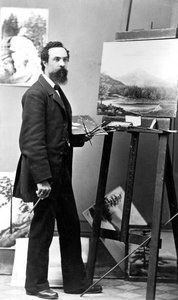
grafton tyler brown
1841 - 1918
Osnovne informacije
- Artistic Movement Or Style: Landscape Painting
- Artists Or Movements Influenced By This Artist: ['Romanticism']
- Artists Who Influenced This Artist: ['Hudson River School']
- Date Of Birth: February 22, 1841
- Date Of Death: March 2, 1918
- Full Name: Grafton Tyler Brown
- Nationality: American
- Notable Artworks:
- Yellowstone Falls
- Lake Tahoe from Tahoe City
- Place Of Birth: Philadelphia, Pennsylvania