

 Pregledaj u prostoru
 Pošalji
 Podeli
 Detalji o delu

 Преузми
 Slični predmeti
 Rendgenski snimak
 Slajdovi
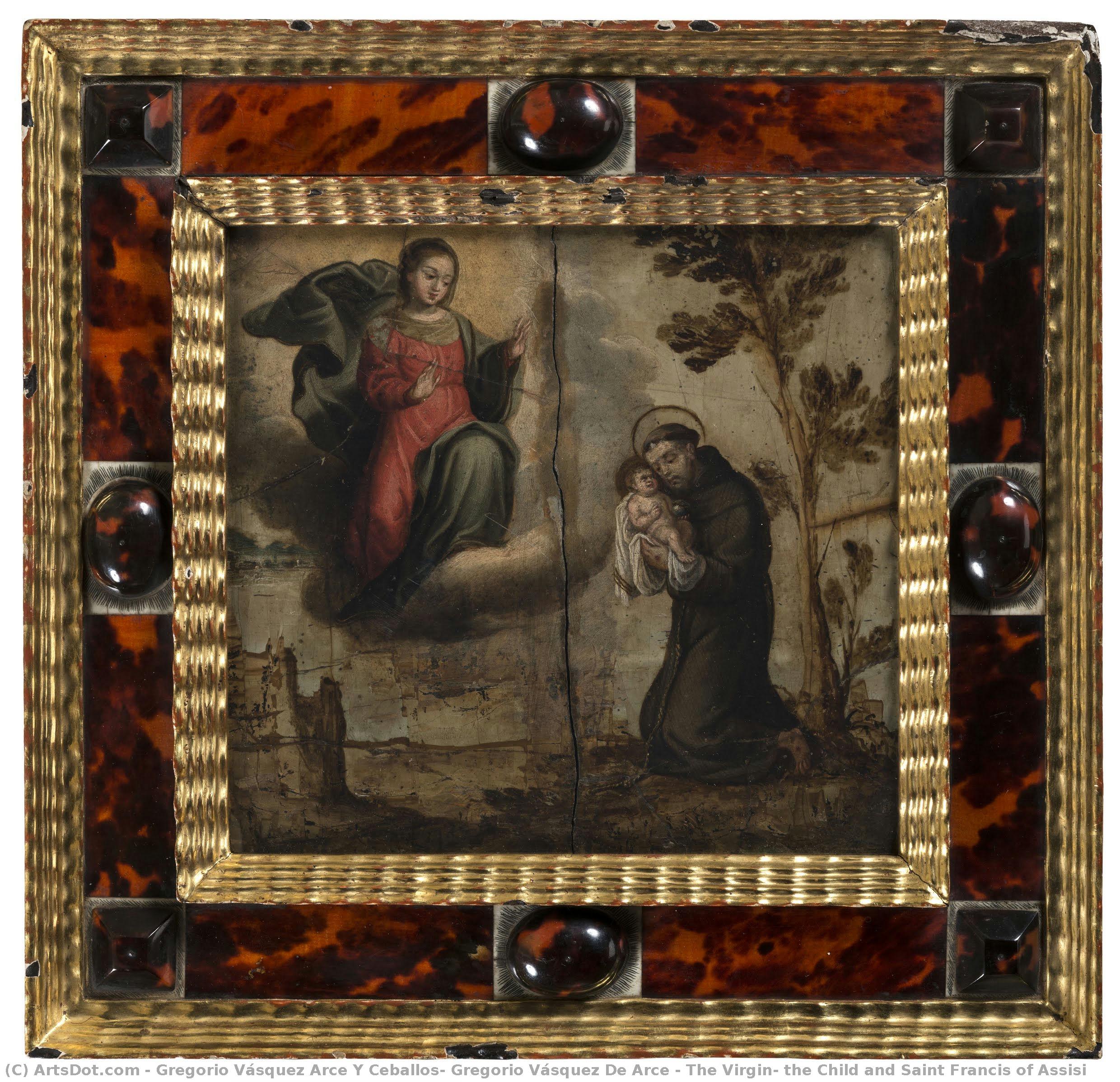
The Virgin, the Child and Saint Francis of Assisi


 Pročitaj više
Ručno rađena uljana reprodukcija
Ručno oslikano uljanim bojama na platnu u dimenzijama i okviru po vašem izboru, izrađeno po porudžbini od strane naših umetnika. ( Kupi print Kupi digitalnu sliku)




P118B $10

P118H $10

P118W $10

P438Z $10

P508JH $12

P508YH $12

P805H $10

P805Z $10

P919BZ $10

P919G $10

P919XJ $10

P959ZH $10

P968JZ $12

W106C $8

W218G $10

W218JH $8

W218Y $10

W307PJ $10

W316G $10

W316PJ $8

W316Y $10

W398PJ $8

W4111J $10

W500HY $15

W500JH $15

W692G $12

W849H $8

W940BG $15

W953PJ $8




Izaberite jednu od naših unapred definisanih veličina koje odgovaraju originalnim proporcijama umetničkog dela.

Можете унети сопствене димензије како бисте прилагодили дело одређеном оквиру или простору. Ако одабрана величина не одговара пропорцијама оригинала, слика ће бити исечена или проширена додатним елементима који се ручно насликавају. Дигитални prikaz ће вам бити послат на одобрење пре почетка производње.
Имајте на уму да преглед на екрану не одражава стварно исецање или проширење. Само приказ (mockup) ће тачно приказати коначну композицију.
Иако су доступне прилагођене величине, препоручујемо да одаберете димензију из дефинисане листе како бисте сачували оригиналне пропорције.
Nakon narudžbine, tim ArtsDot.com će klijentu putem e-pošte poslati uputstva i dostaviti prikaz predloženog rešenja
Isporuka širom sveta () za 3/4 nedelje umesto uobičajenih 5 nedelja. (4 септембар). Bez kompromisa po pitanju kvaliteta.

Besplatna ekspresna dostava širom sveta

Visokokvalitetno laneno platno

Kompletno osiguranje transporta

Garancija povraćaja carine i uvoznih dažbina

Garancija vernosti boja

Politika povrata u roku od 60 dana (samo u slučaju nedostataka)

Garancija povrata novca od 100%

Popust pri grupnoj kupovini
 Opcija sa staklom dostupna je samo za dimenzije manje od 110 cm

The Virgin, the Child and Saint Francis of Assisi
Tehnika reprodukcije
Dimenzije reprodukcije
-


Konačna cena
$ 263
A Testament to Faith: Exploring Gregorio Vásquez Arce y Ceballos’ “The Virgin, the Child and Saint Francis of Assisi”
- This magnificent painting by Gregorio Vásquez de Arce y Ceballos transports viewers into the heart of Baroque spirituality. Executed sometime around 1700, it exemplifies the stylistic hallmarks of the Viceroyalty of New Granada—a region striving to reconcile Iberian traditions with burgeoning Latin American sensibilities.
- The artwork depicts a serene yet powerfully emotive scene: Mary cradling Jesus in her arms, accompanied by Saint Francis kneeling in devotion. Vásquez skillfully captures the Virgin’s maternal tenderness and Saint Francis' unwavering humility, conveying a profound message of compassion and spiritual contemplation.
Stylistic Brilliance: Baroque Techniques Employed
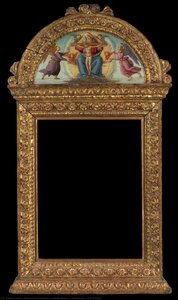
- Vasquez’s mastery lies in his meticulous application of Baroque techniques. He utilizes chiaroscuro—the dramatic interplay between light and shadow—to sculpt the figures, creating depth and enhancing their expressive qualities. The luminous gold frame surrounding the painting underscores its sacred aura and contributes to the overall grandeur of the composition.
- Brushwork is characterized by smooth, blended strokes that achieve remarkable realism while maintaining an ethereal quality. Vásquez’s attention to detail extends beyond mere representation; he imbues each element with symbolic significance, reflecting the artistic conventions of his time.
Historical Context: Bogotá and the Baroque Imagination
- Bogotá served as a crucible for artistic innovation during Vásquez’s era. The Viceroyalty witnessed a fervent embrace of European Baroque ideals, fueled by papal patronage and a desire to elevate Bogotá's status as a cultural center.
- Artists like Vásquez sought inspiration from Italian masters—Caravaggio and Bernini—adapting their stylistic approaches to create works that resonated with the local populace. The painting reflects this broader trend toward synthesizing European artistic influences with indigenous traditions.
Symbolism and Emotional Resonance
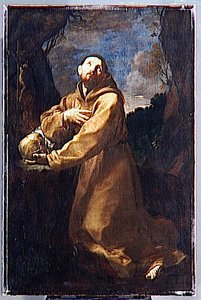
- The Virgin Mary, Saint Francis, and Jesus embody universal symbols of faith, purity, and divine grace. Vásquez’s depiction emphasizes the importance of humility and compassion—values central to Franciscan spirituality.
- The golden frame symbolizes holiness and enlightenment, reinforcing the painting's spiritual message. More than just a visual spectacle, “The Virgin, the Child and Saint Francis of Assisi” invites contemplation on themes of piety, devotion, and the enduring power of faith—a testament to Vásquez’s artistic vision.
A Luxurious Reproduction for Your Home
ArtsDot.com offers exceptional reproductions of Gregorio Vásquez Arce y Ceballos’ “The Virgin, the Child and Saint Francis of Assisi,” meticulously crafted to capture the essence of this iconic Baroque masterpiece.Srodna umetnička dela
Biografija umetnika
A Life Immersed in Baroque Splendor
Gregorio Vásquez de Arce y Ceballos, born in Bogotá, Colombia, in 1638, stands as a pivotal figure in the artistic landscape of colonial Spanish America. He wasn’t merely a painter; he was an embodiment of the Hispanic American Baroque—a style characterized by its dramatic intensity, opulent detail, and profound spiritual fervor. Vásquez flourished during a period when the Viceroyalty of New Granada pulsed with cultural energy, seeking to express both its loyalty to Spain and its burgeoning identity as a distinct society. His life, though ultimately marked by tragedy, left an indelible mark on Colombian art, establishing a uniquely American interpretation of European Baroque aesthetics. From his early training at St. Bartholomew’s College to his apprenticeship under the esteemed Baltasar Vargas de Figueroa, Vásquez absorbed the foundational principles that would shape his distinctive style. This rigorous education wasn't simply about mastering technique; it was about understanding how art could serve as a powerful instrument for religious instruction and emotional resonance within a colonial context.The Canvas as a Stage for Faith
Vásquez de Arce’s artistic output centered almost exclusively on religious themes, reflecting the dominant role of the Church in colonial life. He masterfully depicted scenes from the lives of Christ, the Virgin Mary, and various saints, imbuing each canvas with a palpable sense of drama and devotion. His paintings weren't intended as mere decorations; they were visual sermons, designed to inspire faith and reinforce religious doctrine. The Annunciation, housed in Bogotá’s Colonial Museum, exemplifies his skill—the ethereal quality of the Virgin Mary contrasted with the divine light illuminating the angel Gabriel creates a moment of profound spiritual significance. Similarly, his depictions of Saint Dominic de Guzmán and Joachim of Fiore showing portraits of Saint Dominic de Guzmán and Saint Francis of Assisi, also residing in the Colonial Museum, showcase his ability to capture both the physical likeness and the inner piety of his subjects. The Virgin of the Candelaria is another testament to his skill, radiating a serene yet powerful presence that captivated viewers then, as it continues to do today. Vásquez’s palette was rich and vibrant, employing deep reds, blues, and golds to create a sense of luxurious grandeur, while his masterful use of chiaroscuro—the dramatic interplay of light and shadow—heightened the emotional impact of each scene.European Roots, American Expression
While deeply rooted in European artistic traditions, particularly the Baroque style emanating from Spain, Vásquez de Arce wasn’t simply a copyist. He skillfully adapted these influences to the unique cultural context of New Granada, infusing his work with a distinctly American sensibility. The Spanish Baroque, already known for its theatricality and emotional intensity, found new expression in Vásquez's hands, reflecting the specific religious beliefs and social values of colonial Colombia. He wasn’t merely translating European models; he was reimagining them through an American lens. This is evident not only in his subject matter—often incorporating local interpretations of biblical stories—but also in his subtle stylistic choices, such as a preference for certain color combinations or compositional arrangements that resonated with the tastes of his colonial patrons. His work demonstrates a keen understanding of how to use art to bridge cultural divides and create a sense of shared identity within a diverse society.A Tragic Descent and Enduring Legacy
Despite achieving considerable artistic success, Vásquez de Arce’s later life was marred by scandal and misfortune. In 1701, he became embroiled in the kidnapping of Doña María Teresa de Orgaz from the Santa Clara Convent—a transgression that led to his imprisonment and subsequent impoverishment. This event marked a turning point in his life, effectively ending his artistic career. He never painted again, succumbing to despair and ultimately passing away in Bogotá in 1711. The circumstances surrounding his downfall remain shrouded in mystery, but they serve as a poignant reminder of the precariousness of life in colonial society. Yet, despite this tragic end, Vásquez de Arce’s legacy endured. In 1863, the Colombian government recognized his importance by erecting a commemorative plaque at the house where he was born and died—a testament to his lasting contribution to Colombian art and culture. Today, his works continue to be celebrated for their artistic merit, historical significance, and enduring spiritual power.- His paintings offer invaluable insights into the religious beliefs of 17th-century Colombia.
- He played a crucial role in establishing a distinctly American Baroque style.
- Vásquez’s work remains a source of national pride for Colombians.
gregorio vásquez arce y ceballos, gregorio vásquez de arce
1638 - 1711 , Colombia
Osnovne informacije
- Artistic Movement Or Style: Hispanic American Baroque
- Artists Who Influenced This Artist: ['Baltasar Vargas de Figueroa']
- Date Of Birth: May 9, 1638
- Date Of Death: August 6, 1711
- Full Name: Gregorio Vásquez de Arce y Ceballos
- Nationality: Spanish Neogranadine
- Notable Artworks:
- Joachim of Fiore
- Saint Dominic de Guzmán
- Annunciation
- Virgin of the Candelaria
- Place Of Birth: Bogotá, Colombia
Povezani članci

Francis Bacon: 25 Remek-dela Ikoničnog Ekspresioniste | Reprodukcije i Inspiracija za Dom
Istražite 25 remek-dela Francis Bacon-a – ikona ekspresionizma. Otkrijte priče iza njegovih snažnih portreta, triptiha i tamne palete boja. Reprodukcije slika vrhunskog kvaliteta za vaš dom na ArtsDot.com!

The Dramatic Flourish: Exploring the Baroque Movement's Enduring Legacy in Art History
Explore the dramatic world of Baroque art! Discover iconic artists like Caravaggio & Rubens, defining techniques, and its lasting impact on art history. Expert insights for collectors & enthusiasts at ArtsDot.

Fra Anđeo: 25 Remek-dela Renesansnog Duha za Vaš Dom | ArtsDot
Uronite u svet Fra Anđela – 25 remek-dela renesansnog slikara. Otkrijte priče iza njegovih čuvenih fresaka i oltarskih slika, inspiracija za enterijer i duhovni mir. Kupite reprodukcije vrhunskog kvaliteta na ArtsDot.com!
The Golden Age Reforged: Dramatic Realism & Religious Zeal in Spanish Baroque Art
Explore the dramatic world of Spanish Baroque art! Discover masters like Zurbarán & the powerful influence of religious zeal on painting techniques – a guide for collectors and enthusiasts.

Barok Majstor dela: Top 10 Umjetničkih Remeka za Vaš Dom
Otkrijte 10 remek dela koja su definisala baroknu umetnost! Karavagio, Bernini i više – istražite priče iza ovih ikoničnih slika. Inspiracija za vaš dom? Pogledajte kolekciju na ArtsDot.com!

