

 Pregledaj u prostoru
 Pošalji
 Podeli
 Detalji o delu

 Преузми
 Slični predmeti
 Rendgenski snimak
 Slajdovi
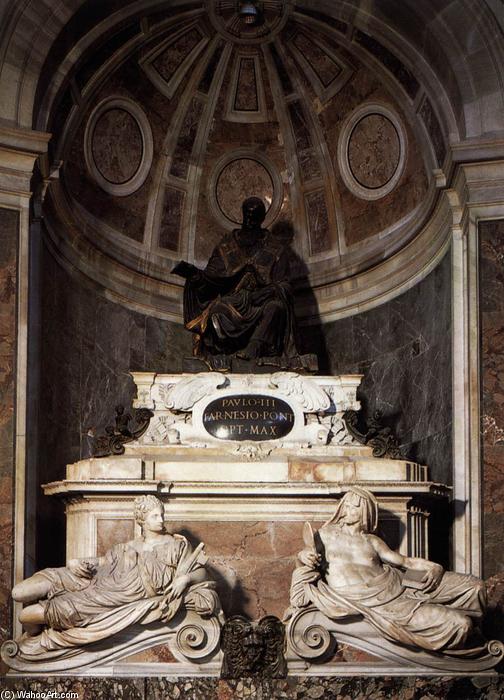
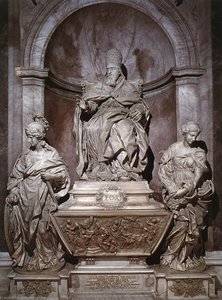
Tomb of Pope Paul III


 Pročitaj više
Giclee štampa / Umetnički otisak
Giclée štampa ili print na platnu muzejskog kvaliteta uz brzu proizvodnju i fleksibilne opcije završne obrade. ( Kupi ručno naslikanu sliku Kupi digitalnu sliku)




































Izaberite jednu od naših unapred definisanih veličina koje odgovaraju originalnim proporcijama umetničkog dela.

Možete uneti sopstvene dimenzije kako biste umetničko delo prilagodili specifičnom okviru ili prostoru. Ako odabrani format ne odgovara proporcijama originalne slike, mi ćemo ili iscrtati deo dela ili proširiti sliku pomoću ogledane ivice ili jednobojnog popunjavanja. Digitalni prikaz će vam biti poslat na odobrenje pre početka proizvodnje.
Imajte na umu da pregled na ekranu ne odražava stvarno iscrtavanje ili proširivanje. Samo će prikaz (mockup) precizno pokazati finalnu kompoziciju.
Iako su prilagođene dimenzije dostupne, preporučujemo da odaberete dimenziju sa unapred definisane liste kako biste očuvali originalne proporcije.
Dostava širom sveta () za 2 nedelje umesto uobičajenih 4/5 nedelja. (6 септембар)

Besplatna ekspresna dostava širom sveta

Visokokvalitetno laneno platno

Kompletno osiguranje transporta

Garancija povraćaja carine i uvoznih dažbina

Garancija vernosti boja

Politika povrata u roku od 100 dana (samo u slučaju nedostataka)

Garancija povrata novca od 100%

Popust pri grupnoj kupovini
 Opcija sa staklom dostupna je samo za dimenzije manje od 110 cm

Tomb of Pope Paul III
Giclee štampa / Umetnički otisak
Dimenzije reprodukcije
-


Konačna cena
$ 62
Srodna umetnička dela





Biografija umetnika
Guglielmo della Porta: Sculptor of Milanese Mannerism
Guglielmo della Porta, born in Northern Italy around 1505 and passing away in Rome in 1577, stands as a pivotal figure within the evolving landscape of Renaissance sculpture. More than simply a craftsman, he was a student deeply influenced by the giants of his time – Leonardo da Vinci and Perin del Vaga – and a key contributor to the stylistic shifts that defined the Mannerist period. His journey, beginning in the workshops of his family and culminating in the service of the Papacy, reveals a trajectory marked by apprenticeship, experimentation, and ultimately, a distinctive artistic voice. Della Porta’s legacy isn't found in grand, revolutionary gestures but rather in the meticulous detail, sophisticated compositions, and subtle emotionality that characterize his enduring works.Initially trained under his uncle, Giovanni Giacomo, della Porta spent formative years within the bustling construction site of Milan Cathedral. This early experience exposed him to the monumental scale and diverse techniques employed in creating a civic masterpiece – a crucial foundation for his future endeavors. A particularly significant aspect of this period was his task of reinterpreting Leonardo da Vinci’s designs, an assignment that undoubtedly shaped his understanding of proportion, perspective, and the integration of classical ideals within a contemporary context. Leonardo's influence is palpable in della Porta’s later work, particularly in his embrace of dynamic poses and complex spatial arrangements.
Around 1530, della Porta relocated to Genoa, where he continued to hone his skills under the tutelage of Perin del Vaga, a painter known for his elegant style and mastery of illusionistic space. This move proved transformative, exposing him to the vibrant artistic scene of the Ligurian city and providing opportunities to work on prestigious commissions, including those for Villa del Principe and Palazzo di Andrea Doria. These projects demanded not only technical proficiency but also an understanding of luxurious materials and sophisticated decorative schemes – elements that would become hallmarks of his later style.
The Influence of Leonardo and Perin del Vaga
Della Porta’s artistic development was profoundly shaped by two distinct yet complementary influences: the intellectual rigor of Leonardo da Vinci and the refined elegance of Perin del Vaga. Leonardo, a master of observation and anatomical accuracy, instilled in della Porta a deep appreciation for realism and a meticulous approach to rendering form. The sculptor's ability to capture subtle nuances of expression and movement is a testament to this early training. Simultaneously, Perin del Vaga’s emphasis on decorative effects, sophisticated color palettes, and the creation of illusionistic spaces provided della Porta with a framework for developing his own unique style – one characterized by a masterful manipulation of light, shadow, and texture.
The interplay between these two influences is particularly evident in his early works. Della Porta’s sculptures often exhibit a remarkable balance between anatomical precision and decorative embellishment, reflecting the synthesis of Leonardo's scientific approach and Perin del Vaga’s artistic sensibilities. This fusion would become increasingly pronounced throughout his career, culminating in his later commissions for the Papacy.
Major Works and Artistic Style
Della Porta’s oeuvre encompasses a diverse range of projects, reflecting his versatility as a sculptor, architect, and draftsman. His contributions to the Tomb of Pope Paul III in St. Peter's Basilica stand as perhaps his most significant achievement – a monumental undertaking that showcased his mastery of marble carving, architectural design, and sculptural composition. The tomb’s intricate details, dynamic poses, and sophisticated use of light and shadow demonstrate della Porta’s ability to synthesize classical ideals with contemporary artistic trends.
Other notable works include the Bust of Pope Paul III, a remarkably lifelike portrait that captures the dignity and gravitas of the Papal figure; and his involvement in the decoration of the Chapel of Peter and Paul in Genoa Cathedral. Throughout his career, della Porta consistently demonstrated an aptitude for capturing human emotion and portraying figures with a sense of psychological depth – qualities that distinguish his work from more purely formalistic Mannerist sculptures.
Legacy and Historical Significance
Guglielmo della Porta’s impact on the development of Italian sculpture during the late Renaissance is undeniable. He was not merely a follower of established styles but rather an innovator who skillfully blended classical influences with contemporary artistic trends, forging a distinctive Mannerist aesthetic. His meticulous attention to detail, sophisticated compositions, and subtle emotionality continue to resonate with viewers today.
Furthermore, della Porta’s career exemplifies the interconnectedness of art and architecture during the Renaissance – a period in which sculptors often served as architects, designers, and draftsmen. His work reflects a holistic approach to artistic creation, demonstrating his ability to integrate sculpture into broader architectural contexts and contribute to the overall aesthetic harmony of buildings and public spaces. He remains an important figure for understanding the transition between the High Renaissance and the Baroque period.
Guglielmo della Porta
1515 - 1577 , Italy
Osnovne informacije
- Artistic Movement Or Style: Mannerist sculpture
- Artists Or Movements Influenced By This Artist: ['Michelangelo']
- Artists Who Influenced This Artist:
- Leonardo da Vinci
- Perin del Vaga
- Date Of Birth: Northern Italy, Italy (1515)
- Date Of Death: 1577
- Full Name: Guglielmo della Porta
- Nationality: Italian
- Notable Artworks:
- Bust of Pope Paul III
- Tomb of Pope Paul III
- Place Of Birth: Italy