 Pregledaj u prostoru
 Pošalji
 Podeli
 Detalji o delu

 Преузми
 Slični predmeti
 Rendgenski snimak
 Slajdovi
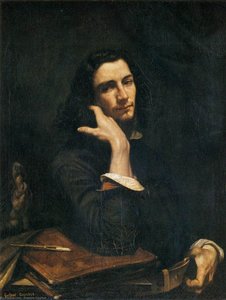
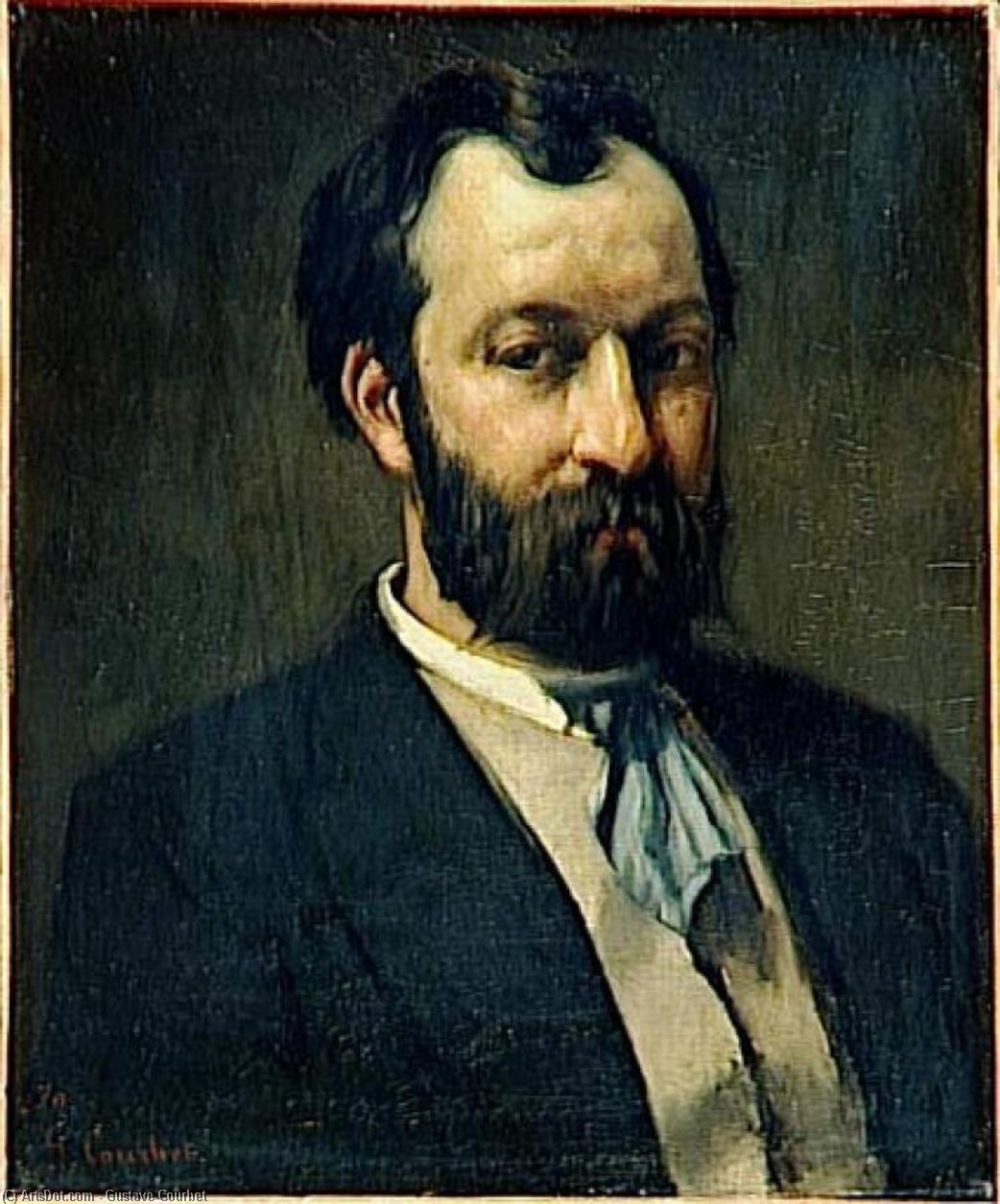
Portrait of Jules Antoine Castagnary
 Oil
Oil- WallArt
- Realism
 1870
1870- 19th Century
 55.0 x 45.0 cm
 Pročitaj više
Ručno rađena uljana reprodukcija
Ručno oslikano uljanim bojama na platnu u dimenzijama i okviru po vašem izboru, izrađeno po porudžbini od strane naših umetnika. ( Kupi print Kupi digitalnu sliku)




P118B $10

P118H $10

P118W $10

P438Z $10

P508JH $12

P508YH $12

P805H $10

P805Z $10

P919BZ $10

P919G $10

P919XJ $10

P959ZH $10

P968JZ $12

W106C $8

W218G $10

W218JH $8

W218Y $10

W307PJ $10

W316G $10

W316PJ $8

W316Y $10

W398PJ $8

W4111J $10

W500HY $15

W500JH $15

W692G $12

W849H $8

W940BG $15

W953PJ $8




Izaberite jednu od naših unapred definisanih veličina koje odgovaraju originalnim proporcijama umetničkog dela.

Можете унети сопствене димензије како бисте прилагодили дело одређеном оквиру или простору. Ако одабрана величина не одговара пропорцијама оригинала, слика ће бити исечена или проширена додатним елементима који се ручно насликавају. Дигитални prikaz ће вам бити послат на одобрење пре почетка производње.
Имајте на уму да преглед на екрану не одражава стварно исецање или проширење. Само приказ (mockup) ће тачно приказати коначну композицију.
Иако су доступне прилагођене величине, препоручујемо да одаберете димензију из дефинисане листе како бисте сачували оригиналне пропорције.
Nakon narudžbine, tim ArtsDot.com će klijentu putem e-pošte poslati uputstva i dostaviti prikaz predloženog rešenja
Isporuka širom sveta () za 3/4 nedelje umesto uobičajenih 5 nedelja. (27 август). Bez kompromisa po pitanju kvaliteta.

Besplatna ekspresna dostava širom sveta

Visokokvalitetno laneno platno

Kompletno osiguranje transporta

Garancija povraćaja carine i uvoznih dažbina

Garancija vernosti boja

Politika povrata u roku od 60 dana (samo u slučaju nedostataka)

Garancija povrata novca od 100%

Popust pri grupnoj kupovini
 Opcija sa staklom dostupna je samo za dimenzije manje od 110 cm

Portrait of Jules Antoine Castagnary
Tehnika reprodukcije
Dimenzije reprodukcije
-


Konačna cena
$ 263
Opis umetničkog dela
Portrait of Jules Antoine Castagnary: A Window into Realist Thought
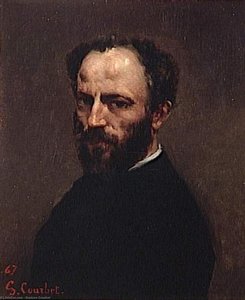
Gustave Courbet’s “Portrait of Jules Antoine Castagnary,” painted in 1870, is more than just a likeness; it's a carefully constructed tableau of intellect, political engagement, and the burgeoning spirit of Realism. This compelling work offers a rare glimpse into the world of late 19th-century Parisian art criticism and politics, revealing a complex interplay between subject and artist, observation and interpretation. The painting immediately draws the viewer in with its stark simplicity – a man, rendered with unflinching detail against a muted, almost monastic background – yet it’s within this apparent restraint that the true power of the portrait resides. The central figure is Jules Antoine Castagnary, a prominent French art critic and politician who played a pivotal role in championing the Realist movement. His association with Courbet wasn't merely professional; it represented a crucial intellectual alliance during an era of profound artistic and social change. Castagnary’s presence isn’t overtly celebratory – he is depicted with a stern, contemplative expression, his gaze direct and unwavering. This isn’t a flattering portrait designed to elevate the subject; rather, it's a study in character, capturing a man of considerable intellect and perhaps even a touch of melancholy. Courbet masterfully utilizes light and shadow to sculpt Castagnary’s face, emphasizing the lines etched by thought and experience. The dark suit and tie, symbols of his professional life as a critic and politician, ground him firmly within the societal context of the time. Courbet's approach is quintessential Realism – an unwavering commitment to depicting reality without idealization or romantic embellishment. He achieves this through a deliberate use of bold brushstrokes and a restrained palette dominated by earthy tones. The texture of Castagnary’s clothing, the subtle variations in skin tone, and the careful rendering of his facial features all speak to Courbet's meticulous observation and technical skill. Notice how the artist avoids smooth transitions; instead, he employs short, broken strokes that create a sense of immediacy and dynamism within the composition. This technique not only reflects the subject’s personality but also embodies the core tenets of Realism – a rejection of academic conventions in favor of direct, unvarnished observation. The simplicity of the background serves to heighten the focus on Castagnary himself, creating an intimate and intensely focused portrait experience. The painting's historical significance extends beyond its aesthetic qualities. It’s a product of a specific moment in French history – the twilight years of the Second Empire and the rise of republicanism. Castagnary was a vocal critic of the monarchy and a supporter of progressive ideals, aligning him with the intellectual currents that would ultimately lead to revolution. Courbet's decision to paint Castagnary reflects this shared commitment to challenging established norms and advocating for social change. The portrait can be interpreted as a subtle act of solidarity – a visual affirmation of their mutual belief in the power of art to illuminate truth and inspire reform. Furthermore, it’s important to consider the broader context of Courbet's artistic career, particularly his groundbreaking exhibition at the 1874 Salon, where he famously declared “I paint what I see, not what I should see.” This statement encapsulates the core philosophy behind "Portrait of Jules Antoine Castagnary," a testament to Courbet’s unwavering dedication to representing reality as it is, rather than imposing an idealized vision upon it.- Key Techniques: Bold brushstrokes, chiaroscuro (contrast between light and dark), meticulous detail in rendering textures.
- Symbolic Elements: The stern expression of Castagnary suggests intellect and seriousness; the dark attire represents his professional life.
- Historical Context: Reflects the political and intellectual climate of 1870, marked by republicanism and a challenge to traditional authority.
The Château-Musée Legacy and Beyond
“Portrait of Jules Antoine Castagnary” is not merely an isolated artwork; it’s part of a larger narrative – the story of Realism's rise in France and its enduring influence on subsequent artistic movements. The painting’s presence within the Château-Musée (France), a repository of significant artworks from various periods, underscores its historical importance and its place within the broader canon of French art. The museum’s collection provides valuable context for understanding Courbet's work in relation to other Realist painters like Jean-François Millet and Honoré Daumier. For those seeking to delve deeper into the world of Gustave Courbet, ArtsDot offers exceptional reproductions of several key works, including “Cliffs at Étretat” (a dramatic landscape that showcases his mastery of color and composition) and a series of portraits capturing the diverse personalities of Parisian society. Gustave Courbet: Portrait of Jules Antoine Castagnary is available for purchase, allowing you to bring this iconic work into your own space and appreciate its nuances firsthand. Gustave Courbet: Cliffs at Étretat offers a contrasting yet equally compelling glimpse into the artist’s versatility and his ability to capture the beauty of the natural world.Bringing Realism Home: Reproduction Options & Artistic Detail
ArtsDot specializes in meticulously crafted, hand-painted oil painting reproductions that faithfully recreate the spirit and artistry of original masterpieces. Our “Portrait of Jules Antoine Castagnary” reproduction is created using traditional techniques by skilled artisans who possess a deep understanding of Courbet’s style and approach. We offer this artwork in various sizes to suit your individual needs and preferences, ensuring that you receive a high-quality piece that will enhance any interior space.- Size Options: Available in 55 x 45 cm (21.7 x 17.7 inches) and other custom dimensions.
- Materials: Premium oil paints on archival canvas, stretched and gallery-wrapped for a museum-quality finish.
- Hand-Painted Reproduction: Each reproduction is meticulously hand-painted by experienced artists, ensuring the preservation of Courbet’s brushstrokes and textures.
Explore More Masterpieces – Discover ArtsDot
Beyond “Portrait of Jules Antoine Castagnary,” ArtsDot offers a vast collection of reproductions from renowned artists throughout history. Prilidiano Pueyrredón: A Stop in the Field and James McNeill Whistler are just a few examples of the diverse range of artistic styles available on ArtsDot.com. Discover the Château-Musée (France) and its Impressive Art Collection to explore more about the museum and its collection, or visit our website today to browse our complete selection of hand-painted reproductions.Srodna umetnička dela
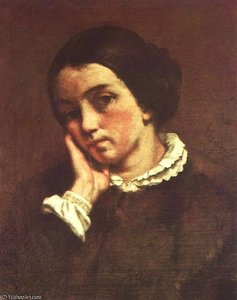
Biografija umetnika
Život i Revolucija Gustava Kurbea: Pionir Realizma
Gustav Kurbe, rođen 1819. godine u mirnom selu Ornans u Francuskoj, bio je više od slikara; bio je buntovnik koji je svojim umetničkim delima potresao osnove tadašnje umetnosti. Njegova priča nije samo o bojama i platnu, već o dubokom društvenom komentarisanju, političkoj svesti i neumornoj posvećenosti prikazivanju sveta onakvog kakav jeste – bez idealizacije, surovo iskren i produbljeno realan. Odgajan u relativno prosperitetnoj građanskoj porodici, Kurbe je dobio podršku majke da se bavi umetnošću, što je podstaknulo njegovu revolucionarnu viziju. Iako je pohađao École des Beaux-Arts u Parizu 1839. godine, ubrzo je odbacio akademske konvencije i romantički idealizam koji su vladali tadašnjom umetničkom scenom. Umesto toga, izabrao je put posmatranja, prioritizujući istinu nad tradicijom, što ga je proglasilo začetnikom pokreta realizma.Rođenje Realizma: Izazov Umetničkim Konvencijama
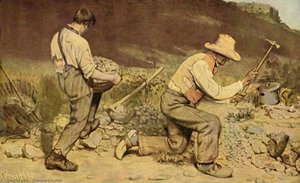
Kurbeova umetnička evolucija bila je obeležena namernim odbacivanjem tadašnjih estetskih standarda. Njegovo interesovanje nije ležalo u mitološkim pričama ili herojskim alegorijama, već u svakodnevnom životu običnih ljudi, posebno onih koji su se bavili rukom radom i ruralnim životom. Ova posvećenost prikazivanju sveta bez ukrasa – što će kasnije biti poznato kao realizam – izazvala je početno preziranje i osudu kritičara naviknutih na poliranija i idealizovana predstavljanja. Njegova rana dela istraživala su pejzaže i portrete, ali ubrzo su se preusmerila ka scenama života radničke klase, prikazanim u monumentalnim formatima rezervisanim za istorijske ili verske slike. Ovaj nameran potez nije bio samo stilski izbor; to je bila izjava o urođenom dostojanstvu i važnosti ovih često zanemarenih subjekata. Kamenolome (1849-50), iako tragično uništen tokom Drugog svetskog rata, oličio je ovaj pristup – surovo prikaz dvoje radnika koji se umaraju od teškog rada, sa licima sakrivenim iscrpljenošću i teškoćama. Ova slika, zajedno sa drugim delima kao što je Grobnica u Ornansu (1850), izazvala je nove definicije onoga što čini “dostojnu” temu za visoku umetnost.Glavna dela i Umetnička Filozofija
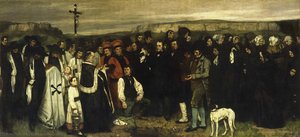
Grobnica u Ornansu, kolosalno platno koje prikazuje seosko sahranjivanje, izazvala je talas šoka kada je izložena 1850-51. Njena ogromna veličina – obično rezervisana za velike istorijske slike – u kombinaciji sa njenim neumornim realizmom i nedostatkom emocionalne idealizacije, šokirala je publiku. Kurbe nije prikazao žalitelje kao plemenite ili preplakane figure; predstavio ih je kao obične ljude, čija su lica ispisana mešavinom tuge, dosade i rezignacije. Ova iskrenost bila je revolucionarna. Njegova umetnička filozofija protezala se izvan teme i na tehniku. On je preferirao direktan stil impasta – nanošenje boje u debelom sloju na platno – koji je naglasio materijalnost samog medijuma. Atelje slikara (1855), alegoričko delo koje odražava njegova umetnička ubeđenja i angažman sa savremenim društvenim pitanjima, dodatno je učvrstila njegovu reputaciju provokativnog i nezavisnog umetnika. Njegovo učešće na Salon des Refusés 1863. – izložbi dela odbijenih od zvaničnog Salona – cementiralo je njegov status pobunjenika i zagovornika umetničke slobode. Čak su i pejzaži kao što je Prizor u šumi Fontainebleau (1855) bili obojeni smislom realizma, hvatajući prirodnu lepotu šume bez romantične idealizacije.Nasleđe i Istorijski značaj
Uticaj Gustava Kurbea na kasnija umetnička pokretanja je neosporan. Iako se inspirisao ranijim majstorima kao što je Caravaggio zbog njihovog dramatičnog realizma i upotrebe svetla i senke, njegov uticaj se protezao daleko izvan pukog oponašanja. On je duboko uticao na impresioniste i postimpresioniste oslobodivši ih od ograničenja tradicionalnog predstavljanja, podstičući ih da istražuju nove načine viđenja i prikazivanja sveta. Njegov naglasak na društvenoj kritici otvorio je put kasnijim umetnicima koji su koristili svoju umetnost kao platformu za politički aktivizam. Kurbe nije bio samo slikar; bio je vokalni zagovornik umetničke slobode i političkih promena, aktivno učestvujući u burnim događajima svog vremena, uključujući Pariskom komunu 1871. – što je dovelo do perioda egzila u Švajcarskoj. Umro je 1877. godine, ostavivši iza sebe delo koje i danas inspiriše i izaziva publiku.- Pionir realizma
- Izazvao akademske konvencije
- Uticao na impresionizam i postimpresionizam
- Zagovornik umetničke slobode
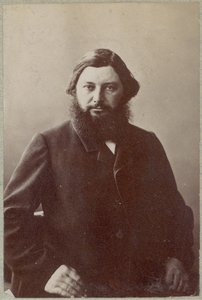
Gustav Кјорбе
1819 - 1877 , Француска
Osnovne informacije
- Datum Rođenja: 10. jun 1819.
- Datum Smrti: 31. decembar 1877.
- Mesto Rođenja: Ornan, Francuska
- Nacionalnost: Francuski
- Pokreti Pod Uticajem:
- Impresionizam
- Postimpresionizam
- Puno Ime: Žan Désire Gustave Kurbe
- Umetnički Pokret: Realizam
- Uticajni Umetnici:
- Delakroaz
- Žeriko
- Kravagio
- Značajna Dela:
- Sahrana u Ornanzu
- Slomljenih kamena
- Atelje slikara
Povezani članci
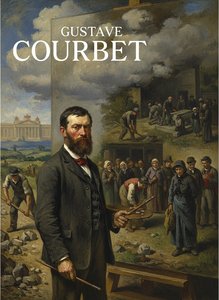
Gustave Courbet: Realism's Revolutionary Vision & the Social Canvas of 19th-Century France
Explore the revolutionary art of Gustave Courbet, pioneer of Realism. Discover his iconic paintings, social commentary, and lasting impact on 19th-century French art history. Expert analysis & insights.
Romantic Realism's Finest: 10 Masterpieces for Your Home | ArtsDot
Explore 10 defining masterpieces of Romantic Realism! Discover Courbet, Millet & Daumier's powerful paintings—capturing emotion and social realities. Find museum-quality reproductions for your home at ArtsDot.com.
Realizam u slikama: Top 10 remek dela za vaš dom i dušu
Otkrijte 10 remek dela koja su definisala realizam! Gustave Courbet, Millet i Daumier – istaknuti umetnici i njihove slike. Inspiracija za vaš dom i dušu. Kupite reprodukcije vrhunskog kvaliteta na ArtsDot.com!
The Poetic Truth of Observation: Exploring 19th-Century Realism in Painting
Explore the captivating world of 19th-century Realism! Discover key artists like Courbet & Millet, masterpieces, and the powerful social commentary behind this influential art movement. Expert insights at ArtsDot.
The Enduring Appeal of Realism: Technique, History & Emotional Resonance in Representational Art
Explore the captivating world of Realism! Discover key artists like Courbet & Millet, masterpieces, and the social commentary behind this influential art movement. Expert insights for collectors & enthusiasts.