

 Pregledaj u prostoru
 Pošalji
 Podeli
 Detalji o delu

 Преузми
 Slični predmeti
 Rendgenski snimak
 Slajdovi
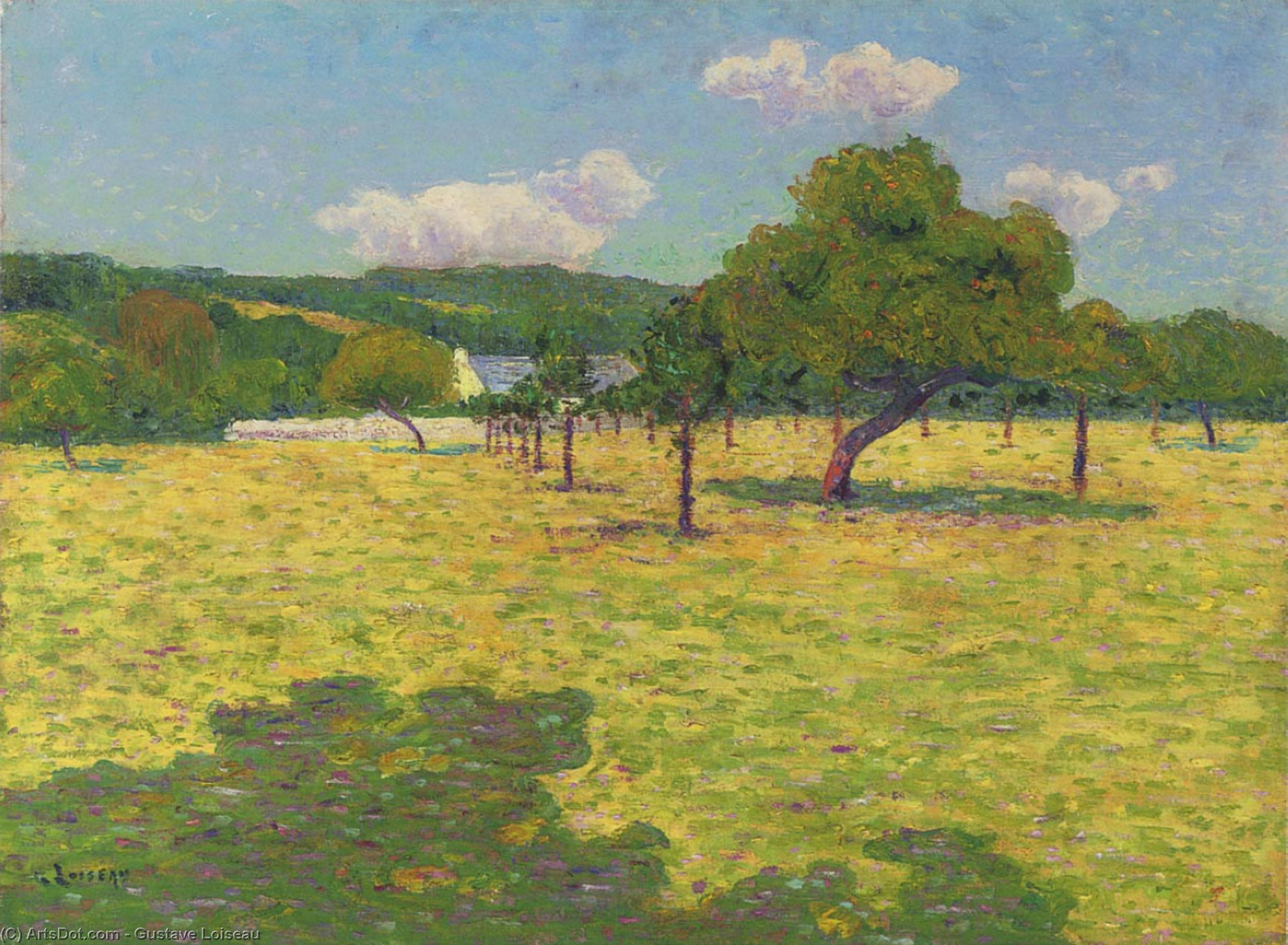
Field and Hills
 Oil On Canvas
- WallArt
- Post-Impressionism
 1890
1890- 19th Century
 54.0 x 73.0 cm
 Pročitaj više
Kupite digitalnu sliku visoke rezolucije i poboljšanog kvaliteta, koja je znatno superiornija od onoga što vidite u online prikazu.
Svaka datoteka je pedantno pripremljena od strane naših stručnjaka koristeći napredne alate i profesionalnu ručnu retušu. Osiguravamo da svaka slika ima izuzetnu oštrinu, preciznu reprodukciju boja i fine detalje.
Konačna datoteka se dostavlja putem e-pošte u roku od 72 sata, optimizovana za neposrednu upotrebu u profesionalnim, izdavačkim i štamparskim okruženjima. To je isti kvalitet kojem veruju vrhunski studiji dizajna, izdavači i galerije.
Digitalna slika
Preuzmite datoteku visoke rezolucije za ličnu upotrebu, štampanje i kreativne projekte. ( Kupi print Kupi ručno naslikanu sliku)
Uključeno uz svaku porudžbinu digitalne slike
Profesionalna digitalna isporuka, zagarantovana
Kada odaberete ArtsDot.com, ne dobijate samo sliku – vi primate profesionalno unapređeno digitalno umetničko delo, izrađeno sa najvećom preciznošću i uz garanciju zadovoljstva. Evo svega što automatski dolazi uz vašu porudžbinu:

Brza dostava putem e-pošte
Vaša digitalna slika visoke rezolucije biće vam poslata putem e-pošte u roku od 72 sata od poručivanja – spremna za trenutnu upotrebu.

Digitalna datoteka unapređena veštačkom inteligencijom
Vaše umetničko delo je profesionalno optimizovano korišćenjem naprednih AI alata i ručne obrade, čime se osiguravaju maksimalni detalji, oštrina i preciznost boja.

Besplatna ponovna isporuka doživotno
Slučajno ste obrisali ili izgubili svoju datoteku? Ne brinite – poslaćemo vam je ponovo u bilo kom trenutku, potpuno besplatno.

Bez troškova uvoza – zauvek
Uživajte u svojim umetničkim delima trenutno, bez carine, dažbina ili troškova dostave – digitalni download je uvek bez poreza.

Garancija vernosti boja
Uz pomoć profesionalnih alata i upravljanja bojama, osiguravamo da vaša digitalna slika što vernije odražava originalne boje.

Garancija zadovoljstva od 100 dana
Ako niste zadovoljni svojom digitalnom slikom, izvršićemo reviziju ili ćemo vam vratiti 100% novca u roku od 100 dana – bez ikakvih pitanja.

100% garancija povrata novca
Niste zadovoljni? Dobijte puni povraćaj novca u roku od 100 dana od prijema digitalne datoteke – bez suvišnih pitanja.

Popusti na velike porudžbine
Kupite 3 slike, uštedite 10% - Kupite 5 slika, uštedite 15% - Kupite 10+ slika, uštedite 20%. Odlično za kreativne projekte, galerije i agencije.
A Symphony of Light and Earth
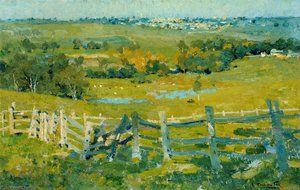
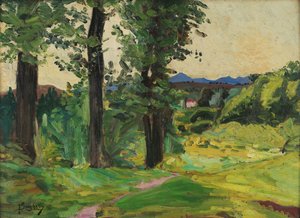
In the gentle embrace of Gustave Loiseau’s 1890 masterpiece, Field and Hills, the viewer is transported to a moment of profound stillness within the French countryside. This exquisite oil on canvas serves as more than just a landscape; it is a poetic meditation on the fleeting beauty of nature. The composition unfolds with a masterful sense of balance, leading the eye from the sun-drenched textures of a golden field in the foreground toward the soft, receding silhouettes of distant hills. Loiseau, a significant figure within the Post-Impressionist movement, utilizes the landscape not merely as a subject, but as a canvas for exploring the interplay between light and atmosphere. The scene is punctuated by scattered trees—some lush with verdant leaves, others standing in skeletal, wintry grace—which provide a rhythmic structure to the vast, open expanse.
The technique employed in this work reveals Loiseau’s deep connection to the Impressionist tradition, while simultaneously pushing toward the expressive energy of Post-Impressionism. His brushwork is remarkably tactile; bold, confident strokes dance across the canvas, creating a surface that feels alive with movement. Rather than relying on precise, photographic lines, Loiseau uses patches of vibrant color and thick impasto to suggest the rustle of yellowing grass and the weight of the shadows beneath the trees. This approach allows the light to appear as if it is vibrating within the paint itself. For the discerning collector or interior designer, this technique offers a rich, multidimensional quality that brings a dynamic energy to any room, catching the light differently as the day progresses.
Historical Resonance and Emotional Depth
To understand Field and Hills, one must consider the era in which it was birthed. Created during the twilight of the 19th century, the painting reflects a period when artists were moving away from the rigid realism of the past toward a more subjective, emotional interpretation of reality. Influenced by the luminism of Claude Monet and the structural boldness of Paul Gauguin, Loiseau captures a sense of nostalgia for the pastoral life amidst a rapidly industrializing France. There is a subtle symbolism in the way the distant buildings nestle into the landscape, suggesting a harmonious, almost symbiotic relationship between human presence and the natural world.
The emotional impact of the piece is one of overwhelming tranquility. It invites the observer to pause, breathe, and reconnect with the quiet rhythms of the earth. The warmth of the golden hues evokes a sense of peace, while the depth created by the layering of hills provides a contemplative space for the mind to wander. For those seeking to curate an environment of serenity and sophistication, this painting serves as a perfect focal point. Whether placed in a sunlit gallery or a cozy, private study, a high-quality reproduction of Loiseau’s work brings with it a legacy of French elegance and a timeless, restorative spirit that transcends the boundaries of time.
Srodna umetnička dela
Biografija umetnika
A Parisian Vision: The Life and Art of Gustave Loiseau
Gustave Loiseau, a name perhaps less immediately recognized than some of his Post-Impressionist contemporaries, nevertheless occupies a significant place in the story of French painting at the turn of the 20th century. Born in Paris on October 3rd, 1865, and passing away there on October 10th, 1935, Loiseau’s life was deeply intertwined with the evolving artistic landscape of his city and the broader currents of modernism. His journey began not within the hallowed halls of an art academy—though he briefly attended the École des arts décoratifs—but amidst the practical world of his parents' butcher shop. This early exposure to everyday Parisian life, coupled with a subsequent apprenticeship with a family friend who was a decorator, would profoundly shape his artistic sensibilities. It instilled in him a keen observation of the city’s rhythms and textures, a fascination that would become central to his oeuvre. A modest inheritance from his grandmother proved pivotal, allowing Loiseau to dedicate himself fully to painting in 1887, though his formal training was cut short by a disagreement with a teacher—a testament to his independent spirit.From Brittany to ‘En Treillis’: The Development of a Unique Style
Loiseau’s artistic development wasn't immediate or straightforward. He initially experimented with Pointillism, the meticulous technique championed by Georges Seurat and Paul Signac, attempting to capture light and color through tiny dots of pigment—a method that seemed too restrictive for his burgeoning vision. However, he swiftly abandoned this approach, recognizing its inability to convey the emotional depth he sought. A transformative encounter occurred during his first visit to Pont-Aven in Brittany in 1890. This artist colony, already celebrated as a sanctuary for those rejecting academic conventions—particularly Paul Gauguin and Émile Bernard—presented Loiseau with fresh perspectives on color, form, and the expressive potential of landscape. He didn’t simply emulate their stylistic choices; instead, he embarked upon forging his own distinctive path. This pivotal decision led to the genesis of *en treillis*, or cross-hatching—a technique that would become synonymous with his artistic identity. Unlike the fractured brushstrokes characteristic of Impressionism or the systematic application of dots found in Pointillism, Loiseau utilized a network of delicate, interwoven lines to sculpt form and capture the subtleties of light and atmosphere. This resulted in a textural richness unparalleled in Impressionist painting—a shimmering effect that distinguished him from his peers. It wasn’t born from theoretical contemplation but from an intuitive grasp of how to translate sensory experience onto canvas.Parisian Streets and Rural Landscapes: Recurring Themes
Loiseau's artistic focus consistently centered around two dominant motifs: the vibrant streets of Paris and the tranquil vistas of Brittany’s countryside. His Parisian scenes—such as *Rue de Clignancourt* and *Avenue de Fiedland*—were not grand panoramas but intimate portraits of urban life. He meticulously rendered the movement of carriages, the bustle of pedestrians, and the dappled illumination filtering through buildings—with remarkable sensitivity to detail. Simultaneously, he developed a series of landscapes that revisited familiar subjects—orchards, gardens, fields—at various seasons and under diverse meteorological conditions. These compositions echoed Monet’s exploration of atmospheric phenomena but Loiseau's *en treillis* technique imbued them with an unparalleled textural quality—a palpable sense of presence that transcended mere visual representation. He wasn’t merely documenting what he perceived; he was conveying his emotional response to the environment, capturing its inherent beauty and serenity. His paintings radiate a quiet lyricism—a celebration of the commonplace elevated through artistic vision.Influences and Artistic Legacy
Loiseau's artistic trajectory was profoundly shaped by several influential figures and movements. Early exposure to Impressionism instilled in him an appreciation for capturing fleeting moments of light and color, mirroring Monet’s groundbreaking explorations of atmospheric effects. However, he swiftly distanced himself from Impressionistic fragmentation, recognizing its limitations in conveying emotional resonance. The Pont-Aven artist colony—populated by Gauguin, Bernard, and Quignon—provided Loiseau with invaluable inspiration regarding color palettes and compositional strategies. Crucially, his embrace of *en treillis* represented a decisive break from prevailing artistic conventions—a technique championed by Seurat and Signac that prioritized scientific precision over expressive spontaneity. Despite not achieving the widespread acclaim enjoyed by some contemporaries, Loiseau’s work gained recognition from discerning critics and collectors alike—secured through exhibitions at prestigious venues like the Salon des Indépendants and the Société Nationale. Today, Loiseau's paintings are increasingly appreciated for their distinctive style, their evocative atmosphere, and their astute portrayal of French life during a period of significant societal transformation. He stands as an emblem of artistic independence—an artist who remained steadfast to his own aesthetic convictions while engaging with the evolving currents of modernism.Notable Works
Loiseau’s oeuvre comprises numerous captivating canvases that exemplify his signature technique and thematic preoccupations. Among his most celebrated paintings are *Rue de Clignancourt*, capturing the dynamism of Parisian commerce; *Avenue de Fiedland*, portraying a serene urban vista bathed in sunlight; *Overcast Weather...*, depicting Brittany's moody skies with masterful tonal gradation; *Etretat*, showcasing the dramatic cliffs and sea spray of Normandy; and *Field and Hills*, presenting tranquil rural landscapes imbued with subtle textural nuances. These artworks serve as enduring testament to Loiseau’s artistic genius—a profound engagement with both urban and pastoral environments, rendered with unparalleled sensitivity to light and atmosphere. His legacy resides not in overturning artistic dogma but in refining it—offering a uniquely personal and captivating perspective on the world around him.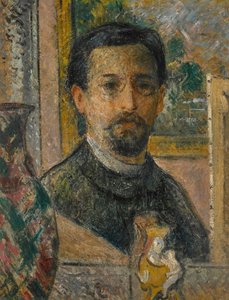
Густав Лоизоу
1865 - 1935 , Француска
Kratke činjenice
- Artistic Movement Or Style: Постимпрезионизам
- Artists Or Movements Influenced By This Artist: ['Клод Моне']
- Date Of Birth: Октобар 3, 1865.
- Date Of Death: Октобар 10, 1935.
- Full Name: Gustave Loiseau
- Nationality: Француски
- Notable Artworks:
- Улица Клињанкор”, “Авеню де Фиелланд”, “Прекооблачно време…”], "Artists who influenced this artist": [
- Пол Гоген”, “Емил Бернар
- Place Of Birth: Париз, Француска