 Pregledaj u prostoru
 Pošalji
 Podeli
 Detalji o delu

 Преузми
 Slični predmeti
 Rendgenski snimak
 Slajdovi
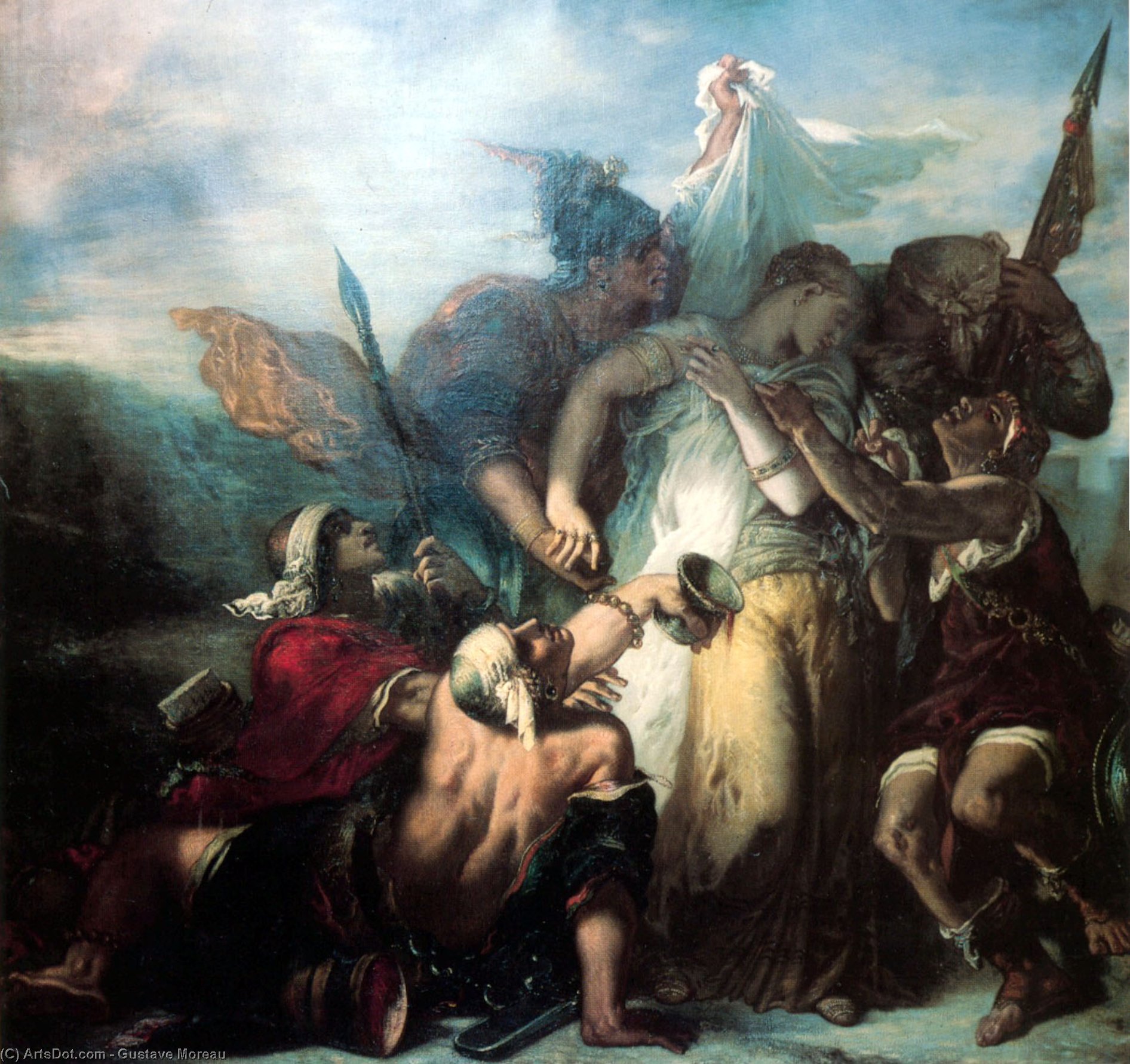
the song of songs


 Pročitaj više
Giclee štampa / Umetnički otisak
Giclée štampa ili print na platnu muzejskog kvaliteta uz brzu proizvodnju i fleksibilne opcije završne obrade. ( Kupi ručno naslikanu sliku Kupi digitalnu sliku)




P118B $10

P118H $10

P118W $10

P438Z $10

P508JH $12

P508YH $12

P805H $10

P805Z $10

P919BZ $10

P919G $10

P919XJ $10

P959ZH $10

P968JZ $12

W106C $8

W218G $10

W218JH $8

W218Y $10

W307PJ $10

W316G $10

W316PJ $8

W316Y $10

W398PJ $8

W4111J $10

W500HY $15

W500JH $15

W692G $12

W849H $8

W940BG $15

W953PJ $8




Izaberite jednu od naših unapred definisanih veličina koje odgovaraju originalnim proporcijama umetničkog dela.

Možete uneti sopstvene dimenzije kako biste umetničko delo prilagodili specifičnom okviru ili prostoru. Ako odabrani format ne odgovara proporcijama originalne slike, mi ćemo ili iscrtati deo dela ili proširiti sliku pomoću ogledane ivice ili jednobojnog popunjavanja. Digitalni prikaz će vam biti poslat na odobrenje pre početka proizvodnje.
Imajte na umu da pregled na ekranu ne odražava stvarno iscrtavanje ili proširivanje. Samo će prikaz (mockup) precizno pokazati finalnu kompoziciju.
Iako su prilagođene dimenzije dostupne, preporučujemo da odaberete dimenziju sa unapred definisane liste kako biste očuvali originalne proporcije.
Dostava širom sveta () za 2 nedelje umesto uobičajenih 4/5 nedelja. (24 август)

Besplatna ekspresna dostava širom sveta

Visokokvalitetno laneno platno

Kompletno osiguranje transporta

Garancija povraćaja carine i uvoznih dažbina

Garancija vernosti boja

Politika povrata u roku od 60 dana (samo u slučaju nedostataka)

Garancija povrata novca od 100%

Popust pri grupnoj kupovini
 Opcija sa staklom dostupna je samo za dimenzije manje od 110 cm

the song of songs
Giclee štampa / Umetnički otisak
Dimenzije reprodukcije
-


Konačna cena
$ 62
Opis predmeta
A Descent into Mythic Reverie: Exploring Gustave Moreau’s “The Song of Songs”
Gustave Moreau's "The Song of Songs," painted during the heart of the Symbolist movement, is not merely a depiction of biblical narrative; it’s an immersion into a realm of potent emotion and layered symbolism. Completed in the latter half of the 19th century, this painting embodies Moreau’s profound fascination with mythology, religion, and the subconscious—themes that would define his artistic legacy. The scene unfolds with a deliberate ambiguity, populated by nine figures engaged in varied activities – some standing, others kneeling or seated – creating an atmosphere of quiet contemplation and perhaps, a subtle unease. These individuals aren't presented as characters within a straightforward story but rather as vessels for exploring universal human experiences: love, desire, longing, and the search for spiritual meaning.
- Subject Matter: The painting draws directly from the biblical Book of Songs of Solomon, renowned for its passionate descriptions of romantic love. However, Moreau strips away literal interpretation, transforming the text into a vehicle for exploring deeper psychological and emotional states.
- Symbolic Elements: Two birds punctuate the composition – a recurring motif in Moreau’s work, often representing spiritual aspiration or the soul's journey. A bowl rests on a surface near the bottom right corner, potentially symbolizing abundance, fertility, or even the vessel of divine grace.
The Language of Symbolism: Moreau’s Artistic Technique
Moreau’s technique is characterized by meticulous detail and a deliberate avoidance of naturalistic representation. He employed rich, jewel-toned pigments – deep reds, blues, and golds – to create an opulent, almost dreamlike atmosphere. His brushwork is often dense and layered, building up textures that contribute to the painting's tactile quality. The figures themselves are rendered with elongated forms and stylized features, reflecting a desire to transcend the limitations of realistic depiction and evoke a sense of timelessness. Moreau’s training at the École des Beaux-Arts provided him with a solid foundation in academic drawing, but he skillfully subverted these conventions, prioritizing expressive symbolism over photographic accuracy.
- Color Palette: The use of saturated colors contributes significantly to the painting's emotional intensity and otherworldly quality.
- Compositional Density: Moreau’s meticulous layering of detail creates a sense of depth and complexity, inviting prolonged observation.
Historical Context & Moreau’s Vision
"The Song of Songs" reflects the broader artistic currents of the Symbolist movement, which emerged as a reaction against the perceived materialism and rationalism of the Industrial Age. Artists like Moreau sought to reconnect with spiritual and emotional truths through subjective experience and symbolic imagery. Moreau's work aligns with the broader Symbolist interest in exploring the darker aspects of human psychology, often drawing inspiration from medieval art, Renaissance mythology, and esoteric traditions. His paintings were intended not for simple visual pleasure but for profound contemplation and a journey into the depths of the soul.
Artist Biography Snippet: “A Dream Weaver of Symbolism: The Life and Art of Gustave Moreau” – Moreau’s life was dedicated to this pursuit, culminating in a body of work that continues to captivate viewers with its haunting beauty and intellectual richness. His ability to translate personal emotion into universal symbols ensures his place as one of the most significant figures of the Symbolist movement.Emotional Resonance & Artistic Reproduction
Moreau’s “The Song of Songs” possesses a captivating power, inviting viewers to contemplate themes of love, desire, and spirituality. The painting's intricate details and evocative atmosphere create a truly immersive experience. ArtsDot offers meticulously crafted hand-painted reproductions that faithfully capture the essence of this iconic work. Each reproduction is created by skilled artisans using archival quality materials, ensuring lasting beauty and preserving the original artwork’s vibrant colors and textural depth. Whether adorning a grand salon or adding a touch of enigmatic elegance to a smaller space, a ArtsDot reproduction of “The Song of Songs” will undoubtedly become a treasured centerpiece.
Srodna umetnička dela

Biografija umetnika
A Dream Weaver of Symbolism: The Life and Art of Gustave Moreau
Gustave Moreau, a name synonymous with the ethereal beauty and enigmatic depths of Symbolist painting, emerged from 19th-century Paris as a singular artistic voice. Born in April 6, 1826, into a bourgeois family—his father an architect and archivist—Moreau’s early life was steeped in intellectual curiosity and aesthetic sensibility. From a young age, he displayed a remarkable gift for drawing, nurtured through traditional academic training at the École des Beaux-Arts under figures like François-Édouard Picot. However, Moreau's artistic path would diverge sharply from the prevailing Realist and Impressionist currents of his time. He wasn’t interested in capturing fleeting moments or objective reality; instead, he sought to unlock the hidden realms of myth, religion, and the human psyche through a deeply personal and symbolic visual language. His journey was one of inward exploration, translating subjective emotions and spiritual yearnings onto canvas with an obsessive attention to detail and a vibrant, often opulent palette.The Forge of Imagination: Influences and Artistic Development
Moreau’s artistic development wasn't born in a vacuum. While rejecting the dominant trends of his era, he drew inspiration from diverse sources. The dramatic use of color and exotic subject matter found in the works of Eugène Delacroix ignited a passion for narrative painting imbued with emotional intensity—a fascination that would shape many of his early compositions. He held Renaissance masters like Michelangelo and Leonardo da Vinci in high esteem, admiring their mastery of composition, anatomy, and psychological insight; figures whose monumental sculptures and paintings profoundly impacted his artistic sensibilities. Yet, Moreau wasn’t merely imitating these artists; he was synthesizing their influences into something entirely new. His formative years were spent absorbing the art of antiquity and the Renaissance, meticulously copying Old Master paintings—not as an exercise in mere replication, but as a means of immersing himself in their techniques and unlocking their secrets. This dedication to craft, combined with his burgeoning interest in mythology and literature, laid the foundation for his unique artistic vision. He diligently studied the works of Dante Alighieri and Friedrich Nietzsche, whose philosophical ideas resonated deeply with his own spiritual quest.A World of Symbols: Themes and Techniques
Moreau’s paintings are not simply illustrations of myths or biblical stories; they are complex allegories that invite contemplation and interpretation. He delved into narratives like those of Salome, Orpheus, Jupiter and Semele, exploring their underlying psychological and spiritual truths—truths far beyond the surface appearance of the tales themselves. His canvases teem with symbolic imagery—serpents representing temptation, jewels signifying earthly desires, and figures embodying abstract concepts like grief, loss, or redemption. He masterfully created a dreamlike atmosphere through intricate detail, rich textures, and an unsettling juxtaposition of light and shadow; techniques honed during his extensive travels to Italy where he encountered the grandeur of Roman ruins and the artistic fervor of Florentine Renaissance studios. Moreau’s technique was characterized by meticulous layering of paint—a painstaking process that resulted in surfaces shimmering with iridescent colors and evoking a sense of otherworldly beauty. He prioritized expressive power over realistic representation, focusing on color and form to convey mood and meaning—a deliberate departure from the prevailing Impressionist preoccupation with capturing fleeting visual sensations.Notable Works
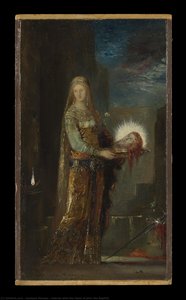
- Salome Dancing before Herod: Perhaps his most iconic work, this painting exemplifies Moreau’s opulent style and fascination with biblical narratives; its unsettling gaze and dramatic lighting continue to captivate viewers today.
- Jupiter and Semele: A monumental depiction of Greek mythology showcasing Moreau's mastery of composition and color—a testament to his ambition and artistic prowess.
- Orpheus: Several paintings by Moreau explore the myth of Orpheus, reflecting themes of loss, grief, and artistic inspiration; these works demonstrate his profound understanding of human emotion.
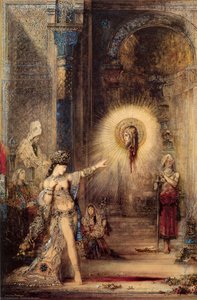
- The Apparition: Demonstrrates Moreau’s skill in creating ethereal and otherworldly scenes—a hallmark of his Symbolist style.
- Desdemona: A poignant portrayal of Shakespeare's tragic heroine, imbued with psychological depth and emotional resonance.
Legacy and Influence: The Enduring Power of Symbolism
Though initially met with mixed reactions from the Parisian art establishment, Moreau gradually gained recognition as a pivotal figure in the burgeoning Symbolist movement during the 1890s—a movement that championed imagination, subjectivity, and artistic freedom. Unlike many of his contemporaries who actively sought public acclaim, he remained somewhat reclusive, preferring to work independently and avoid artistic controversies; prioritizing artistic integrity above social prestige. Nevertheless, Moreau’s influence extended far beyond his immediate circle. He accepted a professorship at the École des Beaux-Arts in 1893, where he profoundly impacted generations of artists—including Henri Matisse and Georges Rouault—inspiring them to embrace Symbolist principles and forge their own distinctive artistic paths. His unwavering belief in the transformative power of art—coupled with his meticulous craftsmanship and profound understanding of mythology—established him as a towering presence in the history of modern art. Gustave Moreau died April 18, 1898, leaving behind an unparalleled body of work that continues to inspire artists and scholars alike—a legacy enshrined in the Musée Gustave Moreau, established in his former studio and home in Paris—where visitors can immerse themselves in the captivating world of this extraordinary artist.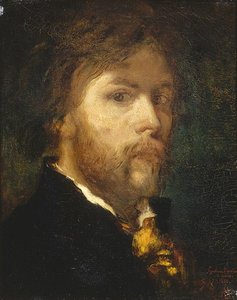
Густав Море Ау
1826 - 1898 , Француска
Osnovne informacije
- Artistic Movement Or Style: Симболизам
- Artists Or Movements Influenced By This Artist:
- Хенри Матисс
- Жорж Роуолт
- Artists Who Influenced This Artist:
- Евгење Делакроа
- Микеланђело
- Леонардо да Винчи
- Date Of Birth: Април 6, 1826
- Date Of Death: Април 18, 1898
- Full Name: Gustave Moreau
- Nationality: Француски
- Notable Artworks:
- Саломе Джижући Предо Herod
- Юпитер И Семеле
- Орфейс
- Априцитион
- Десдемона
- Place Of Birth: Париз, Француска
Povezani članci
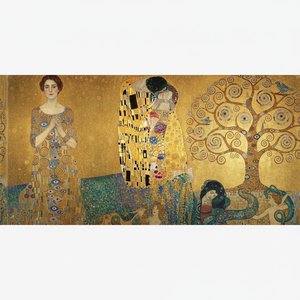
Gustav Klimt: 25 Remek-Dela Koje Očaravaju Svet – Reprodukcije za Vaš Dom
Uronite u svet Gustava Klimta! Otkrijte 25 remek-dela bečkog secesiona, od 'Poljupca' do portreta Adele Bloch-Bauer. Reprodukcije slika vrhunskog kvaliteta za luksuzni enterijer – inspiracija i dekoracija na ArtsDot.com.

Giclée Prints: Archival Quality & Aesthetic Nuances for the Discerning Collector
Explore the world of giclée prints with ArtsDot. Learn about archival quality, aesthetic nuances & investment potential. Expert guidance for discerning art collectors seeking museum-quality reproductions and lasting value.
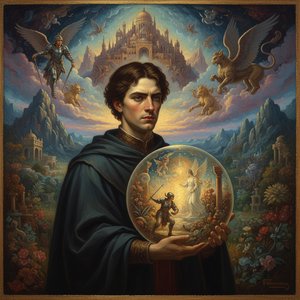
Gustave Moreau: Symbolism's Enigmatic Visionary & Precursors of Modern Fantasy Art
Explore the captivating world of Gustave Moreau, the leading Symbolist painter. Discover his iconic masterpieces, influences, and lasting legacy. Expert analysis for collectors & art enthusiasts.

Echoes of Time: Exploring the Enduring Appeal & Historical Context of Vintage Art Prints
Explore the captivating world of vintage art prints! Discover their history, collecting tips & enduring appeal. Expert insights on chromolithography and building a legacy collection with ArtsDot.
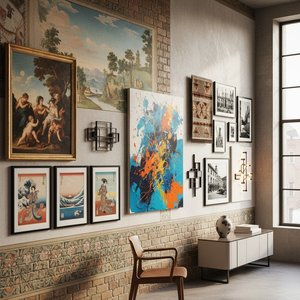
Transforming Spaces: A Comprehensive Exploration of Wall Decor Through Art History & Contemporary Practice
Explore the art of transforming spaces with our comprehensive guide to wall decor. From historical movements to contemporary trends, discover how to curate impactful interiors and commission bespoke artwork for a truly personalized aesthetic.