

 Pregledaj u prostoru
 Pošalji
 Podeli
 Detalji o delu

 Преузми
 Slični predmeti
 Rendgenski snimak
 Slajdovi
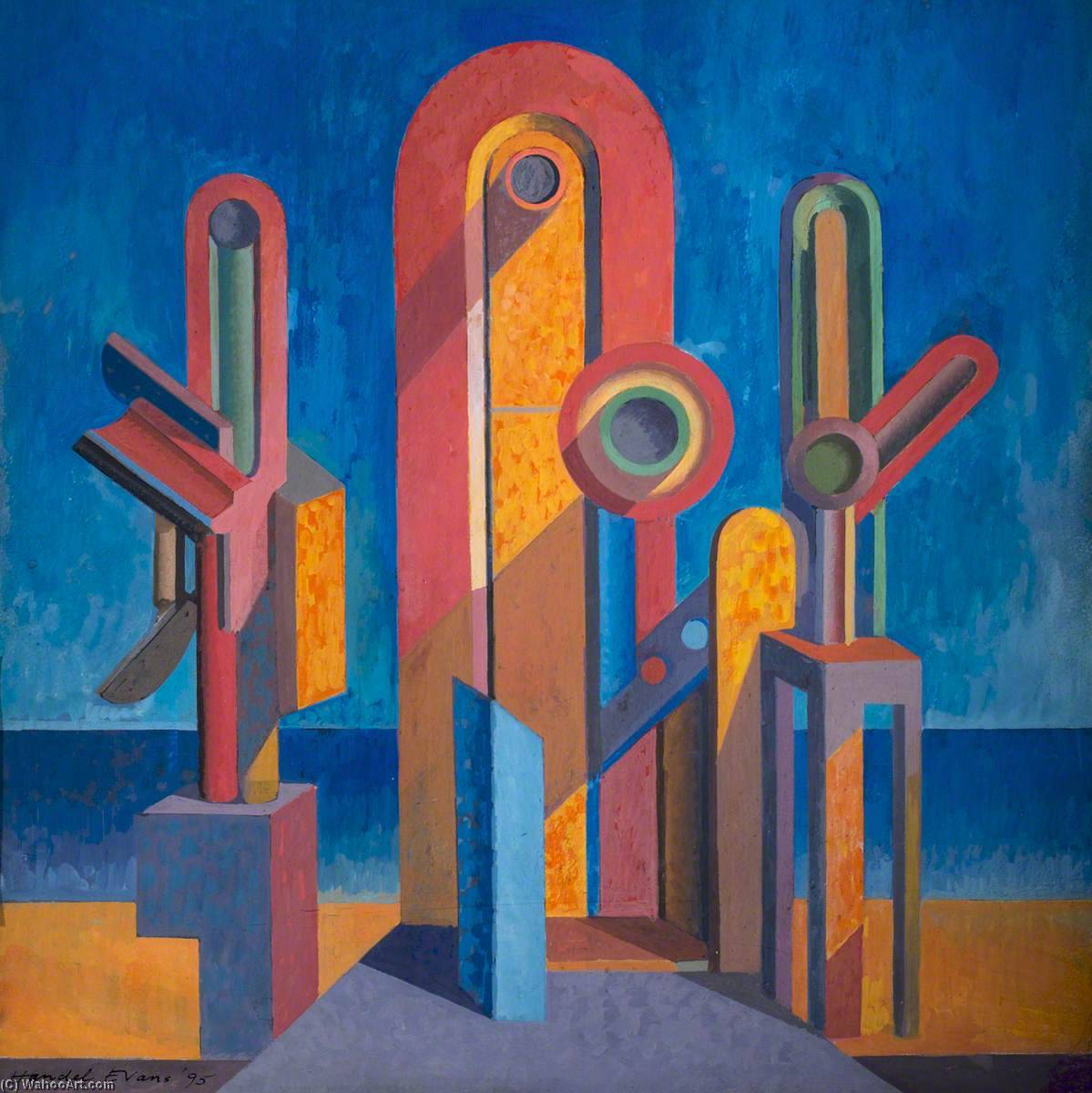
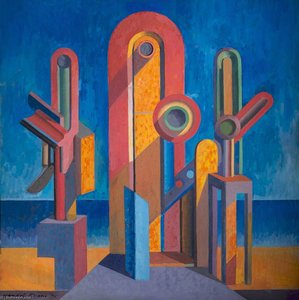
Integrated II The Employees Series No.94
 Painting
- Contemporary Art
 1995
1995- Contemporary
 54.0 x 54.0 cm
 Aberystwyth University School of Art Museum And Galleries
 Pročitaj više
Ručno rađena uljana reprodukcija
Ručno oslikano uljanim bojama na platnu u dimenzijama i okviru po vašem izboru, izrađeno po porudžbini od strane naših umetnika. ( Kupi print Kupi digitalnu sliku)




P118B $10

P118H $10

P118W $10

P438Z $10

P508JH $12

P508YH $12

P805H $10

P805Z $10

P919BZ $10

P919G $10

P919XJ $10

P959ZH $10

P968JZ $12

W106C $8

W218G $10

W218JH $8

W218Y $10

W307PJ $10

W316G $10

W316PJ $8

W316Y $10

W398PJ $8

W4111J $10

W500HY $15

W500JH $15

W692G $12

W849H $8

W940BG $15

W953PJ $8




Izaberite jednu od naših unapred definisanih veličina koje odgovaraju originalnim proporcijama umetničkog dela.

Можете унети сопствене димензије како бисте прилагодили дело одређеном оквиру или простору. Ако одабрана величина не одговара пропорцијама оригинала, слика ће бити исечена или проширена додатним елементима који се ручно насликавају. Дигитални prikaz ће вам бити послат на одобрење пре почетка производње.
Имајте на уму да преглед на екрану не одражава стварно исецање или проширење. Само приказ (mockup) ће тачно приказати коначну композицију.
Иако су доступне прилагођене величине, препоручујемо да одаберете димензију из дефинисане листе како бисте сачували оригиналне пропорције.
Nakon narudžbine, tim ArtsDot.com će klijentu putem e-pošte poslati uputstva i dostaviti prikaz predloženog rešenja
Isporuka širom sveta () za 3/4 nedelje umesto uobičajenih 5 nedelja. (24 август). Bez kompromisa po pitanju kvaliteta.

Besplatna ekspresna dostava širom sveta

Visokokvalitetno laneno platno

Kompletno osiguranje transporta

Garancija povraćaja carine i uvoznih dažbina

Garancija vernosti boja

Politika povrata u roku od 60 dana (samo u slučaju nedostataka)

Garancija povrata novca od 100%

Popust pri grupnoj kupovini
 Opcija sa staklom dostupna je samo za dimenzije manje od 110 cm

Integrated II The Employees Series No.94
Tehnika reprodukcije
Dimenzije reprodukcije
-


Konačna cena
$ 263
Opis umetničkog dela
A Symphony of Form and Color
In the vibrant landscape of contemporary abstraction, Integrated II The Employees Series No.94 stands as a testament to the playful yet profound exploration of shape and chromatic harmony. Created in 1995 by the visionary artist Handel Cromwell Evans, this piece invites the viewer into a whimsical world where sculpture and painting converge. At first glance, the eye is met with an exuberant parade of colorful forms that resemble a collection of avant-garde toys or abstract sculptures. These figures, rendered in a bold palette of primary blues, reds, yellows, greens, and oranges, are arranged across the canvas in a carefully choreographed dance of geometry. The composition is masterfully balanced, with main sculptural elements anchoring the left and center, while smaller, delicate figures drift toward the right, creating a sense of rhythmic movement that guides the viewer through this miniature, colorful universe.
The technique employed by Evans in this work evokes a tactile richness that transcends the flat surface of the canvas. Through a masterful use of color saturation and deliberate placement, the artist achieves a three-dimensional illusion, making each shape feel as though it possesses its own weight and presence. The interplay between light and shadow within these colorful forms adds a layer of depth, transforming what could be a simple arrangement into a complex architectural study. This approach to form—where the boundaries between two-dimensional painting and three-dimensional sculpture blur—is a hallmark of Evans's unique contribution to late 20th-century art, offering a visual experience that is both intellectually stimulating and visually soothing.
Symbolism and Emotional Resonance
Beyond its striking aesthetic appeal, Integrated II The Employees Series No.94 carries an underlying emotional narrative. The title itself suggests a theme of interconnectedness, hinting at the way individual, disparate elements—much like employees within a larger system—can come together to form a cohesive and vibrant whole. There is a profound sense of community and structural harmony depicted in the arrangement of these colorful characters. Each shape, despite its unique size and orientation, plays a vital role in the overall equilibrium of the piece. This can be interpreted as a metaphor for social cohesion or the intricate workings of a complex organization, where every small part contributes to the grandeur of the collective.
For the collector or interior designer, this artwork offers more than just a splash of color; it provides an emotional anchor for a space. The painting radiates a sense of optimism and creative energy, making it an ideal centerpiece for modern living environments, sophisticated galleries, or professional studios seeking to inspire innovation. Its ability to evoke joy through its bright palette, while maintaining a sophisticated structural integrity, allows it to integrate seamlessly into diverse decor styles—from minimalist contemporary to eclectic maximalism. To possess a reproduction of this work is to invite a permanent sense of wonder and a celebration of the beautiful complexity found in the integration of all things.
Srodna umetnička dela



Biografija umetnika
George Frideric Handel: A Baroque Titan of Sound and Vision
George Frideric Handel, a name synonymous with grandeur and timeless melody, was far more than just a composer. He was a theatrical genius, an innovator in orchestral writing, and a master of the oratorio – a figure who profoundly shaped the landscape of Western music. Born into a musical family in Halle, Germany, in 1685, Handel’s life was a testament to relentless ambition, artistic evolution, and a deep-seated connection to the dramatic arts. His journey from a promising young organist to an internationally renowned composer is a captivating story interwoven with political intrigue, personal tragedy, and unparalleled creative achievement.
Handel's early musical training was rigorous and comprehensive. He studied at the prestigious Thomasschule in Halle, where he honed his skills on the organ and harpsichord. His father, a barber-surgeon and musician, instilled in him a love for music that would define his entire life. However, it wasn’t solely through formal instruction that Handel developed; he was a prodigious self-taught musician, absorbing musical knowledge from countless performances and by meticulously studying the scores of his predecessors. This dedication to both structured learning and independent exploration laid the foundation for his distinctive compositional style.
A pivotal moment in Handel's career arrived with his relocation to Italy in 1732, at the invitation of impresario Antonio Salieri. This move marked a dramatic shift in his musical language, moving away from the predominantly Italianate styles he had previously encountered and embracing the vibrant, expressive qualities of the Baroque era. In Venice, Handel composed operas such as *Rinaldo* and *Giulio Cesare*, showcasing his growing mastery of vocal writing, orchestration, and dramatic pacing. These works established him as a leading operatic composer, attracting audiences across Europe with their spectacular staging and compelling narratives.
The Messiah: A Testament to Faith and Innovation
Handel’s most enduring legacy undoubtedly rests upon *Messiah*, an oratorio completed in 1741. Initially conceived as a single movement for Easter, it evolved into a monumental work encompassing prophecies, lamentations, and triumphant declarations of redemption. The sheer scale of *Messiah* – nearly three hours long – was unprecedented for its time, and its innovative use of choruses, recitatives, and arias captivated audiences across the British Isles and beyond. The oratorio’s popularity soared in subsequent centuries, becoming inextricably linked with Christmas celebrations and solidifying Handel's place as one of history’s most beloved composers.
Beyond its religious significance, *Messiah* represents a remarkable feat of musical craftsmanship. Handel masterfully blended Hebrew texts with Italian operatic conventions, creating a work that was both deeply spiritual and intensely dramatic. The orchestration is particularly noteworthy, employing a vast array of instruments – trumpets, timpani, oboes, horns, strings – to evoke a sense of grandeur and emotional intensity. The use of the choruses, in particular, created a powerful communal experience for listeners, uniting them in a shared expression of faith and hope.
A Life Shaped by Travel and Patronage
Handel’s career was marked by extensive travel throughout Europe, often at the invitation of royal courts. He served as Kapellmeister (music director) to the rulers of Hanover, Eisenach, and Detmold, each offering him patronage and opportunities to showcase his talents. These appointments provided him with valuable experience in managing orchestras, composing for specific venues, and navigating the complex world of courtly music. His time in London proved particularly fruitful, establishing him as a leading figure in the city’s musical scene.
Despite achieving considerable success, Handel faced personal tragedies throughout his life. His first wife, Anna Maria Weber, died in 1729, leaving him with deep sorrow and a profound sense of loss. His son, Julius, tragically drowned in 1759, further compounding his grief. These hardships undoubtedly influenced the emotional depth and intensity of his later works.
Legacy and Influence
George Frideric Handel died in London in 1759, leaving behind a vast and influential body of work. His contributions to opera, oratorio, orchestral music, and choral writing continue to resonate with audiences today. His dramatic flair, masterful orchestration, and profound understanding of human emotion have inspired generations of composers – from Mozart and Beethoven to Mendelssohn and Brahms. Handel’s legacy extends far beyond the realm of music; he remains a symbol of artistic ambition, creative innovation, and the enduring power of sound to move and uplift the human spirit.
handel cromwell evans
1932 - 1999
Osnovne informacije
- Artistic Movement Or Style: Cubist/Fauvist
- Artists Or Movements Influenced By This Artist:
- Futurism
- Surrealism
- Artists Who Influenced This Artist:
- George Frideric Handel
- Clifford H. Lewis
- Date Of Birth: 1932-04-03
- Date Of Death: 1999-01-05
- Full Name: Handel Cromwell Evans
- Nationality: Welsh
- Notable Artworks:
- Table Top VIII
- Interpenetrations
- Caribbean Village
- Place Of Birth: Pontypridd, Wales
Povezani članci

Kandinsky's Masterpieces: 25 Paintings That Define Abstract Art | ArtsDot
Journey through Wassily Kandinsky's 25 most iconic abstract paintings. Explore his revolutionary use of color, form & spiritual expressionism. Find museum-quality Kandinsky reproductions and elevate your home decor with ArtsDot.com. Discover all masterpieces on ArtsDot.com!

Top 10 dela geometrijske apstrakcije koje morate videti | ArtsDot.com
Istražite 10 remek-dela geometrijske apstrakcije – Mondrian, Malevič i Kandinski. Otkrijte priče iza ovih ikoničnih slika i pronađite inspiraciju za dekoraciju enterijera sa ArtsDot.com! Reprodukcije vrhunskog kvaliteta.

Bronze Sculptures That Defined Art History | ArtsDot
Journey through art history with our Top 10 bronze sculptures! Explore masterpieces by Rodin, Michelangelo & more. Discover stories behind iconic statues and find museum-quality reproductions for your home decor at ArtsDot.com.

The Enduring Form: Exploring Themes & Techniques in Sculpture Across Historical Periods
Explore the rich history of sculpture from ancient masterpieces to contemporary innovations. Discover key techniques, influential artists & investment potential for discerning art collectors.

Bronze Age to Modern Masters: 10 Sculptures That Redefined Art | ArtsDot
Journey through art history with 10 legendary bronze sculptures – from Michelangelo's David to Rodin’s Thinker. Explore the stories, techniques & timeless beauty of these masterpieces. Find museum-quality reproductions & elevate your home decor on ArtsDot.com.

