

 Pregledaj u prostoru
 Pošalji
 Podeli
 Detalji o delu

 Преузми
 Slični predmeti
 Rendgenski snimak
 Slajdovi
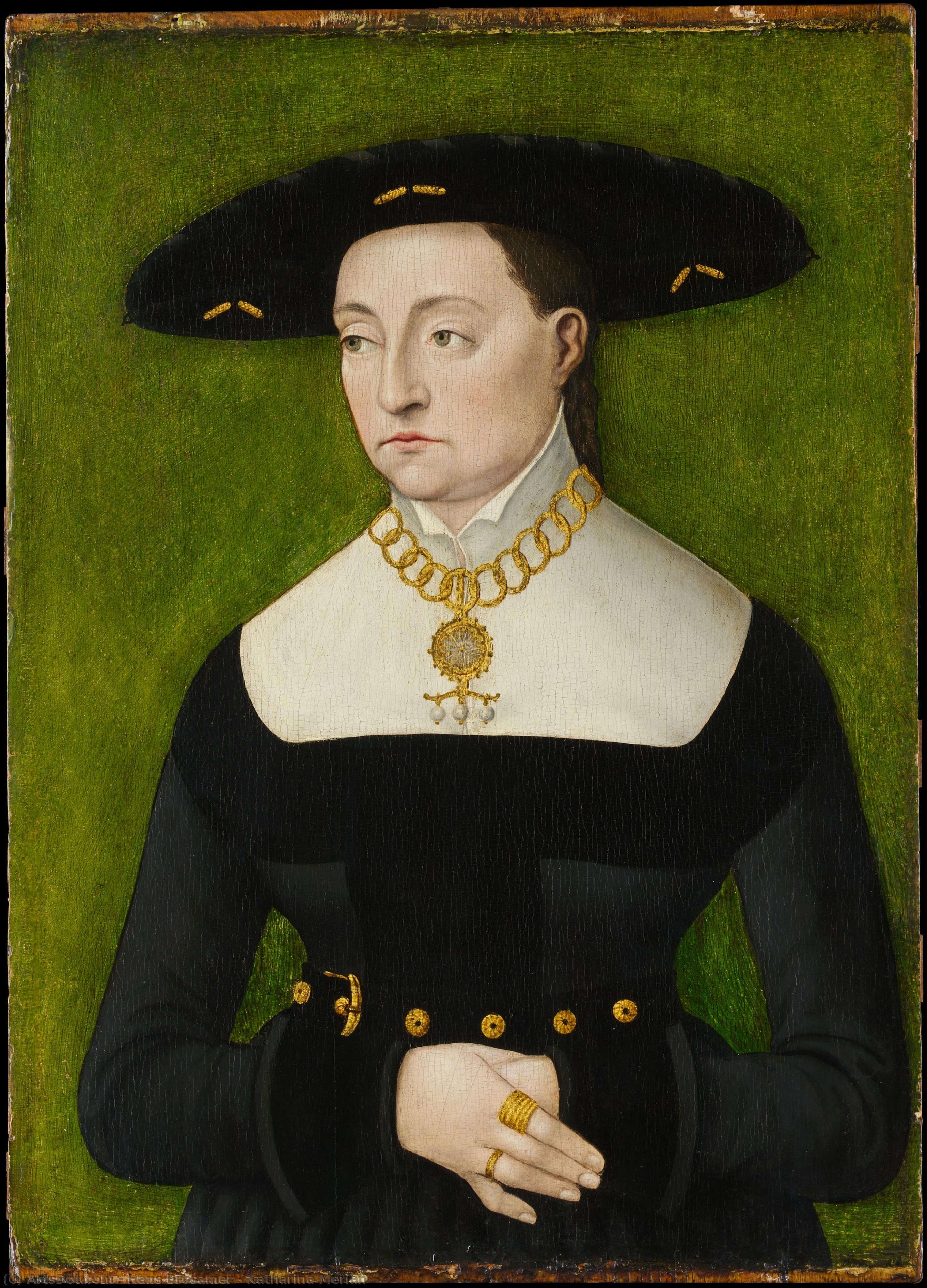
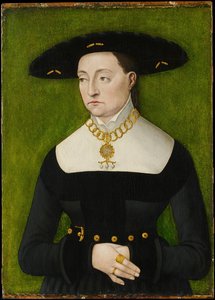
Katharina Merian
 Oil
Oil- WallArt
- Renaissance Portraiture
 46.0 x 33.0 cm
 Metropolitan Museum of Art
 Pročitaj više
Ručno rađena uljana reprodukcija
Ručno oslikano uljanim bojama na platnu u dimenzijama i okviru po vašem izboru, izrađeno po porudžbini od strane naših umetnika. ( Kupi print Kupi digitalnu sliku)




P118B $10

P118H $10

P118W $10

P438Z $10

P508JH $12

P508YH $12

P805H $10

P805Z $10

P919BZ $10

P919G $10

P919XJ $10

P959ZH $10

P968JZ $12

W106C $8

W218G $10

W218JH $8

W218Y $10

W307PJ $10

W316G $10

W316PJ $8

W316Y $10

W398PJ $8

W4111J $10

W500HY $15

W500JH $15

W692G $12

W849H $8

W940BG $15

W953PJ $8




Izaberite jednu od naših unapred definisanih veličina koje odgovaraju originalnim proporcijama umetničkog dela.

Можете унети сопствене димензије како бисте прилагодили дело одређеном оквиру или простору. Ако одабрана величина не одговара пропорцијама оригинала, слика ће бити исечена или проширена додатним елементима који се ручно насликавају. Дигитални prikaz ће вам бити послат на одобрење пре почетка производње.
Имајте на уму да преглед на екрану не одражава стварно исецање или проширење. Само приказ (mockup) ће тачно приказати коначну композицију.
Иако су доступне прилагођене величине, препоручујемо да одаберете димензију из дефинисане листе како бисте сачували оригиналне пропорције.
Nakon narudžbine, tim ArtsDot.com će klijentu putem e-pošte poslati uputstva i dostaviti prikaz predloženog rešenja
Isporuka širom sveta () za 3/4 nedelje umesto uobičajenih 5 nedelja. (6 септембар). Bez kompromisa po pitanju kvaliteta.

Besplatna ekspresna dostava širom sveta

Visokokvalitetno laneno platno

Kompletno osiguranje transporta

Garancija povraćaja carine i uvoznih dažbina

Garancija vernosti boja

Politika povrata u roku od 100 dana (samo u slučaju nedostataka)

Garancija povrata novca od 100%

Popust pri grupnoj kupovini
 Opcija sa staklom dostupna je samo za dimenzije manje od 110 cm

Katharina Merian
Tehnika reprodukcije
Dimenzije reprodukcije
-


Konačna cena
$ 263
The Enigmatic Gaze: Unveiling Katharina Merian
Hans Brosamer’s “Katharina Merian” is more than a simple portrait; it's a carefully constructed tableau of intellect, observation, and the burgeoning spirit of scientific inquiry that defined the early 16th century. Painted sometime before 1871, likely in Fulda or later refined in Erfurt, this work offers a rare glimpse into the life of a woman at a pivotal moment in European history – a time when art and science were increasingly intertwined.
The subject herself, Katharina Merian, was a pioneering naturalist and artist. Her father, Adam Martellus Merian, had established a successful trade route to Suriname, bringing back exotic plants and animals that captivated the European imagination. Katharina inherited this passion for the natural world, meticulously documenting her observations in detailed illustrations – a practice that would profoundly influence later generations of scientists and artists alike. The portrait captures her not merely as a woman, but as a scholar, a collector of knowledge, and a conduit between the known and the unexplored.
Style and Technique- Renaissance Portraiture: The composition adheres to the conventions of Renaissance portraiture – a half-length pose, a carefully arranged background, and an emphasis on capturing the subject’s character.
- Woodcut Precision: Brosamer was renowned for his woodcuts, utilizing a meticulous technique that demanded incredible precision and patience. The crisp lines and subtle tonal variations create a remarkable sense of depth and realism despite the limitations of the medium.
- Color Palette: The restrained palette – primarily blacks, whites, and golds – reflects the formality of the era while simultaneously highlighting Katharina’s features and drawing attention to her attire.
A Symbol of Knowledge and Observation
The details within the painting are laden with symbolic meaning. Katharina's elaborate black hat, adorned with a feather on the left side – a detail reminiscent of Renaissance courtly fashion – speaks to her status and perhaps even hints at a connection to nobility or intellectual circles. The high-collared shirt and dark coat signify formality and respectability, while the gold chain and pendant suggest wealth and possibly a connection to religious patronage.
Crucially, her left hand rests gently on her chest, holding an open book or sheet of paper. This gesture is not merely decorative; it’s a potent symbol of learning, scholarship, and the pursuit of knowledge. The act of reading suggests a mind actively engaged in contemplation and research – mirroring Katharina's own scientific endeavors.
Historical Context: A Renaissance of Discovery
“Katharina Merian” was created during a period of profound intellectual and artistic transformation—the High Renaissance. Humanism, with its emphasis on classical learning and human potential, was sweeping across Europe, fueling a renewed interest in art, science, and philosophy. The rise of printing technology facilitated the dissemination of knowledge, while explorers like Columbus and Magellan were expanding the known world, inspiring artists to depict exotic landscapes and creatures.
The painting reflects this spirit of discovery. Katharina’s portrait embodies the Renaissance ideal of the ‘universal man,’ a figure capable of excelling in multiple fields – art, science, and scholarship. It's a testament to the interconnectedness of these disciplines during this era, when observation, documentation, and artistic representation converged to shape our understanding of the world.
The Enduring Legacy: A Masterpiece of Scientific Portraiture
“Katharina Merian” is more than just a beautiful painting; it’s a window into the mind of a remarkable woman and a symbol of the Renaissance's embrace of knowledge. Its meticulous detail, symbolic richness, and historical significance make it a truly exceptional work of art – a timeless reminder of the power of observation, curiosity, and the enduring legacy of scientific inquiry.
Srodna umetnička dela
Biografija umetnika
The Shadowy Master of the Reformation
In the swirling currents of the sixteenth century, where religious upheaval and intellectual rebirth collided, the life of Hans Brosamer remains a captivating enigma. Born in the late 1490s, likely within the historic walls of Fulda, Germany, Brosamer emerged as a vital voice during the Reformation—a period defined by both profound faith and biting social critique. While much of his personal history is lost to the mists of time, leaving behind little more than a fragmentary documentary trace, his artistic presence is undeniable. He was a man who lived through the tremors of theological revolution, translating the intense debates of his era into the enduring medium of print.
Brosamer’s career was anchored in two significant German cities: Fulda, where he established himself as an active force between 1536 and 1545, and later Erfurt, where he resided during the twilight of his life. In Erfurt, he famously identified himself as a "Formschneider," or blockcutter, a title that speaks to the physical labor and technical precision required of his craft. Though his biography is sparse, his prolific output serves as a window into the Renaissance mind, revealing an artist who was deeply embedded in the humanist movements and the religious tensions that reshaped Europe.
A Legacy Carved in Wood and Metal
The true brilliance of Brosamer lies not in written records, but in the intricate lines of his vast repertoire. He was a master of the multiple, producing an extraordinary collection of over 600 woodcuts that served as much more than mere decoration. These works were powerful instruments of communication, often functioning as book illustrations for biblical narratives and scientific treatises, or even as sharp tools of visual satire. His ability to navigate the complexities of his time is perhaps best seen in his more provocative works, such as his 1529 caricature of Martin Luther, which utilized the medium to engage directly with the theological controversies of the day.
Beyond the broad reach of his woodcuts, Brosamer achieved a delicate finesse in his engravings. Though numbering only about thirty-eight, these smaller, more intimate works earned him a place among the "Little Masters." In these pieces, one can observe a profound technical dialogue with the giants of his age. His style reflects the meticulous precision of Flemish primitives like Jacob Binck and Heinrich Aldegrever, while his approach to portraiture echoes the stylistic elegance of Lucas Cranach the Elder. This synthesis of influences allowed him to create works that were both technically sophisticated and culturally resonant.
Technical Mastery and Symbolic Depth
To study a Brosamer print is to witness a masterclass in composition and detail. His technical range was immense, capable of moving from the delicate, fine-lined precision of an engraving to the monumental scale of his woodcuts. One of his most breathtaking achievements is the "David and Bathsheba," a massive undertaking constructed from nine separate woodblocks. Printed in 1554—his final dated work—this piece stands as a testament to his enduring stamina and his ability to command large-scale visual storytelling. Such works were likely intended for public display, meant to be pasted onto walls to captivate the gaze of the masses.
His artistic vision was equally present in his paintings, where he captured the likenesses of the local German elite. These portraits, typically executed in a half-length format, demonstrate a sensitive ability to convey character and status through subtle detail. Whether he was depicting a religious scene or a contemporary figure, Brosamer’s work is characterized by:
- Narrative Precision: The use of crisp lines to guide the viewer through complex biblical or historical stories.
- Cultural Commentary: A keen eye for using imagery to participate in the political and religious discourse of the Reformation.
- Technical Versatility: An ability to transition seamlessly between the rugged texture of woodcut and the refined elegance of engraving.
- Humanist Influence: A focus on the intersection of classical themes, scientific observation, and individual identity.
Ultimately, Hans Brosamer remains a vital figure of the German Renaissance. Though he lived in the shadows of more documented contemporaries, his prints provided the visual language for an era of transformation. Through his hands, the turbulent spirit of the sixteenth century was captured, carved, and preserved for eternity.
Hans Brosamer
Germany
Osnovne informacije
- Artistic Movement Or Style: Renaissance
- Artists Or Movements Influenced By This Artist: ['Flemish Primitives']
- Artists Who Influenced This Artist:
- Lucas Cranach the Elder
- Jacob Binck
- Date Of Birth: Late 1490s
- Date Of Death: c. 1554
- Full Name: Hans Brosamer
- Nationality: German
- Notable Artworks:
- David and Bathsheba
- Portrait of Sebald Haller von Hallerstein
- Place Of Birth: Fulda, Germany
Povezani članci
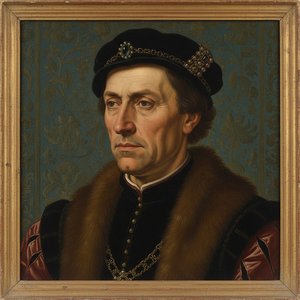
Hans Holbein the Younger: A Renaissance Portraitist's Mastery of Realism & Psychological Insight
Explore the life & art of Hans Holbein the Younger, a Renaissance master renowned for his strikingly realistic portraits and psychological insight. Discover iconic works like 'The Ambassadors' and delve into his lasting legacy.
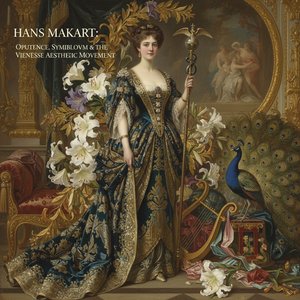
Hans Makart: Opulence, Symbolism & the Viennese Aesthetic Movement
Explore the opulent world of Hans Makart, a pivotal figure in Austrian art history. Discover his influence on Klimt & the Vienna Secession, signature style, and investment potential. Expert insights for collectors.
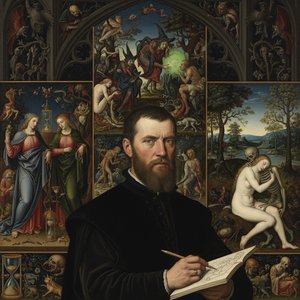
Hans Baldung Grien: A Renaissance Master of Allegory, Innovation & the Grotesque
Explore the captivating world of Hans Baldung Grien, a Renaissance master renowned for his allegorical paintings, striking woodcuts & unique depictions of mythology and the grotesque. Discover his life, works & legacy with ArtsDot.
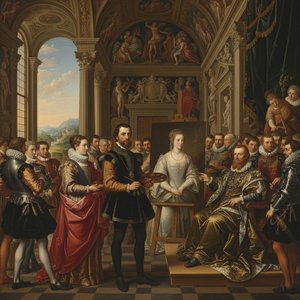
Hans von Aachen: Mannerism's Courtly Visionary & Imperial Portraiture
Explore the captivating world of Hans von Aachen, a leading Mannerist painter renowned for his exquisite imperial portraits & mythological scenes. Discover his legacy and influence on 16th-century European art.
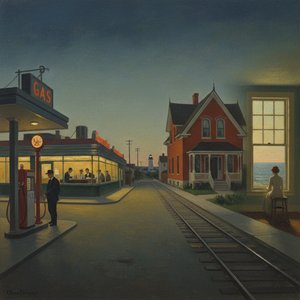
Edward Hopper: 25 Remek-dela Američkog Realizma za Vaš Dom | ArtsDot
Istražite 25 ремек-дела Edward Hopper-a! Otkrijte приче иза његових најпознатијих слика, симболизма америчког реализма и уметничке технике. Купите висококвалитетне репродукције на ArtsDot.com.