

 Pregledaj u prostoru
 Pošalji
 Podeli
 Detalji o delu

 Преузми
 Slični predmeti
 Rendgenski snimak
 Slajdovi
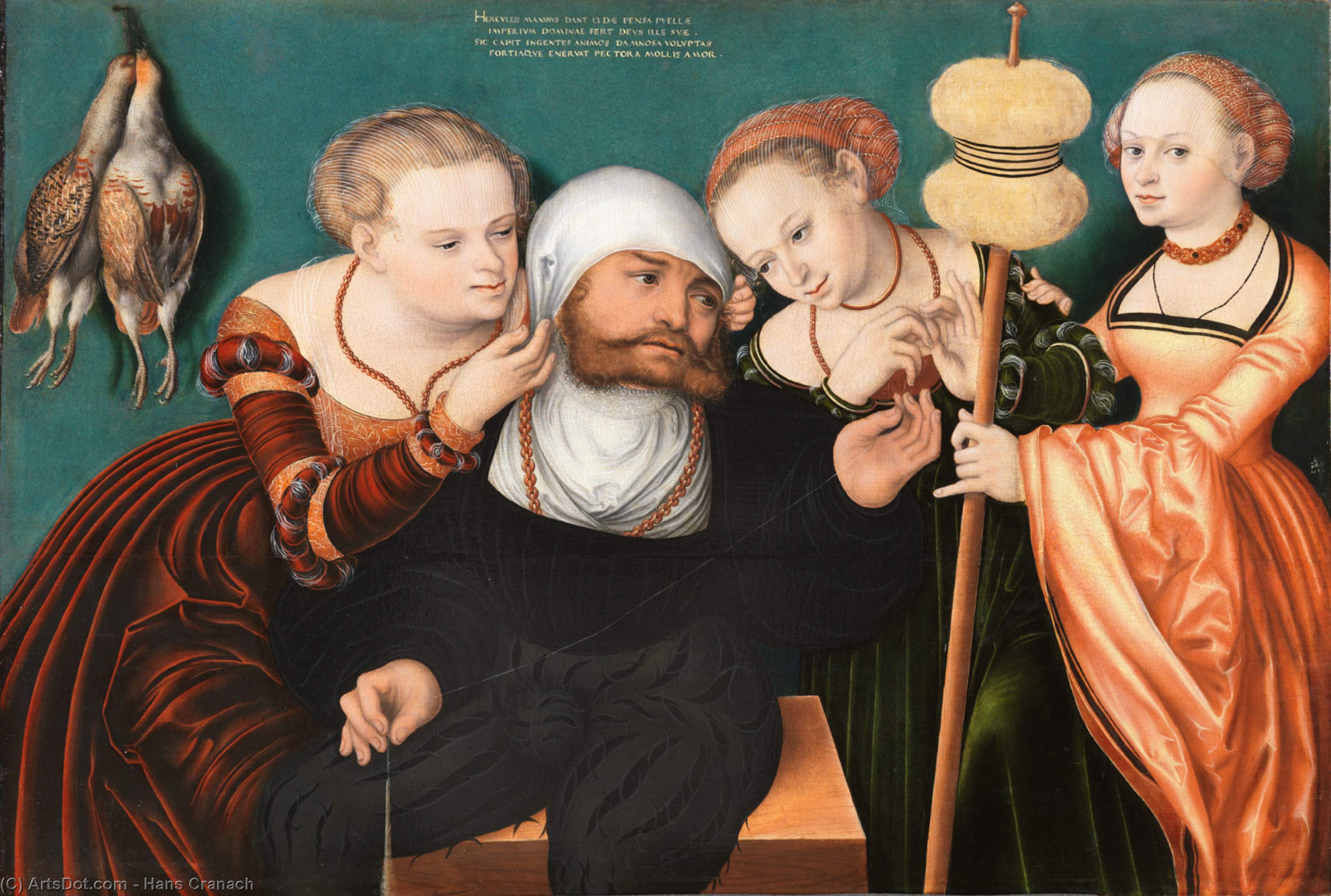
Hercules at the Court of Omphale
 Pročitaj više
Ručno rađena uljana reprodukcija
Ručno oslikano uljanim bojama na platnu u dimenzijama i okviru po vašem izboru, izrađeno po porudžbini od strane naših umetnika. ( Kupi print Kupi digitalnu sliku)




































Izaberite jednu od naših unapred definisanih veličina koje odgovaraju originalnim proporcijama umetničkog dela.

Можете унети сопствене димензије како бисте прилагодили дело одређеном оквиру или простору. Ако одабрана величина не одговара пропорцијама оригинала, слика ће бити исечена или проширена додатним елементима који се ручно насликавају. Дигитални prikaz ће вам бити послат на одобрење пре почетка производње.
Имајте на уму да преглед на екрану не одражава стварно исецање или проширење. Само приказ (mockup) ће тачно приказати коначну композицију.
Иако су доступне прилагођене величине, препоручујемо да одаберете димензију из дефинисане листе како бисте сачували оригиналне пропорције.
Nakon narudžbine, tim ArtsDot.com će klijentu putem e-pošte poslati uputstva i dostaviti prikaz predloženog rešenja
Isporuka širom sveta () za 3/4 nedelje umesto uobičajenih 5 nedelja. (6 септембар). Bez kompromisa po pitanju kvaliteta.

Besplatna ekspresna dostava širom sveta

Visokokvalitetno laneno platno

Kompletno osiguranje transporta

Garancija povraćaja carine i uvoznih dažbina

Garancija vernosti boja

Politika povrata u roku od 100 dana (samo u slučaju nedostataka)

Garancija povrata novca od 100%

Popust pri grupnoj kupovini
 Opcija sa staklom dostupna je samo za dimenzije manje od 110 cm

Hercules at the Court of Omphale
Tehnika reprodukcije
Dimenzije reprodukcije
-


Konačna cena
$ 263
Srodna umetnička dela








Biografija umetnika
Hans Cranach: A Master of German Renaissance Portraiture
Hans Cranach, a figure shrouded in the relative brevity of his life – he died at just 24 – remains one of the most compelling and enigmatic artists of the early German Renaissance. Born in Wittenberg around 1513, he was inextricably linked to the artistic legacy of his father, Lucas Cranach the Elder, a pivotal figure in the Reformation’s visual propaganda. While often overshadowed by his more celebrated father and brother, Hans Cranach carved out a distinct path as a portraitist and mythological painter, demonstrating a remarkable command of technique and a burgeoning artistic vision that belies his short career. His work offers a fascinating glimpse into the evolving aesthetic landscape of 16th-century Germany, blending humanist ideals with regional traditions.Early Training and Family Influence
Hans Cranach’s artistic journey began within the bustling workshop of Lucas Cranach the Elder, a hub of activity in Wittenberg during the Reformation. From an exceptionally young age, he was immersed in the demands of producing altarpieces, illuminated manuscripts, and portraits for a diverse clientele – including prominent religious figures and wealthy merchants. This early apprenticeship provided him with a solid foundation in oil painting techniques, drawing skills, and an understanding of the prevailing artistic styles of the time. Crucially, it also exposed him to the political and religious currents shaping Germany at the dawn of the 16th century. The Cranach workshop was not merely a place of production; it was a center for intellectual discourse and artistic experimentation, fostering a spirit of innovation that undoubtedly influenced Hans’s development. His brother, Lucas Cranach the Younger, continued the family business after his death, carrying on the legacy established by both men.A Distinctive Style: Portraits and Mythological Scenes
Despite the shadow cast by his father's prolific output, Hans Cranach developed a recognizable artistic style characterized by a refined elegance and a subtle psychological depth in his portraits. He frequently depicted bearded men – often identified as members of the Wittenberg elite – with an attention to detail that captured their individual personalities and social standing. His use of light and shadow creates a sense of realism and immediacy, drawing the viewer into the subject’s gaze. Beyond portraiture, Cranach also produced compelling mythological scenes, frequently depicting figures like Hercules and Diana, showcasing his ability to render dynamic action and complex compositions. These works demonstrate an engagement with classical themes while retaining a distinctly German sensibility. The “Portrait of a Bearded Man” and “Hercules at the Court of Omphale,” both housed in the Museo Thyssen-Bornemisza in Madrid, are considered among his most significant achievements, bearing his distinctive monogram "HC."A Brief but Significant Journey to Italy
Around 1537, a pivotal moment occurred in Hans Cranach’s life: he embarked on a journey to Italy. This trip, documented through his sketchbook now held at the Kesner-Museum in Hanover, represents a crucial turning point in his artistic development. The sketchbook reveals an intense study of Italian Renaissance art and architecture, particularly the works of Raphael and Michelangelo. He meticulously copied their techniques and compositions, absorbing the innovations of the era and adapting them to his own style. This exposure to Italian artistic ideals undoubtedly broadened his horizons and informed his later work. Sadly, this journey was tragically cut short; he died in Bologna in 1537, likely during his travels.Legacy and Historical Significance
Despite the brevity of his career, Hans Cranach left a lasting mark on German art history. His portraits are valued for their psychological insight and technical skill, while his mythological scenes offer a compelling representation of Renaissance humanist ideals. His work stands as a bridge between the late Gothic traditions of his father and the burgeoning artistic trends of the High Renaissance. Art historians continue to debate the full extent of his oeuvre, with many works attributed to him based on stylistic analysis and scholarly research. Hans Cranach’s story serves as a poignant reminder that even in the face of early death, an artist can leave behind a legacy of beauty and innovation, contributing significantly to the rich tapestry of German Renaissance art. His work is preserved in museums across Europe, including the Museo Thyssen-Bornemisza in Madrid and the Kesner-Museum in Hanover, ensuring his artistic contributions will continue to be appreciated for generations to come.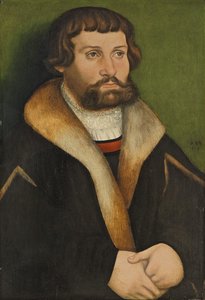
hans cranach
1513 - 1537 , Germany
Osnovne informacije
- Artistic Movement Or Style: German Renaissance
- Artists Who Influenced This Artist: ['Lucas Cranach the Elder],\n "Artists or movements influenced by this artist": ["Lucas Cranach the Younger"]\n}']
- Date Of Birth: ca. 1513
- Date Of Death: 1537
- Full Name: Hans Cranach (Johann Lucas Cranach)
- Nationality: German
- Notable Artworks:
- Portrait of a Prince
- Hercules at the Court of Omphale
- Place Of Birth: Wittenberg, Germany