 Pregledaj u prostoru
 Pošalji
 Podeli
 Detalji o delu

 Преузми
 Slični predmeti
 Rendgenski snimak
 Slajdovi
Знаци за Школског Учитеља


 Pročitaj više
Ručno rađena uljana reprodukcija
Ručno oslikano uljanim bojama na platnu u dimenzijama i okviru po vašem izboru, izrađeno po porudžbini od strane naših umetnika. ( Kupi print Kupi digitalnu sliku)




P118B $10

P118H $10

P118W $10

P438Z $10

P508JH $12

P508YH $12

P805H $10

P805Z $10

P919BZ $10

P919G $10

P919XJ $10

P959ZH $10

P968JZ $12

W106C $8

W218G $10

W218JH $8

W218Y $10

W307PJ $10

W316G $10

W316PJ $8

W316Y $10

W398PJ $8

W4111J $10

W500HY $15

W500JH $15

W692G $12

W849H $8

W940BG $15

W953PJ $8




Izaberite jednu od naših unapred definisanih veličina koje odgovaraju originalnim proporcijama umetničkog dela.

Можете унети сопствене димензије како бисте прилагодили дело одређеном оквиру или простору. Ако одабрана величина не одговара пропорцијама оригинала, слика ће бити исечена или проширена додатним елементима који се ручно насликавају. Дигитални prikaz ће вам бити послат на одобрење пре почетка производње.
Имајте на уму да преглед на екрану не одражава стварно исецање или проширење. Само приказ (mockup) ће тачно приказати коначну композицију.
Иако су доступне прилагођене величине, препоручујемо да одаберете димензију из дефинисане листе како бисте сачували оригиналне пропорције.
Nakon narudžbine, tim ArtsDot.com će klijentu putem e-pošte poslati uputstva i dostaviti prikaz predloženog rešenja
Isporuka širom sveta () za 3/4 nedelje umesto uobičajenih 5 nedelja. (23 август). Bez kompromisa po pitanju kvaliteta.

Besplatna ekspresna dostava širom sveta

Visokokvalitetno laneno platno

Kompletno osiguranje transporta

Garancija povraćaja carine i uvoznih dažbina

Garancija vernosti boja

Politika povrata u roku od 60 dana (samo u slučaju nedostataka)

Garancija povrata novca od 100%

Popust pri grupnoj kupovini
 Opcija sa staklom dostupna je samo za dimenzije manje od 110 cm

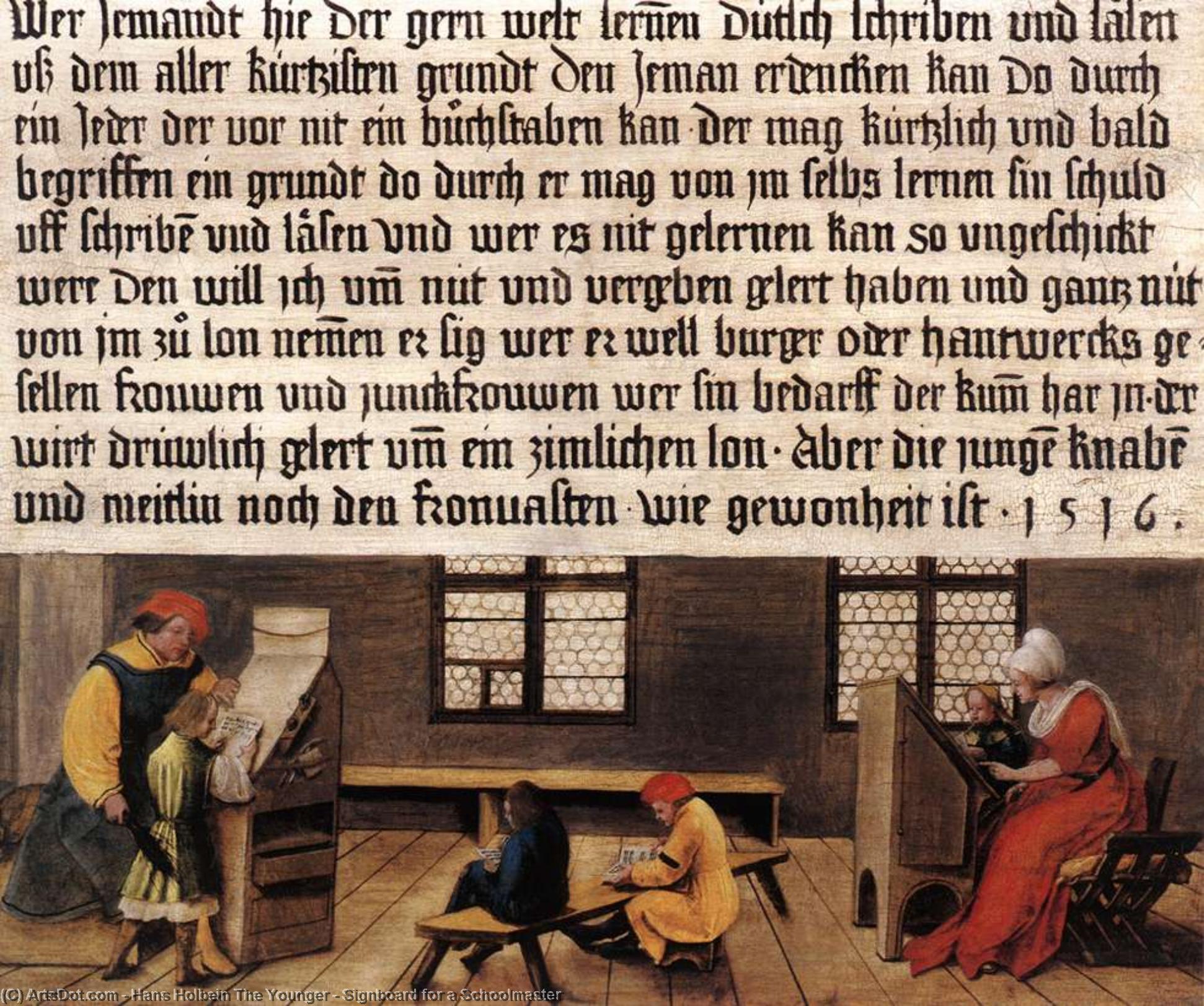
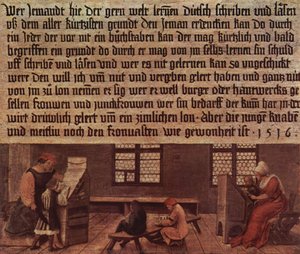
Знаци за Школског Учитеља
Tehnika reprodukcije
Dimenzije reprodukcije
-


Konačna cena
$ 263
Opis umetničkog dela
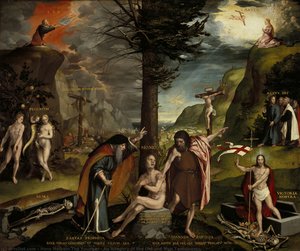
The Enduring Wisdom of Education: Hans Holbein’s ‘Signboard for a Schoolmaster’
Hans Holbein the Younger's “Signboard for a Schoolmaster,” painted in 1516, is far more than a simple advertisement; it’s a meticulously crafted tableau brimming with Renaissance ideals and profound human observation. This oil-on-panel masterpiece, now housed within the Mauritshuis collection in The Hague, offers a captivating glimpse into the burgeoning importance of education during a period of immense intellectual and cultural transformation. The painting depicts a schoolmaster, formally dressed and radiating authority, holding aloft a sign bearing an inscription that speaks directly to the potential of all learners – a message as relevant today as it was five centuries ago.
Holbein’s genius lies not merely in his technical skill—though undeniably masterful—but in his ability to imbue a seemingly straightforward scene with layers of meaning. The composition is carefully balanced, drawing our eye first to the schoolmaster himself. His posture is upright and confident, his gaze direct and commanding. He isn't simply teaching; he’s embodying the very essence of knowledge and guidance. Around him sit three individuals: a young man engrossed in reading, a woman attentively listening, and a boy diligently copying letters. Each figure possesses a distinct expression, reflecting their engagement with the learning process – a subtle interplay of curiosity, concentration, and nascent understanding.
The historical context surrounding “Signboard for a Schoolmaster” is crucial to appreciating its significance. The early 16th century witnessed a renewed interest in classical learning and humanism, fueled by the rediscovery of ancient texts and philosophies. Education was increasingly viewed as a pathway to individual fulfillment and societal progress. Holbein’s painting directly reflects this shift, celebrating the transformative power of literacy and intellectual pursuit. The inscription on the sign – “Whoever wishes to learn may come” – underscores this belief, asserting that knowledge is accessible to all, regardless of social standing or gender.
Holbein's artistic technique is a testament to his mastery of oil painting. He employs a sophisticated use of light and shadow (chiaroscuro) to create depth and realism, lending a tangible quality to the figures and their surroundings. Note particularly the subtle gradations in color – the rich tones of the schoolmaster’s robes, the muted hues of the background – which contribute to the painting's overall sense of atmosphere and sophistication. His attention to detail is remarkable; from the folds of the clothing to the texture of the parchment, every element is rendered with painstaking precision. The faces are particularly striking, capturing a range of emotions and expressions that convey both intelligence and earnestness.
Beyond its immediate subject matter, “Signboard for a Schoolmaster” can be interpreted as a meditation on human potential and the role of education in shaping individuals and societies. The schoolmaster represents not just an instructor but also a mentor – a figure who guides and inspires those under his care. The painting subtly suggests that learning is not merely about acquiring facts, but about cultivating wisdom, virtue, and a lifelong pursuit of knowledge. It’s a powerful reminder of the enduring value of education and its capacity to transform lives.
The Artist: Hans Holbein the Younger – A Portraitist of His Time
Hans Holbein the Younger (1497-1543) stands as one of the most celebrated figures of the Northern Renaissance, renowned primarily for his portraits but also for his religious works and intricate woodcuts. Born in Augsburg, Germany, he benefited from a strong artistic lineage – his father, Hans Holbein the Elder, was a respected painter and printmaker. This familial connection provided Holbein with an invaluable foundation in technique and observation, shaping his distinctive style.
Holbein’s early career involved working as a designer for stained glass windows and woodcuts, honing his skills in draftsmanship and composition. He gained considerable experience in Basel, Switzerland, where he collaborated with the printer Johann Froben, producing illustrations for numerous books. These early works demonstrate Holbein's burgeoning talent for capturing human likeness and conveying subtle nuances of personality.
His move to England in 1526 marked a pivotal moment in his career. Invited by Thomas More, he quickly established himself as a sought-after portraitist, producing iconic images of Erasmus, More himself, and other prominent figures of the era. King Henry VIII subsequently appointed Holbein as King’s Painter, affording him access to the royal court and allowing him to create some of his most celebrated works – including portraits of Anne Boleyn and Catherine Parr.
Holbein's artistic style is characterized by its realism, psychological insight, and meticulous attention to detail. He was a master of capturing the essence of his subjects, imbuing their portraits with a sense of character and personality. His work reflects both the influence of Italian Renaissance art – particularly Leonardo da Vinci – and the prevailing humanist ideals of his time.
A Detailed Examination of Technique & Symbolism
The painting’s technical brilliance is immediately apparent in Holbein's masterful use of oil paint. He employs a layering technique, building up color gradually to achieve rich textures and subtle gradations of tone. The lighting is carefully controlled, creating a sense of depth and volume within the scene. Note how the light falls across the schoolmaster’s face, highlighting his features and conveying an impression of authority and wisdom.
Beyond its technical merits, “Signboard for a Schoolmaster” is rich in symbolism. The sign itself represents the act of learning and the dissemination of knowledge. The inscription – "Whoever wishes to learn may come" – serves as a direct invitation to education. The three individuals around the schoolmaster can be interpreted as representing different social groups – the young man, the woman, and the boy – all benefiting from the same opportunity for intellectual growth.
Furthermore, the setting—a simple classroom with basic furnishings—underscores the accessibility of learning. It’s a deliberately unadorned space, suggesting that knowledge is not dependent on lavish surroundings but rather on the dedication and guidance of a skilled teacher. The inclusion of books further reinforces this message, symbolizing the tools and resources necessary for intellectual development.
Bringing ‘Signboard for a Schoolmaster’ to Life: Reproduction Options
ArtsDot offers exquisite hand-painted reproductions of Hans Holbein the Younger's “Signboard for a Schoolmaster,” meticulously recreating every brushstroke and nuance of the original painting. Our skilled artists, trained in traditional techniques, painstakingly replicate Holbein’s masterful use of color, light, and shadow, ensuring that your reproduction captures the essence of this iconic artwork.
We offer reproductions in a variety of sizes and materials to suit your individual needs and preferences. From luxurious canvas prints to museum-quality framed editions, we provide options for every budget and aesthetic. Each reproduction is created with archival-grade pigments and materials, guaranteeing its longevity and vibrancy for generations to come.
Explore our collection of Holbein reproductions at ArtsDot.com and discover the perfect way to bring this timeless masterpiece into your home or office. For further information about Hans Holbein the Younger, visit ArtsDot.com or explore resources like Wikipedia: Wikipedia.
Srodna umetnička dela
Biografija umetnika
Жаном Холбином Млађим: Мајстор Реализма и Портрета
Жан Холбин Млађи, рођен отприлике 1497. године у Аугзбургу, Немачка, био је више од самог сликара; он је био хроничар епохе, мајстор портрета чији су делови и данас дишу животом и откривају тајне своје епохе. Породична традиција уметности, са оцем Жаном Холбином Старијим као угледног сликара и гравера, положила је основу за његову изузетну каријеру. Али није то било само наслеђе – била је то неумокла посвећеност детаљу, способност да види не само изглед, већ и суштину човека, што га је издвојило од осталих. У раним годинама, у заједничкој радионици са оцем и братом Амброзијусом, Холбин је усвајао основе заната, али брзо је показао да поседује нешто више – дар да пренесе на платно не само слику, већ и душу.Од Базела до Енглеске Дворске Сцене: Узлетање Звезде
После завршетка ученичког стажа, Холбин је кренуо у путовања која су обликовала његов стил и проширила његову репутацију. Базел, град културног цветања, постао је његова прва велика сцена, где је стварао не само портрете, већ и религијска дела, те сложене дрворезе за књиге. Управо ту се родила чувена серија "Плес смрти", дело које открива Холбинову способност да ухвати мрачну поезију живота и неизбежност краја. Али судбина је имала нешто друго у виду – позив на Енглеску, земљу која ће постати његов дом и где ће доћи до пуног испуњења његовог талента. Помоћу препоруке од ренесансног хуманисте Еразма Ротердамског, Холбин је ушао у круг енглеске интелигенције, брзо освајајући срца и патронате угледних личности, укључујући сира Томаса Мора. Ово је била прекретница – од тада је Холбин постао омиљени сликар енглеског краљевског двора, а његови портрети су украшавали палате и замкове.Уметност Перцепције: Стил и Мајсторска Дела
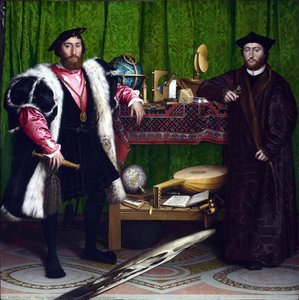
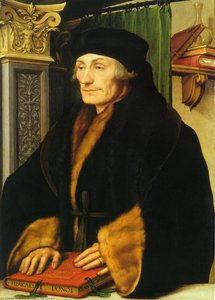
Холбинов стил се одликује изузетном посвећеношћу реализму, постигнутом кроз неуморан рад на детаљима у представљању тканина, материјала и суптилних нијанси лица. Он није само сликао портрете; он их је пажљиво конструисао, слој по слој, настојећи да ухвати не само физички изглед, већ и личност и унутрашњи свет својих модела. Иновативне композиције додатно су нагласиле ефекат његовог рада, често користећи симболичне предмете или позадине како би пренео дубље значење. "Амбасадори" (1533) је сведочанство о овоме – комплексно и синолитично богато дело које демонстрира Холбинову техничку бриљијантност и интелектуалну дубину. Скривени аморфни лобос у слици служи као моћан *memento mori*, подсећајући гледаоце на неизбежност смрти. Његови бројни портрети Хенрија VIII успоставили су трајну слику туторске моћи, док је његов портрет Еразма Ротердамског ухватио дубински интелектуални грациозност учења.Наслеђе и Утицај: Трајан Утисак
Холбинов уметнички пут био је обликован спојем различитих утицаја, спајајући прецизност немачке уметничке традиције са композиционим принципима ренесансе. Ценио је дело Албрехта Дирера и других немачких мајстора, док је током путовања усвојио италијанску уметност, интегришући њену технику у свој јединствени стил. Холбиново наслеђе је огромно; његови портрети су успоставили нови стандард реализма и психолошке проницљивости у портретној сликарској уметности, инспиришући генерације уметника који су дошли после њега. Његова дела пружају непроцењиве увиде у животе и личности кључних фигура током туторске епохе. Он није само забележио изглед – он је сачувао тренутке у времену, очувавши их за потомство.Завршна Повлачење: Историјски Значај
Жан Холбин Млађи преминуо је у Лондону 1543. године, оставивши иза себе дела која и данас опчињавају публику вековима касније. Његови портрети су више од лепих слика; они су историјски документи који нуде проблеске у политичке интриге, религиозна преображења и културне промене туторске епохе.- Његове представе Хенрија VIII постале су моћни симболи краљевске власти.
- Портретирање угледних хуманиста као што је Еразмо пружа увид у животе и мисли водећих интелектуалаца свог доба.
- Иновативно коришћење симболе додаје слојеве значења његовом раду, позивајући гледаоце да размишљају о дубљим темама.
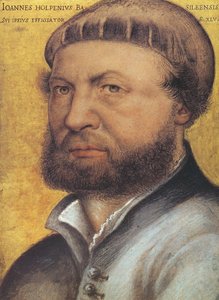
Hans Holbajn Mlađi
1497 - 1543 , Немачка
Osnovne informacije
- Datum Rođenja: oko 1497.
- Datum Smrti: 1543.
- Mesto Rođenja: Augsburg, Nemačka
- Nacionalnost: Nemačko-švajcarska
- Puno Ime: Hans Holbein Mlađi
- Umetnički Pokret: Severna Renesansa
- Uricali Su Na: ['Kasniji portreti']
- Uticali Na Njega: ['Albrecht Dürer']
- Značajna Dela:
- Poslanici
- Portret Henrika VIII
- Portret Erazma Roterdamskog
- Nikolaus Kratzer
Povezani članci

The Enduring Legacy of Oil on Canvas: Technique, History & Aesthetic Impact
Explore the rich history & techniques of oil painting – from Renaissance masters to Impressionism. Discover pigments, layering methods, and why this timeless medium endures. Expert insights for artists & art enthusiasts.

Oil on Canvas: A Historical & Technical Exploration of a Timeless Artistic Medium
Explore the rich history & enduring techniques of oil painting on canvas. Discover the science behind its longevity, conservation practices, and contemporary relevance. Expert insights for art enthusiasts.

The Enduring Power of Painting: A Historical & Contemporary Exploration of Form and Emotion
Explore the rich history & enduring techniques of oil painting with ArtsDot. Discover masterpieces, learn about art collecting, and find authentic handmade reproductions crafted by skilled artists.

Trajnu Ostavština Uljanih Boja na Platnu: Tehnika, Istorija i Savremena Praksa
Istražite bogatu istoriju i savremene tehnike uljanog slikarstva. Saveti stručnjaka, analiza radova velikih majstora i vodiči za biranje kvalitetnih materijala. Otkrijte tajne očuvanja umetničkih dela!
Prodajte Digitalnu Sliku kao Uljuenu Reprodukciju – Automatski Izračunajte Cenu, Postavite Maržu i Zaradite na Svakoj Prodaji za NFT Kolekcionare
Umetnost na dohvat ruke: prodajte digitalnu sliku kao uljenu reprodukciju uz automatski izračun cene, postavljanje marže i pouzdanu ArtsDot garanciju. Ekspertizna podrška, transparentni proces i vrednost za NFT kolekcionare.
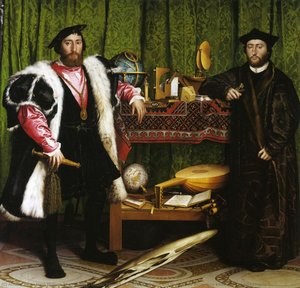
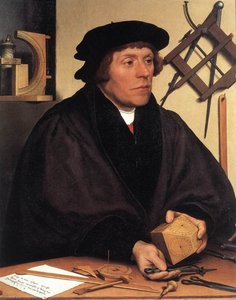

![Dupli portret Жана де Дентивила и Жоржа де Селва (poznat i kao „Амбасадори“) [detalj]](/media/artworks/images-thumb/42/81/42813dc49b2f72bce897aaf8b747ad5b.jpg)