

 Pregledaj u prostoru
 Pošalji
 Podeli
 Detalji o delu

 Преузми
 Slični predmeti
 Rendgenski snimak
 Slajdovi
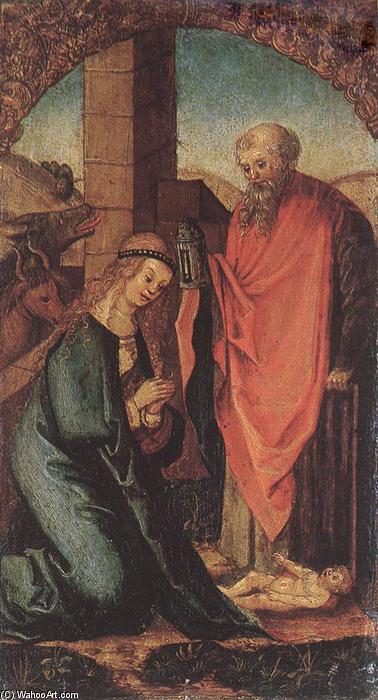
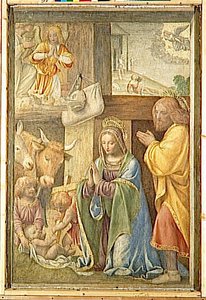
The Birth of Christ
 1505
1505 27.0 x 15.0 cm
 Christian Museum
 Pročitaj više
Giclee štampa / Umetnički otisak
Giclée štampa ili print na platnu muzejskog kvaliteta uz brzu proizvodnju i fleksibilne opcije završne obrade. ( Kupi ručno naslikanu sliku Kupi digitalnu sliku)




































Izaberite jednu od naših unapred definisanih veličina koje odgovaraju originalnim proporcijama umetničkog dela.

Možete uneti sopstvene dimenzije kako biste umetničko delo prilagodili specifičnom okviru ili prostoru. Ako odabrani format ne odgovara proporcijama originalne slike, mi ćemo ili iscrtati deo dela ili proširiti sliku pomoću ogledane ivice ili jednobojnog popunjavanja. Digitalni prikaz će vam biti poslat na odobrenje pre početka proizvodnje.
Imajte na umu da pregled na ekranu ne odražava stvarno iscrtavanje ili proširivanje. Samo će prikaz (mockup) precizno pokazati finalnu kompoziciju.
Iako su prilagođene dimenzije dostupne, preporučujemo da odaberete dimenziju sa unapred definisane liste kako biste očuvali originalne proporcije.
Dostava širom sveta () za 2 nedelje umesto uobičajenih 4/5 nedelja. (4 септембар)

Besplatna ekspresna dostava širom sveta

Visokokvalitetno laneno platno

Kompletno osiguranje transporta

Garancija povraćaja carine i uvoznih dažbina

Garancija vernosti boja

Politika povrata u roku od 60 dana (samo u slučaju nedostataka)

Garancija povrata novca od 100%

Popust pri grupnoj kupovini
 Opcija sa staklom dostupna je samo za dimenzije manje od 110 cm

The Birth of Christ
Giclee štampa / Umetnički otisak
Dimenzije reprodukcije
-


Konačna cena
$ 62
Composition and Symbolism
In the foreground, there are three main figures: on the left, a woman kneeling beside a baby lying on the ground; in the center, an older man standing with his hand raised as if blessing or greeting; and on the right, another figure that seems to be a young boy holding what could be interpreted as a lantern. The woman is dressed in a blue robe, which is often associated with Mary in religious art of this period. The background features architectural elements such as a brick wall and a window, suggesting an indoor setting. There are also two animals present: a horse on the left side and what appears to be a cow or ox on the right, both common motifs in depictions of the Nativity.Artistic Style and Influences
The painting is characterized by its detailed figures and realistic setting, reflecting the artistic conventions of the time. Hans Leonhard Schaufelein was a prominent artist of the Northern Renaissance, and his work was influenced by other notable artists such as El Greco. The Birth of Christ is a prime example of the artist's skill in capturing the essence of religious scenes. For more information on Hans Leonhard Schaufelein and his works, visit Hans Leonhard Schaufelein's page on ArtsDot.com.- The painting is housed in the Christian Museum (Esztergom, Hungary), which features an impressive collection of art from the Renaissance period.
- Hans Leonhard Schaufelein also created other notable works, including The Circumcision of Christ and The Agony in the Garden, which can be found on ArtsDot.com.
- For a deeper understanding of the Northern Renaissance and its artists, visit Wikipedia's page on the Northern Renaissance.
To explore more artworks from the Renaissance period, visit ArtsDot.com, which offers a wide range of handmade oil paintings reproductions and prints on canvas.
Srodna umetnička dela
![Life Of Saint Francis - [04] - Death And Ascension Of St Francis — Đijoto Di Bondone, Italian Renaissance](/media/artworks/images-thumb/08/8b/088b102b13c1a379233690905590f156.jpg)
Biografija umetnika
The Nuremberg Crucible: A Convergence of Masters
In the vibrant, bustling heart of Nuremberg, a city poised at the intersection of commerce and culture, Hans Leonhard Schäufelein emerged as a defining voice of the German Renaissance. Born around 1480, his early years were steeped in an atmosphere of unparalleled artistic excellence. He was a child of a milieu shaped by the expressive intensity of Matthias Grünewald and the meticulous craftsmanship of Johann Wohlgemut.
Yet, perhaps no figure loomed larger over his formative development than Albrecht Dürer. As an assistant to Dürer, Schäufelein did more than merely learn a trade; he absorbed a revolutionary approach to precision and compositional balance that would become the hallmark of his mature style. This period of apprenticeship allowed him to bridge the gap between the lingering Gothic traditions and the burgeoning humanist ideals of the High Renaissance, creating a unique aesthetic that married Flemish delicacy with Northern German strength.
A Symphony of Light and Devotion
Schäufelein’s brushwork tells a story of profound spiritual depth and technical mastery. His religious compositions, such as the celebrated altarpiece for Ober Sankt Veit or his poignant depictions of The Birth of Christ and The Circumcision of Christ, reveal an artist capable of capturing the divine through the lens of human emotion. Through the skillful application of chiaroscuro, he sculpted figures out of shadow, lending a breathtaking three-dimensionality to his subjects.
In works like his Portrait of a Man, one can observe how he utilized muted palettes and subtle shading to convey dignity and intellect, reflecting the humanist spirit of his age. His ability to render textures—the softness of skin, the weight of fabric, the coldness of stone—demontains a level of observation that placed him among the elite painters of his era. Whether painting on wood or canvas, his focus remained on the interplay of light and the quiet gravity of his subjects.
The Precision of the Woodcut and the Imperial Vision
Beyond the confines of the easel, Schäufelein proved himself a formidable master of the graphic arts. His talent for wood engraving allowed him to reach audiences far beyond the altarpieces of local churches. Working on major print commissions for Emperor Maximilian I, he contributed to the visual splendor of works like the Weisskunig and the Theuerdank.
His skill in this medium is perhaps most vividly seen in the Tiegeraltar for St. George’s Church in Nordlingen, where his ability to weave dramatic narratives through stark, powerful lines remains a testament to his vision. Whether designing intricate playing cards or executing complex woodcuts, Schäuflein possessed an innate ability to translate grand historical and mythological themes into striking, accessible imagery that resonated across the Holy Roman Empire.
A Legacy of Grace and Detail
The journey of Hans Leonhard Schäufelein represents a vital chapter in the history of European art, marking the moment when Nuremberg's craftsmanship met the intellectual rigor of the Renaissance. His legacy is defined by:
- Artistic Synthesis: The seamless blending of Flemish precision with German expressive power.
- Technical Innovation: The advancement of woodcut techniques for both imperial propaganda and religious instruction.
- Humanist Expression: A focus on the dignity of the individual through masterful portraiture and emotive religious scenes.
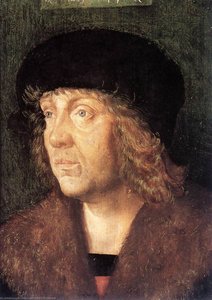
Hans Leonhard Schäufelein
1480 - 1540 , Germany
Osnovne informacije
- Artistic Movement Or Style: Flemish Primitive
- Artists Or Movements Influenced By This Artist: ['Albrecht Dürer']
- Artists Who Influenced This Artist: ['Joachim Wohlgemut']
- Date Of Birth: Nuremberg, Germany (1480)
- Date Of Death: 1540
- Full Name: Hans Leonhard Schäufelein
- Nationality: German
- Notable Artworks:
- Scenes from the Life of Christ
- St. Jerome
- Ziegler Altar
- Judith
- Psalter for Ottingen
- Playing Card Deck
- Place Of Birth: Nuremberg

