

 Pregledaj u prostoru
 Pošalji
 Podeli
 Detalji o delu

 Преузми
 Slični predmeti
 Rendgenski snimak
 Slajdovi
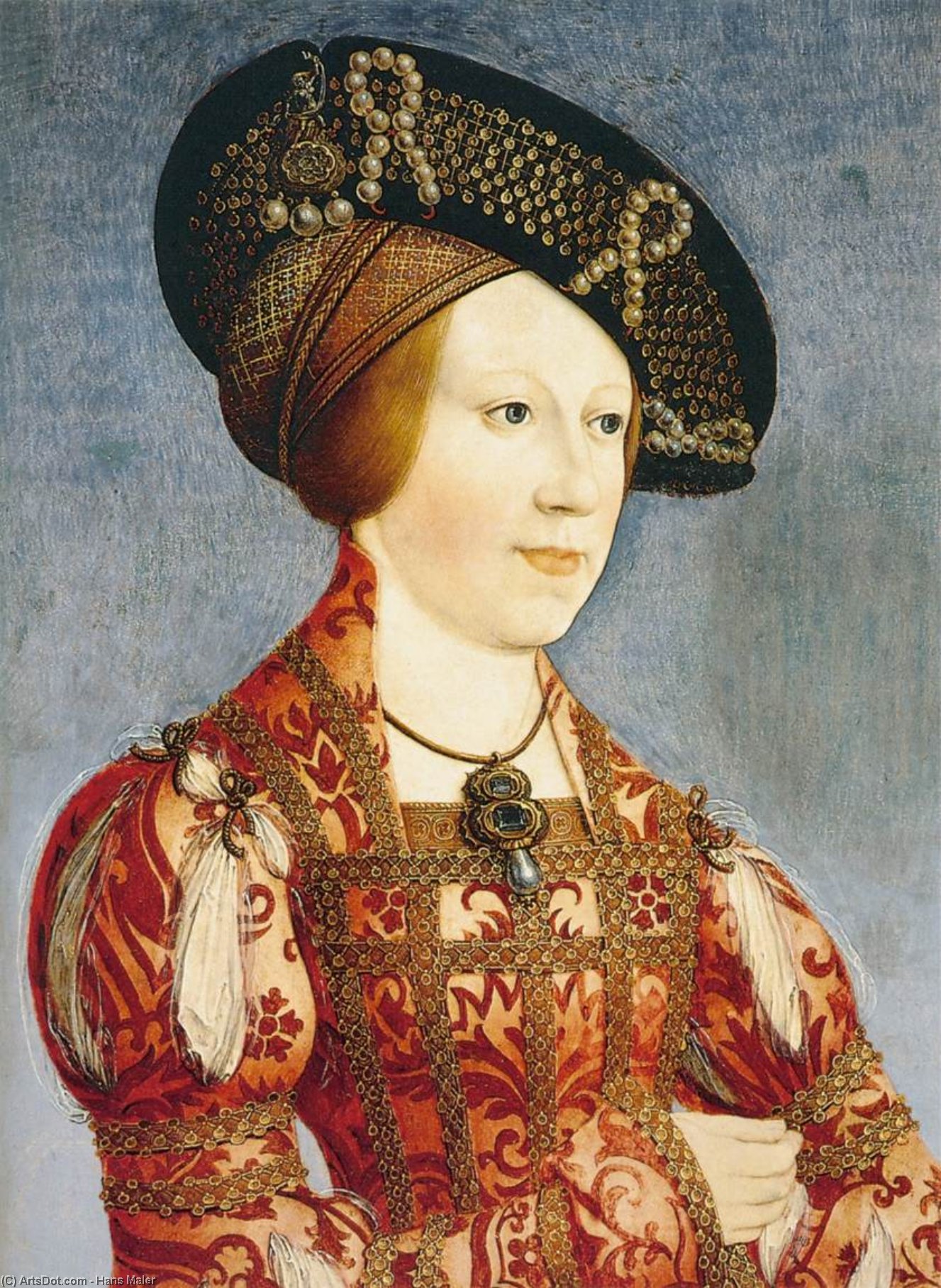
Queen Anne of Hungary and Bohemia
 Oil On Canvas
- WallArt
- Renaissance
 1519
1519- Renaissance
 44.0 x 33.0 cm
 Museo Thyssen-Bornemisza
 Pročitaj više
Ručno rađena uljana reprodukcija
Ručno oslikano uljanim bojama na platnu u dimenzijama i okviru po vašem izboru, izrađeno po porudžbini od strane naših umetnika. ( Kupi print Kupi digitalnu sliku)




P118B $10

P118H $10

P118W $10

P438Z $10

P508JH $12

P508YH $12

P805H $10

P805Z $10

P919BZ $10

P919G $10

P919XJ $10

P959ZH $10

P968JZ $12

W106C $8

W218G $10

W218JH $8

W218Y $10

W307PJ $10

W316G $10

W316PJ $8

W316Y $10

W398PJ $8

W4111J $10

W500HY $15

W500JH $15

W692G $12

W849H $8

W940BG $15

W953PJ $8




Izaberite jednu od naših unapred definisanih veličina koje odgovaraju originalnim proporcijama umetničkog dela.

Можете унети сопствене димензије како бисте прилагодили дело одређеном оквиру или простору. Ако одабрана величина не одговара пропорцијама оригинала, слика ће бити исечена или проширена додатним елементима који се ручно насликавају. Дигитални prikaz ће вам бити послат на одобрење пре почетка производње.
Имајте на уму да преглед на екрану не одражава стварно исецање или проширење. Само приказ (mockup) ће тачно приказати коначну композицију.
Иако су доступне прилагођене величине, препоручујемо да одаберете димензију из дефинисане листе како бисте сачували оригиналне пропорције.
Nakon narudžbine, tim ArtsDot.com će klijentu putem e-pošte poslati uputstva i dostaviti prikaz predloženog rešenja
Isporuka širom sveta () za 3/4 nedelje umesto uobičajenih 5 nedelja. (25 август). Bez kompromisa po pitanju kvaliteta.

Besplatna ekspresna dostava širom sveta

Visokokvalitetno laneno platno

Kompletno osiguranje transporta

Garancija povraćaja carine i uvoznih dažbina

Garancija vernosti boja

Politika povrata u roku od 60 dana (samo u slučaju nedostataka)

Garancija povrata novca od 100%

Popust pri grupnoj kupovini
 Opcija sa staklom dostupna je samo za dimenzije manje od 110 cm

Queen Anne of Hungary and Bohemia
Tehnika reprodukcije
Dimenzije reprodukcije
-


Konačna cena
$ 263
Opis umetničkog dela
The Regal Gaze: An Encounter with Queen Anne of Hungary and Bohemia
To stand before this portrait is to step directly into the opulent, charged atmosphere of the early sixteenth century. The subject, identified as Queen Anne of Hungary and Bohemia, commands attention not merely through her exquisite attire, but through the profound gravity held within her gaze. Painted around 1519, this work by Hans Maler captures a moment of immense historical weight, presenting royalty with an almost formidable dignity. She is enveloped in the rich textures of Renaissance fashion—a striking red gown accented with shimmering gold trim, offset dramatically against the cool expanse of the blue background. Every element, from the delicate ruffles at her collar to the visible jewels adorning her bodice, speaks of immense wealth and established power.
Mastery of the Habsburg Portrait Tradition
Hans Maler zu Schwaz was a painter deeply embedded in the courtly life surrounding the powerful Habsburg dynasty. His career positioned him as a master chronicler of aristocratic grandeur. This portrait exemplifies his signature style: the formal, yet intensely personal, bust depiction. Maler possessed an uncanny ability to translate the stiff formality required by high court patronage into something that still resonates with human emotion. The technique employed suggests meticulous oil painting on panel or canvas, allowing for the deep saturation of the red and blue pigments while retaining the subtle luminosity necessary to make the gold accents appear almost alive. It is a testament to the period's dedication to portraiture as both an art form and a political statement.
Symbolism in Silk and Stone
The symbolism woven into Queen Anne’s presentation is rich for the discerning collector. The vibrant red, historically associated with passion, power, and nobility, dominates her figure, while the deep blue background often suggests heavenly favor or enduring stability. Her stern expression is not one of displeasure, but rather one of profound responsibility—the weight of ruling two significant realms. The jewels scattered across her garments are more than mere decoration; they function as visual signifiers of lineage, alliances, and accumulated prestige. Owning a reproduction of this piece allows one to incorporate such potent historical symbolism into a modern interior space, lending an air of timeless, aristocratic gravitas.
Bringing Renaissance Majesty Home
For the art lover or designer seeking a focal point imbued with history and unparalleled elegance, this painting offers profound depth. The contrast between the vivid, warm tones of her dress and the cool, expansive blue background ensures that even in reproduction, the visual impact remains startlingly potent. It is a piece that demands contemplation; one cannot simply glance at it and move on. Instead, the viewer is invited to pause, to consider the political currents and personal fortitude embodied by this magnificent queen. Reproducing such a work allows you to curate an environment that whispers tales of Renaissance courts, transforming any room into a gallery worthy of royalty.
Srodna umetnička dela
Biografija umetnika
The Imperial Visionary: The Life and Legacy of Hans Maler zu Schwaz
In the heart of the Renaissance, amidst the bustling mining wealth of the Tyrolean Alps, the brush of Hans Maler zu Schwaz captured more than mere likeness; he immortalized the very essence of power. Born in the historic German city of Ulm around 1480, Maler’s artistic journey was deeply rooted in the prestigious traditions of the Ulm School. It is widely believed by scholars that his early training was shaped by the influence of Bartholomäus Zeitblom, a master whose precision and delicate handling of form provided the foundation upon which Maler would build his reputation as the preeminent portraitist of the Habsburg court.
While his origins lay in Ulm, Maler’s career found its true resonance in the industrious town of Schwaz. This location, a vital hub for the Habsburg dominion, placed him at the crossroads of European politics and commerce. Here, he transitioned from a student of German tradition to a sophisticated chronicler of the era's most formidable figures. His work became a visual testament to the stability and grandeur of the reigns of Maximilian I and Ferdinand I, serving as a bridge between the late Gothic sensibilities and the burgeoning humanism of the Renaissance.
A Mastery of Restraint and Dignity
What distinguishes Maler from the more flamboyant portraitists of his age is his profound commitment to a restrained, almost monastic aesthetic. He favored the bust portrait format, a choice that stripped away the distractions of sprawling landscapes or theatrical gestures to focus entirely on the psychological presence of his subjects. In his hands, the canvas became a space for quiet contemplation. His technique was characterized by an unwavering dedication to meticulous observation, where every subtle crease of skin and every fold of heavy velvet spoke of the subject's status and character.
There is a haunting quality to his compositions, often achieved through a deliberate lack of direct eye contact between the sitter and the viewer. This technique creates a sense of regal composure, suggesting that the subjects are lost in deep, intellectual thought or perhaps burdened by the weight of their imperial responsibilities. By eschewing expressive movement, Maler achieved a timelessness; his portraits do not merely capture a moment in time, but rather an enduring state of being. This stylistic discipline allowed him to convey the solemnity required by his high-ranking patrons, turning simple portraits into icons of authority.
Patronage and the Documentation of an Era
The historical significance of Hans Maler zu Schwaz is inextricably linked to the prestigious circles he navigated. His ability to secure commissions from the highest echelons of European nobility—most notably the Habsburg dynasty—cemented his place in art history. Through works such as his portraits of Ferdinand de Habsburg and Queen Anne of Hungary and Bohemia, Maler provided the visual vocabulary for imperial propaganda, projecting an image of elegance, strength, and legitimacy across the continent.
However, Maler’s reach extended beyond the royal palace into the burgeoning world of the merchant class. His involvement in documenting the lives of prominent figures like the Fugger family demonstrates his versatility and his role as a chronicler of the era's economic shifts. Through his art, we see the intersection of old nobility and new wealth, captured with the same level of meticulous detail and dignity. His legacy remains a vital window into the 16th century, offering us a profound look at the faces that shaped the political and social landscape of the Holy Roman Empire.
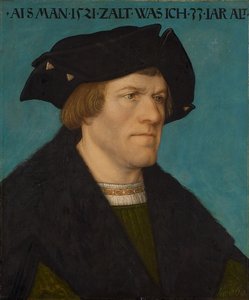
hans maler
1480 - 1530 , Germany
Osnovne informacije
- Artistic Movement Or Style: Renaissance Portraits
- Artists Or Movements Influenced By This Artist: ['German Renaissance']
- Artists Who Influenced This Artist: ['Bartholomäus Zeitblom']
- Date Of Birth: Ulm, Germany (1480)
- Full Name: Hans Maler zu Schwaz
- Nationality: German
- Notable Artworks:
- Portrait of Ferdinand de Habsburg
- Sebastian Andorfer (1469–1537)
- Ulrich Fugger the Younger (1490–1525)
- Place Of Birth: Ulm
Povezani članci

Crimson Threads of Narrative: Exploring Symbolism & Representation in Artworks Featuring the Red Dress
Explore the rich symbolism of the red dress in art history! From ancient power displays to iconic portraits like Cézanne’s 'Madame Cezanne', discover the cultural and artistic significance behind this captivating color. Expert analysis & insights.

The Enduring Legacy of Oil on Canvas: Technique, History & Aesthetic Impact
Explore the rich history & techniques of oil painting – from Renaissance masters to Impressionism. Discover pigments, layering methods, and why this timeless medium endures. Expert insights for artists & art enthusiasts.

Oil on Canvas: A Historical & Technical Exploration of a Timeless Artistic Medium
Explore the rich history & enduring techniques of oil painting on canvas. Discover the science behind its longevity, conservation practices, and contemporary relevance. Expert insights for art enthusiasts.

The Enduring Power of Painting: A Historical & Contemporary Exploration of Form and Emotion
Explore the rich history & enduring techniques of oil painting with ArtsDot. Discover masterpieces, learn about art collecting, and find authentic handmade reproductions crafted by skilled artists.

Trajnu Ostavština Uljanih Boja na Platnu: Tehnika, Istorija i Savremena Praksa
Istražite bogatu istoriju i savremene tehnike uljanog slikarstva. Saveti stručnjaka, analiza radova velikih majstora i vodiči za biranje kvalitetnih materijala. Otkrijte tajne očuvanja umetničkih dela!

