

 Pregledaj u prostoru
 Pošalji
 Podeli
 Detalji o delu

 Преузми
 Slični predmeti
 Rendgenski snimak
 Slajdovi
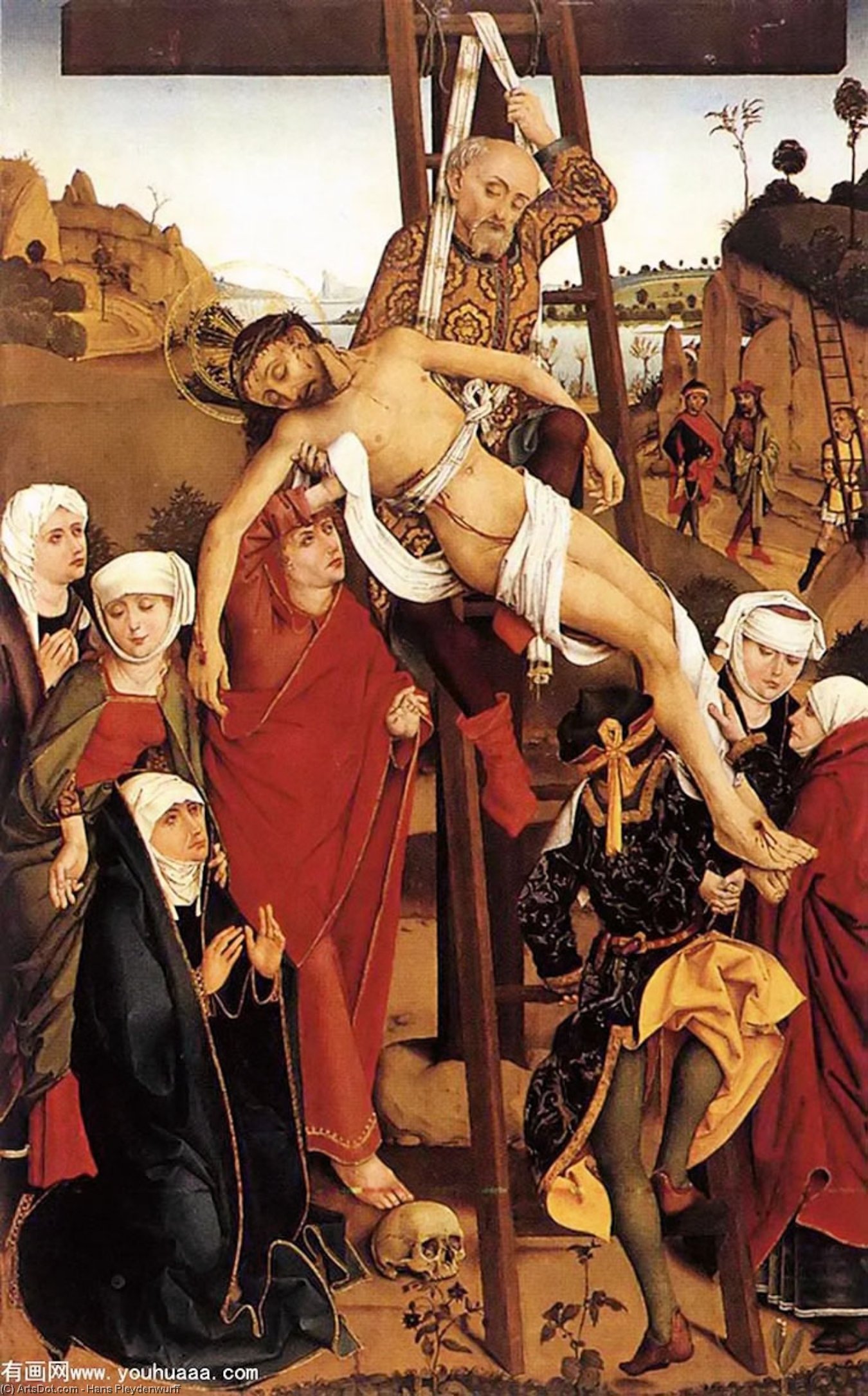
Crucifixion of the Hof Altarpiece
 Oil On Panel
- Early Netherlandish Renaissance
 1465
1465- Renaissance
 177.0 x 112.0 cm
 Alte Pinakothek
 Pročitaj više
Ručno rađena uljana reprodukcija
Ručno oslikano uljanim bojama na platnu u dimenzijama i okviru po vašem izboru, izrađeno po porudžbini od strane naših umetnika. ( Kupi print Kupi digitalnu sliku)




P118B $10

P118H $10

P118W $10

P438Z $10

P508JH $12

P508YH $12

P805H $10

P805Z $10

P919BZ $10

P919G $10

P919XJ $10

P959ZH $10

P968JZ $12

W106C $8

W218G $10

W218JH $8

W218Y $10

W307PJ $10

W316G $10

W316PJ $8

W316Y $10

W398PJ $8

W4111J $10

W500HY $15

W500JH $15

W692G $12

W849H $8

W940BG $15

W953PJ $8




Izaberite jednu od naših unapred definisanih veličina koje odgovaraju originalnim proporcijama umetničkog dela.

Можете унети сопствене димензије како бисте прилагодили дело одређеном оквиру или простору. Ако одабрана величина не одговара пропорцијама оригинала, слика ће бити исечена или проширена додатним елементима који се ручно насликавају. Дигитални prikaz ће вам бити послат на одобрење пре почетка производње.
Имајте на уму да преглед на екрану не одражава стварно исецање или проширење. Само приказ (mockup) ће тачно приказати коначну композицију.
Иако су доступне прилагођене величине, препоручујемо да одаберете димензију из дефинисане листе како бисте сачували оригиналне пропорције.
Nakon narudžbine, tim ArtsDot.com će klijentu putem e-pošte poslati uputstva i dostaviti prikaz predloženog rešenja
Isporuka širom sveta () za 3/4 nedelje umesto uobičajenih 5 nedelja. (27 август). Bez kompromisa po pitanju kvaliteta.

Besplatna ekspresna dostava širom sveta

Visokokvalitetno laneno platno

Kompletno osiguranje transporta

Garancija povraćaja carine i uvoznih dažbina

Garancija vernosti boja

Politika povrata u roku od 60 dana (samo u slučaju nedostataka)

Garancija povrata novca od 100%

Popust pri grupnoj kupovini
 Opcija sa staklom dostupna je samo za dimenzije manje od 110 cm

Crucifixion of the Hof Altarpiece
Tehnika reprodukcije
Dimenzije reprodukcije
-


Konačna cena
$ 438
The Profound Grief of Divine Descent
Before you unfolds a scene steeped in profound piety and human sorrow: the Crucifixion of the Hof Altarpiece. This masterful work transports the viewer directly into the aftermath of ultimate sacrifice, capturing not just an event, but the very essence of communal grief. The composition is immediately arresting, drawing the eye to the central, monumental figure of Christ, whose descent from the cross forms the emotional anchor of the entire narrative. It speaks volumes about the period's deep spiritual currents, presenting a moment of transition—from agonizing death to sacred repose. The sheer density of figures, each rendered with painstaking attention, creates a palpable sense of weight and solemnity that permeates the air around this devotional tableau.
Mastery in Early Netherlandish Technique
Examining the technique reveals the extraordinary skill of its creator, Hans Pleydenwurff. The painting, executed in oil on panel, showcases the hallmark meticulousness characteristic of the Early Netherlandish Renaissance. Observe how the light seems to emanate from an unseen source, dramatically sculpting the forms and highlighting the rich textures—the heavy folds of drapery, the smoothness of skin, the intricate details of hair and jewelry. Pleydenwurff employs a sophisticated understanding of perspective, using receding architectural elements and distant, stylized landscapes to give the scene depth, even as the immediate drama pulls us into its shallow, intimate space. The interplay between organic human forms and the more rigid geometry of the scaffolding speaks to a brilliant synthesis of naturalism and structure.
Symbolism Woven in Earth Tones
The color palette itself is deeply evocative, dominated by warm earth tones—ochres, deep reds, and rich browns—which ground the spiritual drama in tangible reality. These are beautifully contrasted by cooler blues and greens found in the background foliage and garments, suggesting both the earthly realm and divine mystery. Symbolically, every figure plays a vital role; the presence of Mary Magdalene and John the Apostle anchors the narrative in recognizable devotion. The entire scene is a meditation on loss, piety, and the enduring nature of faith, inviting contemplation upon the human capacity for sorrow alongside the promise of redemption.
A Timeless Piece for Contemplative Spaces
To bring this piece into your home or gallery is to invite centuries of artistic devotion into your modern life. The Crucifixion of the Hof Altarpiece, dating from 1465, offers an unparalleled opportunity to own a reproduction that captures the sublime detail and emotional resonance of Northern Renaissance masters. Its dramatic narrative power makes it a breathtaking focal point for any space dedicated to reflection or artistic appreciation. It is more than mere decoration; it is a visual sermon, rich with history, technique, and enduring human emotion.
Srodna umetnička dela
![The Passion [detail] — Hans Holbajn Mlađi, Northern Renaissance](/media/artworks/images-thumb/81/74/817439a508b8b87f2a9553f94994456b.jpg)
Biografija umetnika
Hans Pleydenwurff (1420 – 9 January 1472): A Flemish Echo in Nuremberg’s Renaissance
Hans Pleydenwurff, born around 1420 in Bamberg, Germany, stands as a fascinating testament to the artistic dynamism of the early fifteenth century. While rooted in Germanic traditions, his oeuvre reveals a profound engagement with Northern European stylistic innovations—particularly those emanating from Flanders—marking him as a pivotal figure in shaping Nuremberg’s burgeoning Renaissance aesthetic. His father, Kunz Pleydenwurff, was already a respected painter and part-time mayor, establishing a lineage of artistic excellence that would continue through his son's prolific career.- Early Life & Training: Precise biographical details remain elusive, yet evidence suggests Pleydenwurff received training in Bamberg’s workshop tradition, absorbing the stylistic conventions prevalent at the time. His father’s influence undoubtedly instilled a foundational understanding of Germanic artistic sensibilities.
- Move to Nuremberg (1457): Around 1457, Pleydenwurff relocated to Nuremberg, where he established himself as a leading artist and teacher. This move coincided with a surge in urban prosperity and cultural ambition—conditions ideal for fostering artistic experimentation.
A Distinctive Style: Realism Infused with Flemish Influence
Pleydenwurff’s distinctive style emerged from a synthesis of Germanic realism and Northern Renaissance techniques. Unlike many contemporary artists who adhered to stylized representations, Pleydenwurff championed meticulous observation and anatomical accuracy—a hallmark of Flemish painters like Rogier van der Weyden and Jan van Eyck. This commitment to detail is vividly exemplified in his monumental altarpiece paintings, notably the Hof Crucifixion (1465), where he painstakingly rendered human musculature and drapery with unprecedented realism. The dramatic use of light—a technique borrowed directly from Flemish masters—further enhances the emotional impact of these works.- The Hof Crucifixion: This masterpiece showcases Pleydenwurff’s mastery of chiaroscuro, creating a palpable sense of depth and conveying profound spiritual contemplation.
- Collaboration with Wolgemut: He collaborated closely with Michael Wolgemut on the woodcuts for Hartmann Schedel's Nuremberg Chronicle (1468-1472), demonstrating his versatility as an artist and furthering the dissemination of humanist ideals throughout Germany.
Legacy & Influence
Pleydenwurff’s artistic legacy extends beyond his individual creations. He served as a teacher to Michael Wolgemut, shaping the stylistic development of Nuremberg’s artistic elite and fostering a tradition of realism that would endure for generations. His son Wilhelm Pleydenwurff continued this lineage, collaborating with Wolgemut on significant projects—a testament to the enduring influence of his father's vision. Furthermore, Pleydenwurff’s meticulous approach to painting established precedents for subsequent artists striving to capture the nuances of human emotion and anatomical precision—solidifying his place as a cornerstone of Renaissance art history.Notable Works
Among Pleydenwurff’s celebrated achievements are:- Portrait of Count Georg von Löwenstein
- Crucifixion of the Hof Altarpiece
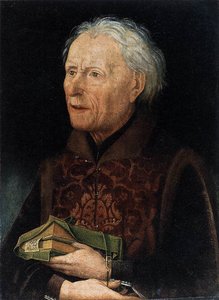
hans pleydenwurff
1420 - 1472 , Germany
Osnovne informacije
- Artistic Movement Or Style: Early Netherlandish Painting
- Artists Or Movements Influenced By This Artist: ['Hans Holbein the Younger']
- Artists Who Influenced This Artist: ['Michael Wolgemut']
- Date Of Birth: c. 1420
- Date Of Death: 9 January 1472
- Full Name: Hans Pleydenwurff
- Nationality: German
- Notable Artworks:
- Portrait of Count Georg von Löwenstein
- Crucifixion of the Hof Altarpiece
- Master of the Starck Triptych
- Place Of Birth: Bamberg, Germany
Povezani članci

Early Netherlandish Masters: 10 Paintings That Revolutionized Art & Decor
Journey into the world of Early Netherlandish painting! Explore 10 masterpieces by Jan van Eyck, Rogier van der Weyden & more. Discover stunning detail, symbolism & Renaissance art for your home decor. Find museum-quality reproductions on ArtsDot.com
Illuminating Realism: Early Netherlandish Painting (15th-16th Centuries)
Explore the captivating world of Early Netherlandish painting! Discover Jan van Eyck, Hans Memling & more. Uncover symbolism, techniques & the legacy of these Flemish masters. A comprehensive guide for art enthusiasts.
Illuminating Realism: Early Netherlandish Painting (15th-16th Centuries)
Explore the captivating world of Early Netherlandish painting (15th-16th centuries). Discover Jan van Eyck, Hans Memling & more. Uncover revolutionary techniques and hidden symbolism in this definitive guide.
Early Netherlandish Masters: 10 Paintings That Revolutionized Art & Decor
Journey into the Early Netherlandish Renaissance! Explore 10 iconic paintings by Jan van Eyck, Rogier van der Weyden & more. Discover stunning detail, symbolism, and oil painting techniques. Find museum-quality art reproductions for your home at ArtsDot.com.
Robert Campin: Pioneering Realism & Spiritual Depth in Early Netherlandish Painting
Explore the revolutionary work of Robert Campin, a pioneer of Early Netherlandish painting. Discover his naturalistic style, religious symbolism in masterpieces like the Mérode Altarpiece, and lasting influence on art history.

