

 Pregledaj u prostoru
 Pošalji
 Podeli
 Detalji o delu

 Преузми
 Slični predmeti
 Rendgenski snimak
 Slajdovi
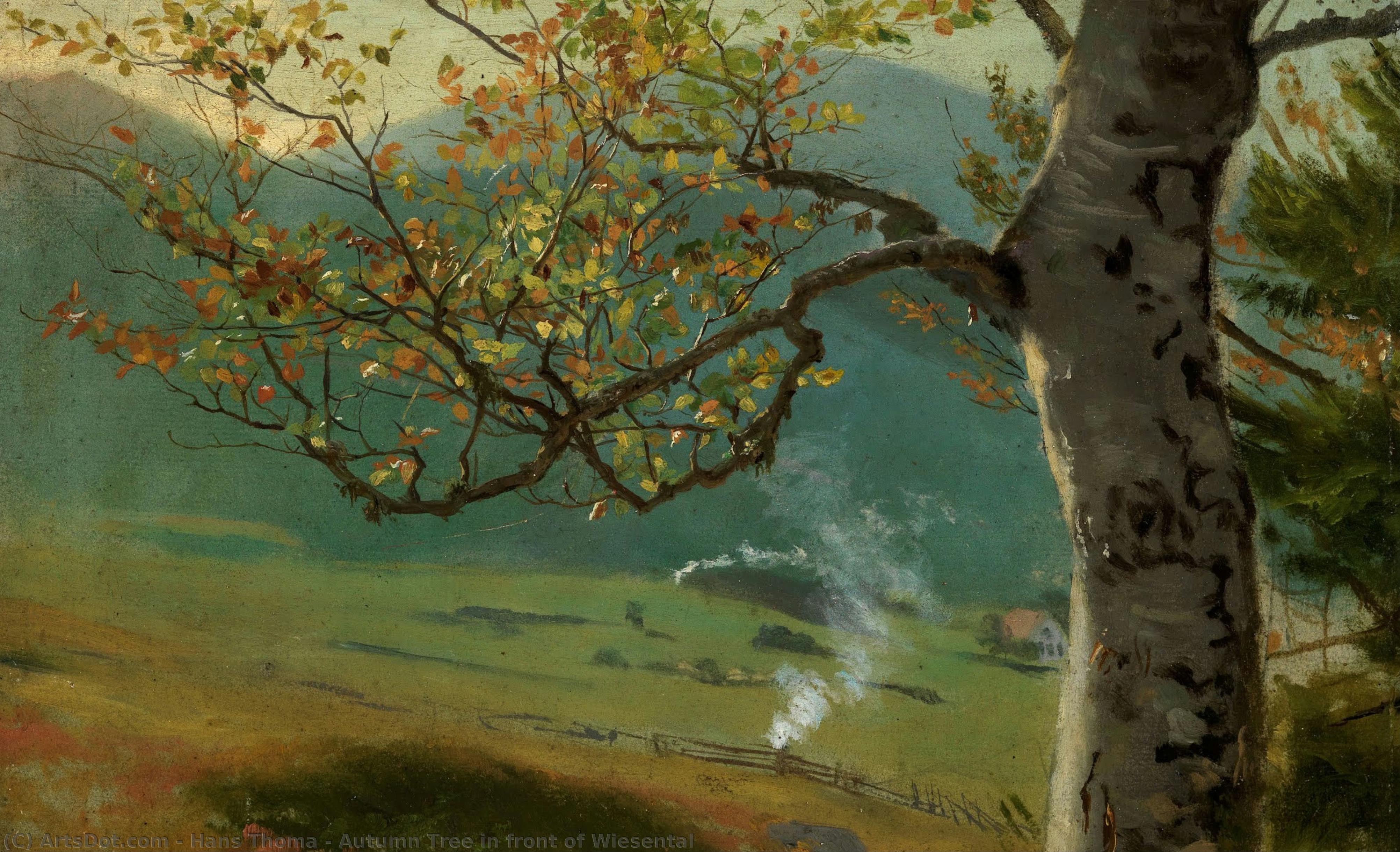
Autumn Tree in front of Wiesental


 Pročitaj više
Kupite digitalnu sliku visoke rezolucije i poboljšanog kvaliteta, koja je znatno superiornija od onoga što vidite u online prikazu.
Svaka datoteka je pedantno pripremljena od strane naših stručnjaka koristeći napredne alate i profesionalnu ručnu retušu. Osiguravamo da svaka slika ima izuzetnu oštrinu, preciznu reprodukciju boja i fine detalje.
Konačna datoteka se dostavlja putem e-pošte u roku od 72 sata, optimizovana za neposrednu upotrebu u profesionalnim, izdavačkim i štamparskim okruženjima. To je isti kvalitet kojem veruju vrhunski studiji dizajna, izdavači i galerije.
Digitalna slika
Preuzmite datoteku visoke rezolucije za ličnu upotrebu, štampanje i kreativne projekte. ( Kupi print Kupi ručno naslikanu sliku)
Uključeno uz svaku porudžbinu digitalne slike
Profesionalna digitalna isporuka, zagarantovana
Kada odaberete ArtsDot.com, ne dobijate samo sliku – vi primate profesionalno unapređeno digitalno umetničko delo, izrađeno sa najvećom preciznošću i uz garanciju zadovoljstva. Evo svega što automatski dolazi uz vašu porudžbinu:

Brza dostava putem e-pošte
Vaša digitalna slika visoke rezolucije biće vam poslata putem e-pošte u roku od 72 sata od poručivanja – spremna za trenutnu upotrebu.

Digitalna datoteka unapređena veštačkom inteligencijom
Vaše umetničko delo je profesionalno optimizovano korišćenjem naprednih AI alata i ručne obrade, čime se osiguravaju maksimalni detalji, oštrina i preciznost boja.

Besplatna ponovna isporuka doživotno
Slučajno ste obrisali ili izgubili svoju datoteku? Ne brinite – poslaćemo vam je ponovo u bilo kom trenutku, potpuno besplatno.

Bez troškova uvoza – zauvek
Uživajte u svojim umetničkim delima trenutno, bez carine, dažbina ili troškova dostave – digitalni download je uvek bez poreza.

Garancija vernosti boja
Uz pomoć profesionalnih alata i upravljanja bojama, osiguravamo da vaša digitalna slika što vernije odražava originalne boje.

Garancija zadovoljstva u roku od 60 dana
Ako niste zadovoljni svojom digitalnom slikom, revidirat ćemo je ili vratiti 100% novca u roku od 60 dana – bez ikakvih pitanja.

100% garancija povrata novca
Niste zadovoljni? Obezbedite pun povrat novca u roku od 60 dana od trenutka kada ste primili svoju digitalnu datoteku – bez suvišnih pitanja.

Popusti na velike porudžbine
Kupite 3 slike, uštedite 10% - Kupite 5 slika, uštedite 15% - Kupite 10+ slika, uštedite 20%. Odlično za kreativne projekte, galerije i agencije.
A Symphony of Gold and Rust: The Autumnal Vision of Hans Thoma
In the quiet, evocative masterpiece Autumn Tree in front of Wiesental, painted in 1862, Hans Thoma invites the viewer into a moment of profound seasonal transition. This work serves as a breathtaking window into the heart of the German landscape, where the vibrant, dying embers of autumn meet the enduring stillness of the countryside. The composition is anchored by a magnificent tree in the foreground, its intricate network of branches heavy with a mosaic of amber, gold, and russet leaves. Thoma’s brushwork captures not just the color of the foliage, but the very weight of the season, as if one could feel the crisp, cooling air pressing against the canvas. The scene is far from a lonely landscape; it is a living, breathing ecosystem, populated by small, delicate birds perched amidst the canopy and grazing cows that ground the ethereal beauty of the trees in the humble reality of pastoral life.
The technique employed here reflects Thoma’s early mastery and his deep-seated connection to the traditions of German Romanticism. There is a meticulous attention to detail—a trait perhaps inherited from his father’s clockmaking lineage—that allows every leaf and every creature to hold its own significance within the larger tapestry. The artist utilizes a harmonious palette where the warm, fiery tones of the autumn leaves are balanced by the soft, muted greens and earthy browns of the Wiesental valley. This careful calibration of color creates a sense of depth and atmosphere, drawing the eye from the textured bark of the foreground tree toward the gentle, rolling hills in the distance. For the collector or interior designer, this painting offers a sophisticated interplay of light and texture that can serve as a soulful focal point in any curated space.
Beyond its visual splendor, the painting carries a deep symbolic resonance, embodying the cyclical nature of life and the bittersweet beauty of change. The autumn tree, standing resilient yet shedding its finery, acts as a metaphor for the passage of time and the inevitable rhythms of the natural world. The presence of the birds and the cattle introduces a theme of continuity; even as the season wanes, life persists in its quiet, rhythmic grace. This emotional depth makes the piece more than just a landscape; it is an invitation to contemplation and a celebration of the enduring spirit of the Black Forest region. Owning a reproduction of this work means bringing into one's home not just a beautiful image, but a profound sense of peace and a timeless connection to the earth’s most poetic transformations.
Srodna umetnička dela
Biografija umetnika
The Soul of the Black Forest: The Life and Vision of Hans Thoma
Hans Thoma stands as a singular figure in German art history, renowned for his evocative landscapes and portraits that capture the spirit of the Black Forest region—a place deeply ingrained within his artistic vision. Born in Bernau bei Berlin in 1839, he embarked on an artistic journey marked by unwavering devotion to his homeland’s traditions and folklore. His life was a delicate balance between meticulous observation and a profound sense of Romantic idealism, creating a body of work that feels both grounded in the earth and elevated by a dreamlike quality.
Thoma's formative years were shaped by the simple rhythms of rural life; his father’s trade as a clockmaker instilled in him a precision and an extraordinary attention to detail that would later permeate every brushstroke. In 1859, he enrolled at the Karlsruhe Academy, where he was mentored by masters such as Johann Wilhelm Schirmer and Ludwig Des Coulbres. This period established his foundational mastery of landscape painting techniques. While his subsequent travels through Düsseldorf, Paris, Italy, Munich, and Frankfurt exposed him to a whirlwind of diverse artistic currents, these international encounters only served to solidify his commitment to capturing the essence of German rural life and the timeless beauty of nature.
A Tapestry of Influence and Technique
Thoma’s distinctive style defies easy categorization, yet it possesses unmistakable affinities with the Pre-Raphaelite movement. Much like the works of Dante Gabriel Rossetti or John Everett Millais, Thoma prioritized capturing atmospheric conditions and conveying deep emotion through subtle tonal variations and luminous color palettes. His fascination with the minute details of the natural world—the texture of a leaf, the light filtering through a canopy, or the quiet presence of grazing cows—reflects a dedication to realism that is frequently tempered by an imaginative, almost mystical vision.
The lineage of German masters also played a pivotal role in shaping his aesthetic. The works of Albrecht Dürer and Lucas Cranach the Elder served as profound influences, informing his compositional choices and his ability to render precise outlines and careful shading. This blend of classical precision and Romantic sentiment allowed him to create scenes that felt both historically rooted and emotionally immediate. Whether through a black and white drawing like his Youthful Self Portrait or a vibrant, color-drenched landscape such as Autumn Tree in front of Wiesental, Thoma’s technical prowess remained centered on the pursuit of truth within nature.
Legacy and Artistic Significance
Throughout his career, Thoma achieved a level of recognition that placed him at the heart of the German art scene. His ability to evoke serenity through lush greenery and fluffy skies—as seen in works like Landscape With Cloud—demonstrates an almost Impressionistic sensitivity to light and air. He did not merely paint scenery; he painted the atmosphere of a culture and a landscape, turning the Black Forest into a symbol of enduring peace and pastoral beauty.
The historical significance of Hans Thoma lies in his ability to bridge the gap between the rigorous academic traditions of the 19th century and the burgeoning emotionality of modern art. His achievements include:
- Mastery of Landscape: Creating a definitive visual language for the German countryside that blended realism with Romanticism.
- Technical Versatility: Moving seamlessly between precise, detailed drawings and atmospheric, painterly landscapes.
- Cultural Preservation: Documenting the folklore, traditions, and natural splendor of the Black Forest region during a period of rapid industrial change.
Today, Thoma’s work continues to resonate with viewers who seek solace in the idyllic and the eternal. His paintings remain windows into a world where nature and humanity exist in a harmonious, beautifully detailed dance.
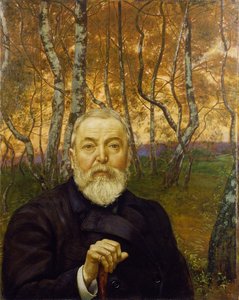
Hans Thoma
1839 - 1924

