

 Pošalji
 Podeli
 Detalji o delu

 Преузми
 Slični predmeti
 Slajdovi
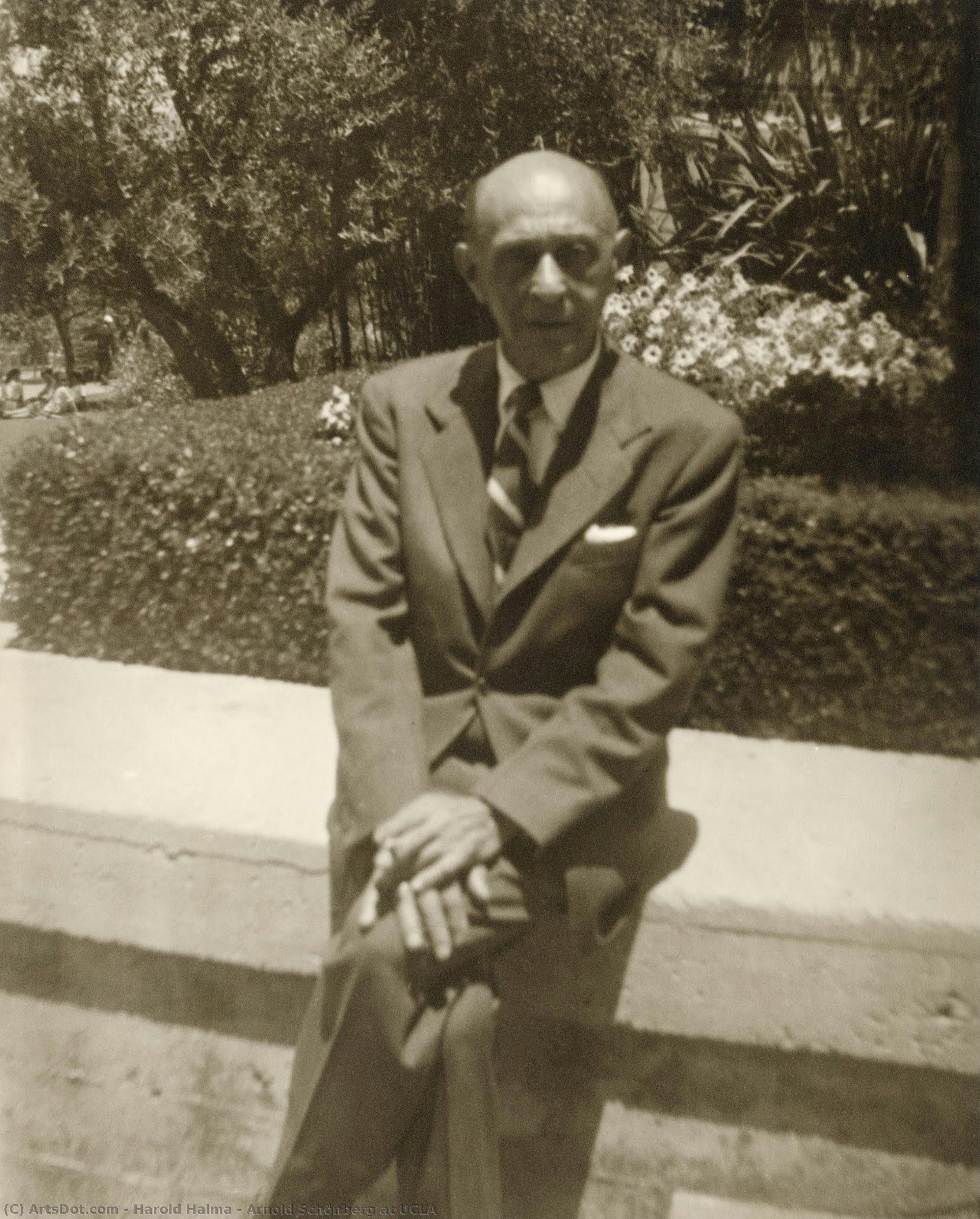
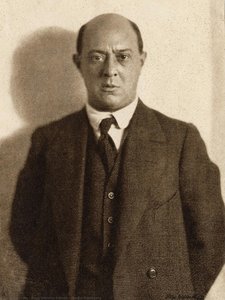
Arnold Schönberg at UCLA
 Black and White Photography
- Photo
 1943
1943- Modern
 20.0 x 25.0 cm
 Arnold Schönberg Center
 Pročitaj više
Giclee štampa / Umetnički otisak
Giclée štampa ili print na platnu muzejskog kvaliteta uz brzu proizvodnju i fleksibilne opcije završne obrade. ( Kupi ručno naslikanu sliku Kupi digitalnu sliku)




































Izaberite jednu od naših unapred definisanih veličina koje odgovaraju originalnim proporcijama umetničkog dela.

Možete uneti sopstvene dimenzije kako biste umetničko delo prilagodili specifičnom okviru ili prostoru. Ako odabrani format ne odgovara proporcijama originalne slike, mi ćemo ili iscrtati deo dela ili proširiti sliku pomoću ogledane ivice ili jednobojnog popunjavanja. Digitalni prikaz će vam biti poslat na odobrenje pre početka proizvodnje.
Imajte na umu da pregled na ekranu ne odražava stvarno iscrtavanje ili proširivanje. Samo će prikaz (mockup) precizno pokazati finalnu kompoziciju.
Iako su prilagođene dimenzije dostupne, preporučujemo da odaberete dimenziju sa unapred definisane liste kako biste očuvali originalne proporcije.
Dostava širom sveta () za 2 nedelje umesto uobičajenih 4/5 nedelja. (7 септембар)

Besplatna ekspresna dostava širom sveta

Visokokvalitetno laneno platno

Kompletno osiguranje transporta

Garancija povraćaja carine i uvoznih dažbina

Garancija vernosti boja

Politika povraćaja u roku od 100 dana (isključivo u slučaju nedostataka)

Garancija povrata novca od 100%

Popust pri grupnoj kupovini
 Opcija sa staklom dostupna je samo za dimenzije manje od 110 cm

Arnold Schönberg at UCLA
Giclee štampa / Umetnički otisak
Dimenzije reprodukcije
-


Konačna cena
$ 62
Srodna umetnička dela

Biografija umetnika
Anselm Kiefer: A Sculptor of Memory
Born in Donaueschingen, Baden-Württemberg, Germany, on March 8, 1945, Anselm Kiefer’s life and art are inextricably linked to the weighty history of his nation. Raised near the Rhine River in the Black Forest, he was named after the classical painter Anselm Feuerbach – a deliberate nod to a lineage he intended to continue. From childhood, Kiefer harbored an ambition to become an artist, a desire fueled by a deep engagement with German culture and its often-troubled past. His early studies at the University of Freiburg and the Academy of Fine Arts in Karlsruhe were supplemented by informal instruction from Joseph Beuys during his visits to Düsseldorf, laying the groundwork for his distinctive approach.
Kiefer’s artistic journey began in the early 1970s, marked by a deliberate exploration of German history, myth, literature, and art. Initially working within the confines of his home in Hornbach and later a converted brick factory in Buchen, he gradually expanded his practice, eventually relocating to France in 1992, seeking a fresh perspective on his subject matter. His current residence is Paris, reflecting a continued dialogue with both European and global influences.
Materials as Memory: Technique and Symbolism
Kiefer’s artistic process is characterized by an unusual and deeply evocative use of materials. He frequently employs straw, ash, clay, lead, and shellac – substances that carry their own historical weight and symbolic resonance. Straw, for instance, evokes the scorched earth of war and the fragility of memory; ash represents destruction and loss. Lead, often used in layers, creates a sense of density and oppression, while clay speaks to the earth itself—a grounding force amidst the turbulent narratives he explores. The layering technique is crucial, building up surfaces with these materials over years, creating textured, almost sculptural paintings that resist easy interpretation.
His method isn’t simply about applying paint; it's a process of excavation and reconstruction. He often incorporates texts – fragments of poetry, historical documents, and even excerpts from the Bible—into his works, further layering meaning and inviting viewers to engage in a complex act of decipherment. The deliberate roughness and imperfections of his surfaces contribute to the sense that he is not simply depicting history but actively wrestling with it.
Echoes of the Past: Historical References and Trauma
A defining characteristic of Kiefer’s work is its engagement with Germany's recent past, particularly the horrors of World War II and the Holocaust. He doesn’t shy away from confronting these difficult subjects, often employing clichés and iconic imagery – Wagner’s *Ring* cycle, Goethe’s poetry, or the mythical figure of Barbarossa—to explore their underlying anxieties and misuses within the propaganda of the Third Reich. As he himself has stated, “After the ‘misfortune,’ as we all name it so euphemistically now, people thought that in 1945 we were starting all over again… It’s nonsense. The past was put under taboo, and to dig it up again generates resistance and disgust.”
His early work, notably the photographic self-portraits *Occupations* (1969), demonstrated a provocative willingness to confront uncomfortable truths. Dressed in paramilitary clothing and mimicking Hitler’s pose against dramatic backdrops – including the sea – he layered multiple historical references, creating a complex meditation on power, propaganda, and identity. This early work foreshadowed his later exploration of German history through symbolic representation.
Reception and Legacy
Anselm Kiefer's work has been met with both acclaim and controversy. In the 1970s and 80s, his Germanness functioned differently in the United States compared to Germany, where critics focused on his “coming to terms with the past” (*Vergangenheitsbewältigung*). Kiefer’s deliberate use of fascist and nationalistic imagery was initially perceived as a kind of original sin within the post-Auschwitz era. However, over time, his work has gained widespread recognition for its profound engagement with history, memory, and the complexities of the human condition.
Today, Kiefer remains one of the most significant artists working today. His monumental paintings and sculptures continue to challenge viewers to confront uncomfortable truths about the past and grapple with the enduring legacy of trauma. His work is exhibited internationally, solidifying his place as a pivotal figure in contemporary art, bridging the gap between historical reflection and artistic expression.
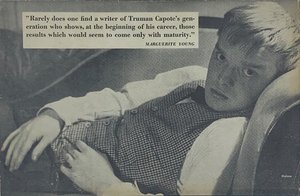
harold halma
1945 - , United States of America
Osnovne informacije
- Artistic Movement Or Style: Neo-Expressionism, New Symbolism
- Artists Or Movements Influenced By This Artist: ['Paul Celan']
- Artists Who Influenced This Artist:
- Joseph Beuys
- Anselm Feuerbach
- Date Of Birth: March 8, 1945
- Full Name: Anselm Kiefer
- Nationality: German
- Notable Artworks:
- Margarete
- Schneeschmelze im Odenwald Winter ade
- Scheiden tut
- Place Of Birth: Donaueschingen, Germany
Povezani članci

White on Canvas: 10 Masterpieces & Timeless Elegance for Your Home Decor
Explore 10 iconic white paintings by Monet, Whistler & Rothko! Discover the stories behind these serene masterpieces and their impact on art history. Find museum-quality reproductions for your home decor at .

Dark Masterpieces: 10 Iconic Paintings Dominated by Black Tones |
Explore 10 iconic paintings dominated by black tones, from Rembrandt’s chiaroscuro to Goya's dark expressions. Discover the stories behind these masterpieces & find museum-quality art reproductions for your home at .

Monochrome Visions: Exploring the Aesthetic & Historical Significance of Black & White Photography
Explore the rich history & artistic power of black and white photography. From early techniques to iconic masters like Ansel Adams, discover why monochrome continues to captivate art lovers today. Expert insights for collectors.
Mars Black Masterpieces: 10 Iconic Paintings & Timeless Art Decor Ideas
Delve into the power of 'Mars Black' with 10 iconic paintings by masters like Rembrandt & Caravaggio. Explore dramatic chiaroscuro, gothic art, and timeless beauty. Find museum-quality reproductions & elevate your home decor on .

The Subtleties of White: Exploring Absence, Light & Symbolism in Art History
Explore the profound symbolism & history of white in art! From ancient purity to modern abstraction, discover how artists have used absence & light. Expert insights from ArtsDot.