

 Pregledaj u prostoru
 Pošalji
 Podeli
 Detalji o delu

 Преузми
 Slični predmeti
 Rendgenski snimak
 Slajdovi
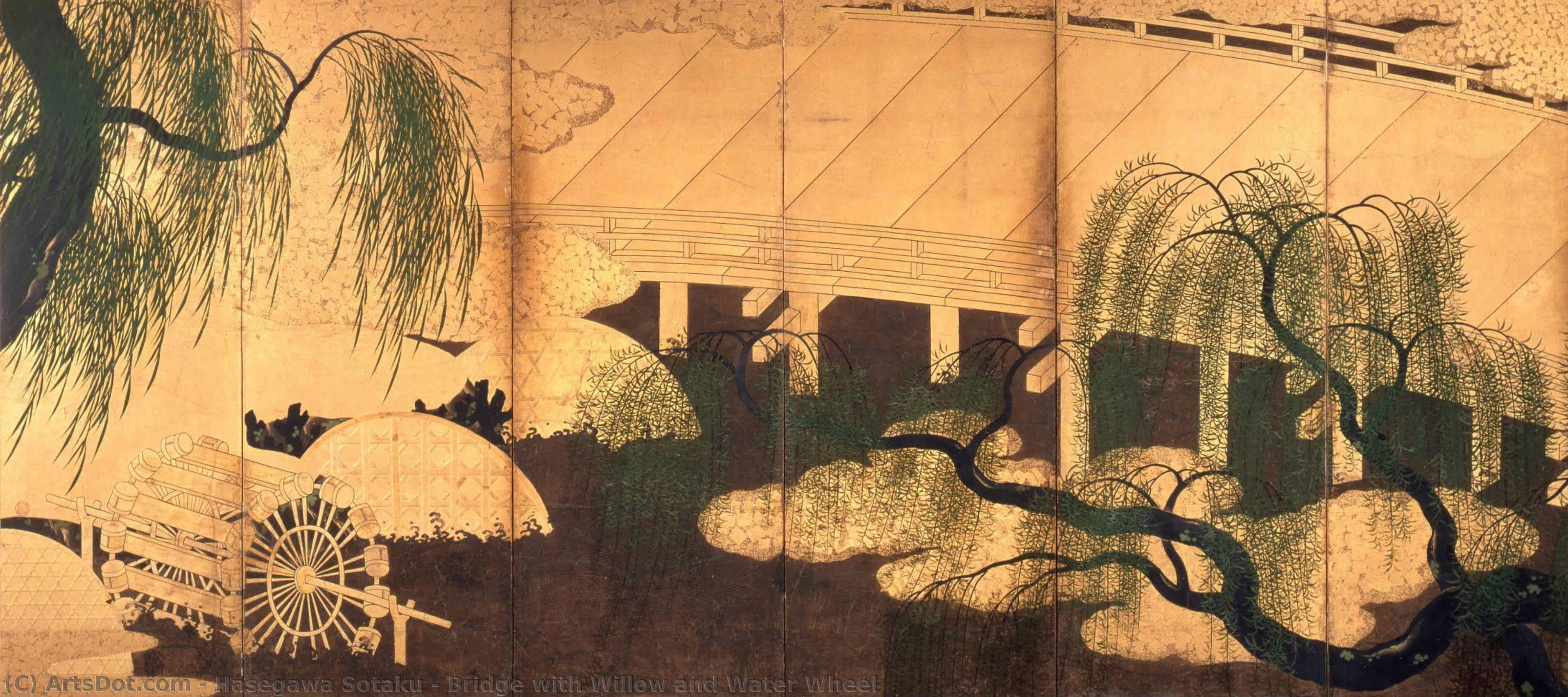
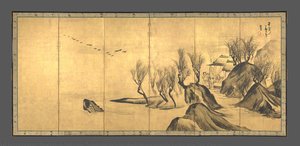
Bridge with Willow and Water Wheel
 144.0 x 325.0 cm
 Pročitaj više
Kupite digitalnu sliku visoke rezolucije i poboljšanog kvaliteta, koja je znatno superiornija od onoga što vidite u online prikazu.
Svaka datoteka je pedantno pripremljena od strane naših stručnjaka koristeći napredne alate i profesionalnu ručnu retušu. Osiguravamo da svaka slika ima izuzetnu oštrinu, preciznu reprodukciju boja i fine detalje.
Konačna datoteka se dostavlja putem e-pošte u roku od 72 sata, optimizovana za neposrednu upotrebu u profesionalnim, izdavačkim i štamparskim okruženjima. To je isti kvalitet kojem veruju vrhunski studiji dizajna, izdavači i galerije.
Digitalna slika
Preuzmite datoteku visoke rezolucije za ličnu upotrebu, štampanje i kreativne projekte. ( Kupi print Kupi ručno naslikanu sliku)
Uključeno uz svaku porudžbinu digitalne slike
Profesionalna digitalna isporuka, zagarantovana
Kada odaberete ArtsDot.com, ne dobijate samo sliku – vi primate profesionalno unapređeno digitalno umetničko delo, izrađeno sa najvećom preciznošću i uz garanciju zadovoljstva. Evo svega što automatski dolazi uz vašu porudžbinu:

Brza dostava putem e-pošte
Vaša digitalna slika visoke rezolucije biće vam poslata putem e-pošte u roku od 72 sata od poručivanja – spremna za trenutnu upotrebu.

Digitalna datoteka unapređena veštačkom inteligencijom
Vaše umetničko delo je profesionalno optimizovano korišćenjem naprednih AI alata i ručne obrade, čime se osiguravaju maksimalni detalji, oštrina i preciznost boja.

Besplatna ponovna isporuka doživotno
Slučajno ste obrisali ili izgubili svoju datoteku? Ne brinite – poslaćemo vam je ponovo u bilo kom trenutku, potpuno besplatno.

Bez troškova uvoza – zauvek
Uživajte u svojim umetničkim delima trenutno, bez carine, dažbina ili troškova dostave – digitalni download je uvek bez poreza.

Garancija vernosti boja
Uz pomoć profesionalnih alata i upravljanja bojama, osiguravamo da vaša digitalna slika što vernije odražava originalne boje.

Garancija zadovoljstva u roku od 60 dana
Ako niste zadovoljni svojom digitalnom slikom, revidirat ćemo je ili vratiti 100% novca u roku od 60 dana – bez ikakvih pitanja.

100% garancija povrata novca
Niste zadovoljni? Obezbedite pun povrat novca u roku od 60 dana od trenutka kada ste primili svoju digitalnu datoteku – bez suvišnih pitanja.

Popusti na velike porudžbine
Kupite 3 slike, uštedite 10% - Kupite 5 slika, uštedite 15% - Kupite 10+ slika, uštedite 20%. Odlično za kreativne projekte, galerije i agencije.
Srodna umetnička dela



Biografija umetnika
hasegawa sotaku: A Pioneer of Monochrome Landscape Painting
hasegawa sotaku (長谷川 等伯; 1539 – March 19, 1610) stands as one of Japan’s most revered painters of the Azuchi–Momoyama period (1574–1603), a pivotal era marked by unification and artistic innovation. Born Okumura Tōhaku in Nanau Province (present-day Ishikawa Prefecture), his early life was steeped in the traditions of cloth dyeing, yet he swiftly ascended to prominence as a master of *suiboku-ga*, or monochrome ink painting—a style that would define his legacy and profoundly influence subsequent generations of artists. His artistic journey began with Buddhist commissions in Noto Province, honing his skills under Sesshū, a towering figure of the Kanō school who championed simplicity and profound observation of nature. This formative experience instilled in Tōhaku a dedication to capturing the essence of landscapes through subtle tonal variations—a technique that would become synonymous with his distinctive aesthetic.- Early Influences: Sesshū’s teachings on Zen Buddhism and the Kanō school's emphasis on naturalism served as bedrock for Tōhaku’s artistic vision.
- Notable Commissions: He undertook significant projects for influential patrons like Toyotomi Hideyoshi and Tokugawa Ieyasu, demonstrating his versatility and securing his place in history as a court artist of considerable stature.
- Signature Style: Tōhaku's hallmark was the masterful manipulation of ink tones—a technique that allowed him to convey atmospheric depth and emotional resonance with remarkable precision.
The Hasegawa School and Artistic Innovation
Tōhaku established the Hasegawa school around 1589, marking a crucial moment in Japanese art history. Unlike many of his contemporaries who favored opulent color palettes, Tōhaku championed *kotan*, or “elegant simplicity,” prioritizing refined brushwork and understated beauty—a stylistic departure that distinguished him from the prevailing trends of the time. This school’s focus on capturing the spirit of nature through monochrome ink painting solidified its position as a cornerstone of Japanese artistic tradition. The Hasegawa School's influence extended beyond Tōhaku himself, shaping the sensibilities of his successors and ensuring the continuation of this distinctive style for decades to come.- Emphasis on Minimalism: The Hasegawa school’s commitment to *kotan* contrasted sharply with the lavish ornamentation favored by other artists, establishing a new aesthetic standard.
- Transmission of Technique: Tōhaku diligently instructed his disciples in the intricacies of ink painting—passing down invaluable knowledge and fostering a lineage of artistic excellence.
- Legacy Beyond Style: The Hasegawa school’s philosophical underpinning—a reverence for natural beauty and contemplation—resonated deeply within Japanese culture, shaping artistic expression for centuries afterward.
Iconic Landscapes and Symbolism
Tōhaku's oeuvre comprises numerous breathtaking landscapes rendered in exquisite monochrome ink, each imbued with profound symbolic meaning. Among his most celebrated works are “Picture of Pine Trees” (Shurin-zu byōbu), “Portrait of Nawa Nagatoshi,” and “Landscape with Flowering Plants,” which exemplify the Hasegawa school’s artistic principles. These paintings aren't merely depictions of scenery; they represent meditations on themes of impermanence, harmony, and spiritual enlightenment—reflecting the Zen Buddhist worldview that profoundly influenced Tōhaku’s creative process. The careful arrangement of elements—such as pine trees, rocks, and water—served as visual metaphors for conveying complex philosophical ideas.- Pine Trees: Represent longevity and resilience, symbolizing enduring virtue and spiritual fortitude.
- Rocks: Symbolize stability and permanence, grounding the viewer in a sense of timelessness.
- Water: Represents fluidity and change—a reminder that all things are transient yet interconnected.
Major Achievements and Recognition
hasegawa sotaku’s artistic accomplishments earned him unparalleled acclaim during his lifetime and cemented his status as a national treasure upon his death in 1610. His paintings—particularly “Landscape with Flowering Plants” and “Portrait of Nawa Nagatoshi”—are revered for their technical mastery, compositional elegance, and profound emotional depth. Furthermore, he established the Hasegawa school, which continued to produce exceptional artists for generations, ensuring the preservation and dissemination of his distinctive style. Today, Tōhaku’s legacy persists as a testament to the transformative power of artistic vision—inspiring artists and scholars alike to explore the enduring beauty of Japanese landscape painting. His work remains an exemplar of Zen aesthetics and continues to captivate audiences worldwide.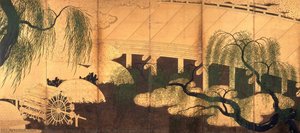
hasegawa sotaku
Japan
Kratke činjenice
- Artistic Movement Or Style: Kanō School
- Artists Or Movements Influenced By This Artist:
- Toyotomi Hideyoshi
- Tokugawa Ieyasu
- Artists Who Influenced This Artist: ['Sesshū']
- Date Of Birth: 1539
- Full Name: Hasegawa Tōhaku
- Nationality: Japanese
- Notable Artworks:
- Pine Tree and Flowering Plants
- Portrait of Nawa Nagatoshi
- Place Of Birth: Nanao, Ishikawa Prefecture

