

 Pregledaj u prostoru
 Pošalji
 Podeli
 Detalji o delu

 Преузми
 Slični predmeti
 Rendgenski snimak
 Slajdovi
 Stats
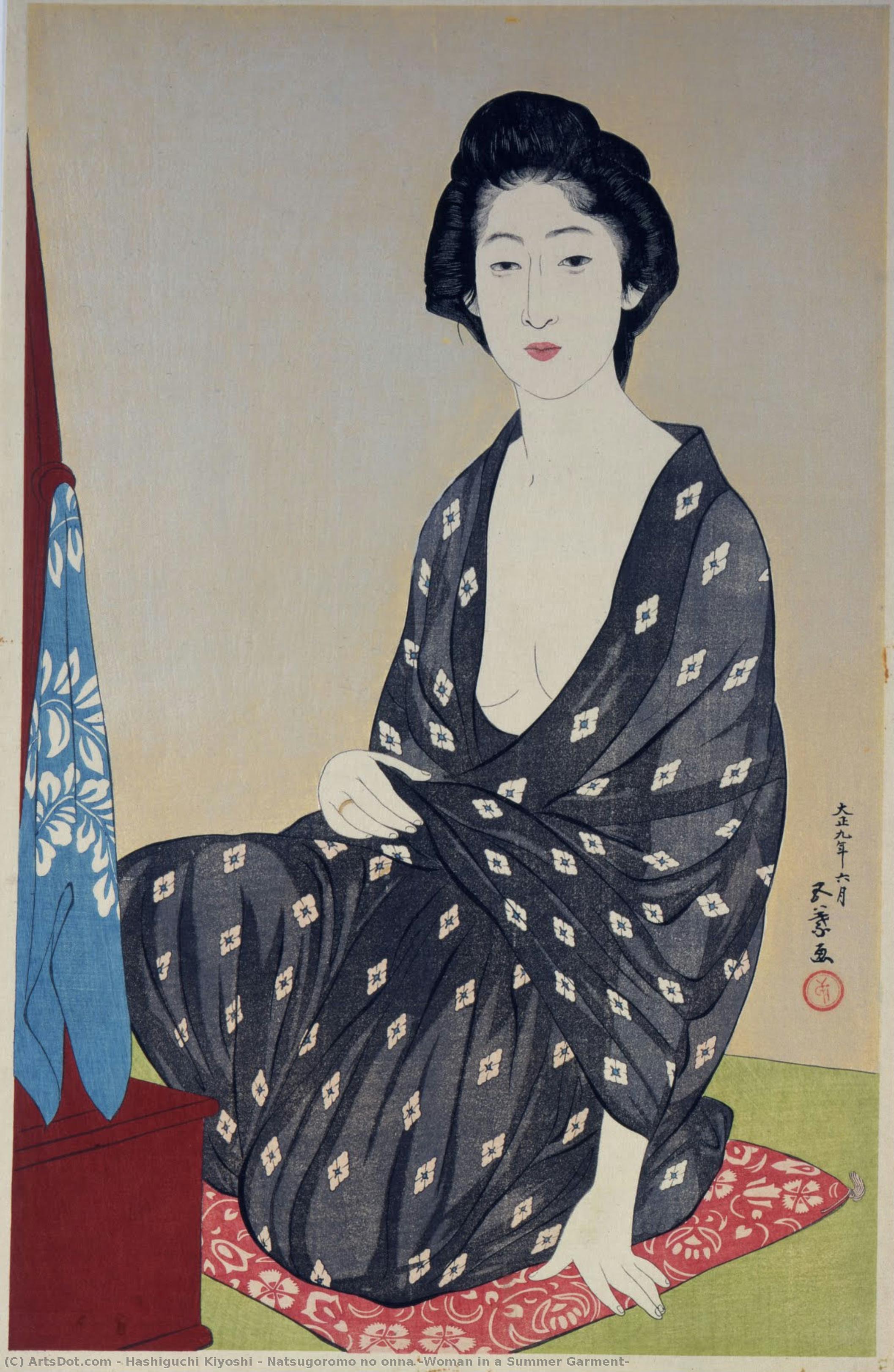
StatsNatsugoromo no onna (Woman in a Summer Garment)
 Acrylic On Canvas
- WallArt
- Ukiyo-e Tradition
 1920
1920 29.0 x 45.0 cm
 Toledo Museum of Art
 Pročitaj više
Kupite digitalnu sliku visoke rezolucije i poboljšanog kvaliteta, koja je znatno superiornija od onoga što vidite u online prikazu.
Svaka datoteka je pedantno pripremljena od strane naših stručnjaka koristeći napredne alate i profesionalnu ručnu retušu. Osiguravamo da svaka slika ima izuzetnu oštrinu, preciznu reprodukciju boja i fine detalje.
Konačna datoteka se dostavlja putem e-pošte u roku od 72 sata, optimizovana za neposrednu upotrebu u profesionalnim, izdavačkim i štamparskim okruženjima. To je isti kvalitet kojem veruju vrhunski studiji dizajna, izdavači i galerije.
Digitalna slika
Preuzmite datoteku visoke rezolucije za ličnu upotrebu, štampanje i kreativne projekte. ( Switch to Print Kupi ručno naslikanu sliku)
Uključeno uz svaku porudžbinu digitalne slike
Profesionalna digitalna isporuka, zagarantovana
Kada odaberete ArtsDot.com, ne dobijate samo sliku – vi primate profesionalno unapređeno digitalno umetničko delo, izrađeno sa najvećom preciznošću i uz garanciju zadovoljstva. Evo svega što automatski dolazi uz vašu porudžbinu:

Brza dostava putem e-pošte
Vaša digitalna slika visoke rezolucije biće vam poslata putem e-pošte u roku od 72 sata od poručivanja – spremna za trenutnu upotrebu.

Digitalna datoteka unapređena veštačkom inteligencijom
Vaše umetničko delo je profesionalno optimizovano korišćenjem naprednih AI alata i ručne obrade, čime se osiguravaju maksimalni detalji, oštrina i preciznost boja.

Besplatna ponovna isporuka doživotno
Slučajno ste obrisali ili izgubili svoju datoteku? Ne brinite – poslaćemo vam je ponovo u bilo kom trenutku, potpuno besplatno.

Bez troškova uvoza – zauvek
Uživajte u svojim umetničkim delima trenutno, bez carine, dažbina ili troškova dostave – digitalni download je uvek bez poreza.

Garancija vernosti boja
Uz pomoć profesionalnih alata i upravljanja bojama, osiguravamo da vaša digitalna slika što vernije odražava originalne boje.

Garancija zadovoljstva od 100 dana
Ako niste zadovoljni svojom digitalnom slikom, izvršićemo reviziju ili ćemo vam vratiti 100% novca u roku od 100 dana – bez ikakvih pitanja.

100% garancija povrata novca
Niste zadovoljni? Dobijte puni povraćaj novca u roku od 100 dana od prijema digitalne datoteke – bez suvišnih pitanja.

Popusti na velike porudžbine
Kupite 3 slike, uštedite 10% - Kupite 5 slika, uštedite 15% - Kupite 10+ slika, uštedite 20%. Odlično za kreativne projekte, galerije i agencije.
Natsugoromo no Onna: A Portrait of Quiet Intensity by Hashiguchi Kiyoshi
Hashiguchi Kiyoshi’s “Natsugoromo no Onna” (Woman in a Summer Garment), painted in 1920, is more than just a depiction of a woman; it's a profound meditation on vulnerability, memory, and the enduring spirit of traditional Japanese aesthetics. Measuring a modest 29 x 45 cm, this work, currently residing at the Toledo Museum of Art, possesses an arresting power that belies its size. The painting immediately draws the viewer in with the stark contrast of the woman’s dark kimono against the vibrant red background – a bold choice that was characteristic of Hashiguchi's evolving style and reflects the dynamism of the early 20th-century Japanese art scene.
The Artist and His Ukiyo-e Roots
- Hashiguchi Kiyoshi (1880-1921) was a pivotal figure in late ukiyo-e, the artistic movement that flourished during Japan’s Edo period. Born in Tokushima, he initially followed the established conventions of woodblock printing, creating iconic images of beautiful women – ‘bijin-ga’ – that captivated audiences.
- His training at the Tokyo School of Fine Arts provided a foundation in Western techniques, which he skillfully integrated with his deep understanding of Japanese artistic traditions. This fusion is powerfully evident in “Natsugoromo no Onna,” where the meticulous detail and expressive rendering owe much to ukiyo-e’s legacy while simultaneously possessing a distinctly modern sensibility.
- Hashiguchi's work was marked by an intense emotional honesty, often portraying subjects with a raw vulnerability that resonated deeply with viewers. He deliberately eschewed idealized beauty, favoring instead a more realistic and psychologically complex approach.
Technique and Composition: A Study in Contrasts
The painting’s technical execution is remarkable. Hashiguchi employs a thick impasto technique, particularly evident in the folds of the kimono and the texture of her hair, creating a tactile quality that invites close inspection. The use of red as a dominant background color isn't merely decorative; it serves to heighten the drama and focus attention on the figure. The woman’s posture – seated with crossed legs, gazing downwards – conveys a sense of introspection and quiet contemplation. This deliberate positioning contributes significantly to the painting’s emotional impact, suggesting a private moment of reflection or perhaps even melancholy.
Symbolism and Emotional Resonance
"Natsugoromo no Onna" is laden with symbolic weight. The “natsugoromo,” a summer garment traditionally worn by women, evokes images of coolness, fragility, and the fleeting nature of beauty. The woman’s expression, though ambiguous, suggests a deep well of emotion – perhaps sadness, longing, or simply a profound awareness of her own existence. Hashiguchi masterfully captures this ambiguity, allowing viewers to project their own interpretations onto the image. The painting speaks to themes of memory, loss, and the passage of time—all central concerns within Japanese art and culture.
A Timeless Masterpiece – A Hand-Painted Reproduction
ArtsDot offers a meticulously crafted hand-painted reproduction of “Natsugoromo no Onna,” allowing you to experience the full impact of Hashiguchi Kiyoshi’s artistic vision. Each reproduction is created by skilled artisans, faithfully replicating the original's intricate details and vibrant colors. This isn't simply a print; it's a unique work of art that will bring a touch of Japanese elegance and profound emotional depth to any interior space. Perfect for collectors, art enthusiasts, or those seeking a statement piece, this reproduction offers an unparalleled opportunity to own a fragment of artistic history.
Srodna umetnička dela




Biografija umetnika
The Elegance of a Revived Tradition
Born in the scenic landscape of Tokushima, Japan, in 1880, Hashiguchi Kiyoshi—often recognized by his name Hashiguchi Goyo—emerged as a transformative figure in the evolution of Japanese printmaking. His life and artistry represent a delicate bridge between the ancient traditions of the Edo period and the burgeoning modernity of the early 20th century. Educated at the prestigious Tokyo School of Fine Arts, Kiyoshi did not merely seek to replicate the past; rather, he sought to breathe new life into the ukiyo-e woodblock tradition, infusing it with a sense of individual expression and contemporary sophistication that would define the shin-hanga movement.
The early years of his career were marked by a profound dedication to the craft of illustration. Working for various magazines, he honed his ability to capture the fleeting nuances of human emotion and the intricate textures of Japanese life. By 1911, his transition into the realm of woodblock printing began in earnest, and it was here that his unique voice truly resonated. His works quickly ascended in popularity, celebrated for an innovative use of color and a compositional mastery that felt both timeless and strikingly fresh.
A Mastery of Color and Form
At the heart of Kiyoshi’s oeuvre is a profound reverence for the female form, rendered with a meticulous attention to detail that borders on the poetic. His prints often feature women adorned in traditional Japanese dress, yet they are far from static portraits. Through his skilled use of bold colors and subtle gradations, he captured the quiet intimacy of private moments—the soft light hitting silk, the gentle curve of a neck, or the contemplative gaze of a subject lost in thought. This ability to convey deep, subtle emotions through the medium of woodblock printing set him apart from his contemporaries.
His technical prowess was most notably realized through his collaboration with the renowned publisher Shōzaburō Watanabe. One of his most celebrated achievements, the print titled "Bathing" (Yuami), serves as a testament to his ability to blend classical subject matter with a modern aesthetic sensibility. In these works, the traditional ukiyo-e technique is elevated by a new sense of light and atmosphere, moving away from the flat planes of earlier eras toward a more nuanced, painterly depth.
Legacy of the Shin-Hanga Movement
The historical significance of Hashiguchi Kiyoshi lies in his role as a pioneer of the shin-hanga (new prints) movement. While he drew deep inspiration from masters like Utamaro, he refused to be bound by the rigid constraints of historical imitation. By incorporating elements of individualism and modern composition, he ensured that the woodblock print remained a vital, living art form capable of reflecting the changing soul of Japan. His work represents a harmonious synthesis of the old world's grace and the new world's vitality.
Today, the influence of Kiyoshi continues to ripple through the world of Japanese art. His legacy is preserved in the collections of institutions such as the Museum of Modern Art, Japan, where his prints serve as windows into a transformative era of Japanese history. For lovers of art, exploring his work is an invitation to witness a master at work—a creator who looked backward to honor tradition, but forward to define a new era of beauty.
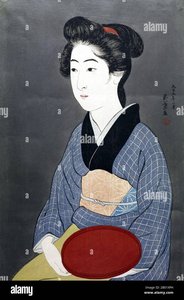
hashiguchi kiyoshi
1880 - 1921 , Japan
Kratke činjenice
- Artistic Movement Or Style: Post-Impressionism
- Artists Or Movements Influenced By This Artist: ['Expressionism']
- Artists Who Influenced This Artist: ['Jean-François Millet']
- Date Of Birth: March 30, 1853
- Date Of Death: July 29, 1890
- Full Name: Vincent Willem van Gogh
- Nationality: Dutch
- Notable Artworks:
- Sunflowers
- Bedroom in Arles
- The Starry Night
- Wheatfield with Crows
- Place Of Birth: Ghent, Belgium