

 Pregledaj u prostoru
 Pošalji
 Podeli
 Detalji o delu

 Преузми
 Slični predmeti
 Rendgenski snimak
 Slajdovi
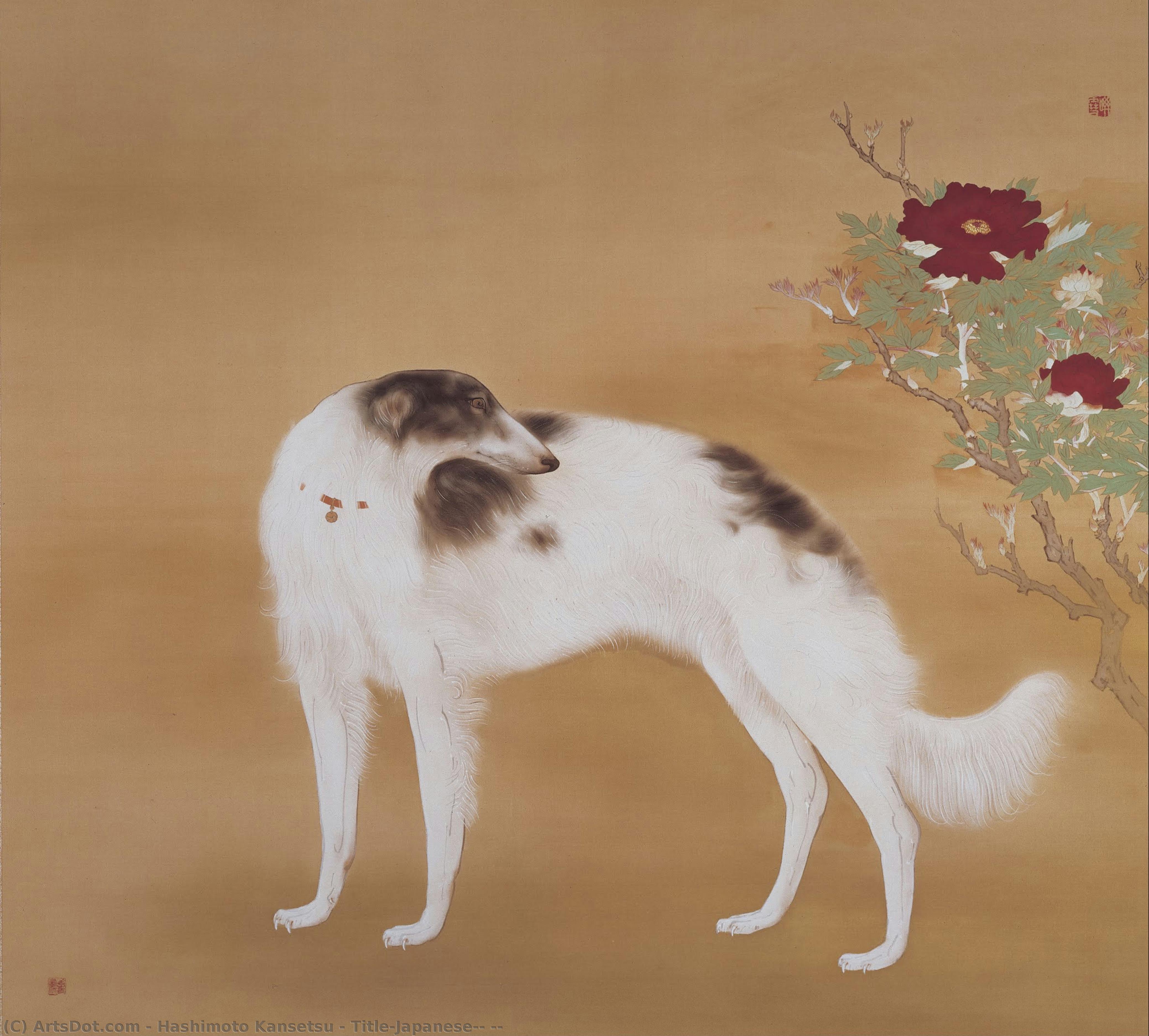
Title(Japanese): 唐犬
 Acrylic On Canvas
- WallArt
- Japanese Painting
 1936
1936 366.0 x 164.0 cm
 Muzej lepih umetnosti grada Osake
 Pročitaj više
Ručno rađena uljana reprodukcija
Ručno oslikano uljanim bojama na platnu u dimenzijama i okviru po vašem izboru, izrađeno po porudžbini od strane naših umetnika. ( Kupi print Kupi digitalnu sliku)




P118B $10

P118H $10

P118W $10

P438Z $10

P508JH $12

P508YH $12

P805H $10

P805Z $10

P919BZ $10

P919G $10

P919XJ $10

P959ZH $10

P968JZ $12

W106C $8

W218G $10

W218JH $8

W218Y $10

W307PJ $10

W316G $10

W316PJ $8

W316Y $10

W398PJ $8

W4111J $10

W500HY $15

W500JH $15

W692G $12

W849H $8

W940BG $15

W953PJ $8




Izaberite jednu od naših unapred definisanih veličina koje odgovaraju originalnim proporcijama umetničkog dela.

Можете унети сопствене димензије како бисте прилагодили дело одређеном оквиру или простору. Ако одабрана величина не одговара пропорцијама оригинала, слика ће бити исечена или проширена додатним елементима који се ручно насликавају. Дигитални prikaz ће вам бити послат на одобрење пре почетка производње.
Имајте на уму да преглед на екрану не одражава стварно исецање или проширење. Само приказ (mockup) ће тачно приказати коначну композицију.
Иако су доступне прилагођене величине, препоручујемо да одаберете димензију из дефинисане листе како бисте сачували оригиналне пропорције.
Nakon narudžbine, tim ArtsDot.com će klijentu putem e-pošte poslati uputstva i dostaviti prikaz predloženog rešenja
Isporuka širom sveta () za 3/4 nedelje umesto uobičajenih 5 nedelja. (6 септембар). Bez kompromisa po pitanju kvaliteta.

Besplatna ekspresna dostava širom sveta

Visokokvalitetno laneno platno

Kompletno osiguranje transporta

Garancija povraćaja carine i uvoznih dažbina

Garancija vernosti boja

Politika povrata u roku od 100 dana (samo u slučaju nedostataka)

Garancija povrata novca od 100%

Popust pri grupnoj kupovini
 Opcija sa staklom dostupna je samo za dimenzije manje od 110 cm

Title(Japanese): 唐犬
Tehnika reprodukcije
Dimenzije reprodukcije
-


Konačna cena
$ 263
A Fusion of Tradition and Innovation: Hashimoto Kansetsu’s “唐犬”
Hashimoto Kansetsu's "唐犬" (Tang Qin), translating to “Chinese Dog,” stands as a remarkable testament to the spirit of Nihonga – Japanese painting – during its formative years. Executed in 1936, this artwork isn’t merely a depiction of animals; it’s a deliberate reimagining of classical iconography, infused with a subtle nod to Western influences and underpinned by Kansetsu's profound understanding of both artistic heritage and contemporary observation. The piece captures the serene beauty of peonies juxtaposed against the presence of several breeds of dogs—a bold departure from established conventions that speaks volumes about Kansetsu’s artistic vision.The Artist’s Obsession with Dogs
Hashimoto Kansetsu possessed an almost obsessive fascination with animals, particularly dogs. He maintained a considerable collection of fifty canine companions, meticulously studying their behavior and physicality – insights he skillfully translated onto canvas. This dedication to observation is palpable in the painting's composition; the careful positioning of the flowers and the dog itself reflects Kansetsu’s meticulous attention to detail, mirroring the approach favored by masters of traditional Japanese art. The artist’s choice to replace lions with dogs—a symbol traditionally associated with peonies—represents a conscious effort to honor tradition while simultaneously introducing a new element of visual interest.Nihonga Technique and Symbolism
“唐犬” exemplifies the hallmarks of Nihonga style. Kansetsu employed meticulous brushwork, layering pigments onto silk screens with painstaking precision – a technique honed over decades of artistic practice. The subdued palette—primarily muted greens and browns—creates an atmosphere of tranquility, mirroring the contemplative mood evoked by peonies, flowers symbolizing purity and longevity in Japanese culture. Furthermore, the dog’s posture—tucked beneath its front legs—suggests vulnerability yet also conveys resilience, reflecting a broader philosophical underpinning rooted in Zen Buddhism. The artist's masterful use of perspective contributes to the painting's sense of depth and realism, grounding it firmly within the aesthetic principles of Nihonga.Historical Context and Significance
The painting’s debut at the “Tei-ten” imperial art academy exhibition marked a pivotal moment in Kansetsu’s career and solidified his reputation as one of Japan’s leading artists. This prestigious showcase underscored the importance of Nihonga within the broader cultural landscape of the time, demonstrating its ability to engage with both historical references and contemporary sensibilities. The artwork's inclusion in the museum’s collection speaks to its enduring artistic merit and its contribution to Japanese art history—a legacy that continues to inspire admiration and appreciation today.A Reflection on Beauty and Observation
Ultimately, “唐犬” transcends mere representation; it embodies Kansetsu’s belief in the transformative power of observation and artistic contemplation. The painting invites viewers to consider not only the visual splendor of peonies and dogs but also the deeper philosophical questions surrounding harmony between nature and humanity—themes central to Nihonga's enduring appeal. It remains a captivating example of how tradition can be revitalized through innovation, resulting in an artwork that resonates with beauty, intellect, and profound emotional depth.Srodna umetnička dela
Biografija umetnika
Hashimoto Kansetsu: A Life Dedicated to Nihonga
- Born: November 10, 1883, Kobe, Japan
- Died: February 26, 1945
- Nationality: Japanese
- Artistic Movement: Nihonga
Early Life and Training
- Hashimoto Kansetsu was born into a family of artists; his father, Hashimoto Kaikan, was also a painter. This upbringing instilled in him a deep appreciation for art and Chinese culture.
- He initially studied at Chikujokai, a private school founded by the renowned nihonga painter Takeuchi Seihō. However, he left due to differing artistic viewpoints.
- His early training focused on mastering traditional Japanese painting techniques and absorbing influences from both Japanese and Chinese art traditions.
Artistic Style and Influences
- Nihonga Specialization: Kansetsu dedicated his career to Nihonga, a style of Japanese painting that emerged during the Meiji period, emphasizing traditional Japanese aesthetics and techniques while incorporating elements of Western art.
- Chinese Inspiration: A significant influence on Kansetsu's work was Chinese scenery and classical literature. He frequently visited China, drawing inspiration from its landscapes and literary heritage.
- Themes & Subjects: His paintings often depicted scenes inspired by Chinese poetry and historical narratives, showcasing his erudition and artistic skill. Common subjects included figures, animals (particularly monkeys and dogs), and landscapes imbued with a sense of tranquility and elegance.
- Style Characteristics: Kansetsu's style is characterized by meticulous detail, refined brushwork, and a harmonious use of color. He skillfully blended traditional Japanese techniques with subtle Western influences, creating a unique and recognizable aesthetic.
Major Works and Recognition
- Notable Paintings: Some of his most celebrated works include "Tang Dogs" (唐犬), depictions of monkeys, and paintings inspired by historical figures like Emperor Godaigo.
- Museum Collections: His artworks are featured in prominent museums such as the Osaka City Museum of Fine Arts and the Honolulu Museum of Art.
- Awards & Honors: Kansetsu received numerous awards throughout his career, including first prize at the Bunten exhibitions in 1916 and 1917. He was also appointed an Imperial Household Artist, a prestigious honor recognizing his contributions to Japanese art.
Legacy and Historical Significance
- Contribution to Nihonga: Hashimoto Kansetsu played a crucial role in the development and popularization of Nihonga painting. His work helped define the style's aesthetic principles and established him as one of its leading figures.
- Hakusasonso Museum: His former residence, now known as the Hakusasonso (Hashimoto Kansetsu Memorial House), serves as a museum showcasing his extensive body of work and preserving his artistic legacy.
- Influence on Subsequent Artists: Kansetsu's influence can be seen in the works of later Japanese artists who continued to explore the possibilities of Nihonga, solidifying his place as an important figure in modern Japanese art history.
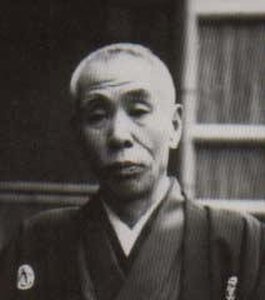
hashimoto kansetsu
1883 - 1945 , Japan
Osnovne informacije
- Artistic Movement Or Style: Nihonga painting
- Artists Or Movements Influenced By This Artist:
- Uemura Shōen
- Kazuo Shiraga
- Artists Who Influenced This Artist:
- Takeuchi Seihō
- Hashimoto Kaikan
- Date Of Birth: November 10, 1883
- Date Of Death: February 26, 1945
- Full Name: Hashimoto Kansetsu
- Nationality: Japanese
- Notable Artworks:
- 唐犬
- Monkeys
- Emperor Godaigo
- Place Of Birth: Kobe, Japan
Povezani članci

Katsushika Hokusai: 25 Remek-dela Japanskog Umetnika za Vaš Dom | ArtsDot
Uronite u svet Katsushike Hokusaija! Otkrijte 25 remek-dela japanskog umetnika, uključujući čuveni 'Veliki talas'. Ukiyo-e štampe, pejzaži i istorija iza svakog dela. Pronađite inspiraciju za dekor enterijera i kupite reprodukcije slika vrhunskog kvaliteta na ArtsDot.com.
Léonard Foujita: A Poetic Synthesis of Japanese Sensibility & European Modernism
Discover the captivating world of Léonard Foujita, a master bridging Japanese aesthetics & European Modernism. Explore his signature style, diverse works, and enduring legacy – essential reading for discerning art collectors.
The Eloquence of Arrangement: Compositional Strategies in Western Art from the Renaissance to Modernism
Explore the evolution of compositional strategies in Western art! Discover how masters like Raphael & Zurbaran used perspective, proportion, and dynamic arrangement to create timeless masterpieces. Enhance your art appreciation today!
Serenity on Canvas: A Guide to the Timeless Beauty of Japanese Landscape Painting
Discover the serene beauty of Japanese landscape painting. From Hokusai's iconic woodblock prints to meditative sumi-e ink washes, explore a visual journey through the 'floating world' and learn how to bring this timeless Zen aesthetic into your modern home decor.
Utagawa Kuniyoshi: A Master of Japanese Ukiyo-e – Narrative Innovation & the Fusion of Tradition with Popular Culture
Explore the captivating world of Utagawa Kuniyoshi, a master of Japanese ukiyo-e woodblock prints. Discover his innovative warrior scenes, vibrant landscapes & lasting legacy in 19th-century art history.