

 Pregledaj u prostoru
 Pošalji
 Podeli
 Detalji o delu

 Преузми
 Slični predmeti
 Rendgenski snimak
 Slajdovi
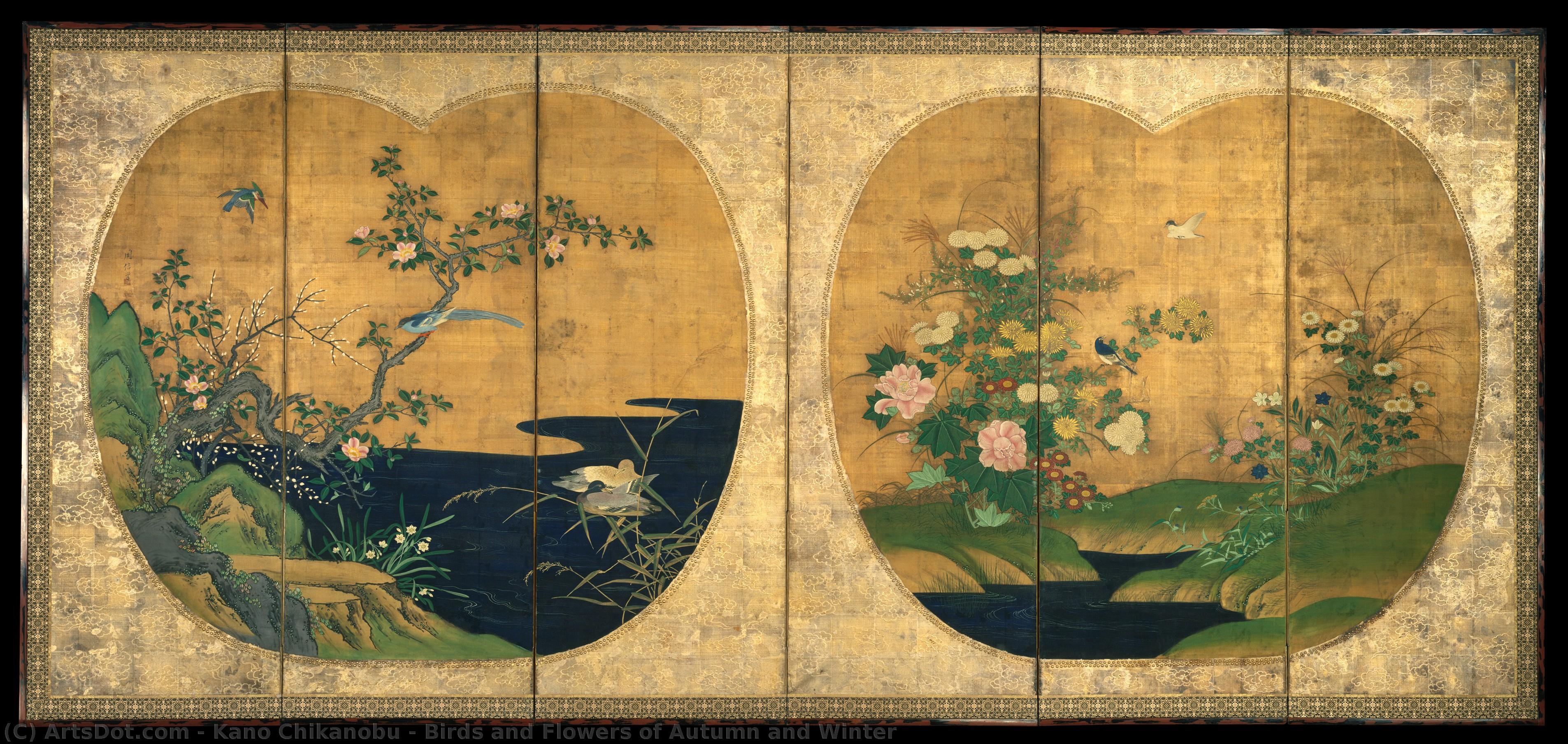
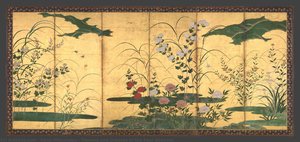
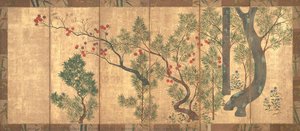
Birds and Flowers of Autumn and Winter
 Japanese Kano School
 701
701 155.0cm x 355.0cm
 Pročitaj više
Kupite digitalnu sliku visoke rezolucije i poboljšanog kvaliteta, koja je znatno superiornija od onoga što vidite u online prikazu.
Svaka datoteka je pedantno pripremljena od strane naših stručnjaka koristeći napredne alate i profesionalnu ručnu retušu. Osiguravamo da svaka slika ima izuzetnu oštrinu, preciznu reprodukciju boja i fine detalje.
Konačna datoteka se dostavlja putem e-pošte u roku od 72 sata, optimizovana za neposrednu upotrebu u profesionalnim, izdavačkim i štamparskim okruženjima. To je isti kvalitet kojem veruju vrhunski studiji dizajna, izdavači i galerije.
Digitalna slika
Preuzmite datoteku visoke rezolucije za ličnu upotrebu, štampanje i kreativne projekte. ( Kupi print Kupi ručno naslikanu sliku)
Uključeno uz svaku porudžbinu digitalne slike
Profesionalna digitalna isporuka, zagarantovana
Kada odaberete ArtsDot.com, ne dobijate samo sliku – vi primate profesionalno unapređeno digitalno umetničko delo, izrađeno sa najvećom preciznošću i uz garanciju zadovoljstva. Evo svega što automatski dolazi uz vašu porudžbinu:

Brza dostava putem e-pošte
Vaša digitalna slika visoke rezolucije biće vam poslata putem e-pošte u roku od 72 sata od poručivanja – spremna za trenutnu upotrebu.

Digitalna datoteka unapređena veštačkom inteligencijom
Vaše umetničko delo je profesionalno optimizovano korišćenjem naprednih AI alata i ručne obrade, čime se osiguravaju maksimalni detalji, oštrina i preciznost boja.

Besplatna ponovna isporuka doživotno
Slučajno ste obrisali ili izgubili svoju datoteku? Ne brinite – poslaćemo vam je ponovo u bilo kom trenutku, potpuno besplatno.

Bez troškova uvoza – zauvek
Uživajte u svojim umetničkim delima trenutno, bez carine, dažbina ili troškova dostave – digitalni download je uvek bez poreza.

Garancija vernosti boja
Uz pomoć profesionalnih alata i upravljanja bojama, osiguravamo da vaša digitalna slika što vernije odražava originalne boje.

Garancija zadovoljstva u roku od 60 dana
Ako niste zadovoljni svojom digitalnom slikom, revidirat ćemo je ili vratiti 100% novca u roku od 60 dana – bez ikakvih pitanja.

100% garancija povrata novca
Niste zadovoljni? Obezbedite pun povrat novca u roku od 60 dana od trenutka kada ste primili svoju digitalnu datoteku – bez suvišnih pitanja.

Popusti na velike porudžbine
Kupite 3 slike, uštedite 10% - Kupite 5 slika, uštedite 15% - Kupite 10+ slika, uštedite 20%. Odlično za kreativne projekte, galerije i agencije.
Kano Chikanobu was a Japanese painter from the Edo period who specialized in bird-and-flower paintings. His work, Birds and Flowers of Autumn and Winter, is a stunning example of his talent and skill.
Description of the Painting
Birds and Flowers of Autumn and Winter is a folding screen with two panels, each measuring 160.7 x 85.4 cm. The painting depicts various flora and fauna in a serene landscape, with autumn on the left panel and winter on the right.
Autumn Panel
- Flowers: Chrysanthemums, bush clover, and Japanese pampas grass are depicted in full bloom, symbolizing the beauty of autumn.
- Birds: A variety of birds, including sparrows, thrushes, and crows, can be seen foraging for food among the foliage.
Winter Panel
- Flowers: Plum blossoms, camellias, and narcissus are shown in bloom, symbolizing the hope and renewal of spring amidst the harshness of winter.
- Birds: A flock of birds, including magpies and sparrows, can be seen huddled together for warmth, symbolizing the unity and resilience of nature in the face of adversity.
Significance of the Painting
Birds and Flowers of Autumn and Winter is a masterful work that showcases Kano Chikanobu's deep understanding and appreciation for the natural world. The painting serves as a reminder of the cyclical nature of life, with each season representing a different stage in the cycle.
Availability of Reproductions
At ArtsDot.com, we offer high-quality hand-made oil painting reproductions of Kano Chikanobu's Birds and Flowers of Autumn and Winter. Our skilled artists use traditional techniques to create stunningly accurate reproductions that capture the beauty and detail of the original work.
Conclusion
Birds and Flowers of Autumn and Winter by Kano Chikanobu is a beautiful and thought-provoking painting that showcases the artist's deep appreciation for the natural world. At ArtsDot.com, we are proud to offer high-quality hand-made oil painting reproductions of this stunning work, allowing art lovers everywhere to enjoy its beauty and meaning.
Srodna umetnička dela
Biografija umetnika
Early Life and Training in the Kano Tradition
Hashimoto Tadayoshi, better known as Kano Chikanobu, was born in 1660 in Niigata Prefecture, Japan, a period steeped in the traditions of the Edo era. His artistic journey began within the esteemed Kano school of painting, one of the most influential and long-lasting schools in Japanese art history. The Kano school, favored by the shogunate, emphasized precise brushwork, bold compositions, and often depicted historical or mythological scenes with a focus on power and authority. Chikanobu’s early training would have instilled in him a deep respect for these established conventions – a foundation he would later subtly yet significantly transform.
However, Chikanobu's artistic curiosity extended beyond the confines of traditional Kano style. He sought further refinement by studying with masters of the *ukiyo-e* world, specifically Kuniyoshi and Kunisada—artists renowned for their vibrant depictions of everyday life, popular culture, and captivating portraits. This exposure to *ukiyo-e*, with its emphasis on color, narrative, and accessibility, proved pivotal in shaping his unique artistic voice. Later mentorship under Toyohara Kunichika further solidified his understanding of contemporary printmaking techniques.
A Synthesis of Styles: From Kano Refinement to Edo Vibrancy
Chikanobu’s art represents a fascinating synthesis of these diverse influences. While rooted in the meticulous detail and compositional strength of the Kano school, his work blossomed with a newfound vibrancy—a characteristic borrowed from his *ukiyo-e* teachers. He masterfully blended the elegance of traditional Japanese subjects – birds and flowers, landscapes imbued with symbolic meaning, and depictions of figures – with a palette of bright, saturated colors and firm, decisive outlines. This combination created a distinctive aesthetic that resonated deeply with audiences during his time.
He worked across various formats, creating stunning hanging scrolls, elaborate six-panel folding screens, and delicate paintings on both paper and silk. Each medium allowed him to explore different facets of his artistic vision, but the core elements remained consistent: a celebration of Japanese beauty, a keen eye for detail, and an innovative use of color.
Patronage, Recognition, and the Shaping of Official Style
Chikanobu’s talent did not go unnoticed. He garnered significant support from the shogunate, which played a crucial role in establishing his reputation and elevating his work to become something of an official style. This patronage wasn't merely about aesthetic preference; it reflected a desire to cultivate a distinctly Japanese artistic tradition—one that acknowledged its Chinese influences while simultaneously asserting its own unique identity.
His paintings often depicted scenes reflecting the values and customs of the ruling class, further solidifying his position as an artist aligned with the shogunate’s vision. This alignment allowed him to flourish creatively and reach a wider audience than many artists of his time. The British Museum holds examples of his work, demonstrating the international recognition he achieved even during his lifetime.
Major Themes and Artistic Achievements
While Chikanobu's range was broad, certain themes consistently appear throughout his oeuvre. His depictions of birds and flowers are particularly noteworthy—not simply as aesthetic exercises but as vehicles for conveying symbolic meaning. Each flower, each bird species carried specific associations, adding layers of depth to his compositions. Landscapes were similarly imbued with cultural significance, often referencing classical poetry or historical events.
One striking example is his 1701 folding screen painting, ‘Birds & Flowers of Autumn & Winter,’ which showcases his masterful use of gold leaf and serene landscapes alongside symbolic flora and fauna. This work exemplifies his ability to create visually stunning pieces that also resonate with deeper cultural narratives. His series depicting the customs of the inner palace further demonstrate his skill in capturing both the beauty and the intricacies of Japanese court life.
Legacy and Historical Significance
Kano Chikanobu died in 1728, leaving behind a rich artistic legacy that continues to captivate audiences today. He stands as a pivotal figure in the transition between traditional Kano painting and the evolving aesthetic sensibilities of the Edo period. His work represents a harmonious blend of established conventions and innovative techniques—a testament to his skill, curiosity, and dedication.
He wasn’t simply replicating existing styles; he was actively synthesizing them, creating something new that reflected both the past and the present. His influence can be seen in the works of later artists who sought to balance tradition with contemporary trends, solidifying his place as a significant contributor to Japanese art history.
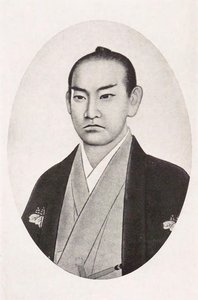
hashimoto tadayoshi
1660 - 1728 , Japan
Kratke činjenice
- Artistic Movement Or Style: Kano school painting
- Artists Who Influenced This Artist:
- Kano School masters
- Utagawa Kuniyoshi
- Utagawa Kunisada
- Date Of Birth: 1660
- Date Of Death: 1728
- Full Name: Hashimoto Tadayoshi
- Nationality: Japanese
- Notable Artworks:
- Birds & Flowers of Autumn & Winter
- Beauty
- Place Of Birth: Niigata Prefecture, Japan

