

 Pregledaj u prostoru
 Pošalji
 Podeli
 Detalji o delu

 Преузми
 Slični predmeti
 Rendgenski snimak
 Slajdovi
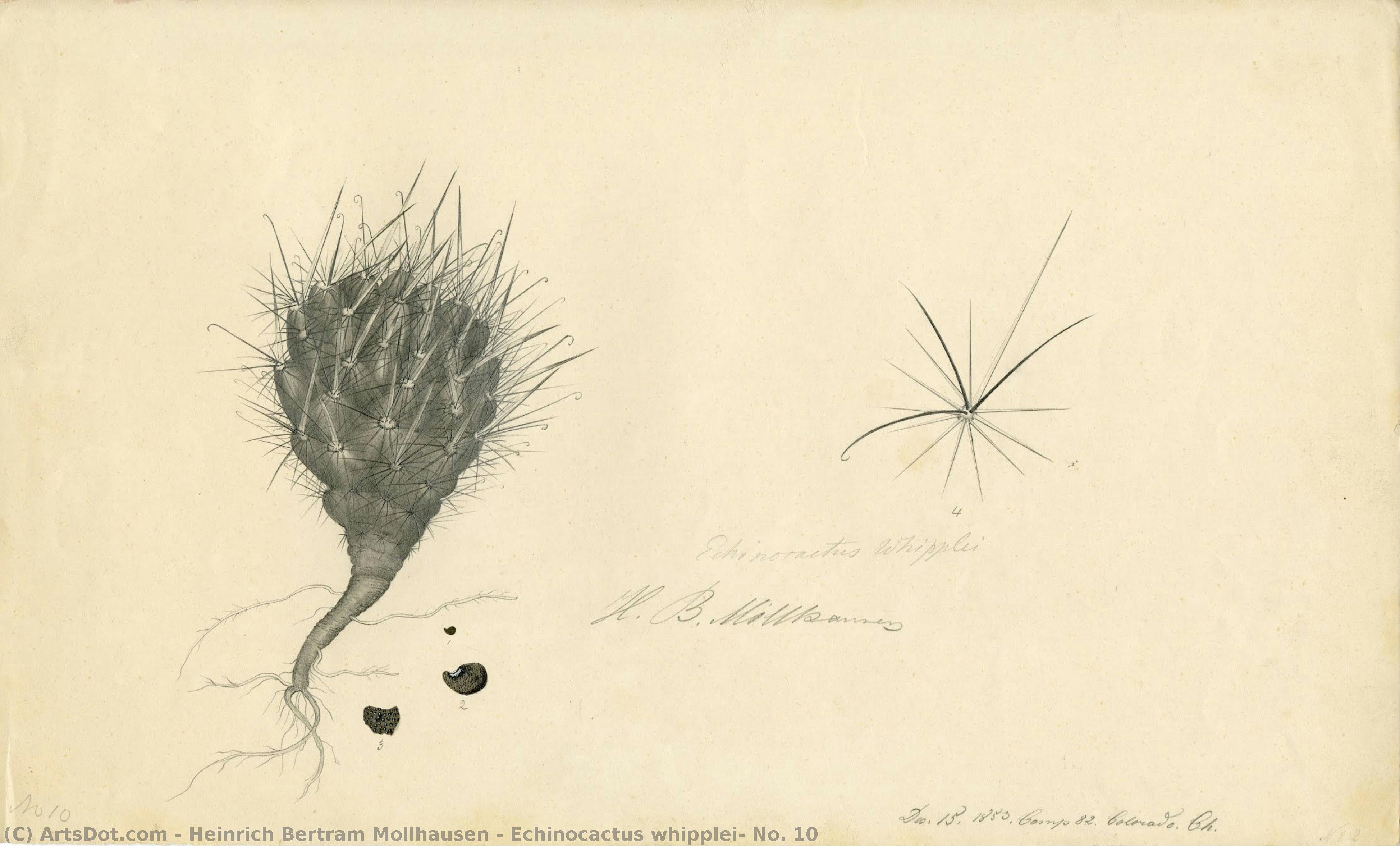
Echinocactus whipplei, No. 10


 Pročitaj više
Ručno rađena uljana reprodukcija
Ručno oslikano uljanim bojama na platnu u dimenzijama i okviru po vašem izboru, izrađeno po porudžbini od strane naših umetnika. ( Kupi print Kupi digitalnu sliku)




































Izaberite jednu od naših unapred definisanih veličina koje odgovaraju originalnim proporcijama umetničkog dela.

Можете унети сопствене димензије како бисте прилагодили дело одређеном оквиру или простору. Ако одабрана величина не одговара пропорцијама оригинала, слика ће бити исечена или проширена додатним елементима који се ручно насликавају. Дигитални prikaz ће вам бити послат на одобрење пре почетка производње.
Имајте на уму да преглед на екрану не одражава стварно исецање или проширење. Само приказ (mockup) ће тачно приказати коначну композицију.
Иако су доступне прилагођене величине, препоручујемо да одаберете димензију из дефинисане листе како бисте сачували оригиналне пропорције.
Nakon narudžbine, tim ArtsDot.com će klijentu putem e-pošte poslati uputstva i dostaviti prikaz predloženog rešenja
Isporuka širom sveta () za 3/4 nedelje umesto uobičajenih 5 nedelja. (6 септембар). Bez kompromisa po pitanju kvaliteta.

Besplatna ekspresna dostava širom sveta

Visokokvalitetno laneno platno

Kompletno osiguranje transporta

Garancija povraćaja carine i uvoznih dažbina

Garancija vernosti boja

Politika povrata u roku od 100 dana (samo u slučaju nedostataka)

Garancija povrata novca od 100%

Popust pri grupnoj kupovini
 Opcija sa staklom dostupna je samo za dimenzije manje od 110 cm

Echinocactus whipplei, No. 10
Tehnika reprodukcije
Dimenzije reprodukcije
-


Konačna cena
$ 263
Srodna umetnička dela
Biografija umetnika
The Botanical Visionary of the American West
Heinrich Bertram Mollhausen stands as a singular figure in the annals of Victorian art, recognized primarily for his extraordinary depictions of the American West. Born in Germany in 1829, Mollhausen was far more than a mere traveler; he was a pioneer of Western botanical illustration whose work bridged the gap between scientific inquiry and romantic expression. In 1853, driven by a fervent fascination with botany and geology, he embarked on an ambitious expedition to North America. This journey would profoundly shape his artistic output and solidify his legacy as one of the era’s most meticulous observers of the natural world.
His fame rests largely upon his exquisitely rendered studies of the flora inhabiting the arid landscapes of Arizona and New Mexico. Mollhausen possessed a rare ability to transform scientific documentation into profound art. His work, such as the breathtaking monochrome study Echinocactus engelmanni, No. 8, exemplifies an unwavering commitment to accuracy blended seamlessly with artistic sensitivity. Executed with graphite and charcoal, these pieces are not merely botanical records; they are imbued with an atmosphere of quiet contemplation. Through subtle tonal variations and precise textural detail, he captured the very essence of the cactus, highlighting its form with a remarkable realism that invites the viewer into a moment of stillness.
Topography and the Spirit of the Frontier
Beyond his celebrated botanical portraits, Mollhausen achieved considerable renown for his ability to document the changing landscape and human settlements of the American frontier. He was a master of topographical sketching, a technique he honed through rigorous observation during his travels. His depiction of Old Fort Arbuckle, later a settlement of the Delaware Indians, showcases his skill in rendering both the architectural features and the rugged topography of the region. These sketches serve as evocative historical windows, capturing the spirit of a landscape in transition.
Mollhausen’s repertoire extended to the diverse inhabitants and natural wonders of the West, from the powerful presence of a Choctaw or Creek man on horseback to the intricate details of ancient Petroglyphs. His ability to pivot between the minute textures of a succulent and the sweeping vistas of mountain ranges allowed him to create a comprehensive visual archive of a continent. Whether sketching the Mojave Raft or the complex structures of various Opuntia species, his work remains a testament to his dedication to capturing the true character of the American wilderness.
Artistic Legacy and Romantic Influences
The aesthetic language of Mollhausen’s work was deeply informed by the masters of his time. His style was heavily influenced by Eugène Delacroix and Alexandre Cabanel, titans of Romantic landscape painting who championed expressive brushwork and dramatic lighting. While his botanical works often leaned toward scientific precision, this Romantic influence is palpable in his ability to convey emotion through light and shadow. He did not simply draw what he saw; he interpreted the atmosphere of the frontier, imbuing his subjects with a sense of grandeur and mystery.
The historical significance of Heinrich Bertram Mollhausen lies in his dual role as an explorer and an artist. His meticulous drawings provided much of the early visual knowledge regarding the flora and geography of the American Southwest to a European audience. Today, his work is cherished not only for its scientific value but as a beautiful, evocative collection of 19th-century artistry. He remains a vital link between the rigorous tradition of natural history illustration and the emotive power of Romantic landscape art, leaving behind a legacy that continues to inspire wonder at the untamed beauty of the West.
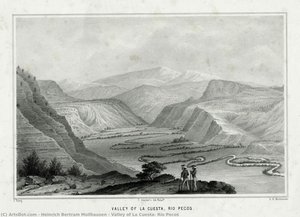
heinrich bertram mollhausen
1829 - 1892 , Germany
Osnovne informacije
- Artistic Movement Or Style: Romanticism
- Artists Or Movements Influenced By This Artist: ['Romanticism']
- Artists Who Influenced This Artist: ['Caspar David Friedrich']
- Date Of Birth: 1829
- Full Name: Heinrich Bertram Mollhausen
- Nationality: German
- Notable Artworks:
- Echinocactus engelmanni, No. 8
- Old Fort Arbuckle, now a settlement of Delaware Indians, No. 32
- Place Of Birth: Germany