

 Pregledaj u prostoru
 Pošalji
 Podeli
 Detalji o delu

 Преузми
 Slični predmeti
 Rendgenski snimak
 Slajdovi
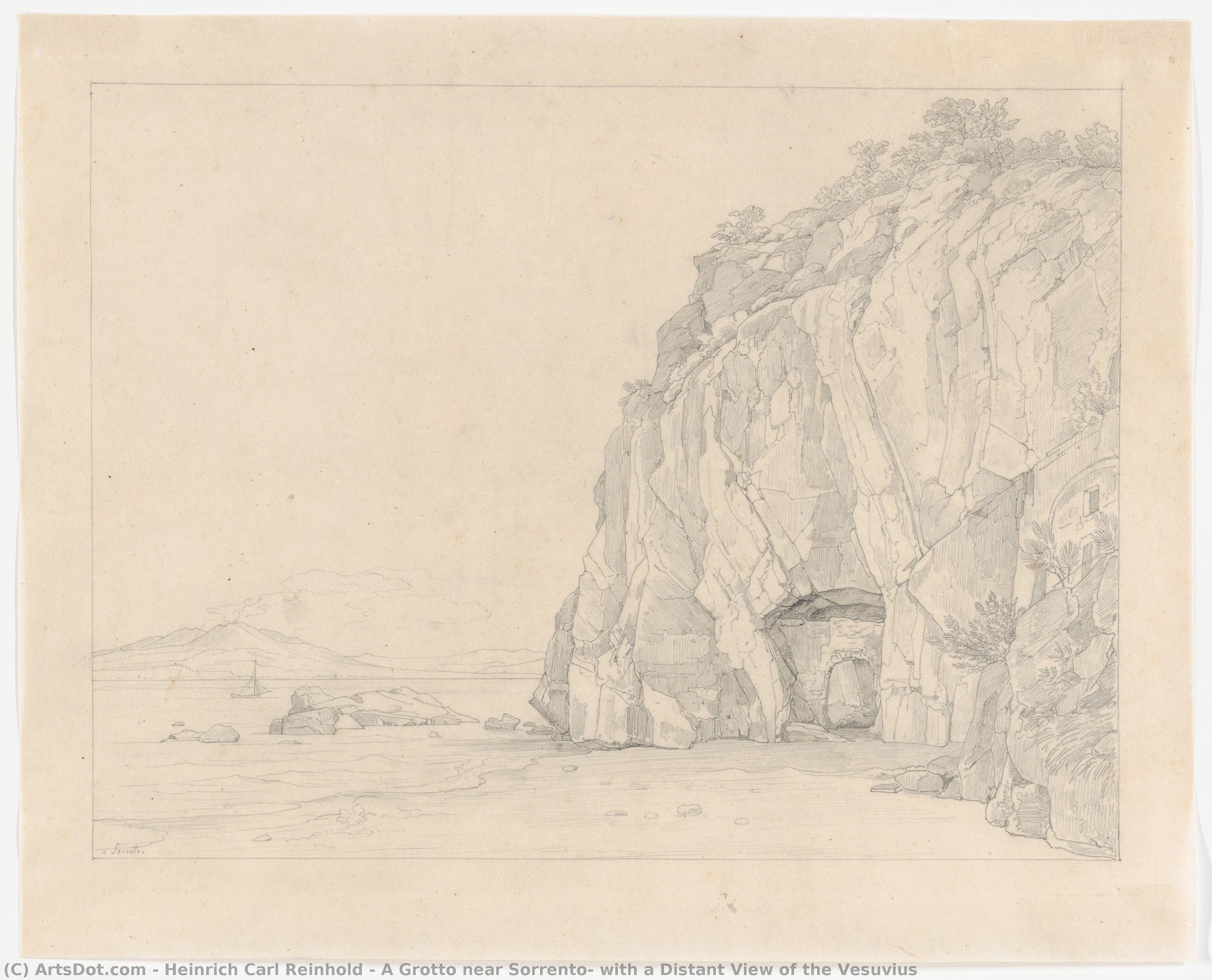
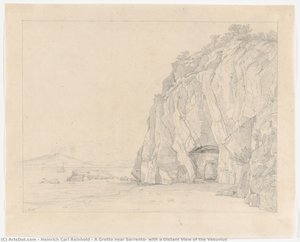
Једна пећина код Соррентоа, са удаљеним видом на Везувиј
 Akril na platnu
- Umetnost za zidove
- Romantic Landscape
 1823
1823 32.0 x 39.0 cm
 Metropolitan Museum of Art
 Pročitaj više
Kupite digitalnu sliku visoke rezolucije i poboljšanog kvaliteta, koja je znatno superiornija od onoga što vidite u online prikazu.
Svaka datoteka je pedantno pripremljena od strane naših stručnjaka koristeći napredne alate i profesionalnu ručnu retušu. Osiguravamo da svaka slika ima izuzetnu oštrinu, preciznu reprodukciju boja i fine detalje.
Konačna datoteka se dostavlja putem e-pošte u roku od 72 sata, optimizovana za neposrednu upotrebu u profesionalnim, izdavačkim i štamparskim okruženjima. To je isti kvalitet kojem veruju vrhunski studiji dizajna, izdavači i galerije.
Digitalna slika
Preuzmite datoteku visoke rezolucije za ličnu upotrebu, štampanje i kreativne projekte. ( Kupi print Kupi ručno naslikanu sliku)
Uključeno uz svaku porudžbinu digitalne slike
Profesionalna digitalna isporuka, zagarantovana
Kada odaberete ArtsDot.com, ne dobijate samo sliku – vi primate profesionalno unapređeno digitalno umetničko delo, izrađeno sa najvećom preciznošću i uz garanciju zadovoljstva. Evo svega što automatski dolazi uz vašu porudžbinu:

Brza dostava putem e-pošte
Vaša digitalna slika visoke rezolucije biće vam poslata putem e-pošte u roku od 72 sata od poručivanja – spremna za trenutnu upotrebu.

Digitalna datoteka unapređena veštačkom inteligencijom
Vaše umetničko delo je profesionalno optimizovano korišćenjem naprednih AI alata i ručne obrade, čime se osiguravaju maksimalni detalji, oštrina i preciznost boja.

Besplatna ponovna isporuka doživotno
Slučajno ste obrisali ili izgubili svoju datoteku? Ne brinite – poslaćemo vam je ponovo u bilo kom trenutku, potpuno besplatno.

Bez troškova uvoza – zauvek
Uživajte u svojim umetničkim delima trenutno, bez carine, dažbina ili troškova dostave – digitalni download je uvek bez poreza.

Garancija vernosti boja
Uz pomoć profesionalnih alata i upravljanja bojama, osiguravamo da vaša digitalna slika što vernije odražava originalne boje.

Garancija zadovoljstva u roku od 60 dana
Ako niste zadovoljni svojom digitalnom slikom, revidirat ćemo je ili vratiti 100% novca u roku od 60 dana – bez ikakvih pitanja.

100% garancija povrata novca
Niste zadovoljni? Obezbedite pun povrat novca u roku od 60 dana od trenutka kada ste primili svoju digitalnu datoteku – bez suvišnih pitanja.

Popusti na velike porudžbine
Kupite 3 slike, uštedite 10% - Kupite 5 slika, uštedite 15% - Kupite 10+ slika, uštedite 20%. Odlično za kreativne projekte, galerije i agencije.
A Grotto near Sorrento, with a Distant View of the Vesuvius – A Romantic Echo of Sublime Beauty
Heinrich Carl Reinhold’s “A Grotto near Sorrento, with a Distant View of the Vesuvius” transcends mere landscape depiction; it embodies the very spirit of Romanticism—a profound fascination with nature's grandeur and an exploration of emotion intertwined with observation. Painted in 1823, this graphite drawing captures a serene vista overlooking Mount Vesuvius, offering viewers a glimpse into the artistic sensibilities of its time. Reinhold’s meticulous attention to detail elevates it beyond a simple topographical representation, transforming it into a conduit for conveying feelings of awe and contemplation.- Artist Background: Heinrich Carl Reinhold (1788–1825) emerged as a pivotal voice within German Romanticism, largely defined by his captivating portrayals of Italian landscapes—a genre favored by artists seeking inspiration from the sublime. Trained initially at Dresden Academy of Fine Arts under the influence of Joseph Anton Koch’s stylistic approach, Reinhold honed his skills and pursued further artistic refinement in Vienna and Paris.
- Style & Influences: Reinhold's work firmly establishes itself within Romanticism, mirroring Koch’s emphasis on capturing dramatic landscapes infused with emotional resonance. The artist skillfully employs tonal gradation—a technique championed by Romantic painters—to imbue the scene with atmospheric depth and luminosity.
- Technique: Reinhold’s masterful use of graphite demonstrates an exceptional command of texture and shading. Delicate lines delineate rocky formations, while subtle gradations create a convincing illusion of light and shadow, effectively conveying the misty air surrounding Sorrento and the imposing silhouette of Vesuvius. The artist's meticulous rendering underscores the Romantic preoccupation with capturing natural beauty in its most evocative form.
- Historical Context: Created during the Napoleonic era, “A Grotto near Sorrento” reflects the broader Romantic movement’s reaction against Enlightenment rationalism. Artists like Reinhold sought to express subjective experience and emotion—particularly feelings of wonder and terror—before the majesty of nature. The eruption of Vesuvius served as a potent symbol of both destructive force and creative renewal, themes frequently explored in Romantic art.
- Symbolic Resonance: Beyond its visual splendor, the painting speaks to deeper philosophical concerns. The grotto itself represents seclusion and introspection, inviting contemplation on the relationship between humanity and the natural world. Simultaneously, Vesuvius embodies the sublime—that paradoxical blend of terror and beauty—a concept central to Romantic aesthetics and representing the power of nature to inspire awe and provoke profound emotional responses.
Srodna umetnička dela




Biografija umetnika
A Romantic Vision of Italy: The Life and Legacy of Heinrich Carl Reinhold
Johann Heinrich Carl Reinhold emerged as a luminous figure within the burgeoning Romantic movement, leaving behind a legacy defined by his captivating landscapes and meticulously rendered depictions of Italian scenery. Born in 1788 in Gera, Thuringia, Reinhold’s artistic journey was deeply rooted in familial tradition. His early training began under the nurturing tutelage of his father and his half-brother, Friedrich Philipp Reinhold, an experience that fostered a profound appreciation for the precision of drawing and established the technical foundation upon which his later masterpieces would be built. As a student at the Dresden Academy of Fine Arts, he began to absorb the classical ideals that would serve as the structural backbone of his compositions, even as his spirit drifted toward the emotive power of Romanticism. The trajectory of Reinhold’s career was shaped by a series of pivotal migrations across Europe's great artistic centers. In 1806, seeking further refinement, he moved to Vienna, enrolling at the Akademie der bildenden Künste Wien. It was here that his talent caught the eye of the influential Dominique Vivant, Baron de Denon, the Director of Museums in Paris. This encounter proved transformative, propelling Reinhold into the vibrant heart of Parisian artistic discourse in 1809. During his years in France, he did not merely observe; he actively documented the era's seismic shifts, capturing the grandeur and drama of Napoleon’s military campaigns through a masterful blend of keen observation and poetic interpretation.The Italian Influence and Artistic Maturity
The true soul of Reinhold’s oeuvre, however, was found in the sun-drenched landscapes of the South. Following his time in Paris, a renewed enthusiasm for Romanticism spurred his return to Vienna in 1819, leading to an ambitious expedition to Italy alongside Johann Christoph Erhard. This journey through Rome and Naples allowed Reinhold to immerse himself in a classical milieu that would forever alter his palette and perspective. His works from this period, such as the breathtaking Terrace of the Capucin Priory in Sorrento, demonstrate a remarkable sensitivity to light and atmosphere. In these paintings, one finds a serene coastal beauty where stone terraces, lush vegetation, and the gentle play of shadow create a tranquil, almost meditative atmosphere. Reinhold’s technical mastery is particularly evident in his ability to balance the monumental with the intimate. While he could capture the sweeping vistas of a distant Vesuvius or the dramatic scale of Roman architecture, he never lost sight of the human element. His compositions often feature subtle traces of life—a young couple beneath a wicker basket or figures engaged in quiet conversation—which ground his grand landscapes in a sense of lived reality. This duality between the epic and the everyday is what makes his work so enduringly poignant.Historical Significance and Artistic Heritage
Though his life was tragically short, ending in 1825, Reinhold’s impact on the German Romantic landscape tradition remains significant. He bridged the gap between the rigorous academic traditions of the late 18th century and the emotive, nature-centric philosophies of the 19th century. His ability to synthesize the stylistic innovations of Joseph Anton Koch with his own firsthand observations of Mediterranean light created a unique visual language that resonated across borders. Today, the works of Heinrich Carl Reinhold serve as vital windows into a bygone era of European exploration and artistic passion. His paintings are not merely records of scenery but are emotional evocations of a time when the landscape was viewed as a mirror to the human soul. His contributions continue to be celebrated in prestigious institutions such as:- The Neue Pinakothek in Munich, which houses his exquisite depictions of Sorrento.
- The National Gallery of Art, preserving his intimate studies of figures within landscapes.
- The Von Der Heydt Museum, where his legacy as a master of German landscape art is preserved.
heinrich carl reinhold
1788 - 1825
Kratke činjenice
- Artistic Movement Or Style: Romantic Painting
- Artists Or Movements Influenced By This Artist: ['Romanticism']
- Artists Who Influenced This Artist: ['Joseph Anton Koch']
- Date Of Birth: 18 July 1788
- Date Of Death: 15 January 1825
- Full Name: Johann Heinrich Carl Reinhold
- Nationality: German
- Notable Artworks:
- Terrace of the Capucin Priory in Sorrento
- Family at the Foot of a Staircase of a Roman Palace
- Place Of Birth: Gera, thuringia

