

 Pregledaj u prostoru
 Pošalji
 Podeli
 Detalji o delu

 Преузми
 Slični predmeti
 Rendgenski snimak
 Slajdovi
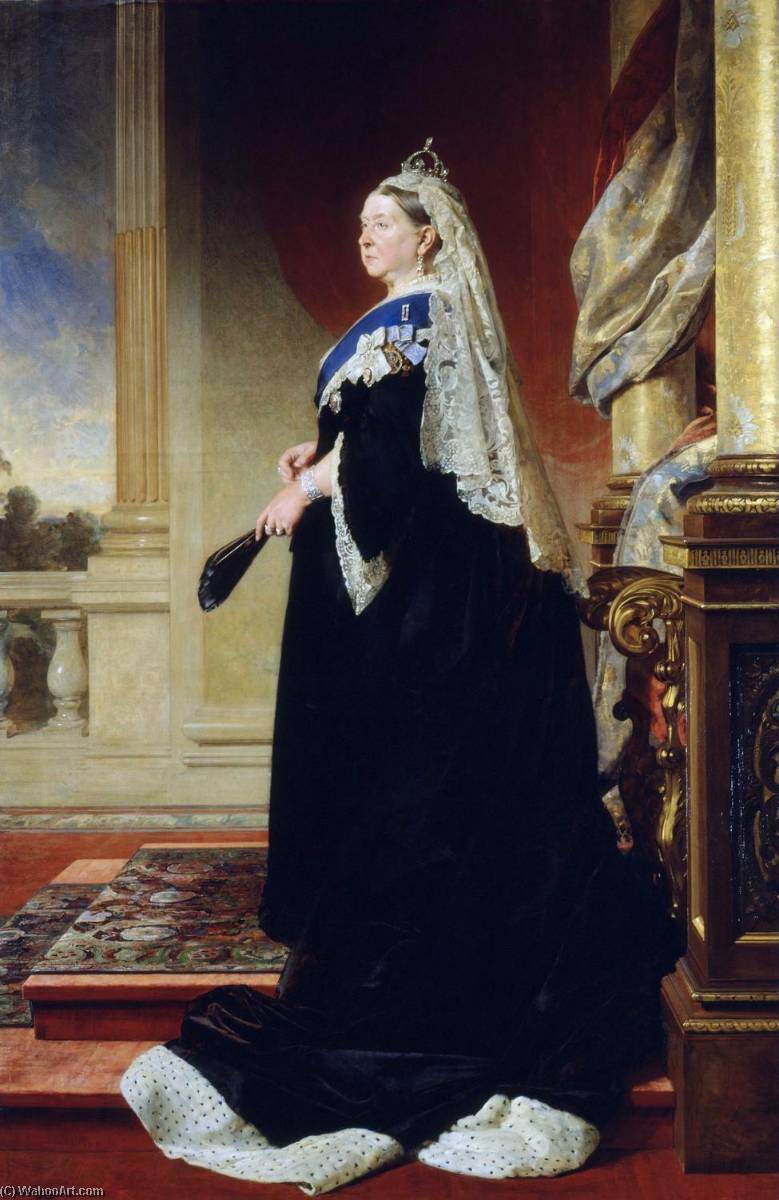
Untitled (AQZPEC)
 Neoclassicism
 1885
1885 250.0 x 167.0 cm
 Pročitaj više
Ručno rađena uljana reprodukcija
Ručno oslikano uljanim bojama na platnu u dimenzijama i okviru po vašem izboru, izrađeno po porudžbini od strane naših umetnika. ( Kupi print Kupi digitalnu sliku)




P118B $10

P118H $10

P118W $10

P438Z $10

P508JH $12

P508YH $12

P805H $10

P805Z $10

P919BZ $10

P919G $10

P919XJ $10

P959ZH $10

P968JZ $12

W106C $8

W218G $10

W218JH $8

W218Y $10

W307PJ $10

W316G $10

W316PJ $8

W316Y $10

W398PJ $8

W4111J $10

W500HY $15

W500JH $15

W692G $12

W849H $8

W940BG $15

W953PJ $8




Izaberite jednu od naših unapred definisanih veličina koje odgovaraju originalnim proporcijama umetničkog dela.

Можете унети сопствене димензије како бисте прилагодили дело одређеном оквиру или простору. Ако одабрана величина не одговара пропорцијама оригинала, слика ће бити исечена или проширена додатним елементима који се ручно насликавају. Дигитални prikaz ће вам бити послат на одобрење пре почетка производње.
Имајте на уму да преглед на екрану не одражава стварно исецање или проширење. Само приказ (mockup) ће тачно приказати коначну композицију.
Иако су доступне прилагођене величине, препоручујемо да одаберете димензију из дефинисане листе како бисте сачували оригиналне пропорције.
Nakon narudžbine, tim ArtsDot.com će klijentu putem e-pošte poslati uputstva i dostaviti prikaz predloženog rešenja
Isporuka širom sveta () za 3/4 nedelje umesto uobičajenih 5 nedelja. (28 август). Bez kompromisa po pitanju kvaliteta.

Besplatna ekspresna dostava širom sveta

Visokokvalitetno laneno platno

Kompletno osiguranje transporta

Garancija povraćaja carine i uvoznih dažbina

Garancija vernosti boja

Politika povrata u roku od 60 dana (samo u slučaju nedostataka)

Garancija povrata novca od 100%

Popust pri grupnoj kupovini
 Opcija sa staklom dostupna je samo za dimenzije manje od 110 cm

Untitled (AQZPEC)
Tehnika reprodukcije
Dimenzije reprodukcije
-


Konačna cena
$ 263
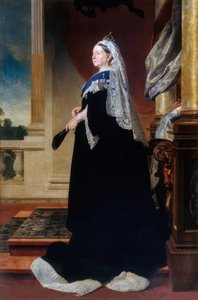
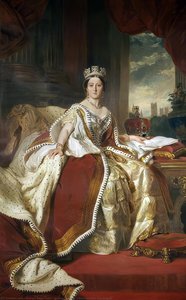
A Regal Presence: Heinrich von Angeli’s Portrait of Queen Victoria (AQZPEC)
Heinrich von Angeli's 1885 portrait of Queen Victoria, titled *Untitled (AQZPEC)*, is a stunning example of Victorian-era portraiture. Measuring an impressive 250 x 167 cm, this large-scale oil painting doesn’t merely depict the monarch; it embodies her reign – its power, stability, and unwavering dignity. Von Angeli, a master of capturing aristocratic essence, was highly sought after by European royalty, and his skill is brilliantly displayed in this commanding image. The work transcends simple representation, becoming a powerful symbol of an empire at its zenith.Style & Technique: Neoclassical Grandeur with Romantic Flourishes
Von Angeli masterfully blends Neoclassical formality with subtle Romantic sensibilities. The composition is rigorously symmetrical and balanced, echoing the classical tradition of portraying rulers as figures of enduring authority. However, a hazy atmospheric landscape in the background introduces a touch of Romantic drama and depth. His technique is characterized by meticulous detail – evident in the intricate folds of Victoria’s robes, the delicate lace of her headdress, and the shimmering jewels adorning her person. The artist employed techniques like glazing and scumbling to achieve remarkable luminosity and texture, bringing a lifelike quality to the canvas. The use of light is particularly effective, highlighting Victoria's face and emphasizing her regal bearing while casting strategic shadows that enhance the painting’s three-dimensionality.Symbolism & Historical Context: An Icon of an Era
Painted in 1885, during the height of Queen Victoria’s reign, this portrait is steeped in symbolism. The crown, sceptre, and opulent robes are not merely decorative elements; they represent the full weight of her monarchical power and responsibility. The painting serves as a visual testament to the Victorian era's fascination with historical grandeur, reflecting a period defined by imperial expansion, social conservatism, and a strong sense of national pride. Von Angeli’s ability to capture not just likeness but also *character* is crucial here; he presents Victoria not simply as a queen, but as an icon – a symbol of British strength and stability during a time of significant global change. The inclusion of distant buildings hints at the vastness of her empire, subtly reinforcing this message.Emotional Impact & Legacy
The portrait evokes a sense of solemnity and dignified reserve. Victoria’s expression is not overtly emotional, but rather conveys an air of quiet authority and unwavering resolve. This restraint reflects both Victorian societal norms and the Queen's own famously stoic persona. Von Angeli doesn’t aim for intimacy; he aims to portray majesty. Today, *Untitled (AQZPEC)* stands as a significant historical document and a testament to von Angeli’s artistic skill. His works, including portraits held within the Royal Collection itself, continue to inspire artists and captivate art enthusiasts. High-quality reproductions of this masterpiece are available through ArtsDot.com, offering an opportunity to bring a piece of history and regal splendor into your home or collection.Srodna umetnička dela
Biografija umetnika
The Soul of an Era: The Life and Art of Baron Heinrich von Angeli
Heinrich Anton von Angeli stands as a luminous figure in the grand tapestry of nineteenth-century European art, a painter whose brush captured not just the likenesses of the powerful, but the very essence of an age caught between the fading echoes of Romanticism and the rising clarity of Realism. Born in 1840 in Ödenburg—a region then part of the Austrian Empire, now known as Sopron in Hungary—Angeli emerged from an aristocratic lineage with a profound connection to the cultural heart of Europe. His family roots traced back to Venice, having been ennobled by the Holy and Roman Emperor Maximilian II in 1565, providing him with a social standing that would later facilitate his access to the most prestigious courts of the continent. His artistic journey was one of disciplined movement across the great intellectual hubs of Europe. After beginning his formal training at the Academy of Fine Arts Vienna, he sought further refinement at the Kunstakademie Düsseldorf and in Munich. These formative years allowed him to absorb a diverse range of influences; while he drew deep inspiration from the atmospheric, emotive landscapes of Caspar David Friedrich and the dramatic intensity of Eugène Delacroix, he ultimately forged a path that favored a more naturalistic truth. By 1862, having returned to Vienna, Angeli began to establish himself as a master of his craft, eventually traveling between Berlin, London, and Vienna from 1870 onwards to fulfill the demands of an international clientele.A Master of Majesty and Meticulous Detail
The brilliance of Angeli’s work lies in his uncanny ability to navigate the delicate balance between the grandiosity of his subjects and a profound commitment to technical precision. He was particularly celebrated for his skill in depicting the textures of power—the heavy weight of velvet, the crisp starch of military uniforms, and the breathtaking shimmer of pearls and jewels. His technique was a marvel of patience, characterized by the meticulous layering of thin glazes over a toned ground, a method that allowed him to achieve a luminous depth that seemed to breathe within the canvas itself. Unlike some of his contemporaries who favored a more idealized or theatrical presentation, Angeli preferred to portray his sitters with an honest, naturalistic dignity. This approach made him the preferred chronicler for the era's most influential figures. His portfolio is a "who's who" of nineteenth-century history, featuring:- Queen Victoria, captured in both her regal splendor and her more somber, private moments as a widow.
- Kaiser Wilhelm I, rendered with the authority befitting the German Emperor.
- Statesmen and aristocrats such as Benjamin Disraeli and the Duke of Connaught.
- Military figures like Herbert Kitchener, where his mastery of uniform detail could truly shine.
Legacy and Historical Significance
The historical significance of Heinrich von Angeli extends far beyond the mere documentation of faces. His portraits serve as visual archives of the Victorian and Edwardian eras, embodying the stability, power, and social hierarchies of a period that shaped the modern world. Through his eyes, we see the transition from the romanticized ideals of the early century to the more grounded, realistic observations of the late nineteenth century. Today, his works reside in some of the most prestigious institutions in the world, including the British Royal Collection, the Victoria and Albert Museum, and the Wallace Collection. These paintings are not merely relics of a bygone age; they are enduring testaments to an artist who possessed the rare ability to translate the fleeting light of history into permanent, breathing masterpieces. His legacy remains that of a visual chronicler who, through unparalleled skill and a dedication to truth, immortalized the very soul of an era.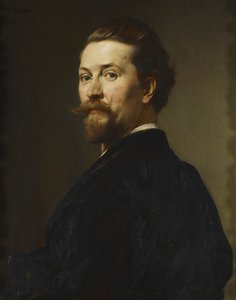
Heinrich von Angeli
1840 - 1925
Osnovne informacije
- Artistic Movement Or Style: Neoclassical Romanticism
- Artists Who Influenced This Artist:
- Jean Auguste Dominique Ingres
- Gustav Klimt
- Date Of Birth: 1840
- Date Of Death: 1925
- Full Name: Heinrich Anton von Angeli
- Nationality: Austrian
- Notable Artworks:
- Untitled (AQZPEC)
- Untitled (AQZPE8)
- Prince Henry (1858–1896) in Military Uniform
- Place Of Birth: Ödenburg (Sopron)
Povezani članci

The Enduring Legacy of Oil on Canvas: Technique, History & Aesthetic Impact
Explore the rich history & techniques of oil painting – from Renaissance masters to Impressionism. Discover pigments, layering methods, and why this timeless medium endures. Expert insights for artists & art enthusiasts.

Oil on Canvas: A Historical & Technical Exploration of a Timeless Artistic Medium
Explore the rich history & enduring techniques of oil painting on canvas. Discover the science behind its longevity, conservation practices, and contemporary relevance. Expert insights for art enthusiasts.

The Enduring Power of Painting: A Historical & Contemporary Exploration of Form and Emotion
Explore the rich history & enduring techniques of oil painting with ArtsDot. Discover masterpieces, learn about art collecting, and find authentic handmade reproductions crafted by skilled artists.

Trajnu Ostavština Uljanih Boja na Platnu: Tehnika, Istorija i Savremena Praksa
Istražite bogatu istoriju i savremene tehnike uljanog slikarstva. Saveti stručnjaka, analiza radova velikih majstora i vodiči za biranje kvalitetnih materijala. Otkrijte tajne očuvanja umetničkih dela!
Prodajte Digitalnu Sliku kao Uljuenu Reprodukciju – Automatski Izračunajte Cenu, Postavite Maržu i Zaradite na Svakoj Prodaji za NFT Kolekcionare
Umetnost na dohvat ruke: prodajte digitalnu sliku kao uljenu reprodukciju uz automatski izračun cene, postavljanje marže i pouzdanu ArtsDot garanciju. Ekspertizna podrška, transparentni proces i vrednost za NFT kolekcionare.

